
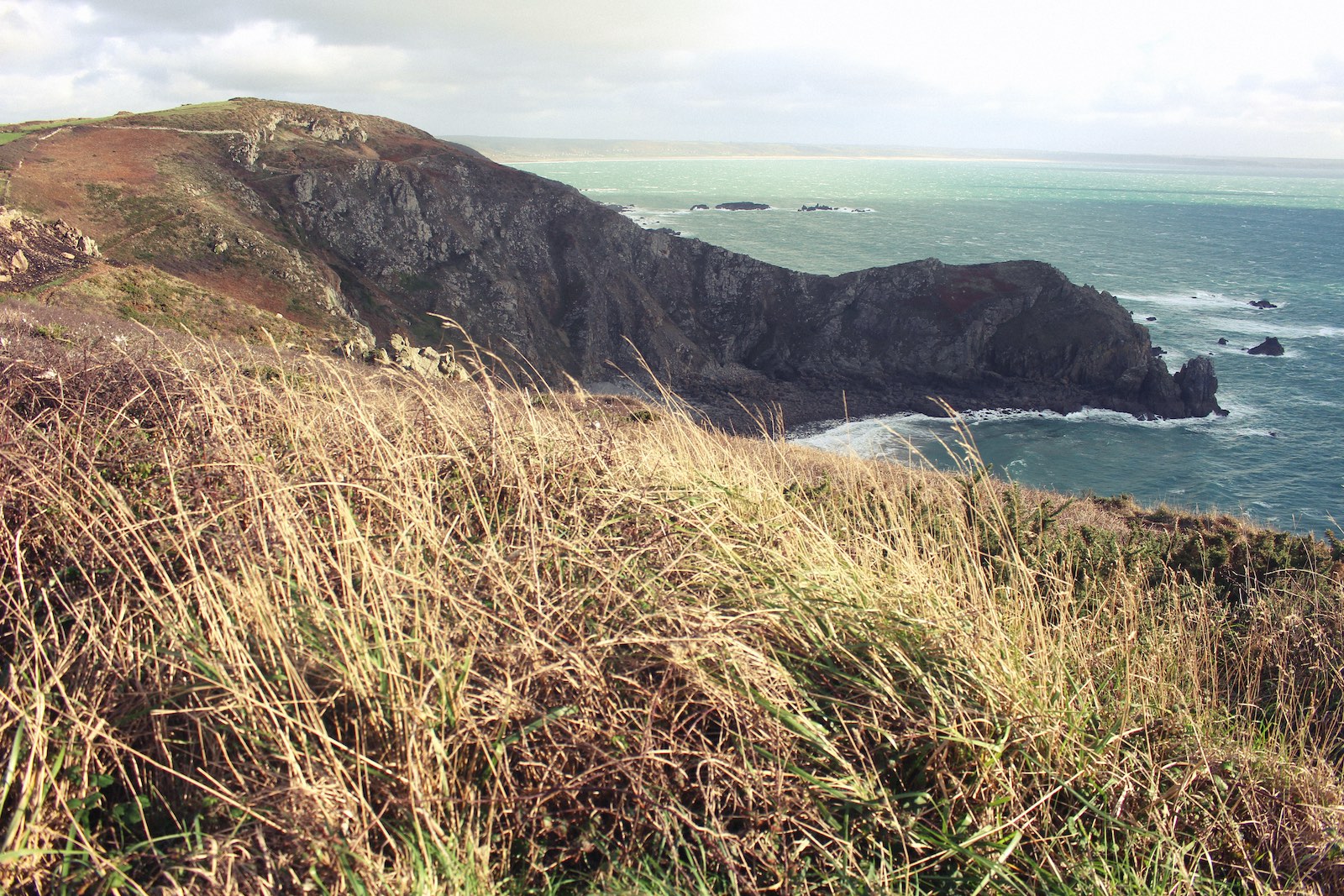
I’m not exaggerating when I say that La Hague on the Cotentin Peninsula is one of the most beautiful pockets of nature I’ve ever experienced in France. But I would never have heard of La Hague if not for a chance encounter.
Gui and I were in the lobby of the Cité de la Mer (City of the Sea) in Cherbourg. The museum is housed in a huge building that was used as a ferry terminal from the 1930s to 1970, before travel by boat was replaced by air travel.
An old man approached us to ask a simple question, and we started talking. He was in his eighties and had worked at the transatlantic maritime station back when it was still in operation. He had the thickest eyebrows I’d ever seen and an extremely dense head of white hair.
He had travelled the world with his wife, who had passed away a year ago. They’d been helped by locals everywhere they went, so he wanted to return the favour by helping other travellers.
He told us to visit the Nez de Jobourg (Nose of Jobourg) and Port Racine (Racine Port), the smallest port in France. We had no idea where they were, but told him we’d Google it.
Soon after, Gui and I left the Cité de la Mer (City of the Sea) to check out the submarine behind the building.
A while later, we decided to walk back to town when someone honked at us from the side of the road. I thought for a second we were being harassed, but then a beat-up old car pulled up next to us and it was the old gentleman we had met earlier!
He told us he’d been waiting for us to show up again because he wanted to give us a map to the places he’d mentioned. He then handed us a map of the Cotentin Peninsula (it’s now hanging on the wall at home) before driving off.
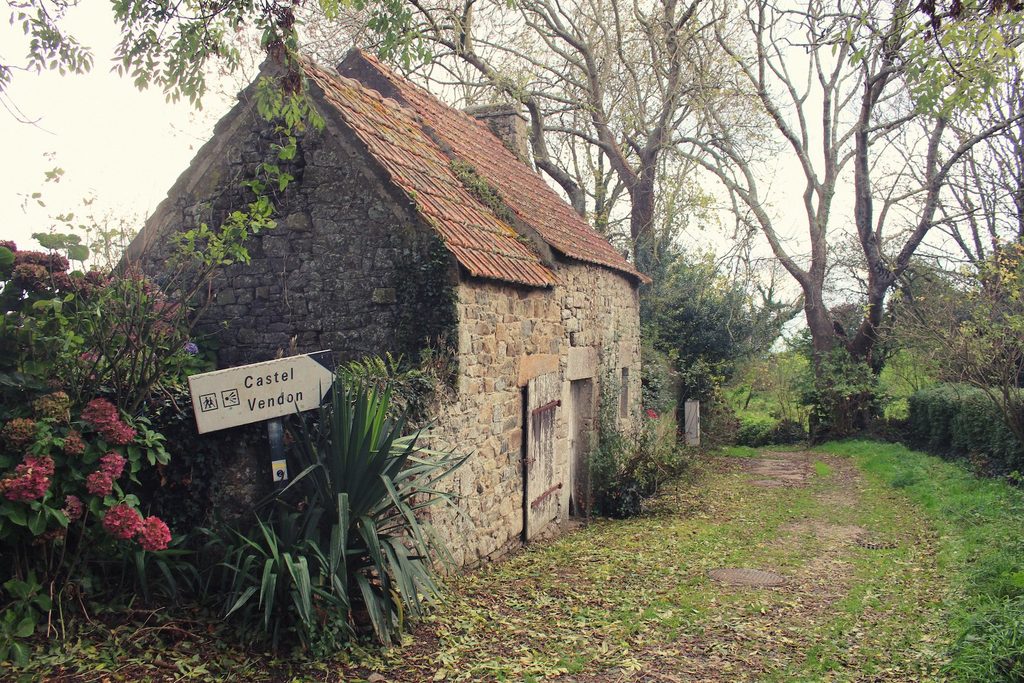
Gui and I had just been talking about how we hadn’t had the heart to tell him that most people just got all their travel information from the internet these days.
But turns out, the joke was on us. If this chance encounter had never taken place, we’d never have found out about the two sights he’d mentioned. And they turned out to be two of the loveliest, dreamiest places I’ve ever laid my eyes on in France.
Thanks to him, we ended up exploring the tiny municipality of La Hague in the Manche department of Normandy and uncovered other hidden gems that I’m excited to share with you now.
I sometimes think about this old man and wonder how he’s doing. If any of you are ever in Cherbourg and you encounter a chatty old man with extremely thick, white hair and eyebrows, please explain how you know him and thank him on our behalf.
Table of Contents (click to view)
- How to visit La Hague, France
- Where to stay in La Hague, Cotentin Peninsula, France
- 20 things to do in La Hague, France
- 1. Nez de Jobourg (Nose of Jobourg)
- 2. Port Racine (Racine Port)
- 3. Phare de Goury (Goury Lighthouse) / Phare de la Hague (La Hague Lighthouse)
- 4. Port de Goury (Goury Port)
- 5. Pointe des Grouins (Point of the Snouts)
- 6. Baie d’Écalgrain (Écalgrain Bay)
- 7. Dunes de Biville (Biville Dunes)
- 8. Jardin Botanique de Vauville (Botanical Garden of Vauville)
- 9. Maison Jacques Prévert (Jacques Prévert House)
- 10. Le Tourp, maison de la Hague (Le Tourp, House of La Hague)
- 11. Maison Natale Jean-François Millet (Birthplace of Jean-François Millet)
- 12. Hameau de Gruchy (Gruchy Hamlet)
- 13. Le Castel Vendon
- 14. Landemer
- 15. Château de Nacqueville (Nacqueville Castle)
- 16. Plage d’Urville-Nacqueville (Urville-Nacqueville Beach)
- 17. Baie de Quervière (Quervière Bay)
- 18. Planétarium Ludiver (Ludiver Planetarium)
- 19. Manoir de Dur-Écu (Dur-Écu Manor)
- 20. Anse des Moulinets (Cove of the Little Windmills)
- What to do near La Hague
How to visit La Hague, France
La Hague is a commune on the Cotentin Peninsula about a 20-minute drive from Cherbourg.
Technically, you can get to La Hague by taking Bus A from the Cherbourg-Gare bus stop to the Beaumont-Hague bus stop. The ride should take about 42 minutes.
If you wish to comfortably explore all the sights on this list of things to do in La Hague, I would recommend renting a bicycle or a car. Most of La Hague’s attractions are along the coast, while others are in various hamlets or villages that are not well served by public transport.
That said, you can also choose to stay in La Hague and pick one or two key sights to visit per day, spending the rest of your time enjoying the beach and long walks along the coast.
You can also visit parts of La Hague via public transport from Cherbourg. For instance, a one-way trip from Cherbourg to the Nez de Jobourg (Nose of Jobourg) or Le Castel Vendon should take about an hour and a half by bus.
Where to stay in La Hague, Cotentin Peninsula, France
- Historic manor with sea views – Auberge des Gobelins is a hotel-restaurant located on the grounds of the historic manor Le Tourpe, maison de la Hague (The Tourpe, House of La Hague) and enjoys views of the magnificent Baie de Quervière (Quervière Bay).
- Hotel with beachfront access – La Roche du Marais is a charming hotel located a stone’s throw from the sea and a 25-minute walk from the astonishing Racine Port (Racine Port), the smallest port in France.
20 things to do in La Hague, France
I’ve tried to group the most important sights in La Hague at the top of the list, as well as cluster nearby sights together. I’d recommend that you pin the sights that interest you on Google Maps and then create an itinerary based on what is doable for you and your mode of transport.
1. Nez de Jobourg (Nose of Jobourg)
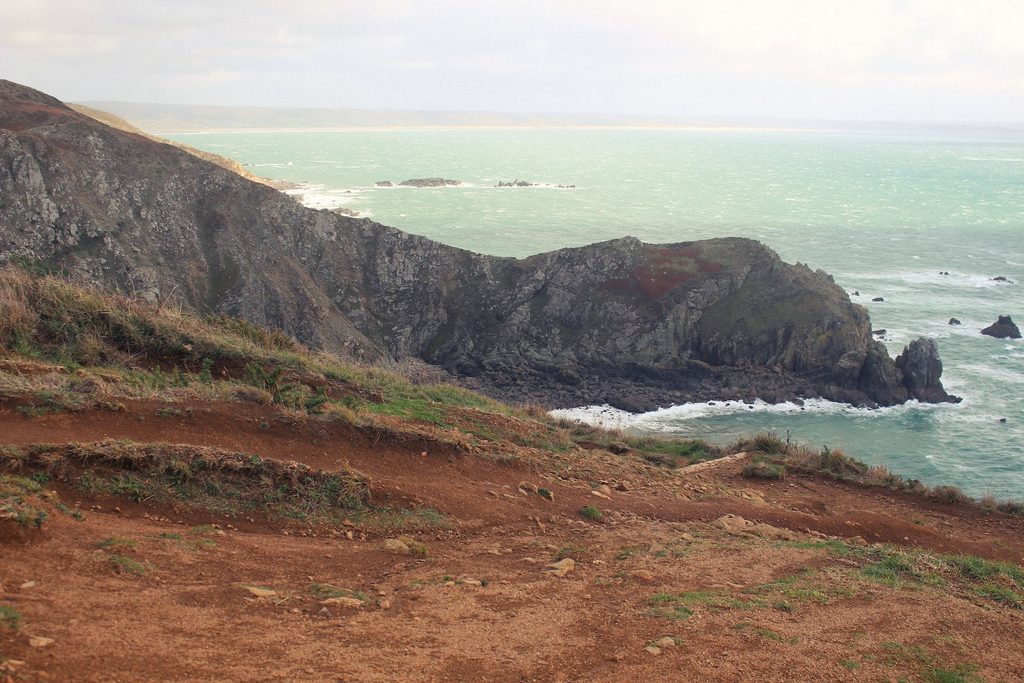
The Nez de Jobourg (Nose of Jobourg) is a rocky promontory that sticks out into the sea like a prominent nose, in what is one of the Cotentin Peninsula’s oldest geological zones.
This area is truly beautiful, so take the time to walk along the oceanside path, known as the sentier des douaniers (customs officers’ path), for panoramic views of the coast and admire the “nose” from various angles and distances.
The cliffs of the Nez de Jobourg (Nose of Jobourg) have also been designated a bird reserve and are a great place to observe species such as great cormorants and fulmars. There are also a few caves at the foot of the cliffs.
2. Port Racine (Racine Port)
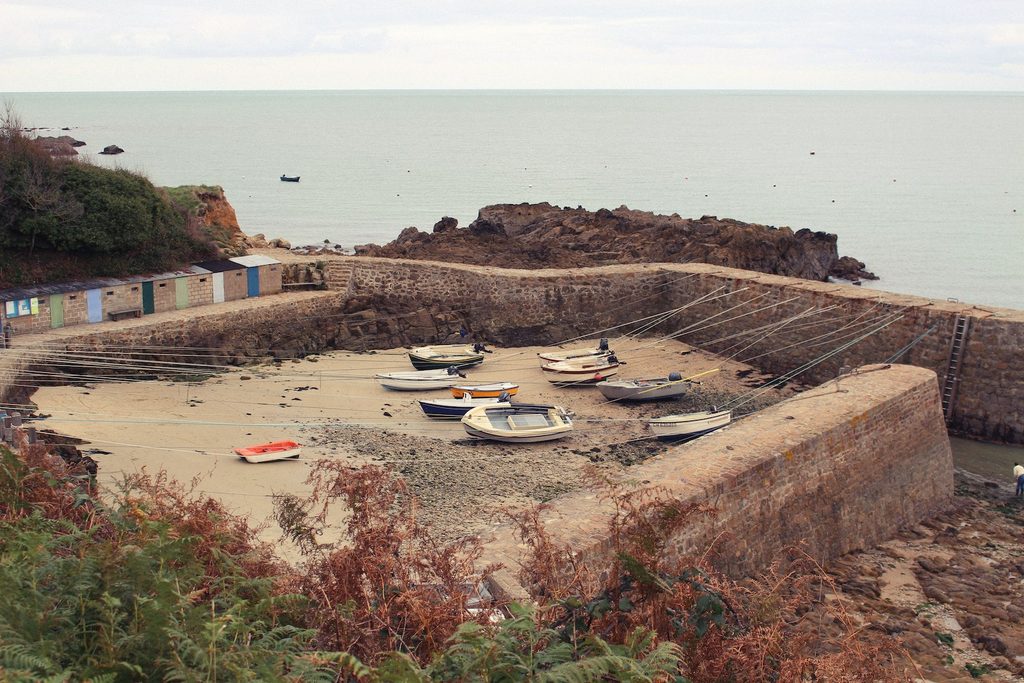
Port Racine (Racine Port) is the tiniest harbour in France. I think it looks so cute! The little fishing port seems to come from another era, with its rustic stone jetties forming an enclosure of just 800 sqm and only 27 moorings.
The first jetty was constructed at the beginning of the 19th century by corsair François-Médare Racine, who also gave the port its name. It was later replaced in 1870, and a second jetty was built in 1886.
3. Phare de Goury (Goury Lighthouse) / Phare de la Hague (La Hague Lighthouse)
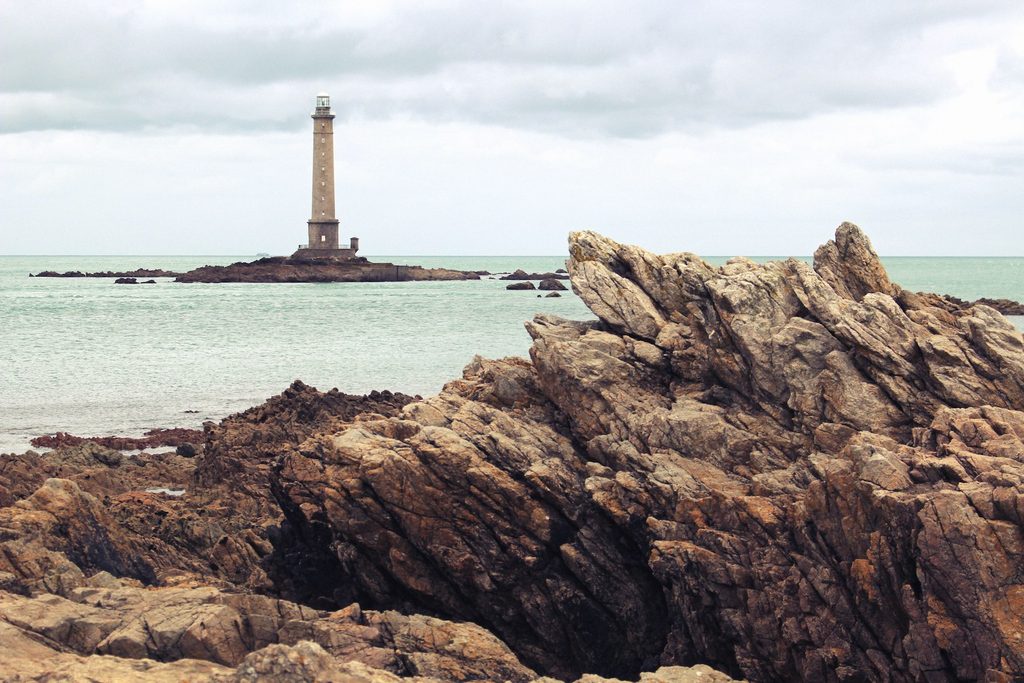
Look out at sea at the Pointe de la Hague (La Hague Point) and you’ll see the Phare de Goury (Goury Lighthouse), also known as the Phare de la Hague (La Hague Lighthouse).
It is one of the top sights in La Hague thanks to its dramatic setting some distance from the shore, framed by cliffs and crashing waves. It is perched on a rock in the sea known as le Gros du Raz (The Great Rock of the Raz), and was built in the 19th century as an antidote to the many shipwrecks taking place further out at sea.
4. Port de Goury (Goury Port)
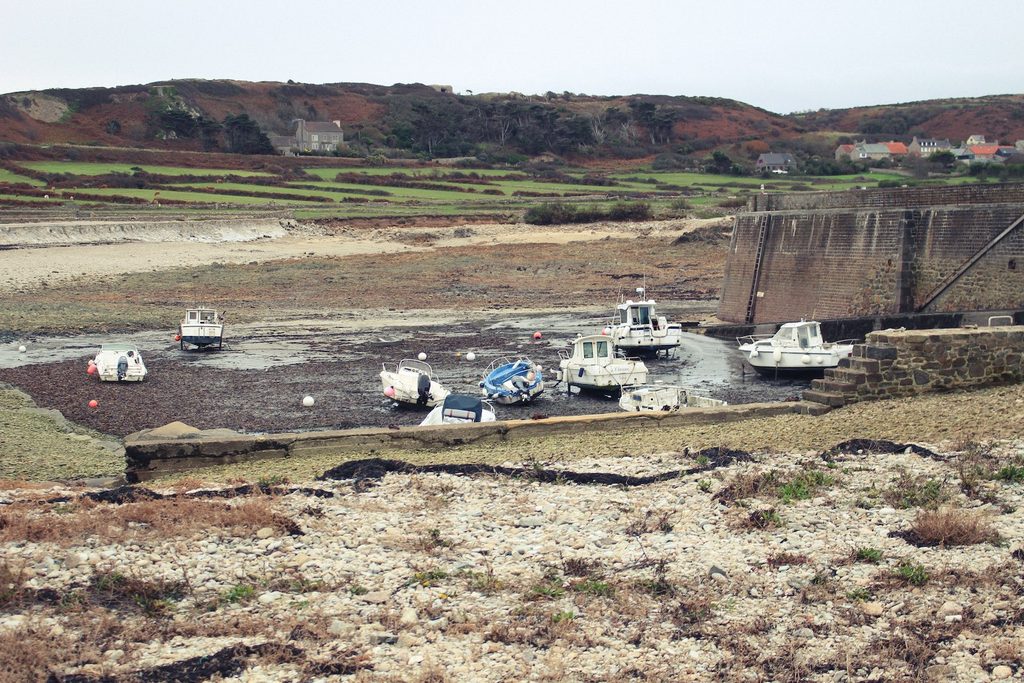
If you’ve made it all the way out to the Pointe de la Hague (La Hague Point) to see the Phare de Goury (Goury Lighthouse), it’s worth making a small detour to visit the Port de Goury (Goury Port) as well.
This fishing port is a drying harbour, which means the water level drops at low tide and the boats may touch the harbour bed. It’s a rustic example of a traditional harbour in Normandy, and also has a lifeboat station for rescue activities.
5. Pointe des Grouins (Point of the Snouts)
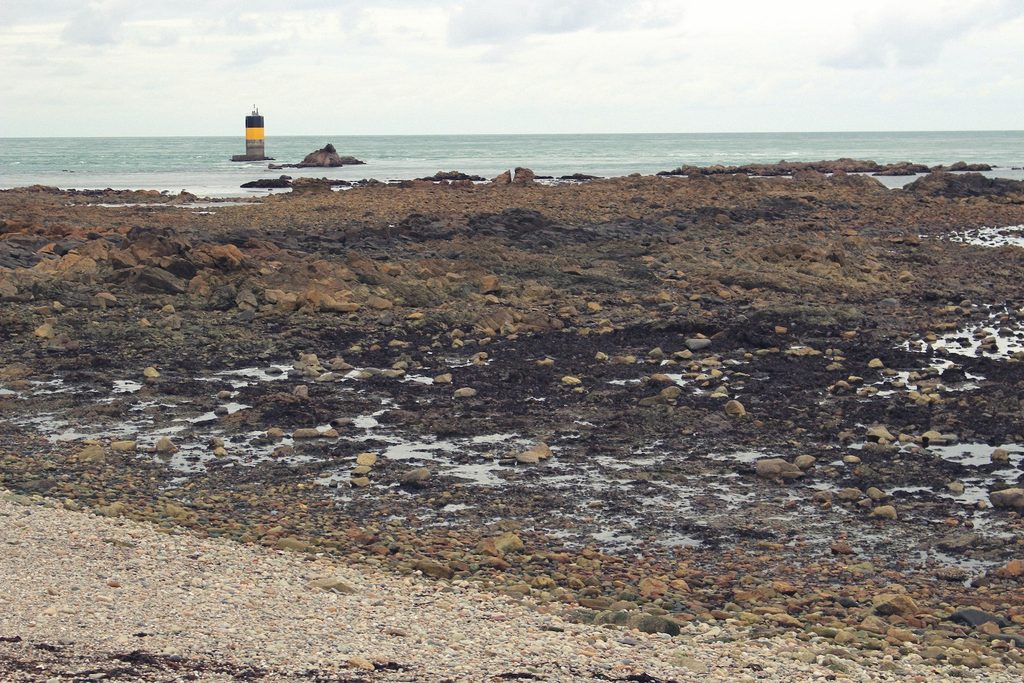
If you venture out to where you can see the Phare de Goury (Goury Lighthouse), you can also visit the nearby Pointe des Grouins (Point of the Snouts), a headland that is part of the Cap de la Hague (Cape of La Hague). The coastal scenery here is magnificent thanks to the dramatic cliffs.
6. Baie d’Écalgrain (Écalgrain Bay)
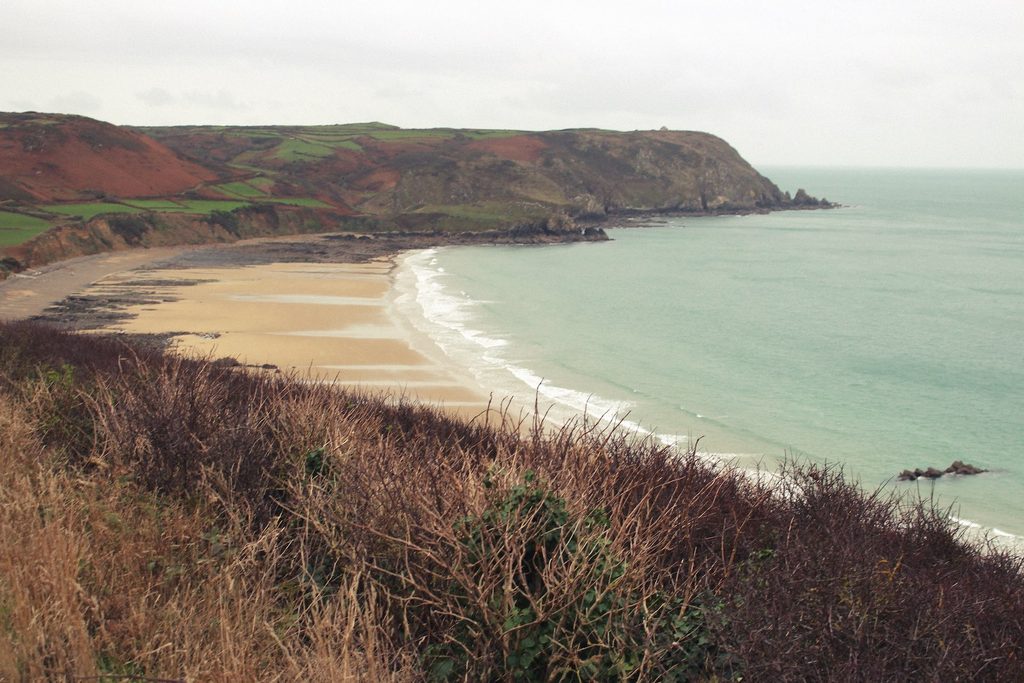
There are many beautiful coastal areas in La Hague, but the Baie d’Écalgrain (Écalgrain Bay) is one of the most celebrated thanks to how unspoilt it is. The pebble-and-sand beach is framed by cliffs that appear multi-coloured thanks to a mixture of vegetation and striated rock.
7. Dunes de Biville (Biville Dunes)
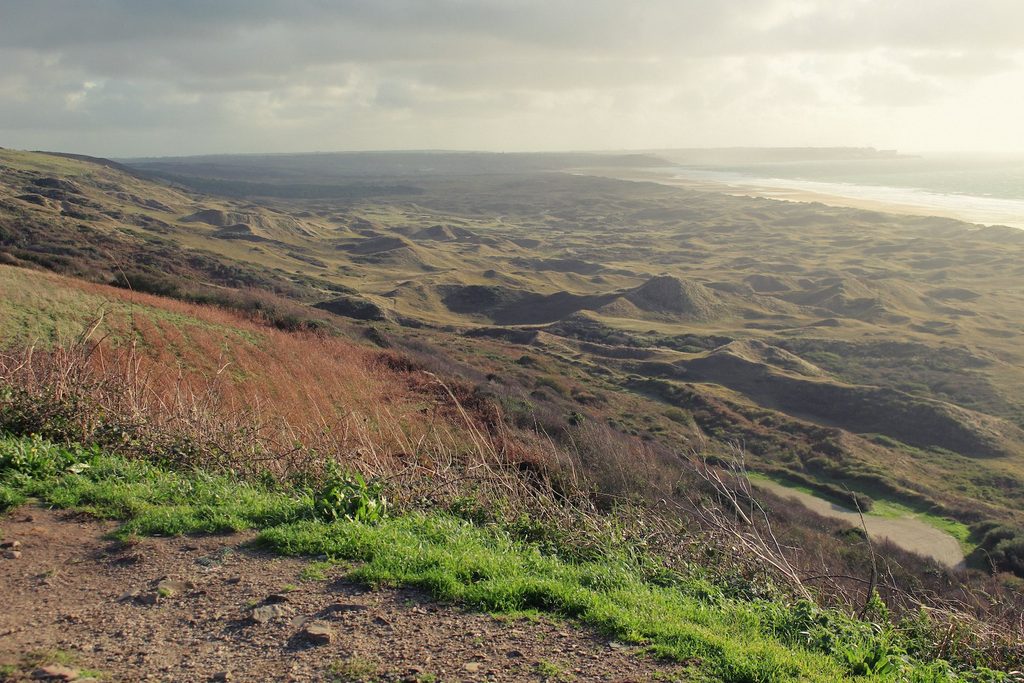
Imagine a lunar landscape punctuated with craters, stretching as far as the eye can see. That’s the feeling the Dunes de Biville (Biville Dunes) gives me. This huge sand dune landscape measures about 8 km long. The undulating terrain was formed thousands of years ago by the movement of the sand caused by the sea and the wind.
You can view them from above to get an idea of their sheer scale and also explore them at ground level. The dunes overlook the Anse de Vauville (Bay of Vauville), a gorgeous natural bay with a long sandy beach.
8. Jardin Botanique de Vauville (Botanical Garden of Vauville)
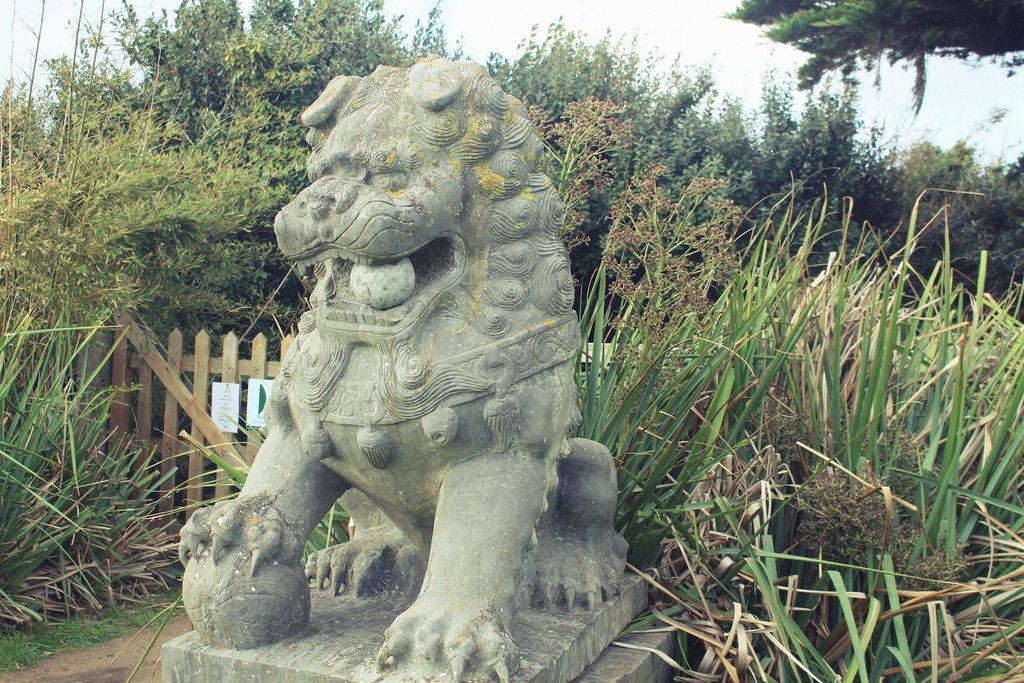
This private botanical garden has an astonishing collection of 1,200 plants from the Southern Hemisphere, all growing in the gardens of the Château de Vauville (Vauville Castle), whose donjon is believed to date back to the 12th century. It is only open during the warmer months and an entry ticket is required, so I recommend that you check opening hours ahead of time.
9. Maison Jacques Prévert (Jacques Prévert House)
Jacques Prévert was one of the most celebrated 20th-century French poets. In the English-speaking world, he is best known as a screenwriter for films like Les Enfants du Paradis (Children of Paradise) and Le Roi et l’Oiseau (The King and the Mockingbird).
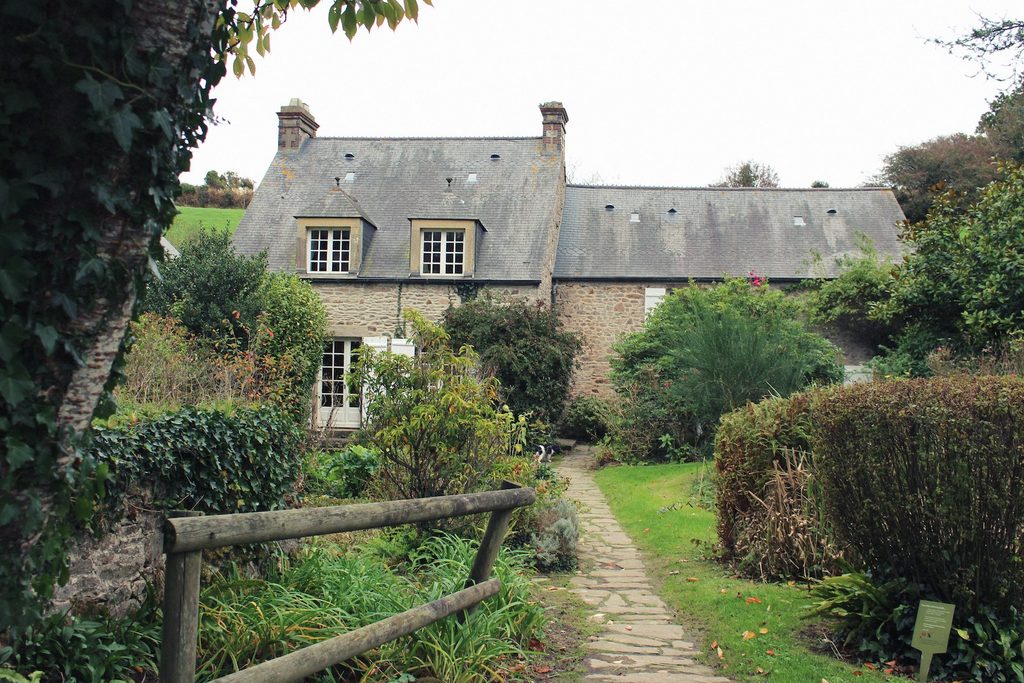
La Maison Jacques Prévert (Jacques Prévert House) is the last home in which he lived from 1971 until his death in 1977. Located in a tiny hamlet in Omonville-la-Petite, the house now contains a museum dedicated to his life and work, including objects used in his films. Prévert reportedly liked remote areas, and the location of the house really does feel cut off from the rest of the world.
10. Le Tourp, maison de la Hague (Le Tourp, House of La Hague)
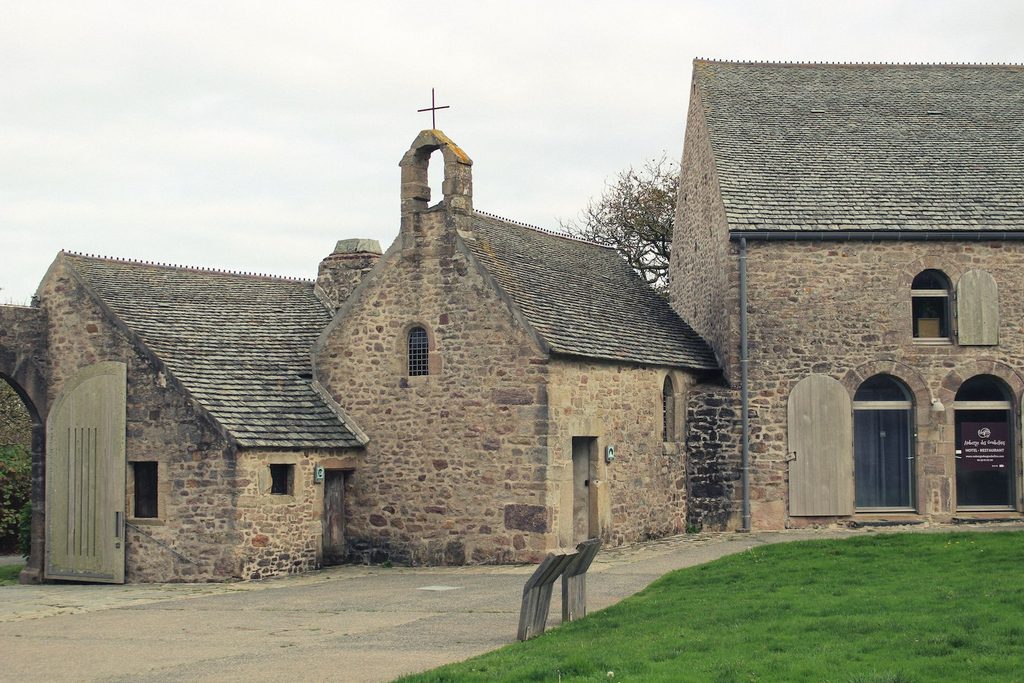
This historic manor and farm, dating back to the 16th century, is now a community space that gives visitors an idea of what rural life in La Hague was like thanks to the well-preserved historic buildings. Today, the complex houses a multimedia library, a hotel-restaurant, a boutique, exhibitions and events.
11. Maison Natale Jean-François Millet (Birthplace of Jean-François Millet)
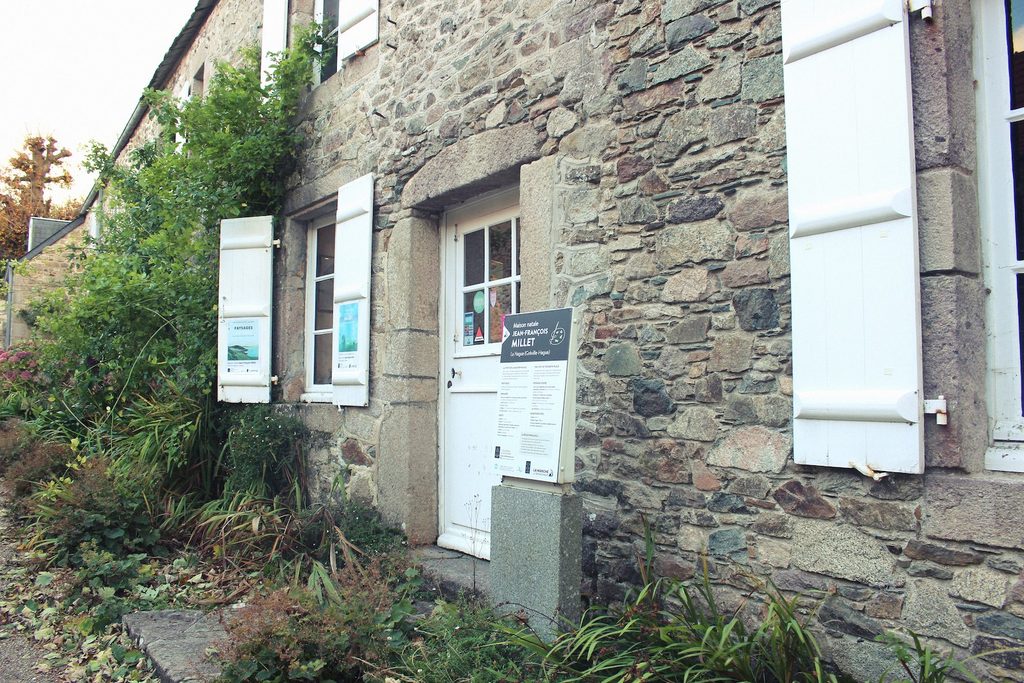
Jean-François Millet is a French artist known for his portrayal of rural life. He was born in the Hameau de Gruchy (Gruchy Hamlet) in modern-day La Hague. The house in which he was born is now a museum dedicated to his life and work, as well as the rural scenes that inspired so much of his art.
Visiting the museum is well worth the effort as it also gives you the chance to explore the Hameau de Gruchy (Gruchy Hamlet) and see first-hand some of the scenes that Millet painted, including the breathtaking Le Castel Vendon (The Rock of Castel).
12. Hameau de Gruchy (Gruchy Hamlet)
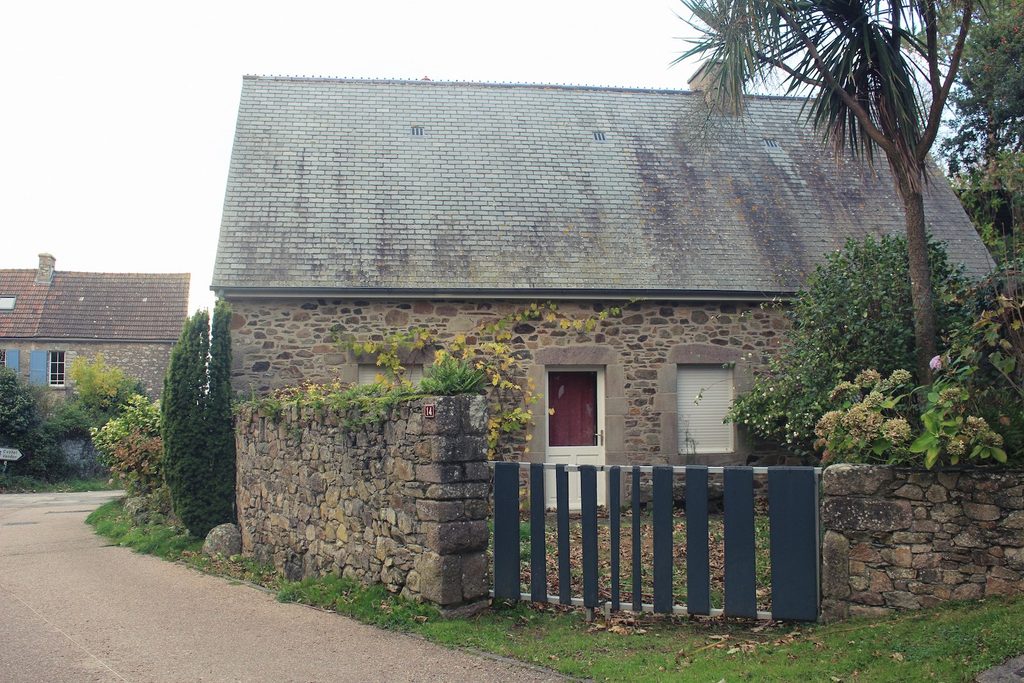
The tiny Hameau de Gruchy (Gruchy Hamlet) is best known as the birthplace of artist Jean-François Millet and is home to the Maison Natale Jean-François Millet (Birthplace of Jean-François Millet).
But the hamlet itself is well worth a visit. It is home to many of the scenes that Millet painted, signposted for easy identification. It also still seems to be stuck in the 19th century as its traditional stone buildings have been very well preserved. From the hamlet, you can also admire nearby coastal scenery and Le Castel Vendon.
13. Le Castel Vendon
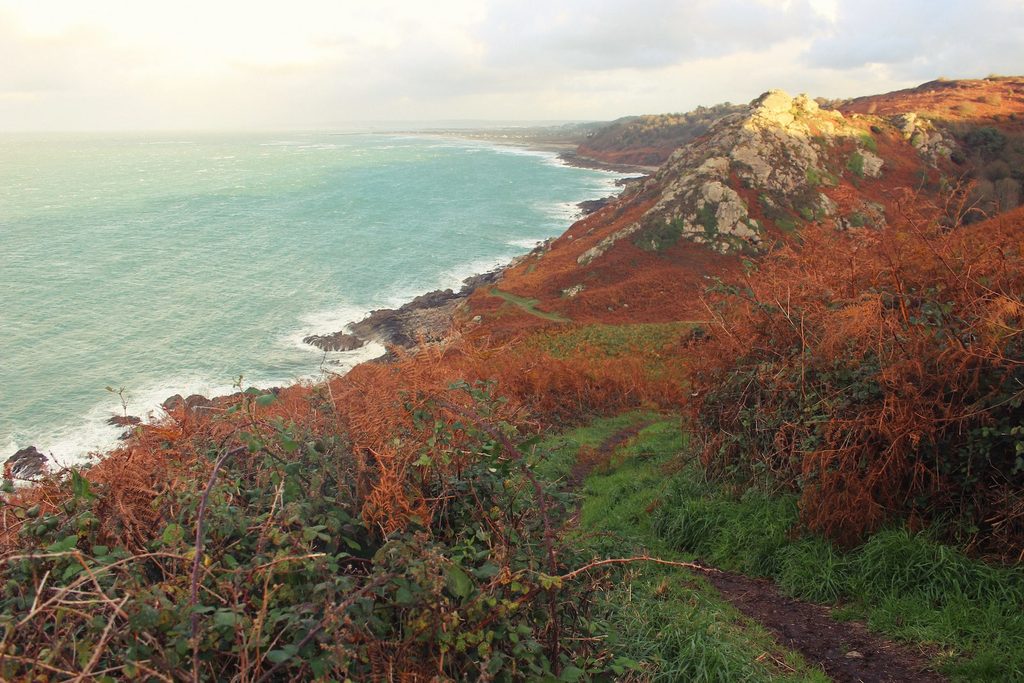
Le Castel Vendon is an incredibly beautiful rocky promontory along the coast. It’s totally worth the effort to visit if you are in the Hameau de Gruchy (Gruchy Hamlet).
To find it, walk all the way to the end of the road in front of the Maison Natale Jean-François Millet (Birthplace of Jean-François Millet), with the house on your left. At the end of the road, you’ll see signs pointing to the Castel Vendon. The path will take you along the coast. Continue along the coast and you’ll see the promontory. It was the subject of Jean-François Millet’s painting Le Rocher du Castel (The Rock of the Castel).
14. Landemer
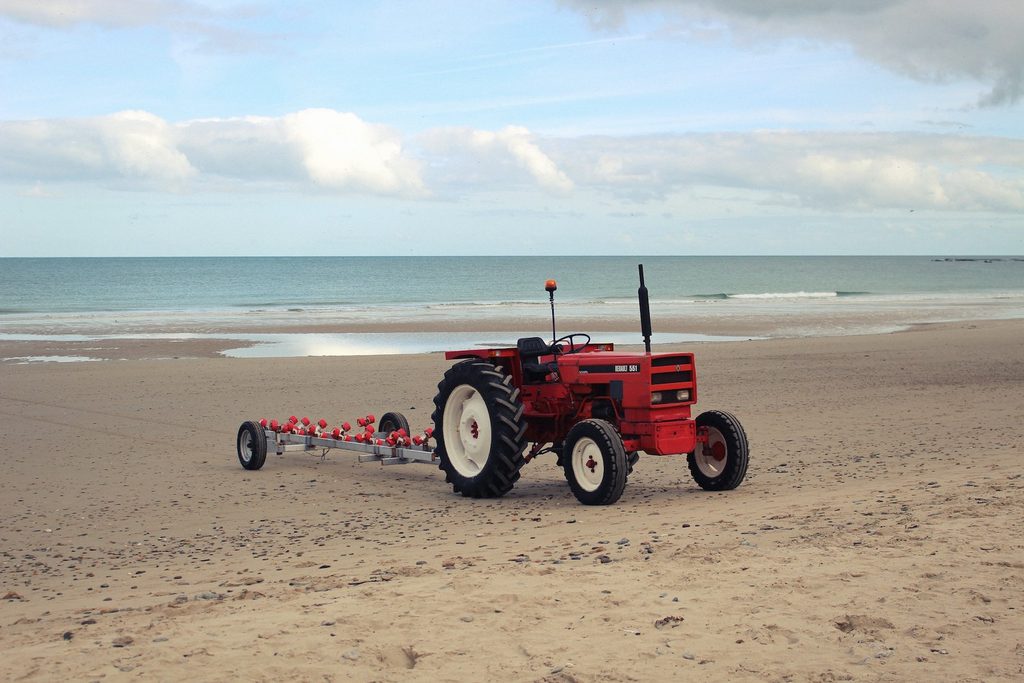
Landemer is a hamlet along the coast next to Hameau de Gruchy (Gruchy Hamlet). Take a walk along the coast and gaze out over the English Channel. Landemer was a popular destination for seaside holidays in the late 19th and early 20th centuries, which explains the Belle Époque architecture in the area.
15. Château de Nacqueville (Nacqueville Castle)
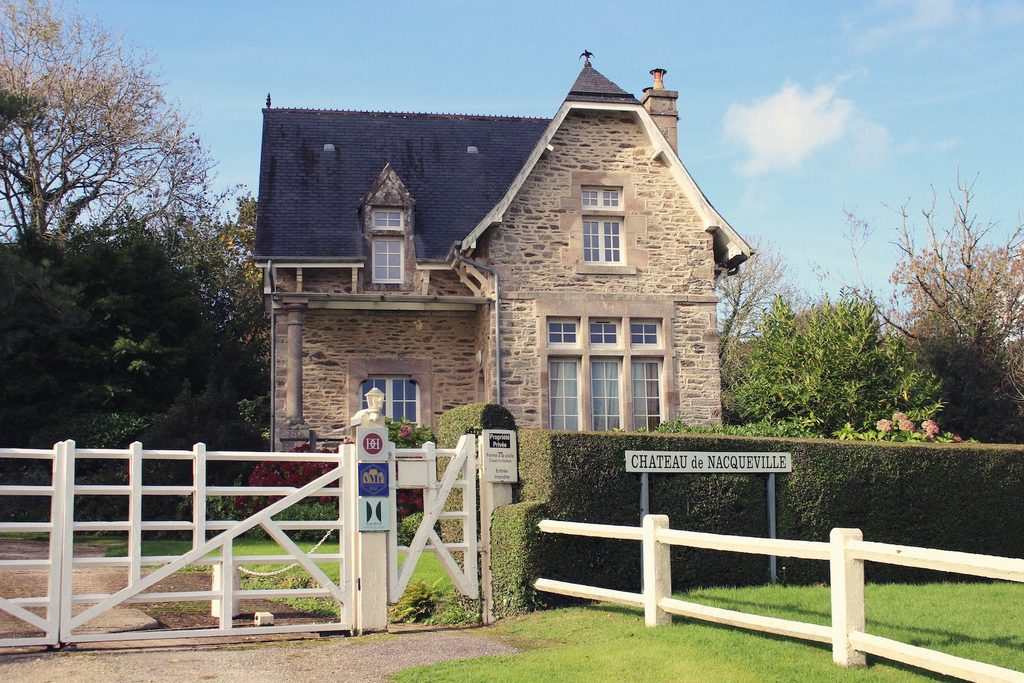
The Château de Nacqueville (Nacqueville Castle) was built from 1510 onwards, and it is also home to a park created by an English landscape gardener in 1830. The property is open to visitors for a fee on certain days of the year, but you should check ahead of time to avoid disappointment.
16. Plage d’Urville-Nacqueville (Urville-Nacqueville Beach)
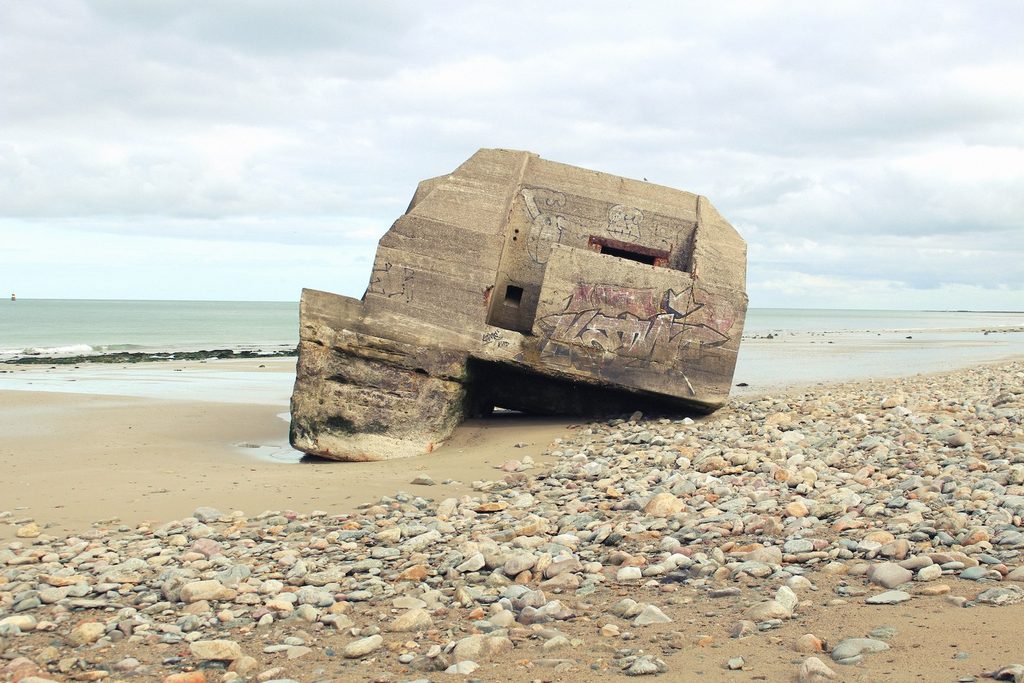
If you’re looking for a seaside resort experience, the beautiful Plage d’Urville-Nacqueville (Urville-Nacqueville Beach) is a good choice. There are also two bunkers from World War II that were removed from their original positions and are now on the beach.
17. Baie de Quervière (Quervière Bay)
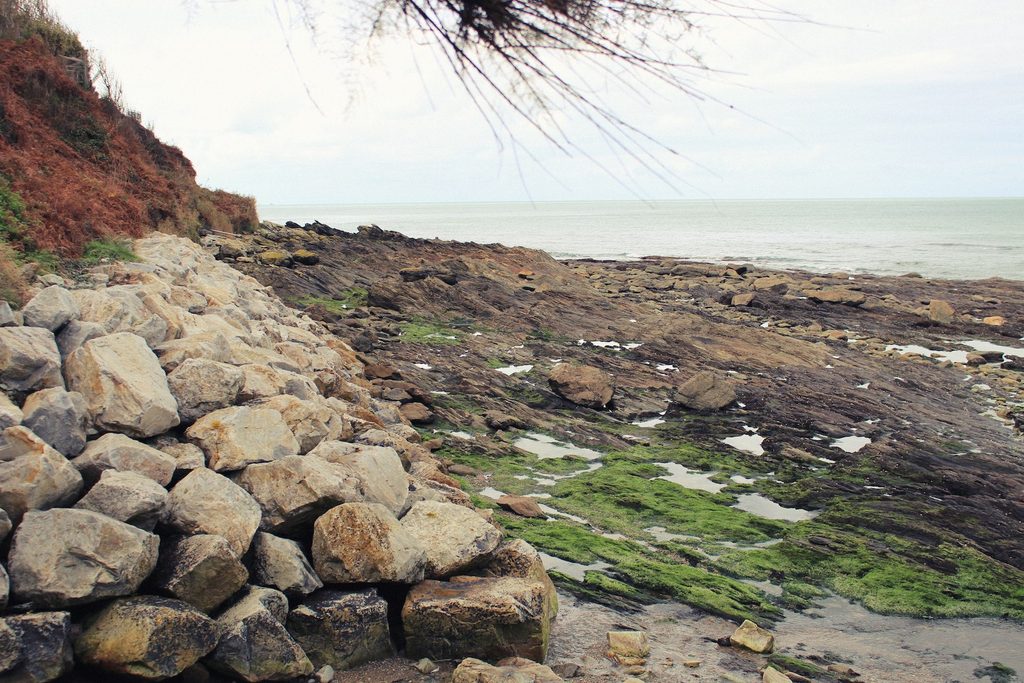
This secluded bay on the north coast is lovely to explore if you’re looking for a wilder, more natural zone to explore. The nearest village, Omonville-la-Rougue, is a charming spot to discover local life and is also home to Le Tourpe, maison de la Hague (The Tourpe, House of La Hague), which has its own hotel-restaurant.
18. Planétarium Ludiver (Ludiver Planetarium)
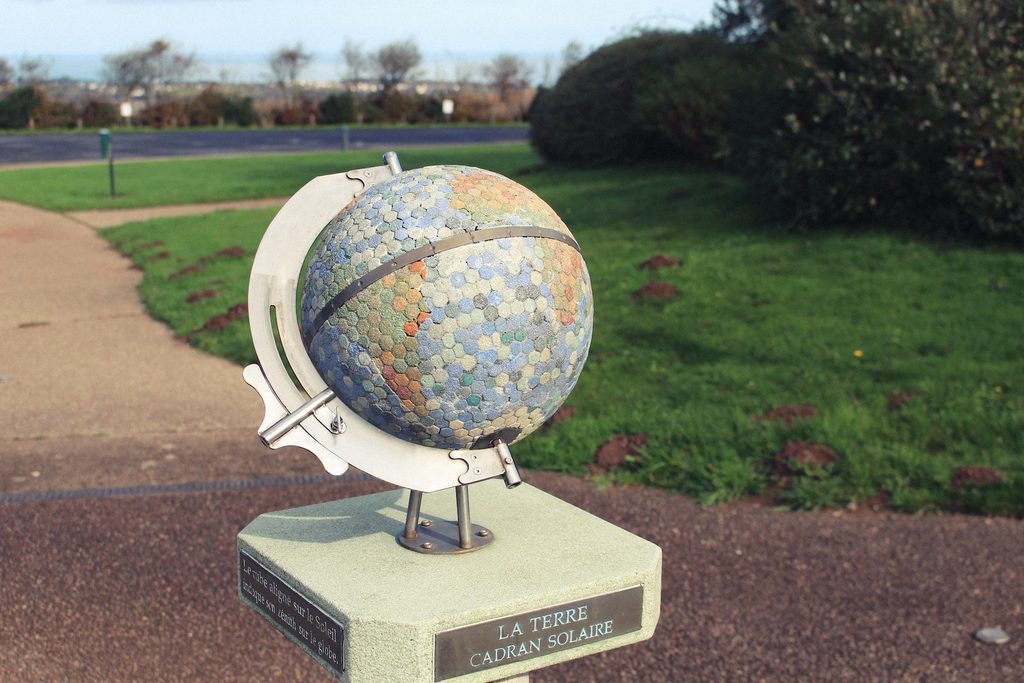
This planetarium not only has a dome recreating the night sky and a museum dedicated to astronomy, but also an outdoor area with sea views that is also home to a Promenade Céleste (Celestial Promenade) and is free to visit.
19. Manoir de Dur-Écu (Dur-Écu Manor)
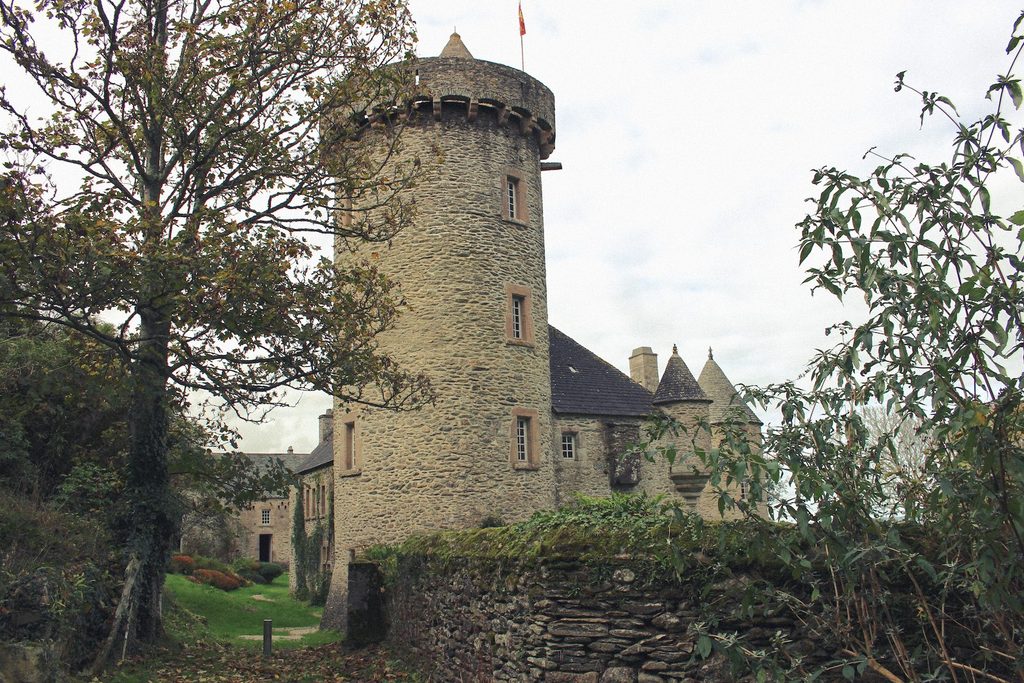
This historic manor was built in the 16th century in a style that is typical of La Hague. It was damaged in World War II and then restored by successive generations of owners. It is an impressive sight thanks to its tower and fortifications. The manor is open to visitors in summer in exchange for a donation of your choice. You can check its opening hours online.
20. Anse des Moulinets (Cove of the Little Windmills)
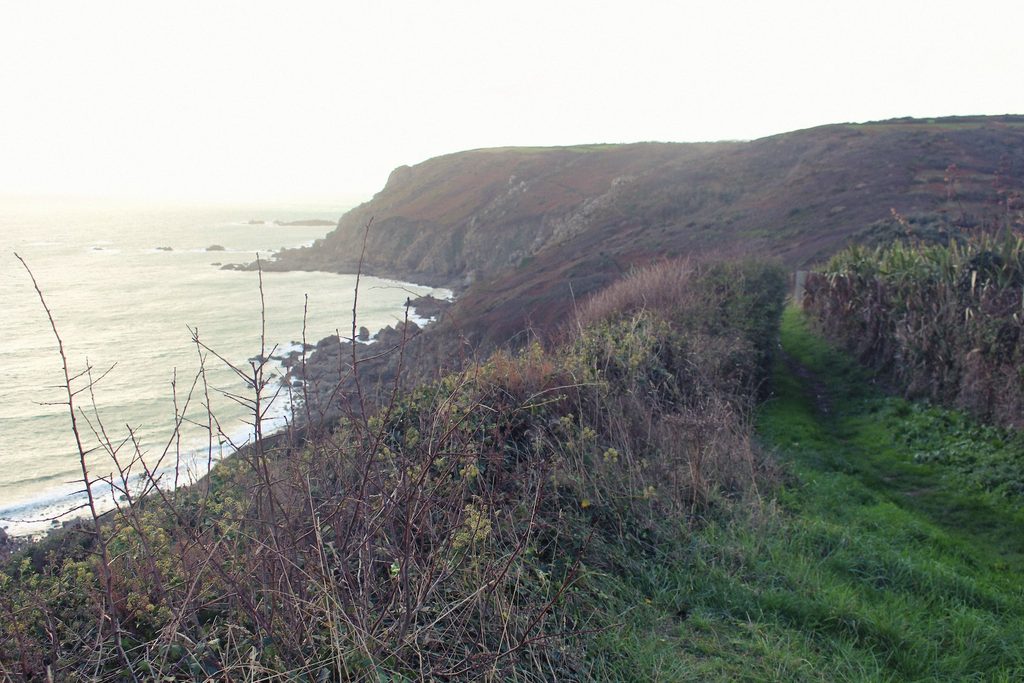
This little cove is relatively secluded and is worth a visit if you’re looking for an untouched place to enjoy dramatic coastal scenery. While not a major beach destination, it is a good spot for hiking. You can even hike all the way to the Nez de Jobourg (Nose of Jobourg) in an hour or two.
What to do near La Hague
- Cherbourg is just a 20-minute drive or a 50-minute bus ride away from La Hague.
- Picturesque villages Barfleur and Saint-Vaast-la-Hougue are located about an hour’s drive from La Hague.
- You can visit Bayeux and the D-Day landing beaches such as Utah Beach and Omaha Beach in about an hour by car.
- Coutances, Avranches, Caen, Granville and Mont Saint-Michel are accessible in under two hours by car.
- Le Havre, Honfleur and Rouen can be accessed from La Hague in under three hours by car.

Comments are closed.