
Visiting Le Havre in Normandy, I felt like I was in an alien land reconstructed in Minecraft. The block-like architecture, uniform colour scheme and maddeningly straight roads, intersecting only at right angles, made my head spin. Was this really a UNESCO World Heritage site?!
Let’s face it, France is not really known for its modern architecture. But that’s what makes Le Havre so unique. This port city in the department of Seine-Maritime in Normandy was destroyed during World War II, and completely rebuilt in record time between 1945 and 1964. How did they do it so fast? They used a plan devised by Auguste Perret, designed to be fast and efficient to execute.
As a result, Le Havre looks strangely uniform everywhere. It’s not the cosiest setting, but it is definitely interesting to witness. The reconstructed city is now a UNESCO World Heritage site for its approach to urban planning and construction technology.
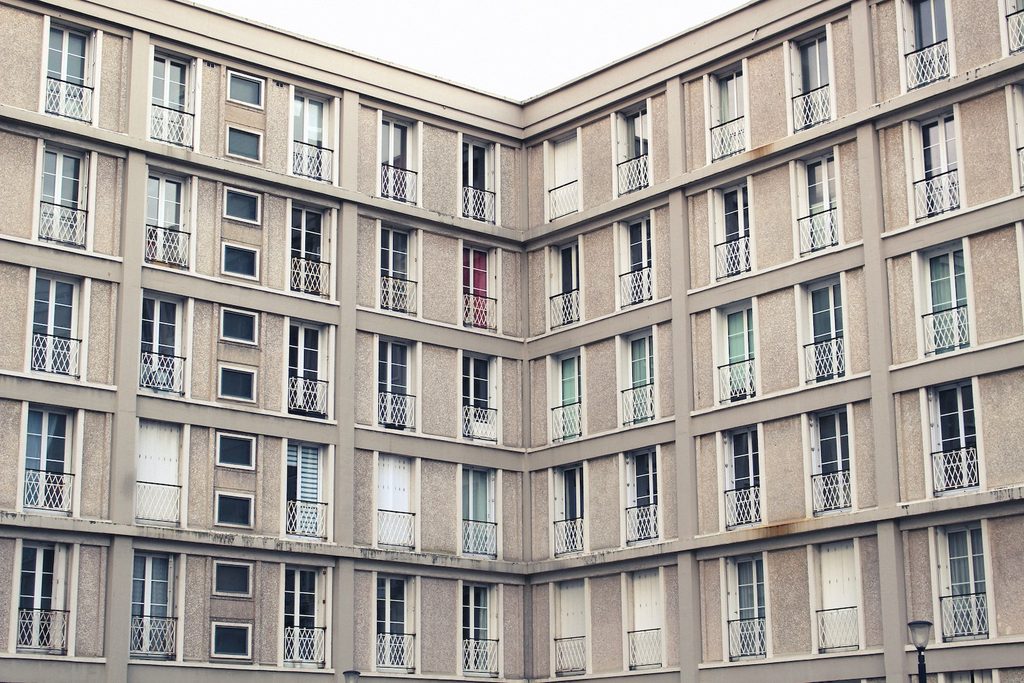
So, what is there to do in Le Havre, and is Le Havre worth visiting? In all honesty, if you’re a first-time visitor to France and only have the time to visit one city, don’t go out of your way to travel to Le Havre.
However, if you’ve already visited other places in France and are looking for a counterpoint to historic cities and gothic churches, this city in the department of Seine-Maritime offers a fascinating contrast.
While Le Havre is the second-largest city in the historic region of Haute-Normandie, usually known for its cliffs and medieval towns, it offers a different and much more modern experience compared to the other destinations in the area, such as Rouen and Étretat.
Table of Contents (click to view)
- Is Le Havre worth visiting?
- Where to stay in Le Havre
- 26 interesting things to see in Le Havre
- 1. Église Saint-Joseph du Havre (Saint Joseph Church of Le Havre)
- 2. Le Volcan (The Volcano)
- 3. Maison du Patrimoine – Atelier Perret (Heritage House – Perret Workshop)
- 4. Appartement témoin Perret (Perret Show Apartment)
- 5. Catène de Containers (Chain of Containers)
- 6. Cathédrale Notre-Dame du Havre (Le Havre Cathedral)
- 7. Plage du Havre (Le Havre Beach)
- 8. Skatepark du Havre (Le Havre Skate Park)
- 9. Port de plaisance du Havre (Le Havre Marina)
- 10. Jusqu’au bout du monde (To the Ends of the Earth)
- 11. Hôtel de Ville du Havre (Le Havre Town Hall)
- 12. Narrow House
- 13. Les Jardins Suspendus (The Hanging Gardens)
- 14. Musée d’Art Moderne André Malraux (André Malraux Museum of Modern Art)
- 15. Le Tetris (The Tetris)
- 16. Avenue Foch (Foch Avenue)
- 17. Muséum d’histoire naturelle (Museum of Natural History)
- 18. Rue de Paris (Paris Road)
- 19. Docks Vauban (Vauban Docks)
- 20. Maison de l’armateur (Shipowner’s House)
- 21. Le Marché aux poissons (The Fish Market)
- 22. Le Havre Port Center
- 23. Square Saint-Roch (Saint Roch Square)
- 24. Les Halles Centrales du Havre (Central Market of Le Havre)
- 25. Circuit des escaliers (Circuit of Stairways)
- 26. Musée Hôtel Dubocage de Bléville (Dubocage de Bléville Hotel Museum) – Closed until Dec 2027
- Day trips from Le Havre
Is Le Havre worth visiting?
- UNESCO-listed city – Le Havre might not have a historic city centre, since it was destroyed in World War II. But the postwar port city, rebuilt rapidly with Auguste Perret at the helm, is intriguing and unsettling at the same time.
- Fascinating modern architecture – Some of Le Havre’s landmarks, such as Église Saint-Joseph du Havre (Saint Joseph Church of Le Havre) and Le Volcan (The Volcano), are truly innovative feats of modern architecture.
- Beaches accessible from the city centre – While Le Havre isn’t a seaside resort town, the city centre enjoys easy access to the beach and is quite festive in summer.
Where to stay in Le Havre
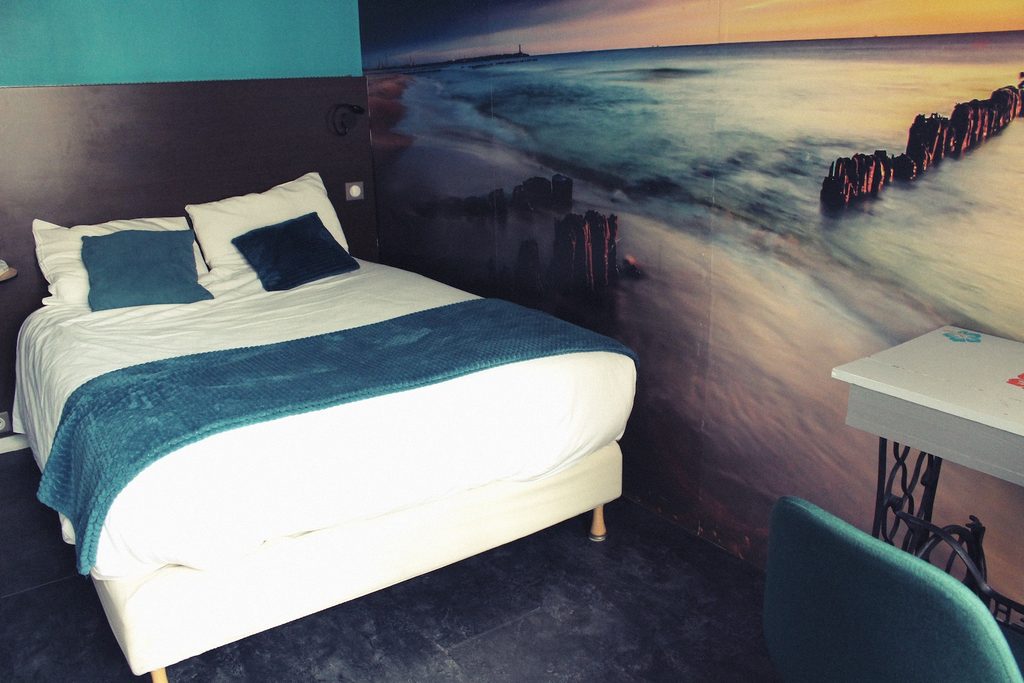
- Budget hotel offering great value – I stayed at The Originals Boutique, Hôtel d’Angleterre in Le Havre and it was comfortable, affordable and centrally located. The room was cosy and clean, and I enjoyed the modern yet friendly atmosphere.
- Hotel near Le Havre train station – Nomad Hotel le Havre is located a few metres from the train station and also has great ratings.
- Hotel near the beach with great views – If you want to be near the beach or enjoy breathtaking views from your room, the four-star Hilton Garden Inn Le Havre Centre is located right by the sea.
- Luxury spa experience – The four-star Hôtel Spa le Pasino has an indoor pool and a spa with sauna, and some rooms enjoy waterfront views.
26 interesting things to see in Le Havre
As always on this site, I’ve tried to order this list in terms of importance to the first-time visitor to Le Havre. So, if you’re strapped for time or are wondering what to do in Le Havre for a day before you move on to another destination, just concentrate on the top 10 or 15 sights.
1. Église Saint-Joseph du Havre (Saint Joseph Church of Le Havre)
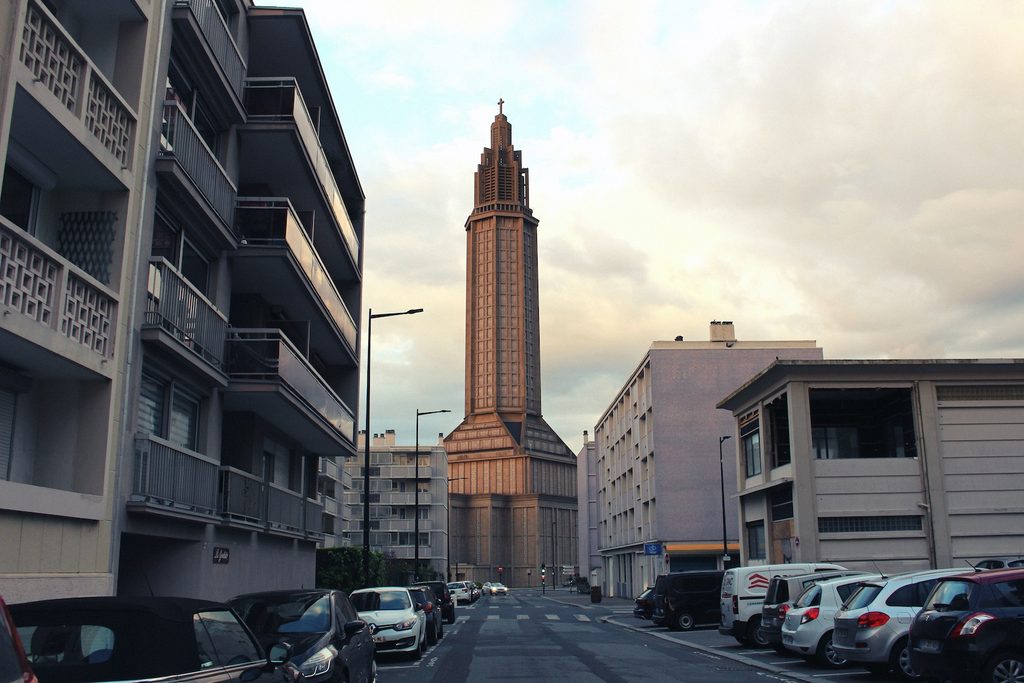
This Catholic church, designed by Auguste Perret himself, would not be out of place in Gotham City. Towering over the city at a height of 107 m, it was built during the postwar reconstruction. Construction began in 1951 and was completed in 1957, after Perret’s death in 1954.
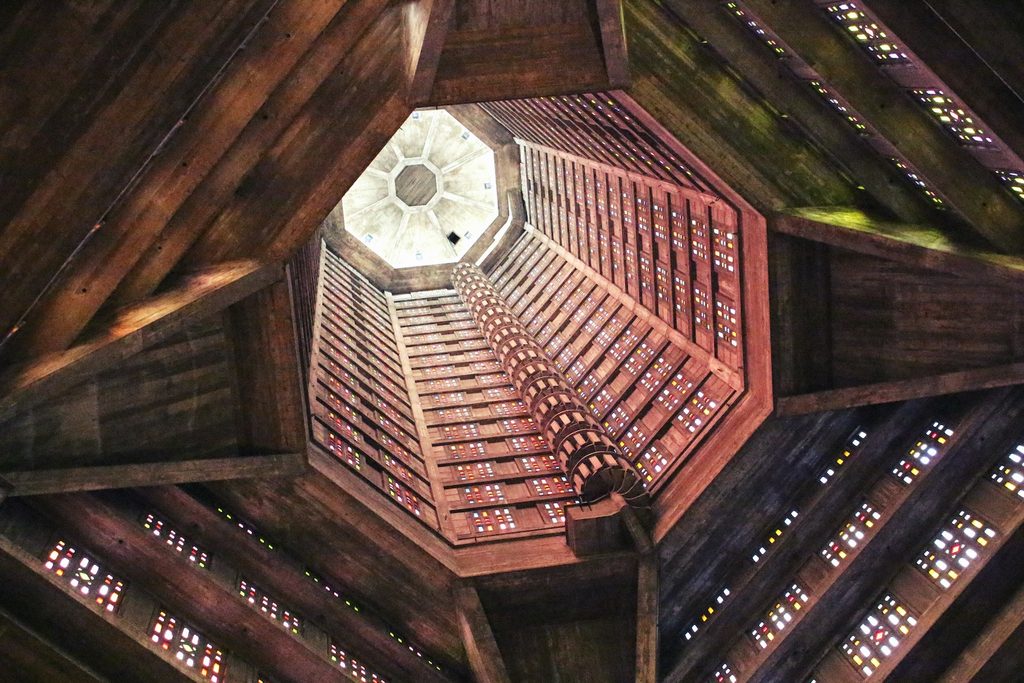
The concrete building incorporates over 12,000 stained-glass panels, arranged in a mesmerising pattern throughout the octagonal tower.
2. Le Volcan (The Volcano)

Le Havre’s performing arts theatre is housed in an evocative building named Le Volcan (The Volcano), designed by Brazilian architect Oscar Niemeyer and built between 1978 and 1982. The curves and asymmetry of the building contrast sharply with Perret’s geometric architectural and urban-planning style.
The complex consists of two buildings—the Grand Volcan (Big Volcano), where the main theatre of the Scène nationale du Havre (National Theatre of Le Havre) is housed, and the Petit Volcan (Little Volcano), home to the Bibliothèque Oscar Niemeyer (Oscar Niemeyer Library).

The library is open to the public and is a poster child for libraries in France, so it’s worth a visit to experience the unique atmosphere. Despite being made of concrete, it feels inviting thanks to curved, sweeping structures and abundant natural light.
3. Maison du Patrimoine – Atelier Perret (Heritage House – Perret Workshop)
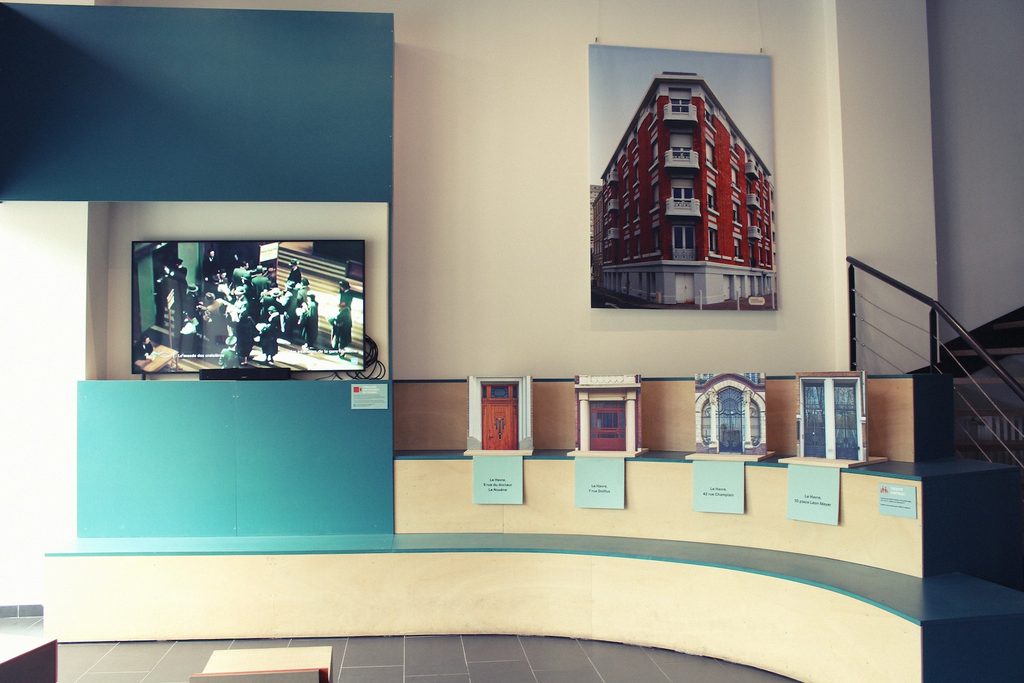
The Maison du Patrimoine (Heritage House) at 181 Rue de Paris is just one example of many buildings designed by Auguste Perret, but, since uniformity is one of the distinguishing features of Le Havre, it looks like all the others.
It houses a centre that is free to visit and contains exhibitions on Le Havre and its architecture. You can also book guided tours at the counter, the most interesting of which is a tour of the Appartement témoin Perret (Perret Show Apartment).
4. Appartement témoin Perret (Perret Show Apartment)
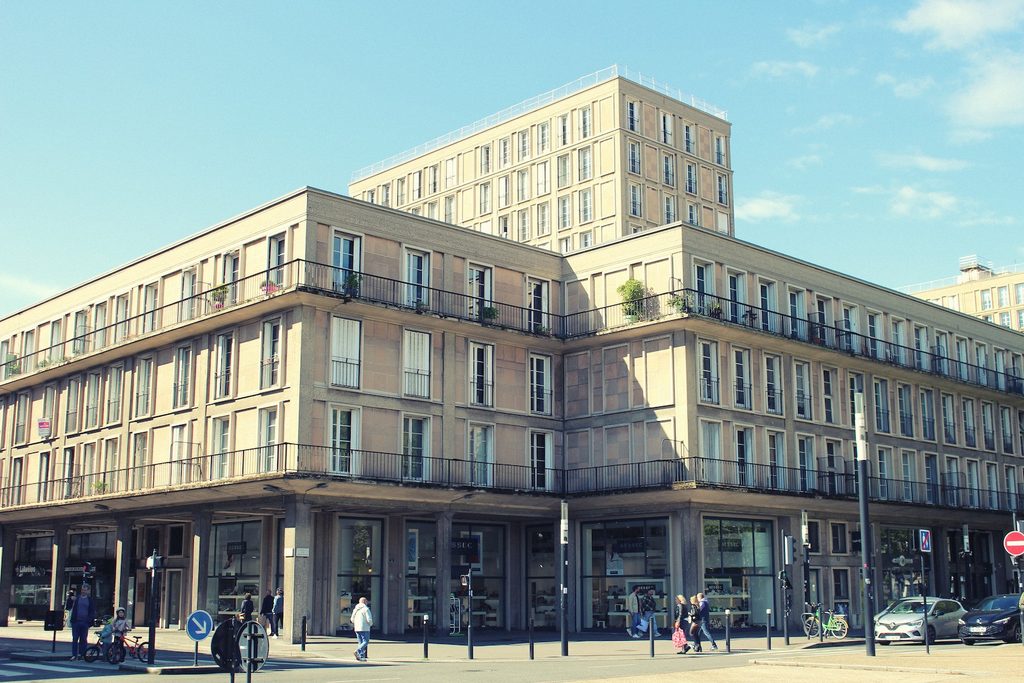
Auguste Perret didn’t only design buildings. He was also trying to create replicable interiors, including carefully planned rooms and standardised furniture and fittings. You can see an example of one such home by visiting the Appartement témoin Perret (Perret Show Apartment).
The Appartement témoin Perret (Perret Show Apartment) can only be visited via a guided tour, tickets for which can be booked at the Maison du Patrimoine (Heritage House) or online.
Guided visits are held in French, but info sheets can be obtained in English, Spanish or German. If you are travelling in a big group, you might be able to arrange a visit in another language.
5. Catène de Containers (Chain of Containers)
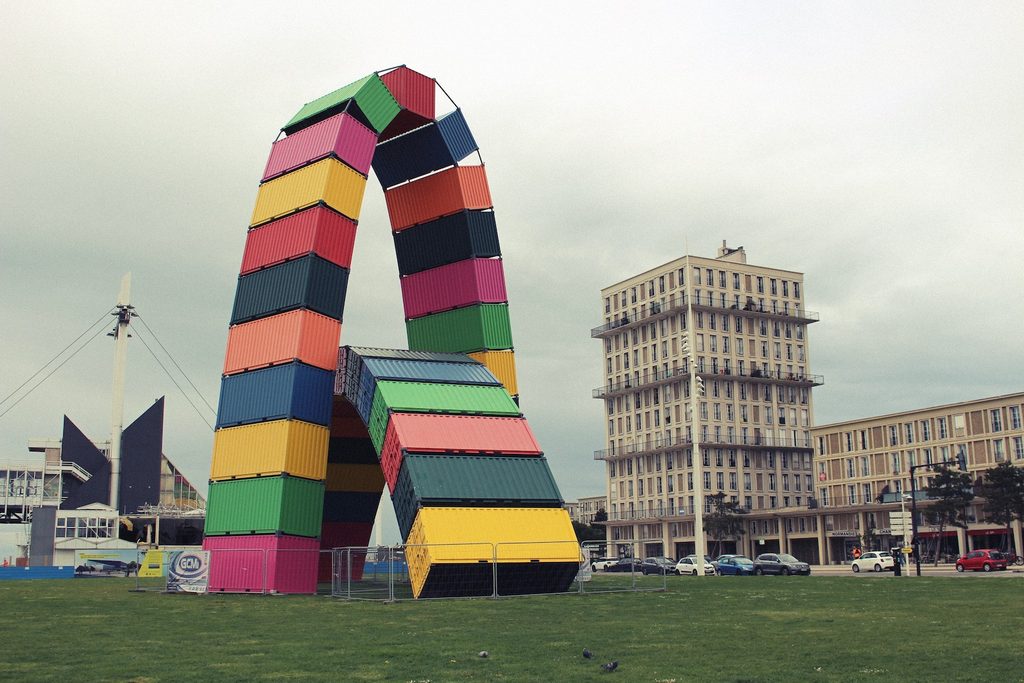
The colourful Catène de Containers (Chain of Containers), which consists of two arches made of shipping containers, is Le Havre’s most recognisable public artwork.
Sitting by the harbour, the work by Vincent Ganivet is a playful testimony to the importance of containers to Le Havre, one of France’s most important commercial ports.
6. Cathédrale Notre-Dame du Havre (Le Havre Cathedral)

The Cathédrale Notre-Dame du Havre (Le Havre Cathedral) looks incongruous next to the orderly grids of modern buildings in the city centre. Dating back to the 16th century, the church was one of the few to have survived World War II and became a cathedral in 1974. To highlight the church, Auguste Perret created a nook that would keep it separate from the surrounding concrete buildings.
7. Plage du Havre (Le Havre Beach)
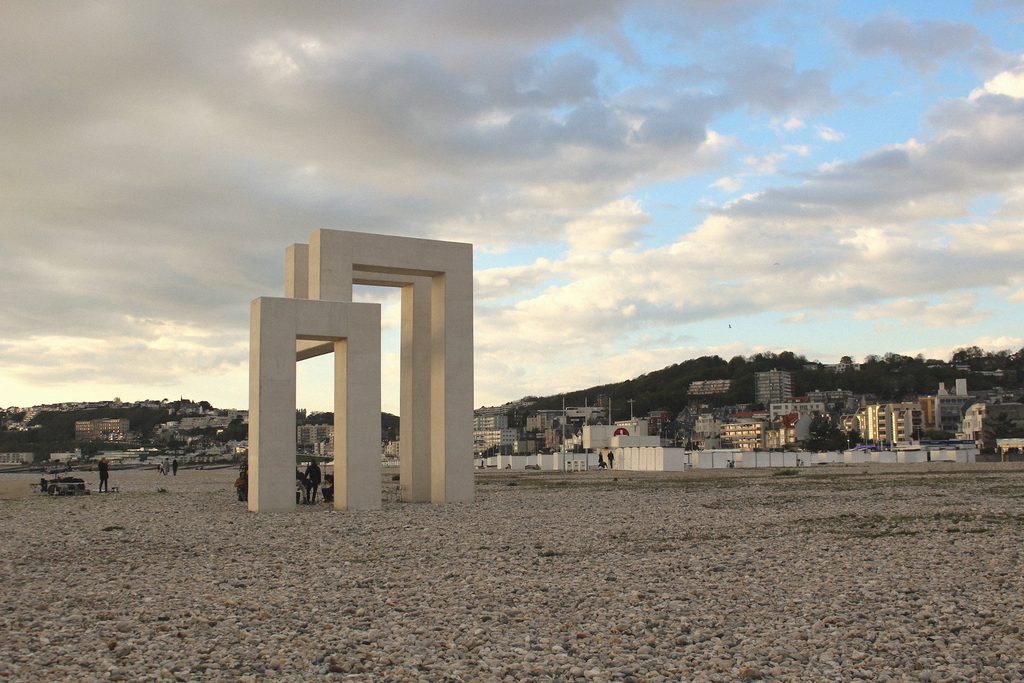
Le Havre has its own pebble beach, easily accessible from the city centre. The Plage du Havre (Le Havre Beach) is more than 2 km long and has watersports rental facilities for canoes, kayaks, paddleboards and more.
Look out for the UP#3, a sculpture located on the southern end of the beach near the skatepark. Originally intended as an ephemeral sculpture, it became permanent in 2018. The white concrete structure and geometric design are a nod to Auguste Perret.
8. Skatepark du Havre (Le Havre Skate Park)
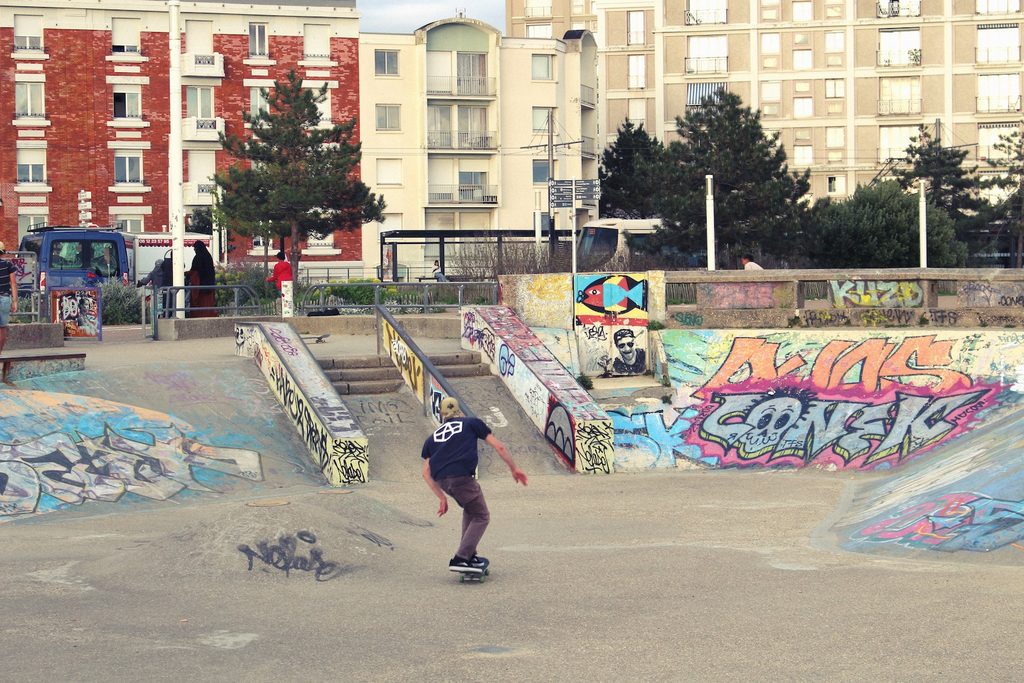
Even if you’re not a skater, the Skatepark du Havre (Le Havre Skate Park) is an eye-opener as it is the biggest open-air skatepark in France and also enjoys views of the ocean, as it is located just behind the Plage du Havre (Le Havre Beach).
9. Port de plaisance du Havre (Le Havre Marina)
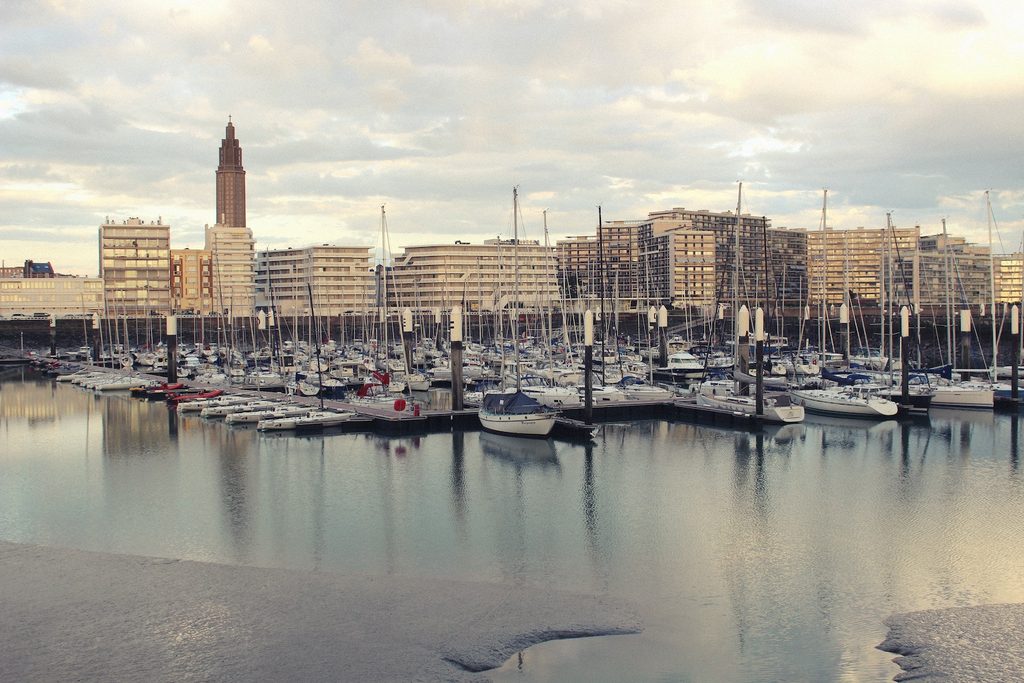
Le Havre’s marina is located a stone’s throw from the southern end of the Plage du Havre (Le Havre Beach) and runs along Boulevard Clémenceau. The deep-water marina enables boats to enter and leave at any time without having to wait for the tide and is a popular location for a waterside stroll.
10. Jusqu’au bout du monde (To the Ends of the Earth)
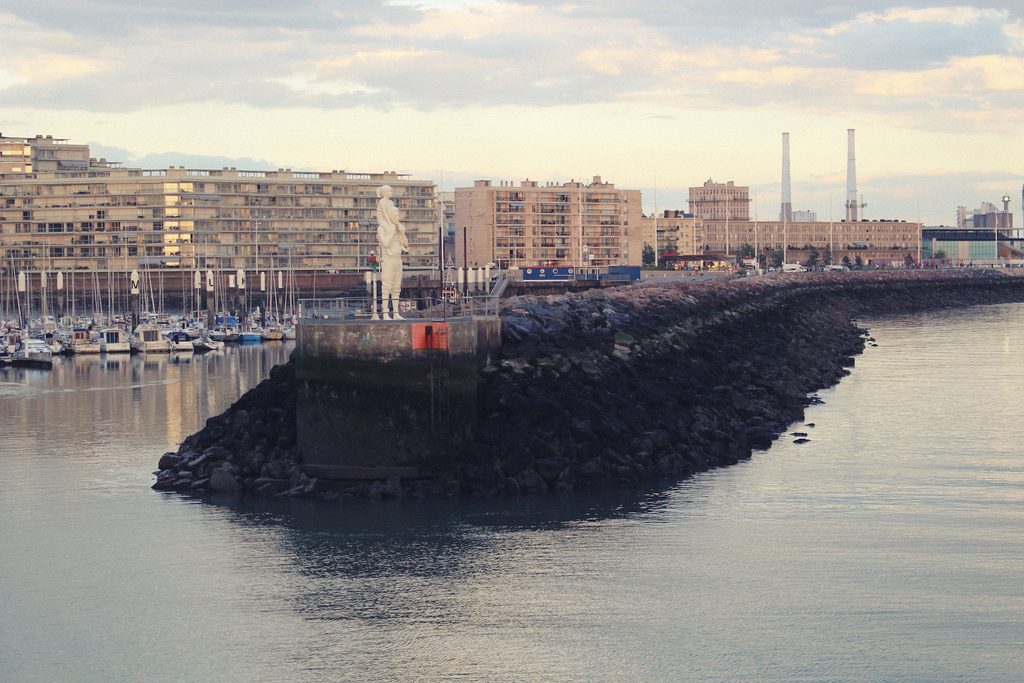
The sculpture Jusqu’au bout du monde (To the Ends of the Earth) by Fabien Mérelle can be found on the Digue Augustin-Normand, accessible from the Port de Plaisance du Havre (Le Havre Marina). The 6.24-m-tall sculpture of a father and daughter facing the sea is a moving metaphor for a parent preparing a child to face an uncertain future.
11. Hôtel de Ville du Havre (Le Havre Town Hall)
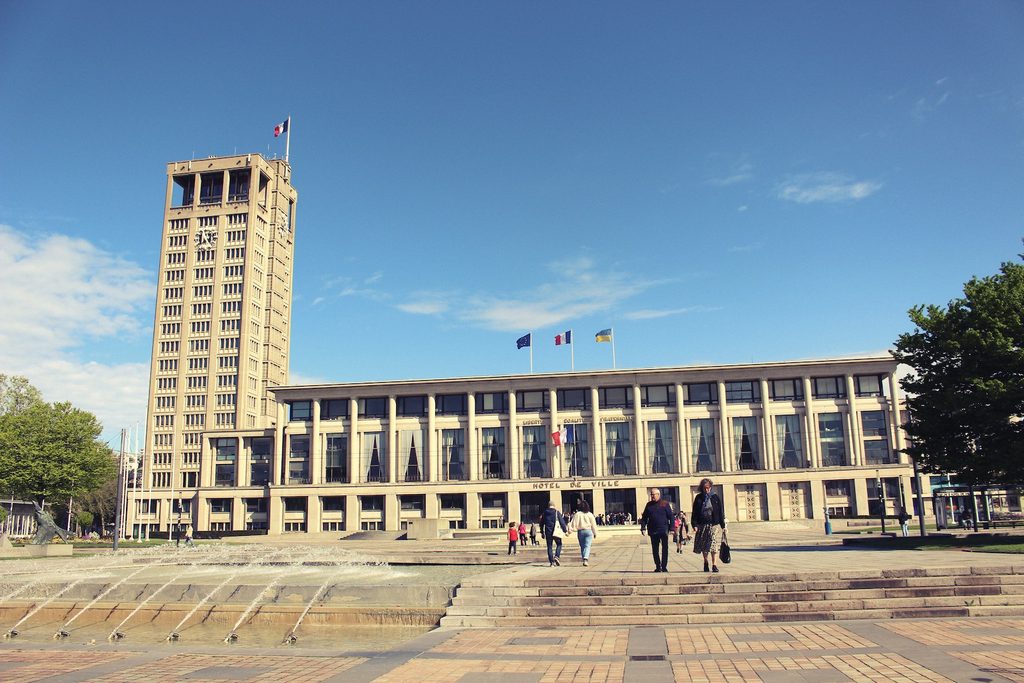
Le Havre’s Hôtel de Ville (Town Hall), with its regular, rectangular shape and its 72-m belfry that is just as regular and rectangular as the main building, is a good example of the architectural style and liberal use of concrete that dominates in Le Havre.
12. Narrow House
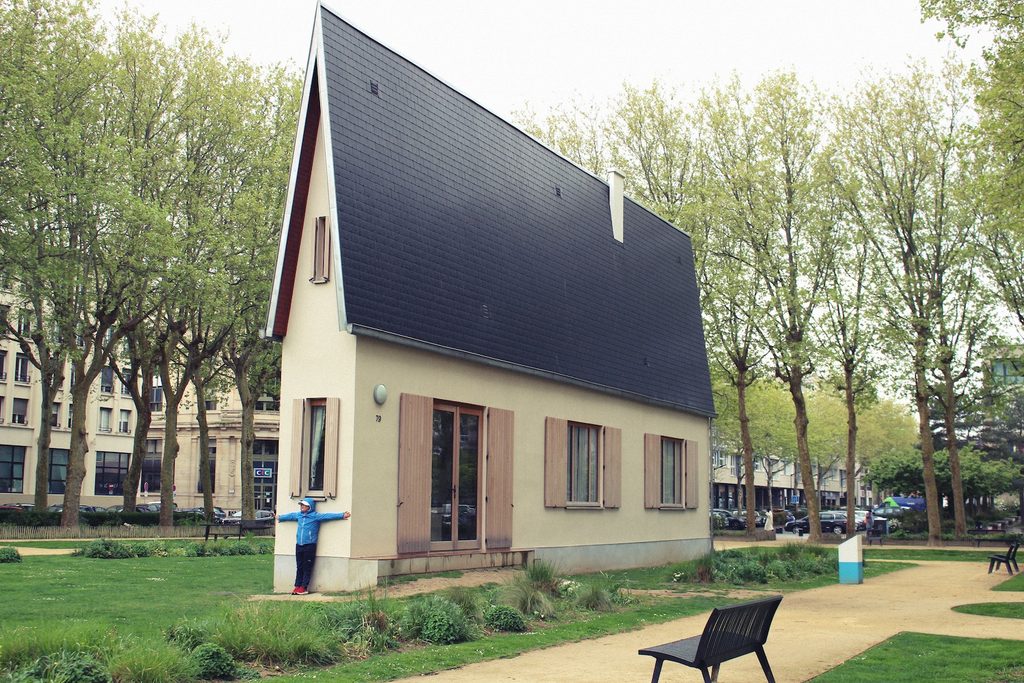
This astonishing building at Square Claude Érignac is the world’s narrowest house, measuring only about 130 cm across! Created by Austrian artist Erwin Wurm, it is a tongue-in-cheek reinterpretation of his childhood home.
13. Les Jardins Suspendus (The Hanging Gardens)
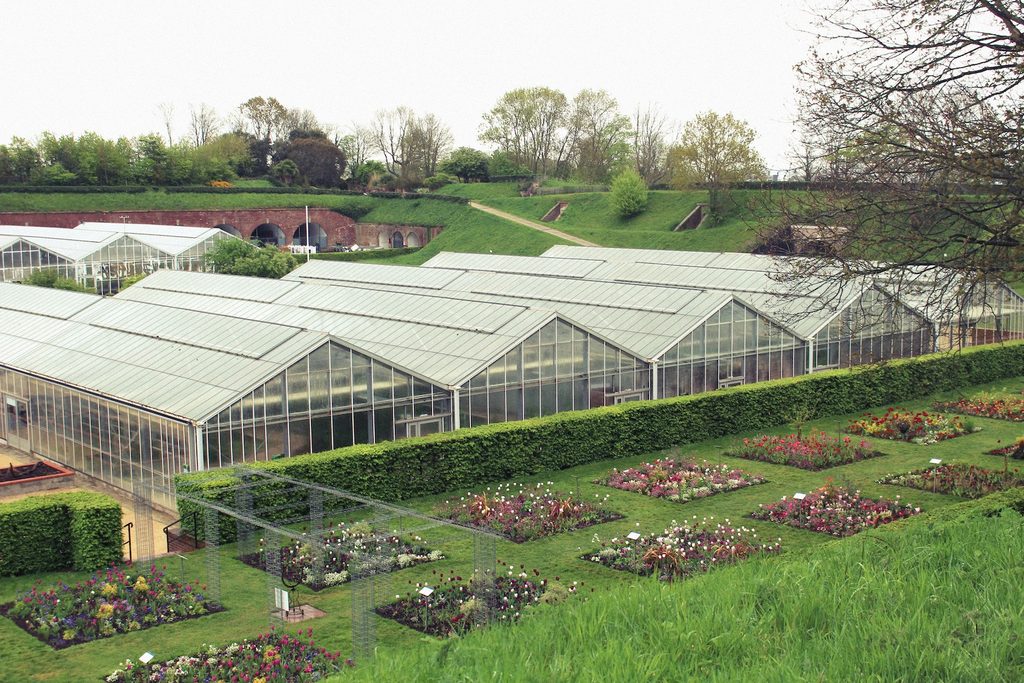
Les Jardins Suspendus (The Hanging Gardens) were built on the site of a 19th-century military fort overlooking the sea. The 17-hectare botanic garden is home to a wide variety of plants from all over the world, set against a backdrop of awe-inspiring ocean views.
14. Musée d’Art Moderne André Malraux (André Malraux Museum of Modern Art)
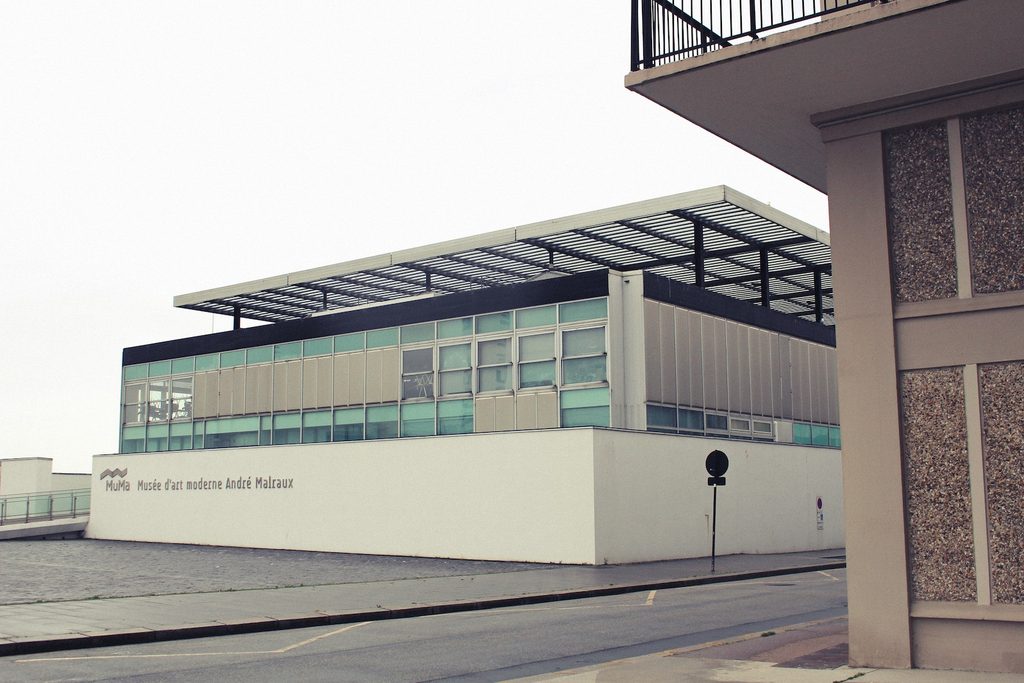
The Musée d’Art Moderne André Malraux (André Malraux Museum of Modern Art), also known as MuMa, is home to a collection of art from the 19th and 20th centuries, including works by Monet, Renoir and Degas, amongst many others.
15. Le Tetris (The Tetris)
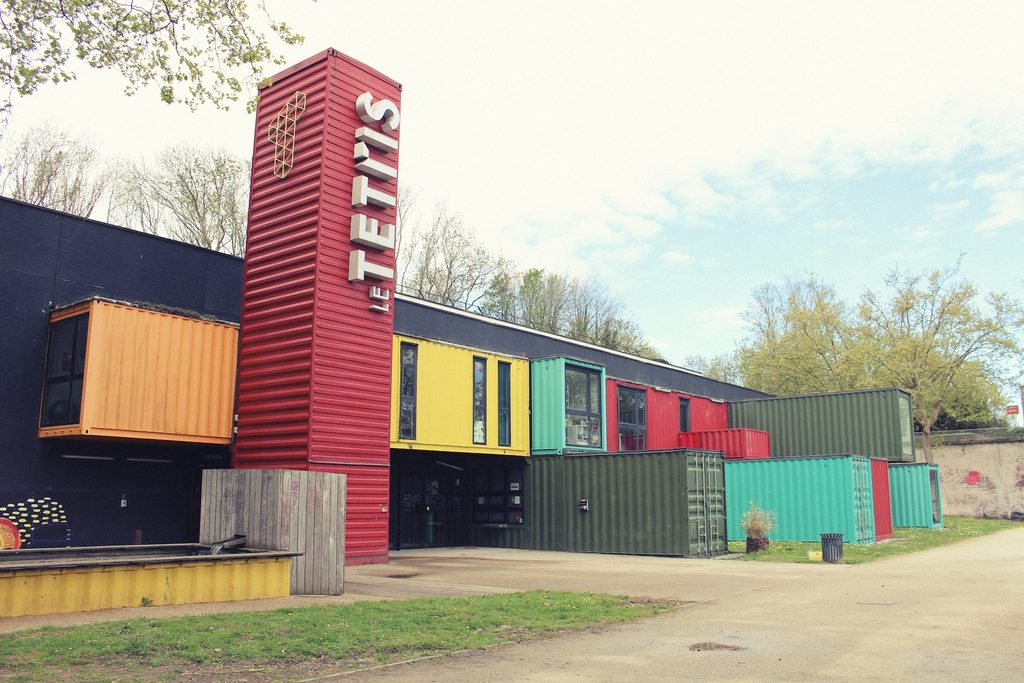
This concert and performing-arts venue is perched on a hillside above the city centre of Le Havre, on the site of the Fort de Tourneville (Tourneville Fort). Made of colourful containers, it feels like it’s made of Lego bricks. You can check the programme and book tickets in advance.
Getting there is half the fun. You can take the funicular or climb the hill via Rue Gabriel Péri and Rue des Ormeaux—remember to turn around from time to time to enjoy the view.
16. Avenue Foch (Foch Avenue)

This boulevard is one of the major roads in the city centre of Le Havre, with tram tracks running along its length. It connects the Hôtel de Ville du Havre (Le Havre Town Hall) to Boulevard François Premier, which is close to the sea. If you’re looking for a street that gives you a good sense of Auguste Perret’s urban planning, Avenue Foch (Foch Avenue) is a good candidate.
17. Muséum d’histoire naturelle (Museum of Natural History)
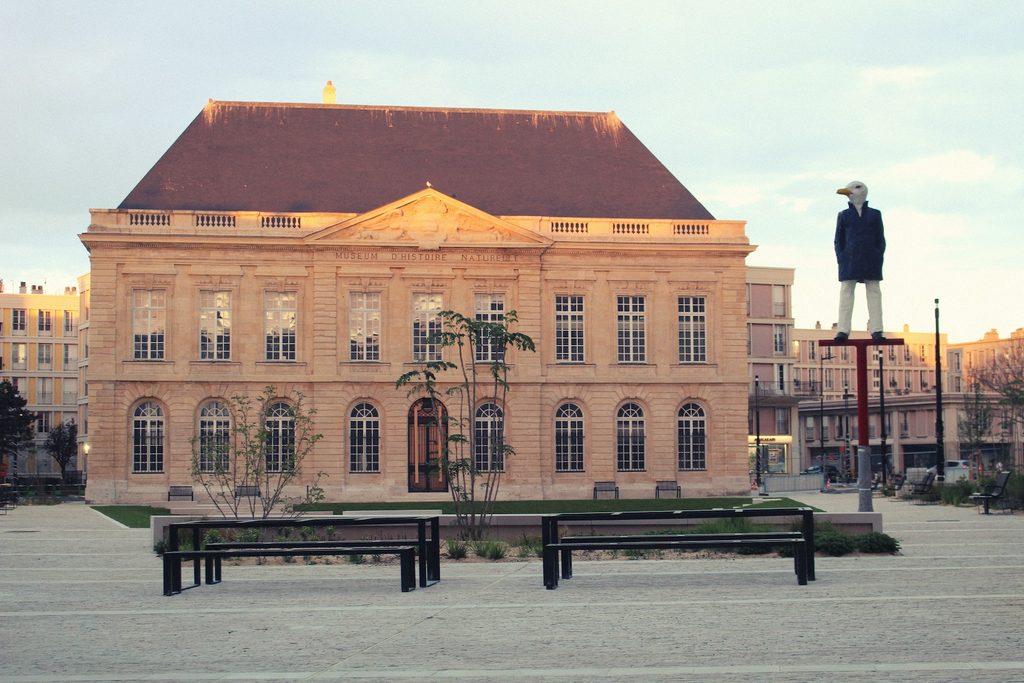
This museum has a collection of animal, plant and mineral specimens. Since 1881, it has been housed in the former Palais de Justice (Law Courts), constructed between 1758 and 1760. The building was destroyed in World War II, but restored and reopened in 1973.
18. Rue de Paris (Paris Road)
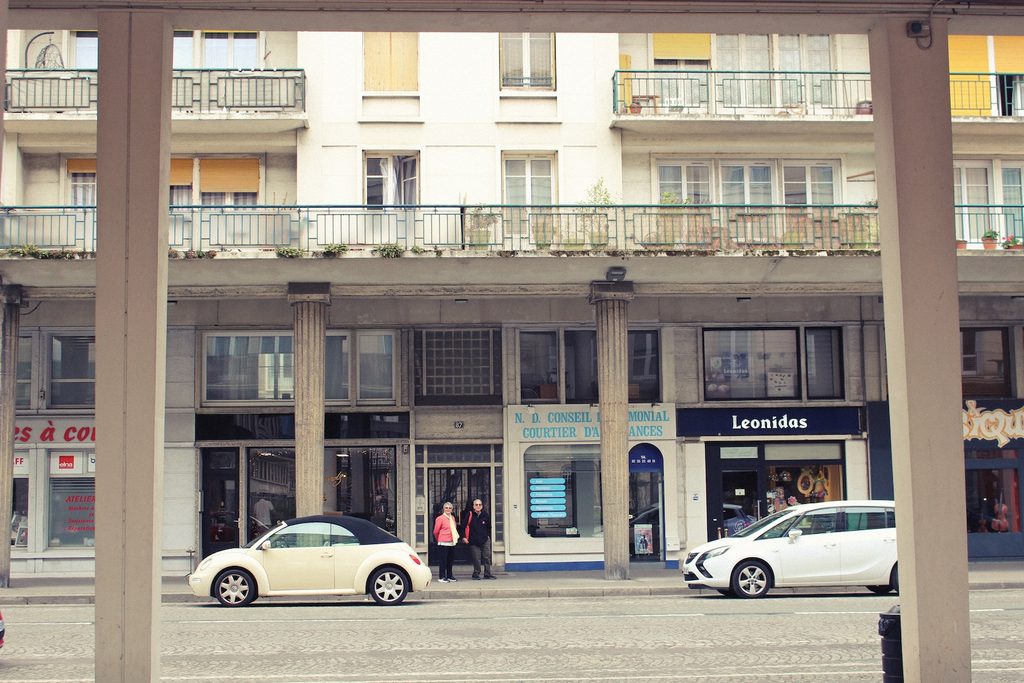
Rue de Paris (Paris Road) is one of Le Havre’s major commercial zones. Perret’s reconstruction of the street used Paris’s Rue de Rivoli as inspiration, with shops and shopping galleries tucked underneath residential apartments, offering respite from the Norman rain (I, too, got stuck in one of these arcades on a rainy day).
19. Docks Vauban (Vauban Docks)
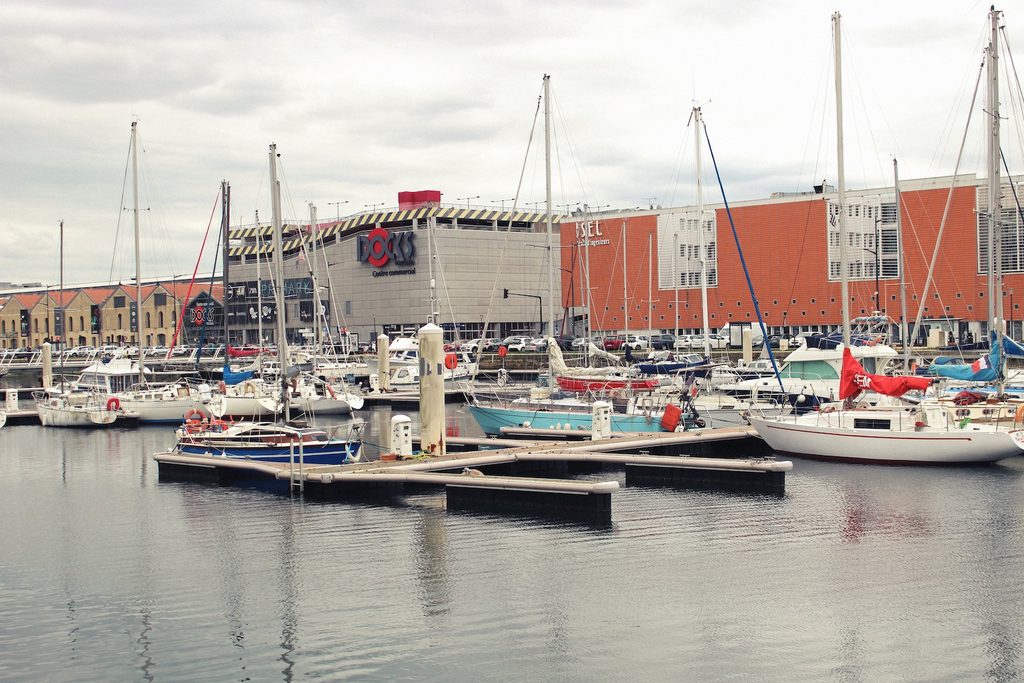
Docks Vauban (Vauban Docks) is a modern shopping mall built on the site of a 19th-century dock warehouse complex used to store goods arriving by ship. Even if you’re not a shopaholic, Docks Vauban (Vauban Docks) is worth a visit just to explore the red and yellow brick warehouses. Tenants include a variety of boutiques and restaurants and a Lidl supermarket.
20. Maison de l’armateur (Shipowner’s House)
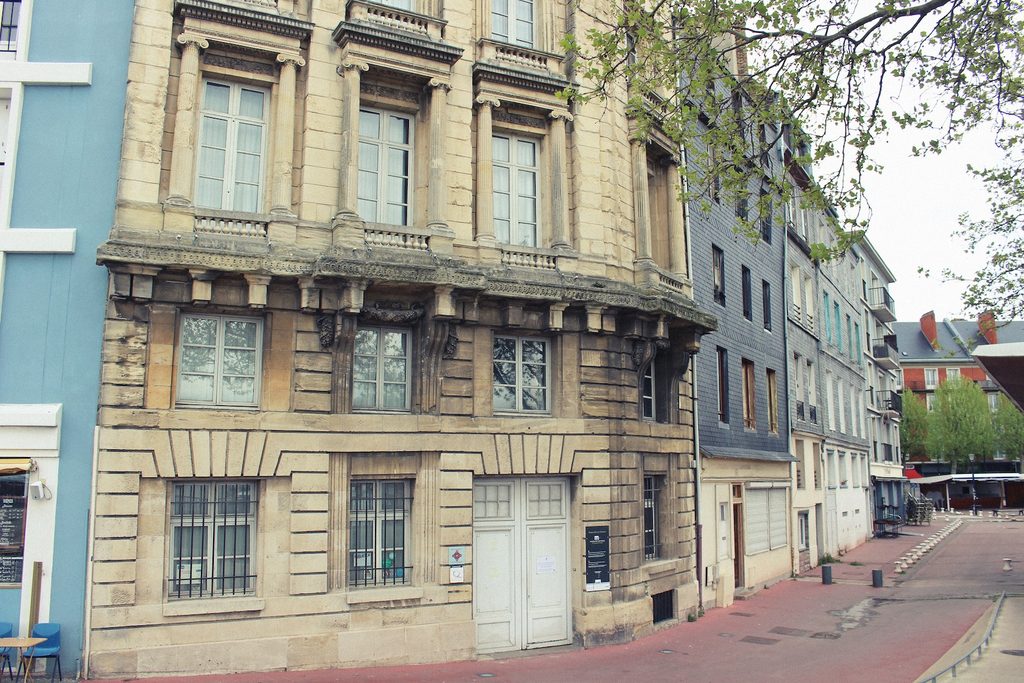
This house, built in 1790, was one of the few buildings to survive World War II and has since been turned into a museum that enables visitors to see what a wealthy 18th-century merchant’s home looked like. Its façade is a good example of the style of architecture popular during the reign of Louis XIV.
21. Le Marché aux poissons (The Fish Market)
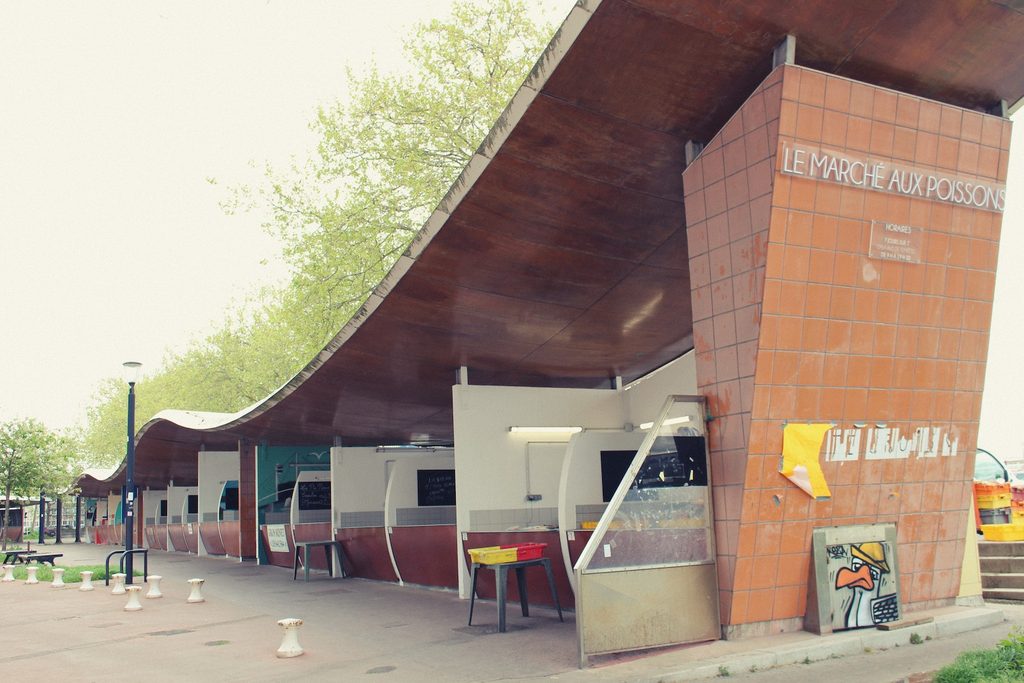
This atmospheric open-air fish market located in front of the Maison de l’armateur (Shipowner’s House) is where fishermen sell their catch directly from their boats in the morning.
22. Le Havre Port Center
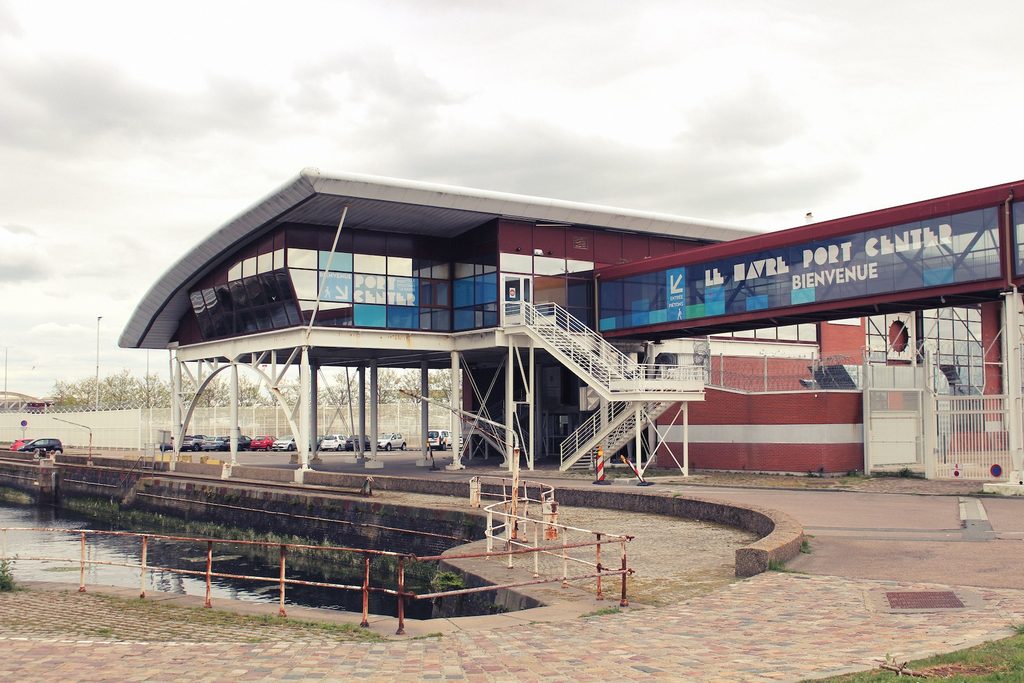
Le Havre Port Center is located near the Terminal de la Citadelle (Terminal of the Citadel) and is free to visit. It runs temporary and permanent exhibitions dedicated to the port, its various industries and its role in the logistical chain.
23. Square Saint-Roch (Saint Roch Square)

This lovely city park in the middle of town offers an idyllic spot of much-needed greenery. In 1587, it was used as a site for isolating people with infectious diseases. Today, it is enclosed by a concrete fence designed by Perret’s team to match the fence surrounding the gardens of the Hôtel de Ville du Havre (Town Hall of Le Havre).
24. Les Halles Centrales du Havre (Central Market of Le Havre)
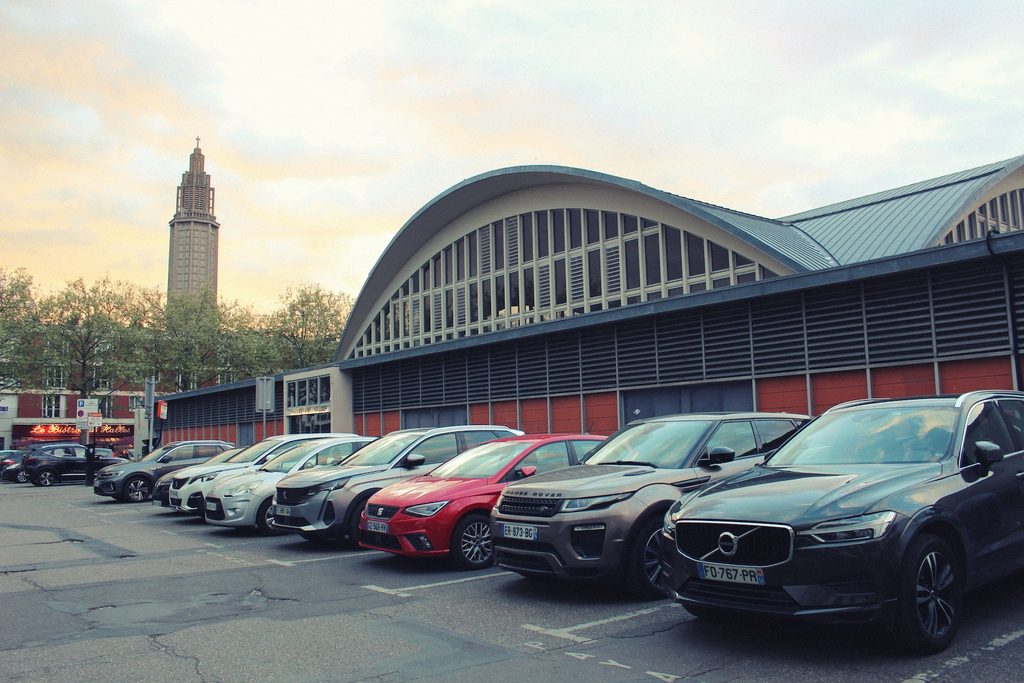
Les Halles Centrales du Havre (Central Market of Le Havre) was completely destroyed during World War II and rebuilt in 1960. The market has its own food court where you can sit down and sample the food products you’ve bought at the various stalls.
25. Circuit des escaliers (Circuit of Stairways)
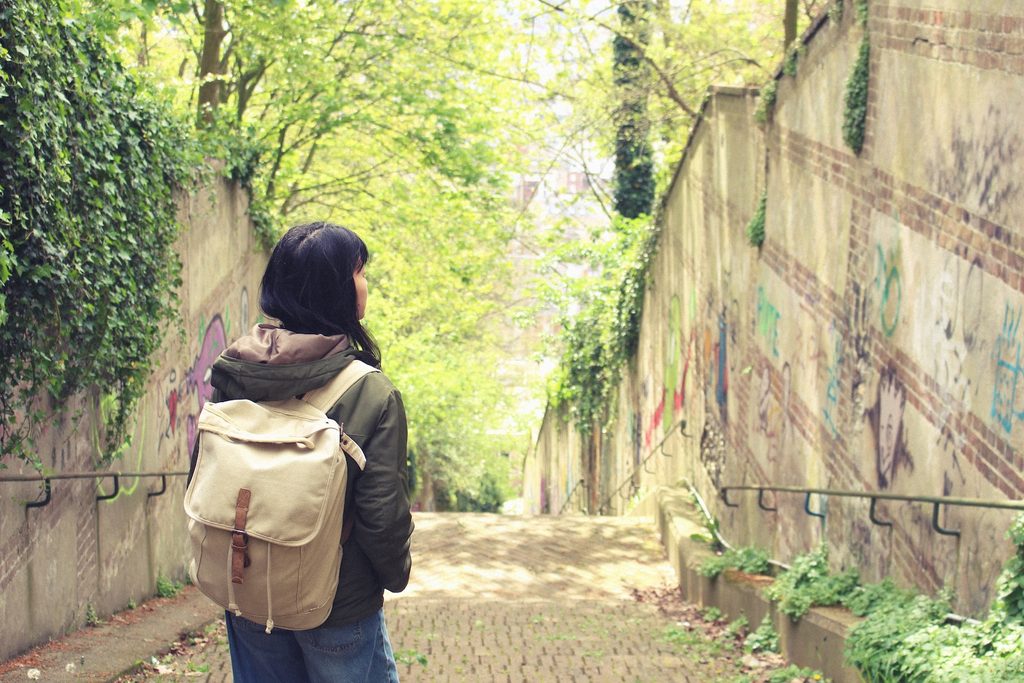
The lower town of Le Havre, close to the sea, and the mostly residential hillside areas are connected by a network of staircases that take you up into the upper town. The series of staircases was built between 1850 and 1930 to replace steeply sloping roads.
From the city centre, you can access the Circuit des escaliers (Circuit of Stairways) by following Rue du Grand Escalier and looking for the junction with Rue Georges Lafaurie, near Rue Germaine Coty. Alternatively, you can look for the Escalier des Noyers (Noyers Staircase) on Rue Jean Charcot.
26. Musée Hôtel Dubocage de Bléville (Dubocage de Bléville Hotel Museum) – Closed until Dec 2027
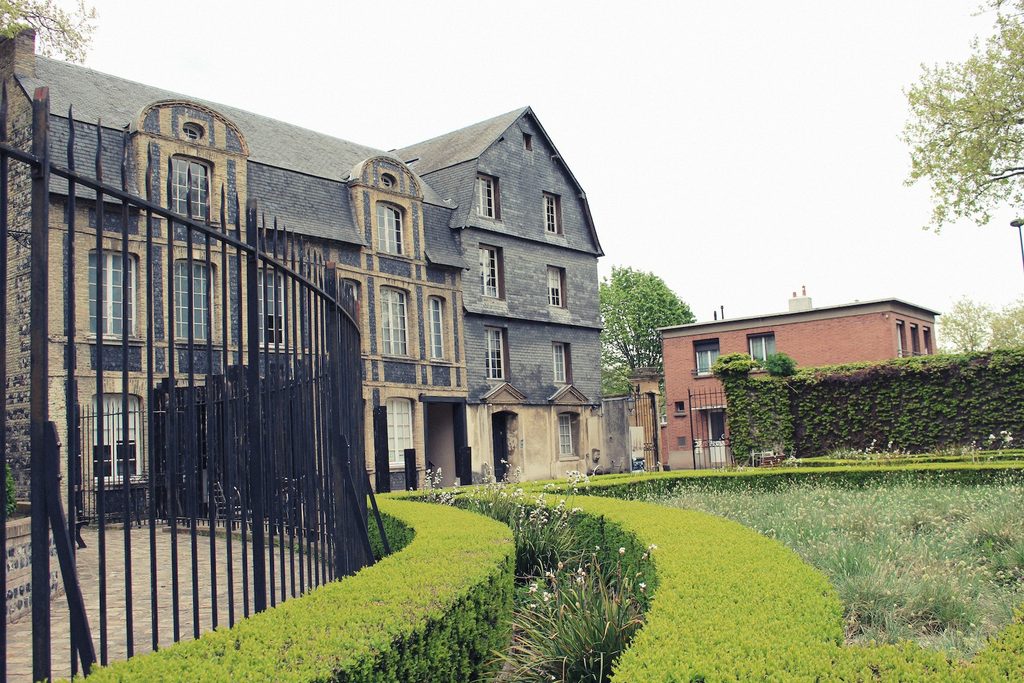
This museum is currently closed for renovations and reopens in December 2027. It is housed in the home of the 17th-century explorer Michel-Joseph Dubocage, who embarked on a nine-year voyage to China. The museum features temporary exhibitions as well as a permanent exhibition on the history of Le Havre. Don’t forget to take a stroll in the 17th-century French garden.
Day trips from Le Havre
- Le Havre is about half an hour by car and an hour by train from Honfleur, a beautiful medieval town with an iconic port.
- Étretat, with its famous cliffs, is about half an hour by car from Le Havre and about an hour by bus, while nearby city Fécamp can be reached by train in about 45 minutes.
- Rouen, Normandy’s historic capital, is less than an hour by train from Le Havre.
- Seaside resort towns Deauville and Trouville-sur-Mer are about an hour’s drive from Le Havre.

Comments are closed.