
Some places in France are known for a single attraction, and Bayeux is one of them. The #1 Bayeux attraction is the famous Tapisserie de Bayeux (Bayeux Tapestry), which is listed as a UNESCO Memory of the World.
But Bayeux is more than a one-hit wonder! Other than marvelling at the tapestry, I was pleasantly surprised to discover that there are many other things to do in Bayeux.
For starters, this city in the Calvados department of Normandy not only has a charming medieval city centre, but is also home to an impressive cathedral and some interesting World War II sites.
Gui and I combined our visit to Bayeux with a trip to Omaha Beach, the most visited of the D-Day landing beaches. We also discovered that Bayeux is a great place to eat Norman crêpes and got to learn about Bayeux’s lacemaking tradition!
In this guide to the best things to do in Bayeux, I’ll share the wonderful Bayeux attractions we discovered in hopes of helping you make the most of your trip there. Let’s get into it!
Table of Contents (click to view)
- Where to stay in Bayeux
- Is Bayeux worth visiting?
- 12 things to do in Bayeux, France
- 1. Tapisserie de Bayeux (Bayeux Tapestry)
- 2. Cathédrale Notre-Dame de Bayeux (Bayeux Cathedral)
- 3. Conservatoire de la Dentelle de Bayeux (Conservatory of Lace of Bayeux)
- 4. Musée Mémorial de la Bataille de Normandie (Memorial Museum of the Battle of Normandy)
- 5. Monument du Mémorial de Bayeux (Bayeux Memorial)
- 6. Cimetière Militaire Britannique de Bayeux (British Military Cemetery of Bayeux)
- 7. MAHB Musée d’Art et d’Histoire Baron Gérard (MAHB Baron Gérard Museum of Art and History)
- 8. Rue Saint-Martin (Saint Martin Street)
- 9. Rue des Cuisiniers (Street of the Cooks)
- 10. Banks of the Aure
- 11. Marché Saint-Patrice (Saint Patrice Market)
- 12. Place Charles de Gaulle (Charles de Gaulle Square)
- Where to eat in Bayeux: Au Louis d’Or
- Other places to visit near Bayeux, France
Where to stay in Bayeux
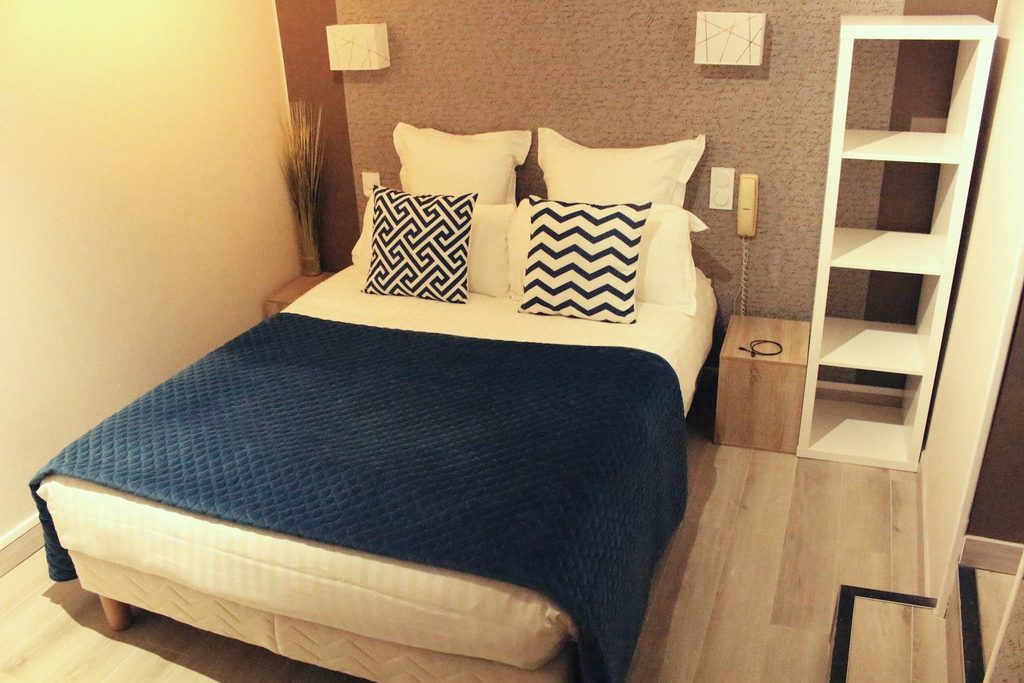
- Charming hotel in a central location – I stayed at Le Declic, formerly known as the Hôtel Mogador. I loved the hotel’s charming rooms and central location within easy walking distance of all the main Bayeux tourist attractions in town.
- Modern hotel in the medieval centre – Hotel Reine Matilde offers sleek, modern rooms and is just 300 m from the Bayeux Tapestry.
- Gorgeous hotel in a historic building – Hotel Le Lion d’Or is housed in a former 18th-century post office and is also only 400 m from the Bayeux Tapestry.
- Cheapest hotel in the city centre – B&B Hotel Bayeux is one of the cheapest hotels in Bayeux within walking distance of the city centre.
Is Bayeux worth visiting?
- Home to the UNESCO-listed Bayeux Tapestry – This astonishing and very long 11th-century tapestry is a record of the Norman conquest of England and shows what medieval life was like.
- Beautiful historic centre – Bayeux’s medieval centre has been very well preserved, having emerged from World War II largely unscathed. Expect lots of half-timbered houses and a magnificent cathedral.
- World War II sites – Bayeux was the first city to be liberated by Allied forces in World War II after they landed at the nearby D-Day Beaches and is home to a selection of World War II-related sights.
- Gateway to D-Day landing beaches – Bayeux is a good base for visits to the D-Day landing beaches (Utah, Omaha, Gold, Juno and Sword Beaches), inscribed as a UNESCO World Heritage Site.
12 things to do in Bayeux, France
Wondering what to see in Bayeux other than the Bayeux Tapestry? You’ve come to the right place! I’ve arranged this list of things to do in Bayeux in order of importance to help you make the most of your visit.
1. Tapisserie de Bayeux (Bayeux Tapestry)
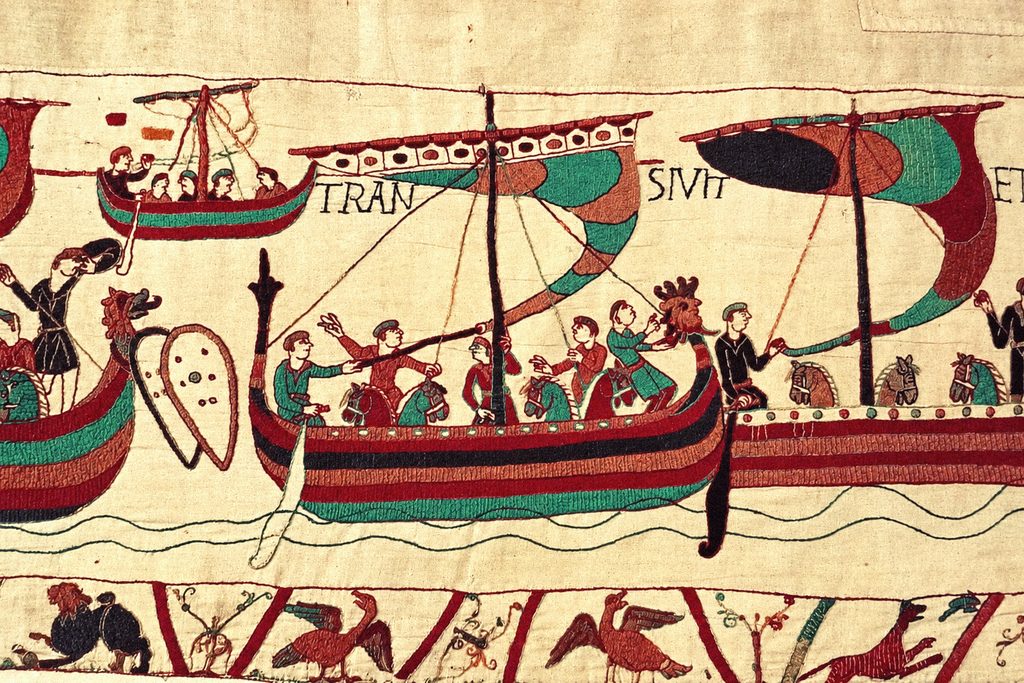
The most celebrated Bayeux attraction is without a doubt the Tapisserie de Bayeux (Bayeux Tapestry). It is currently on loan to the British Museum in London until 11 July 2027 and will be back in Bayeux just in time for summer.
The 68.8 m-long tapestry is an example of medieval embroidery. Most importantly, it shows what life was like in the 11th century and offers an account of the events leading up to the Battle of Hastings. William the Conqueror, Duke of Normandy, defeated Anglo-Saxon King Harold Godwinson in the Battle of Hastings, leading to the establishment of Norman rule in England.
The tapestry is the only artefact of its kind in the world and is filled with visual representations of medieval life, with its intricate illustrations of clothing, armour, ships, architecture and more.
2. Cathédrale Notre-Dame de Bayeux (Bayeux Cathedral)
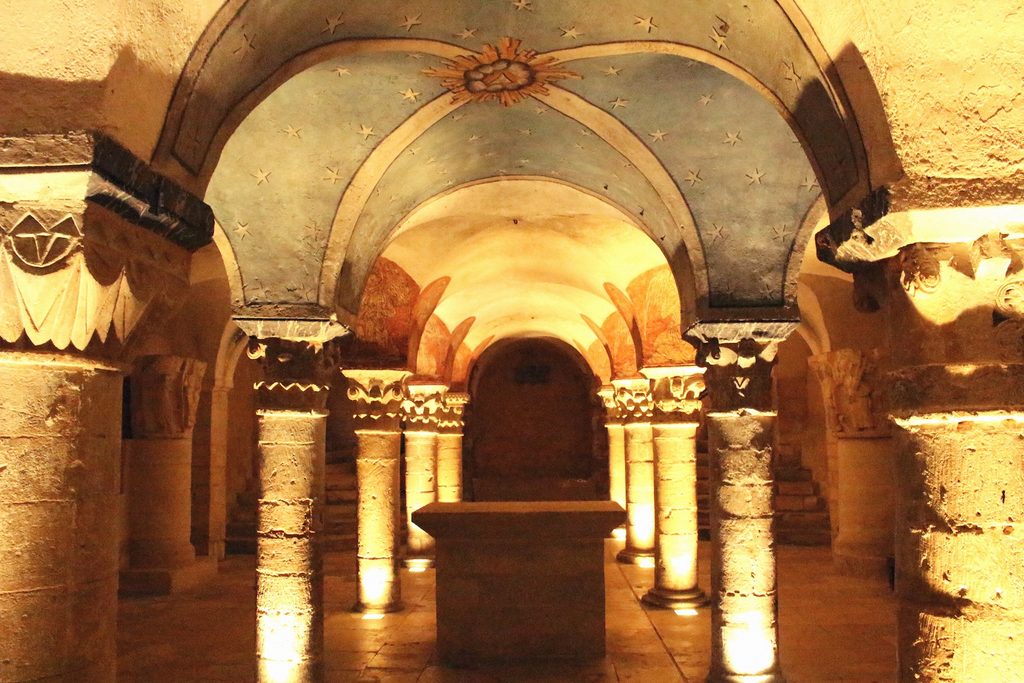
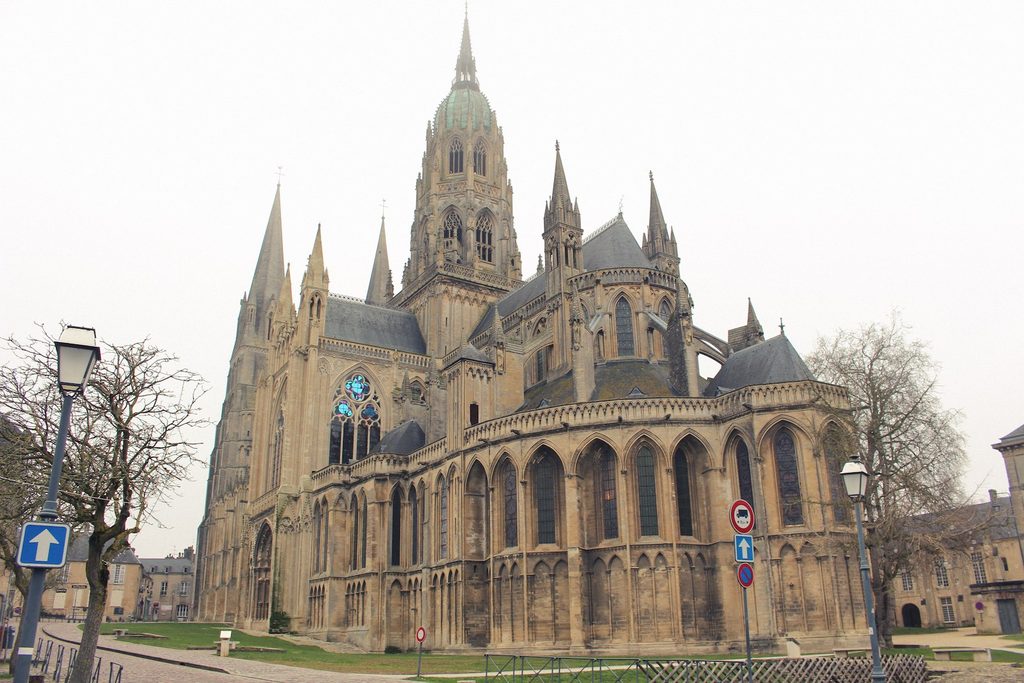
The Cathédrale Notre-Dame de Bayeux (Bayeux Cathedral) is not only considered one of the most impressive examples of Norman Romanesque and Gothic architecture in France, but is also believed to be where the famous Tapisserie de Bayeux (Bayeux Tapestry) was first displayed.
The cathedral is believed to have been built in the 11th century on the site of a previous church that had burned down. It was also linked to the Norman Conquest of England as Odo of Bayeux, William the Conqueror’s half-brother, was in charge of the cathedral’s reconstruction and is also believed to have commissioned the Tapisserie de Bayeux (Bayeux Tapestry).
Don’t forget to visit the crypt, which dates back to the 11th century and features Romanesque columns and frescos from the 15th century, including a ceiling covered in stars.
3. Conservatoire de la Dentelle de Bayeux (Conservatory of Lace of Bayeux)
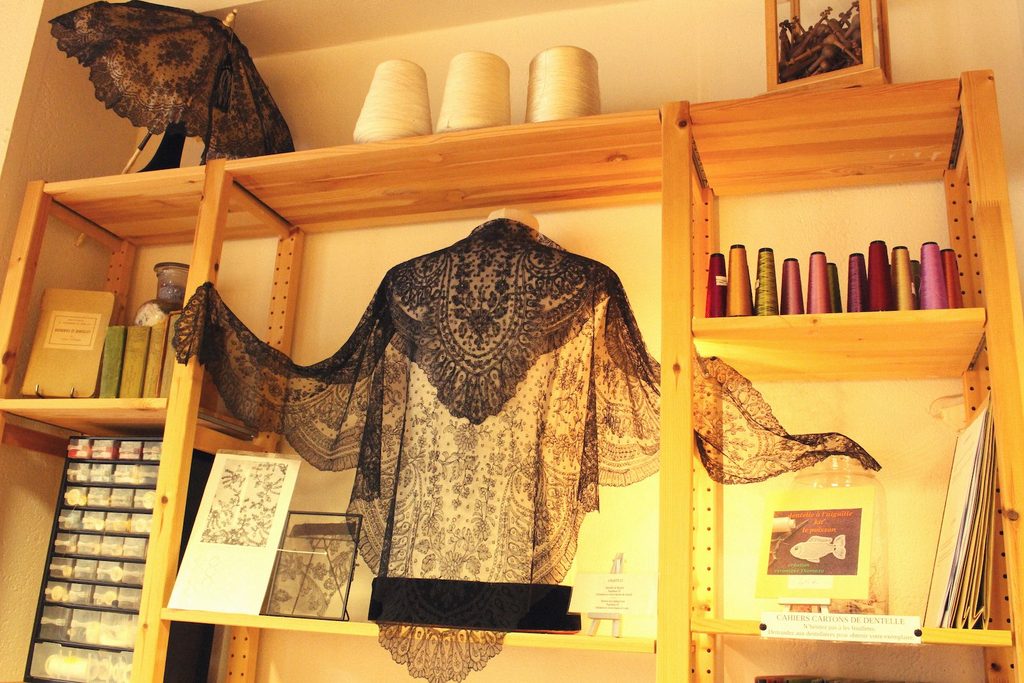
Bayeux lace is an intricate type of bobbin lace made by twisting and braiding threads using special tools and techniques. While this technique of lacemaking was invented in Italy, Normandy became one of the most important centres for bobbin lacemaking in the 17th century.
The Conservatoire de la Dentelle de Bayeux (Conservatory of Lace of Bayeux) is a workshop dedicated to teaching and preserving the tradition of bobbin lacemaking. It is housed in a beautiful half-timbered house called the Maison d’Adam et Ève (House of Adam and Eve) and is free to visit.
You’ll be able to see beautiful and delicate examples of bobbin lace and, if you’re lucky, watch a lacemaking demonstration. I was lucky enough to see a resident lacemaker at work, and found the personnel very willing to answer questions.
4. Musée Mémorial de la Bataille de Normandie (Memorial Museum of the Battle of Normandy)
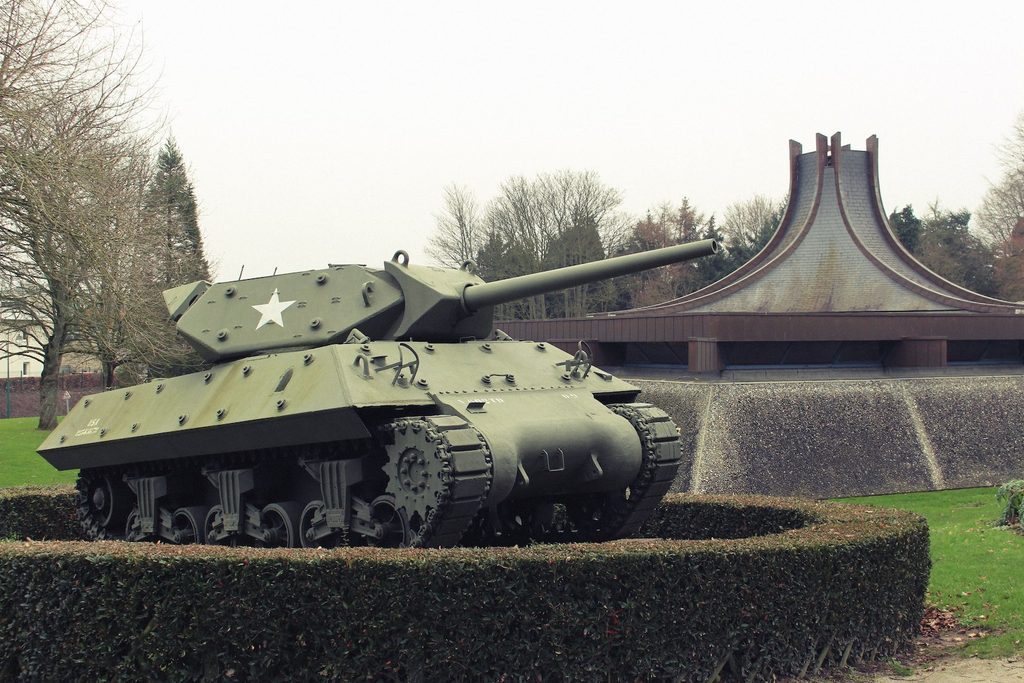
This museum is dedicated to the Battle of Normandy, which took place during World War II from 7 June to 29 August 1944.
The exhibits cover the D-Day operations in great detail and display an extensive collection of objects, including uniforms, guns and vehicles. There are also some life-size recreations of pivotal wartime scenes.
5. Monument du Mémorial de Bayeux (Bayeux Memorial)
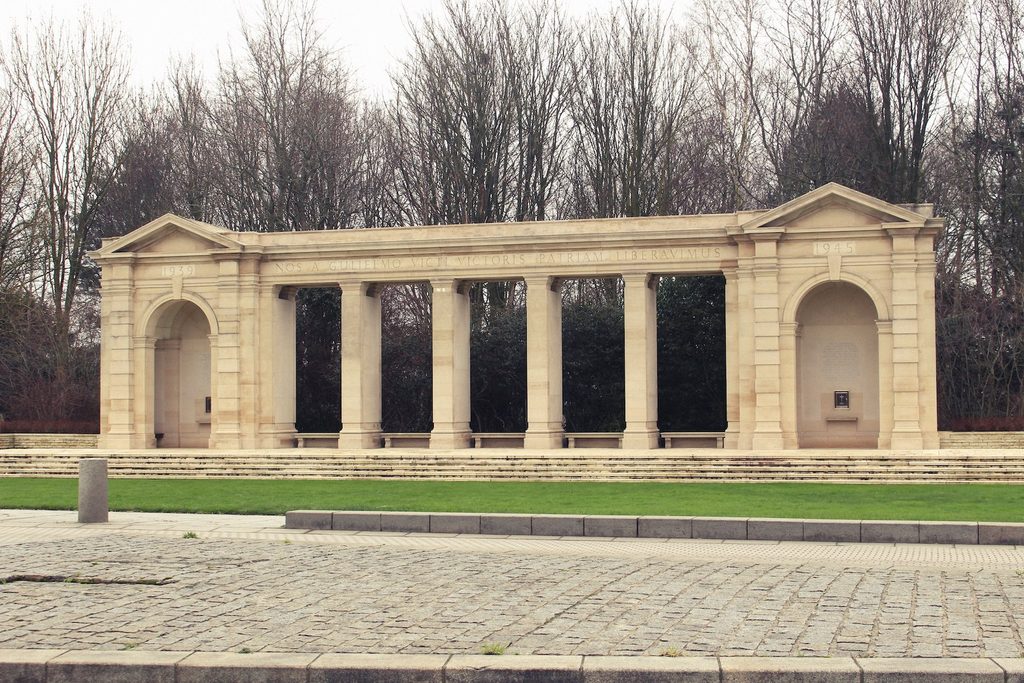
This monument was erected to honour more than 1,800 soldiers from the Commonwealth land forces who perished in the D-Day landing operation and have no known grave. Although little fighting took place in Bayeux, the nearest D-Day beaches are just a short distance from the city.
The names of these slain soldiers are inscribed on the stone memorial, giving their families a place of remembrance in the absence of a grave. Just across the road from the memorial, you’ll find the Cimetière Militaire Britannique de Bayeux (British Military Cemetery of Bayeux). The two should be visited together.
6. Cimetière Militaire Britannique de Bayeux (British Military Cemetery of Bayeux)
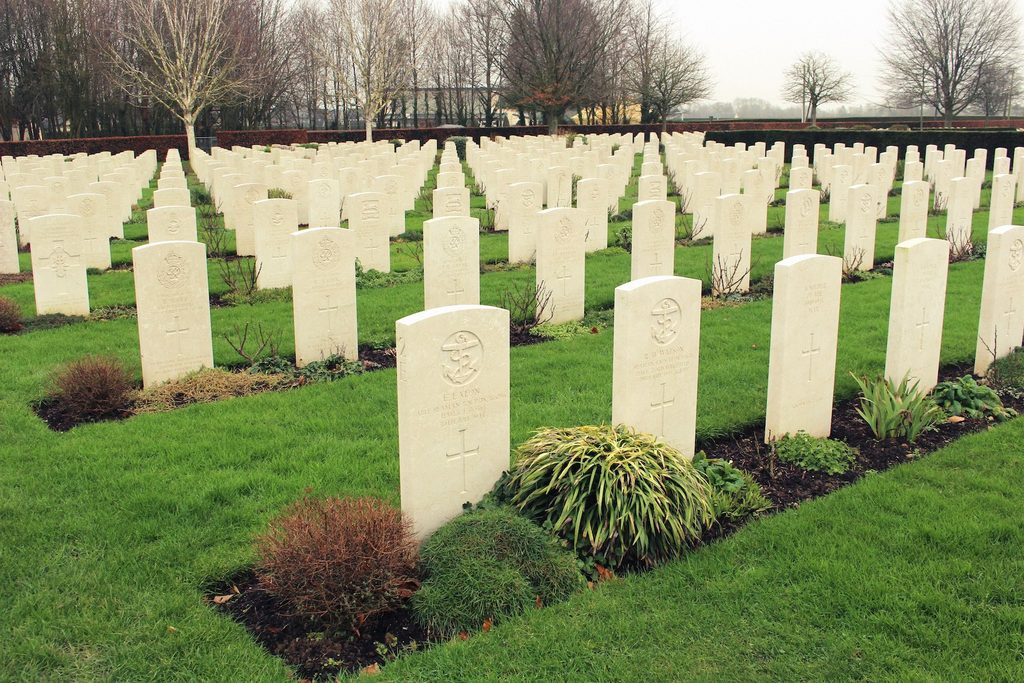
Just across the road from the Monument du Mémorial de Bayeux (Bayeux Memorial), you’ll find the Cimetière Militaire Britannique de Bayeux (British Military Cemetery of Bayeux).
It is the largest Commonwealth military cemetery from World War II, with 4,144 graves of members of the Commonwealth forces who perished in the war, of which 338 are unidentified. You’ll also find 505 graves belonging to people of other nationalities, mostly German.
The layout and design of the cemetery are restrained and dignified, reflecting how Britain and the Commonwealth chose to commemorate their fallen soldiers.
7. MAHB Musée d’Art et d’Histoire Baron Gérard (MAHB Baron Gérard Museum of Art and History)
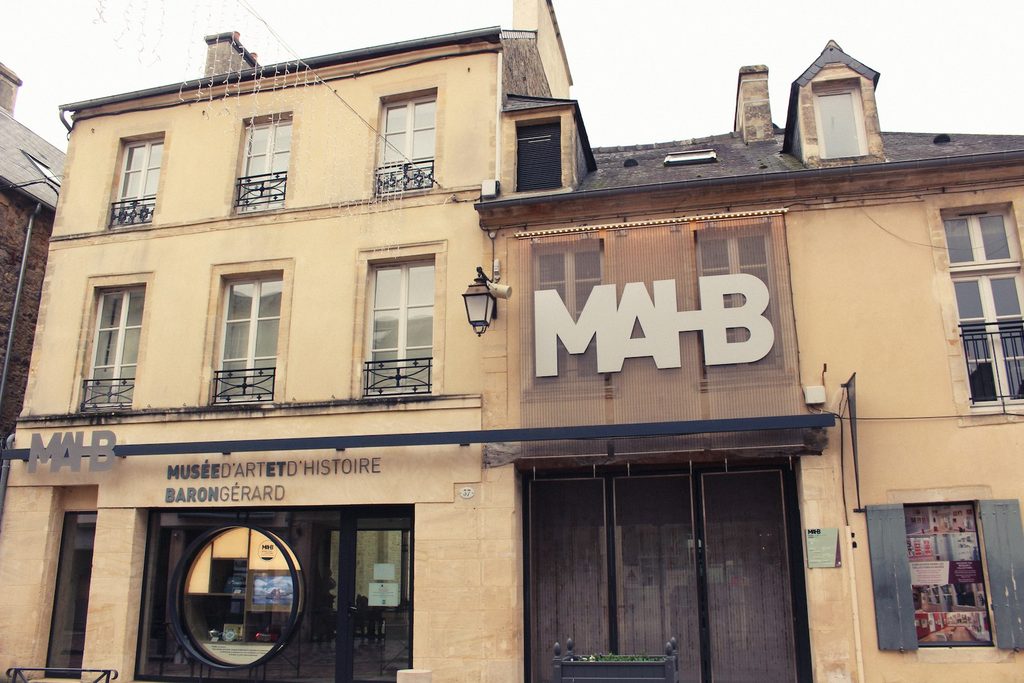
This museum has a collection of art and artefacts from a wide range of periods, from prehistory to the 20th century.
The collection includes about 250 paintings from artists such as one of my personal favourites, Eugène Boudin, as well as porcelain, Bayeux lace and archaeological and ethnographic artefacts.
8. Rue Saint-Martin (Saint Martin Street)
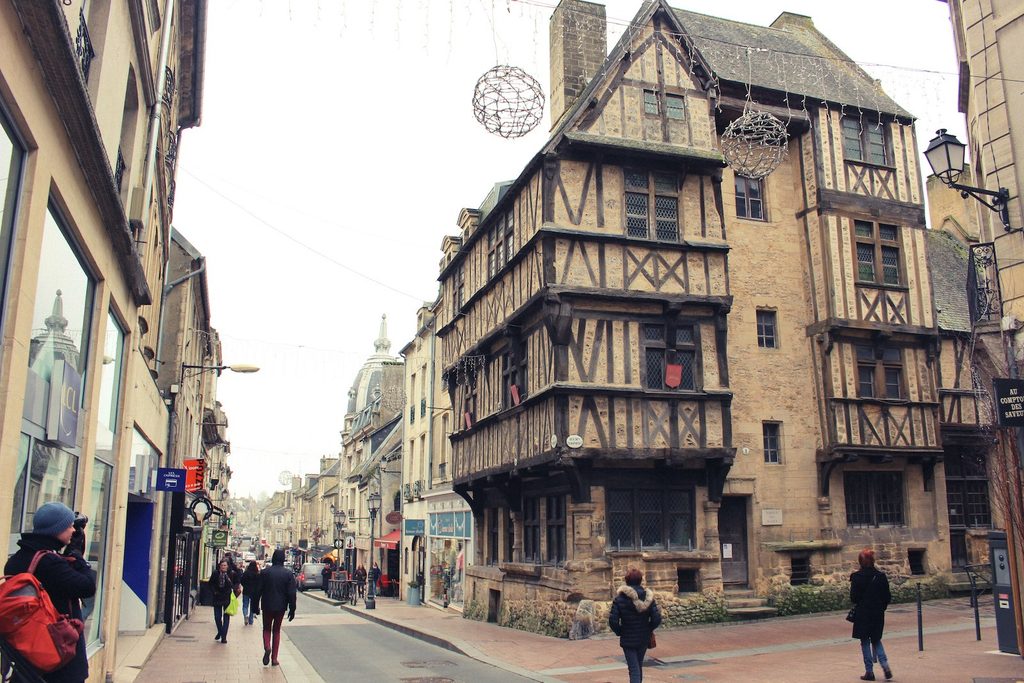
Take some time to wander around the historic centre of Bayeux to soak in the medieval atmosphere.
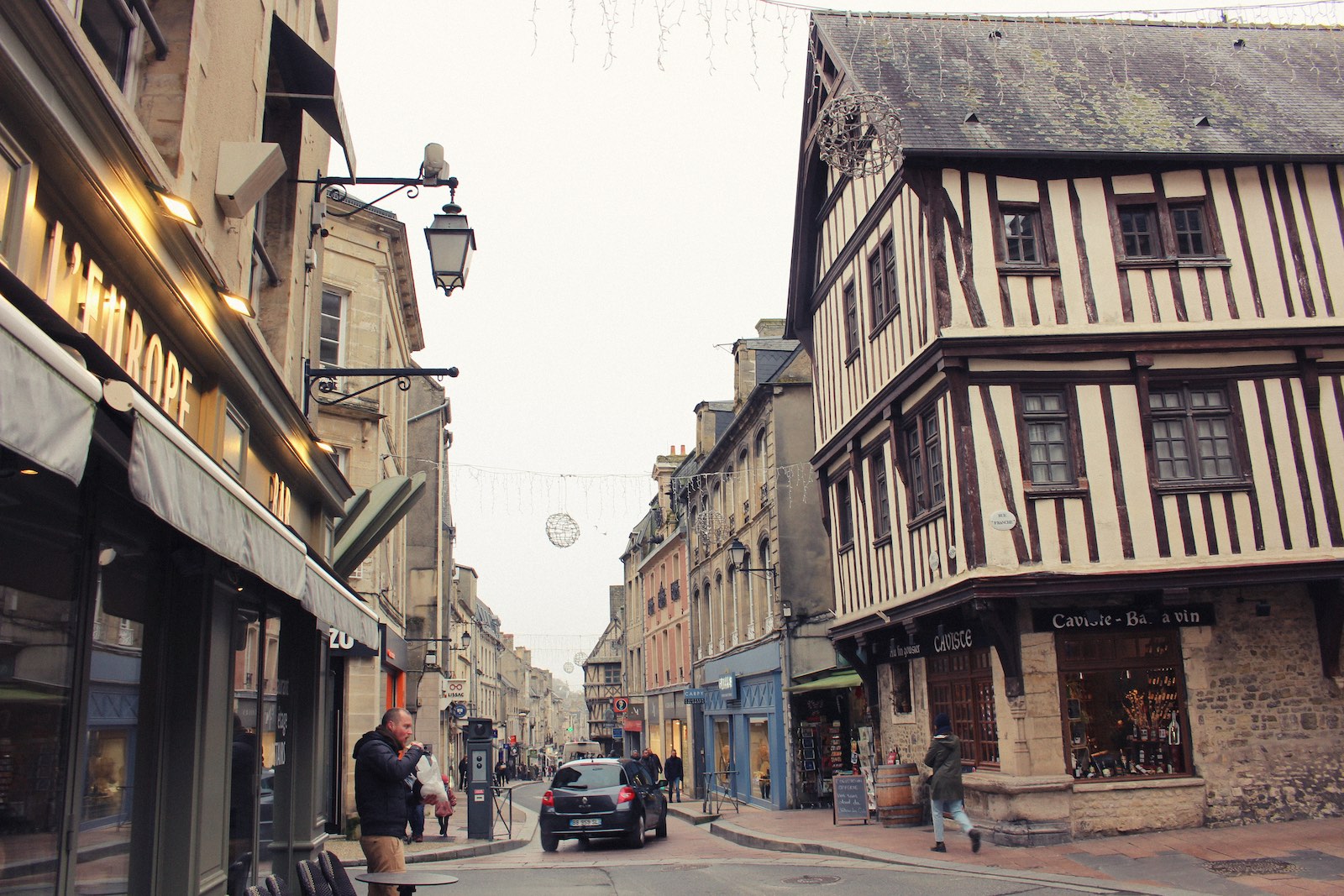
Rue Saint-Martin (Saint Martin Street) is one of the medieval centre’s main thoroughfares, and is home to many beautiful historic buildings, as well as one of the city’s major shopping streets.
Examples of interesting buildings include the handsome stone building at No. 6 and the magnificent half-timbered house at No. 43 (pictured).
9. Rue des Cuisiniers (Street of the Cooks)
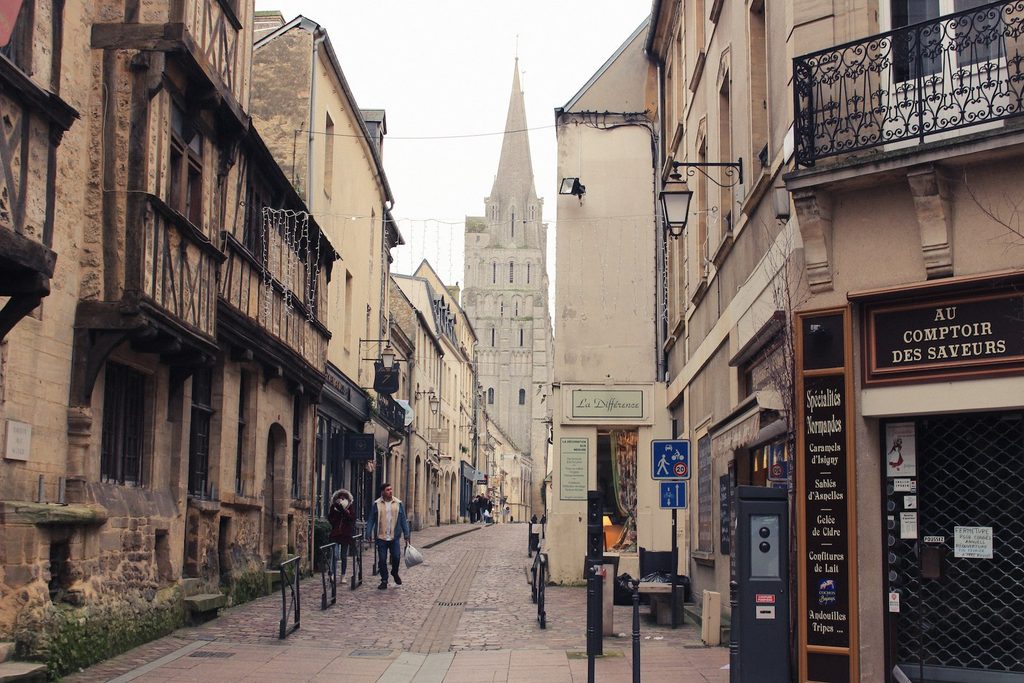
Rue des Cuisiniers (Street of the Cooks) is another notable street in Bayeux’s medieval centre, leading from the major street Rue Saint-Martin (Saint Martin Street) to the Cathédrale Notre-Dame de Bayeux (Bayeux Cathedral), and passing in front of the MAHB Musée d’Art et d’Histoire Baron Gérard (MAHB Baron Gérard Museum of Art and History) and the Conservatoire de la Dentelle de Bayeux (Conservatory of Lace of Bayeux) along the way.
This road is home to some of the best-preserved medieval architecture in Bayeux, beginning with the half-timbered house at 43 Rue Saint-Martin, at the northern end of the street. Take in the medieval architecture and cute narrow streets until you reach the cathedral.
10. Banks of the Aure
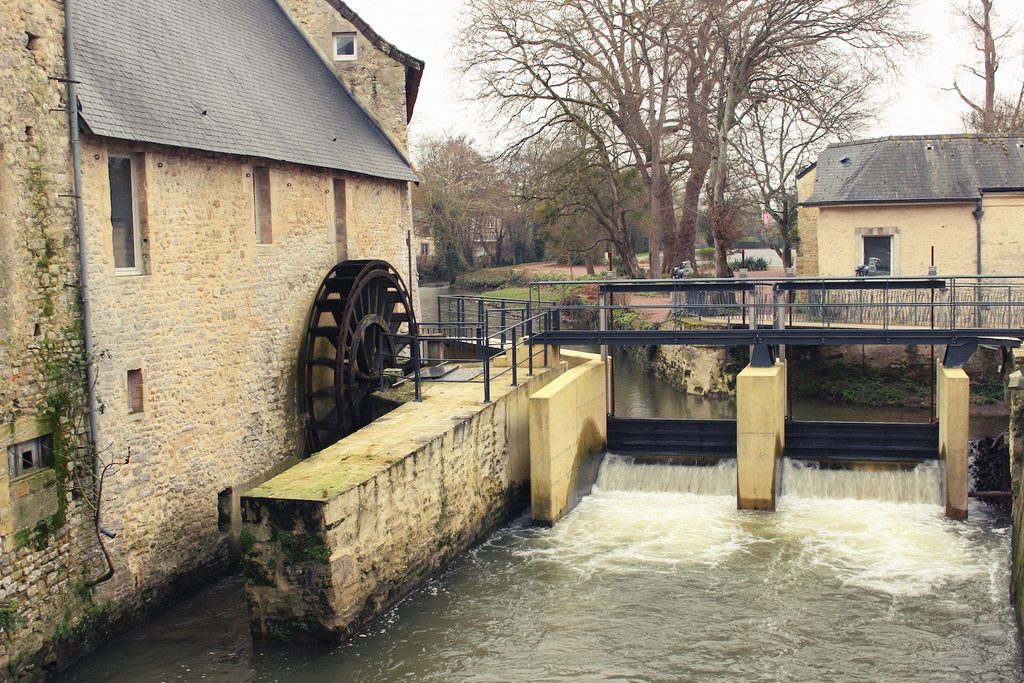
The Aure River runs through the city centre of Bayeux from north to south and is one of the most picturesque places in town for a walk.
As you follow the banks of the Aure, you’ll be taken through some beautiful green spaces, including the Parc de la Vallée de l’Aure (Park of the Valley of the Aure), Parc Michel d’Ornano (Michel d’Ornano Park) and Jardin de Salomé (Garden of Salomé).
Also look out for the historic washhouse (pictured) located near the Allée des Tanneurs where people washed their clothes and sheets.
11. Marché Saint-Patrice (Saint Patrice Market)
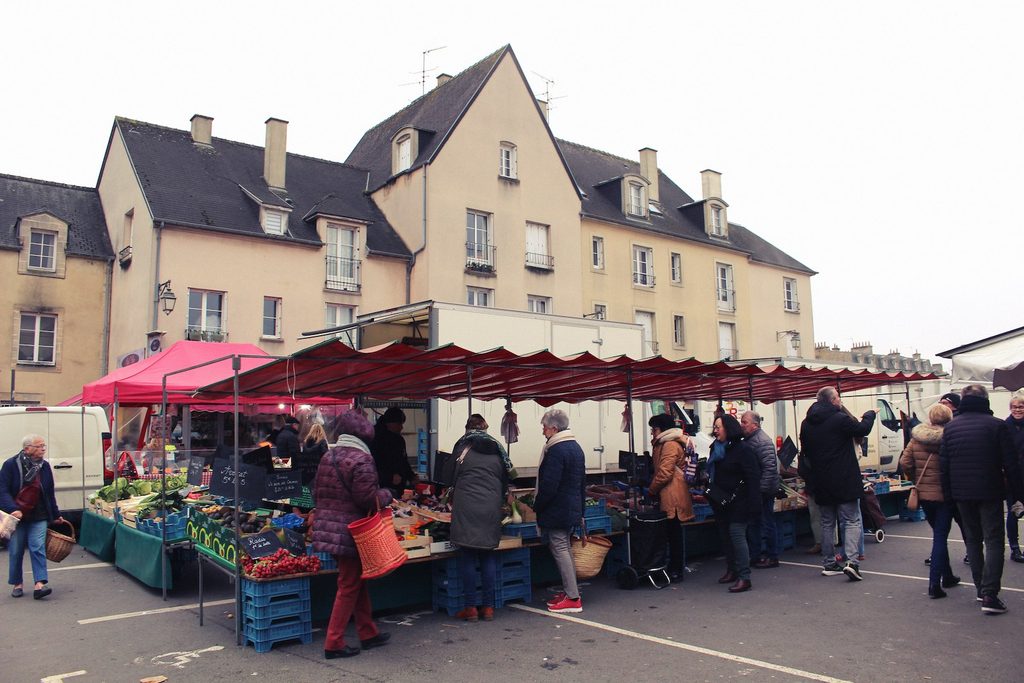
The weekly Marché Saint-Patrice (Saint Patrice Market) is an outdoor market that takes place at Place Saint-Patrice every Saturday morning.
Markets are my go-to places for an inexpensive lunch if I manage to get there in time! If you’re in Bayeux for the weekend, this is a great place to grab an affordable bite and buy local products such as cheese and pastries.
12. Place Charles de Gaulle (Charles de Gaulle Square)
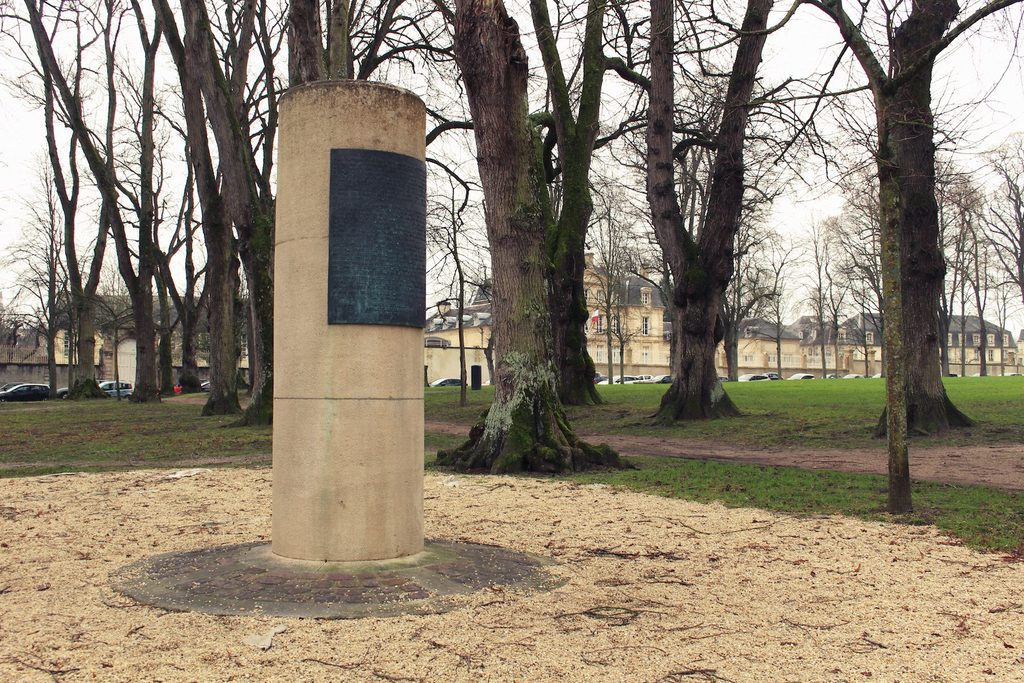
This historic public square was once the site of a medieval castle which was torn down in 1773.
It is also here that, on 14 June 1944, General Charles de Gaulle gave his first speech to a cheering crowd after the liberation of Bayeux in World War II and proclaimed Bayeux to be the capital of liberated France, a status which it held until the liberation of Paris on 25 August 1944.
Today, it is a pleasant green space lined with linden trees and a popular place for picnics on warm days.
Where to eat in Bayeux: Au Louis d’Or
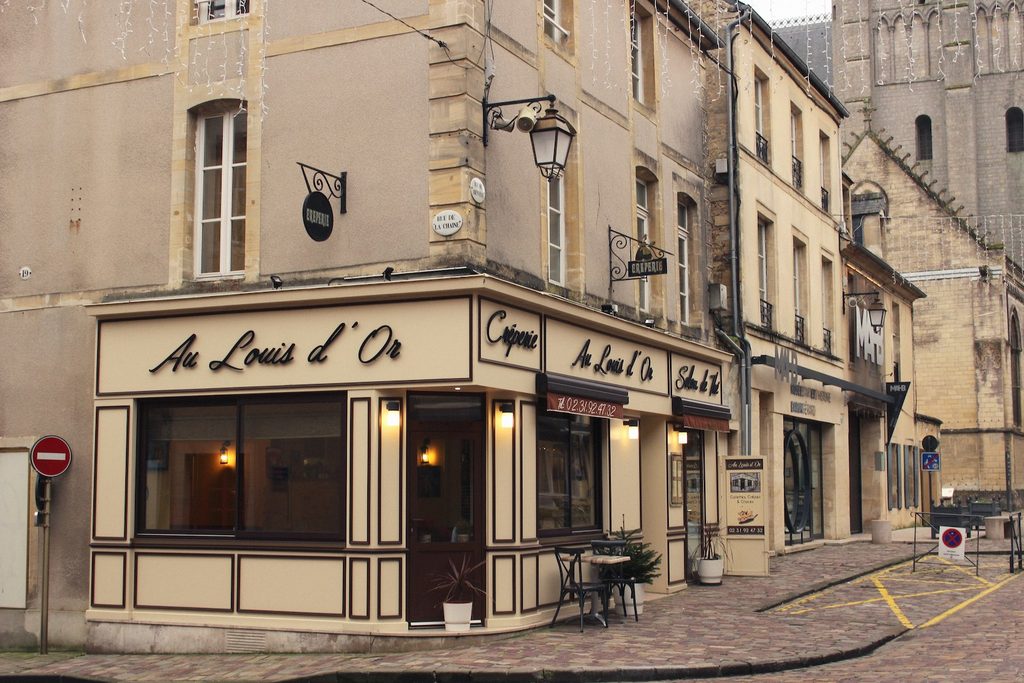
Crêpes are usually associated with the region of Brittany in northwestern France, but they are also eaten in Normandy, although the flavours and toppings of choice tend to differ.
I’m honestly not a huge fan of crêpes, which is why I was so pleasantly surprised when I stumbled upon Au Louis d’Or (35 Rue du Bienvenu), an unpretentious restaurant with simple décor and some of the heartiest crêpes I’ve ever had at very reasonable prices.
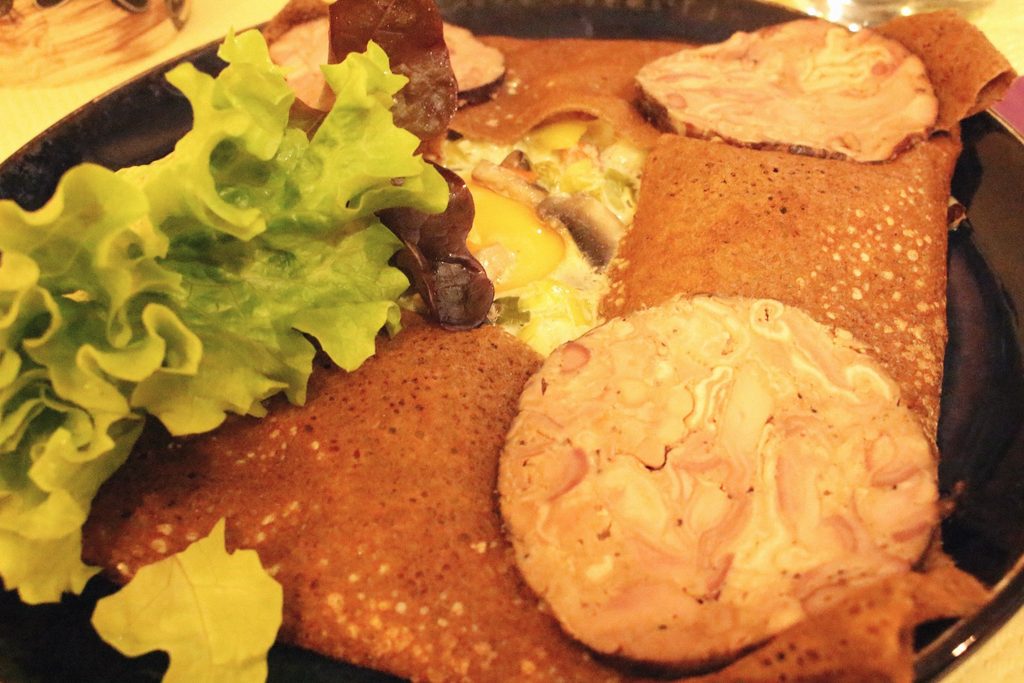
Gui and I are big eaters and were very pleased with the tasty, well-stuffed Norman crêpes!
Other places to visit near Bayeux, France
- Bayeux is a short drive from the D-Day landing beaches, with the most popular, Omaha Beach, being just 20 minutes away by car.
- Caen, the prefecture of the department of Calvados, is just a 17-minute train ride from Bayeux.
- Honfleur, Le Havre and Rouen are just an hour to an hour and a half’s drive from Bayeux.
- Driving westwards from Bayeux, you can reach Mont Saint-Michel, Avranches, Coutances and Granville in about an hour to an hour and a half.
- The Cotentin Peninsula, home to Cherbourg, La Hague, Barfleur and Saint-Vaast-la-Hougue, is about an hour’s drive away from Bayeux.

Comments are closed.