
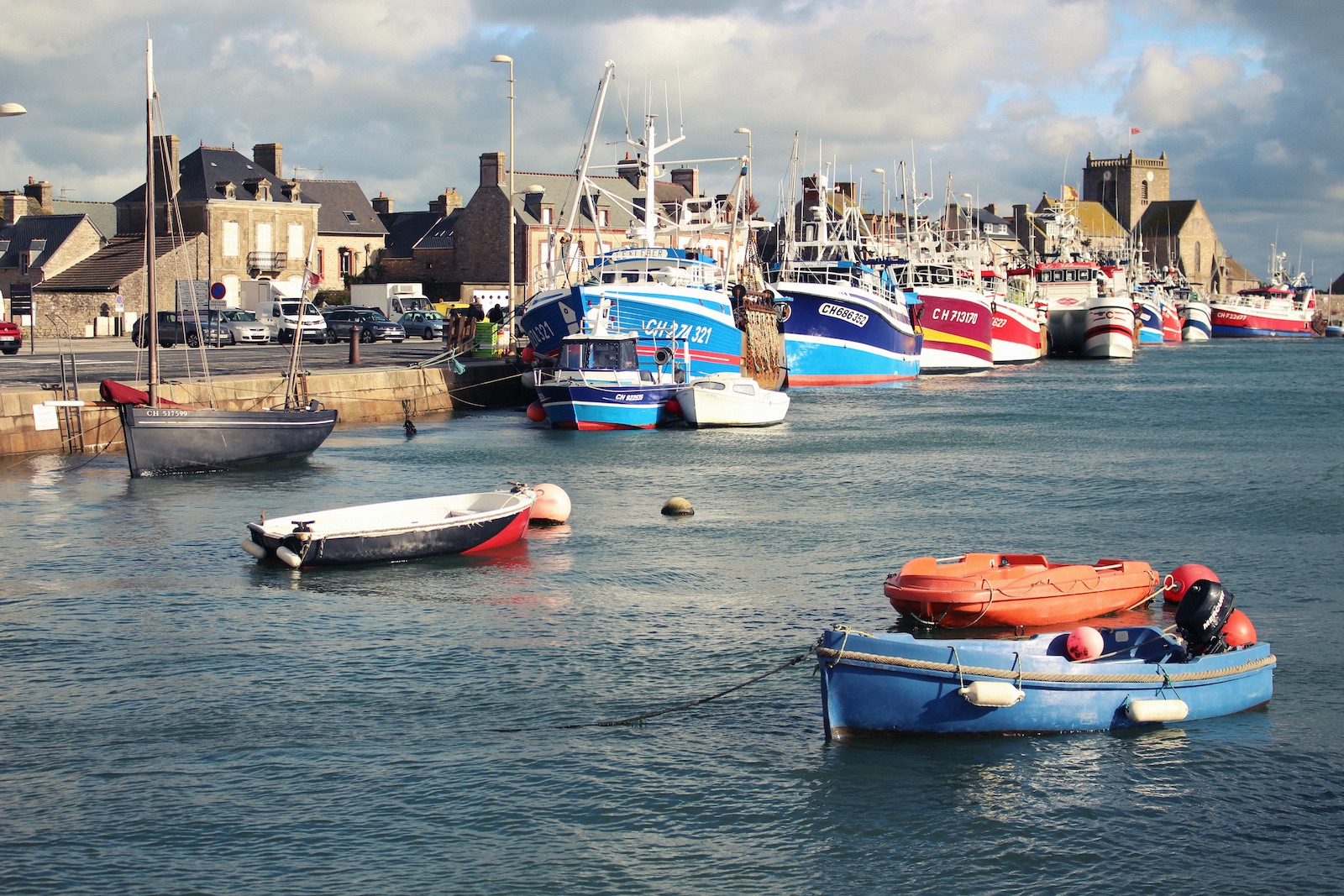
Wondering what to do in Barfleur? For starters, feast your eyes on it! Barfleur has been named one of the most beautiful villages in France (yes, this is an actual designation), and honestly, I can’t argue. Every corner of this idyllic fishing village is picture-perfect.
Barfleur is located in the Val de Saire (Saire Valley) in the northeastern part of the Cotentin Peninsula. Today, it is the smallest commune in Normandy’s Manche department, with about 500 inhabitants. It’s hard to believe that, in medieval times, it was actually a busy port.
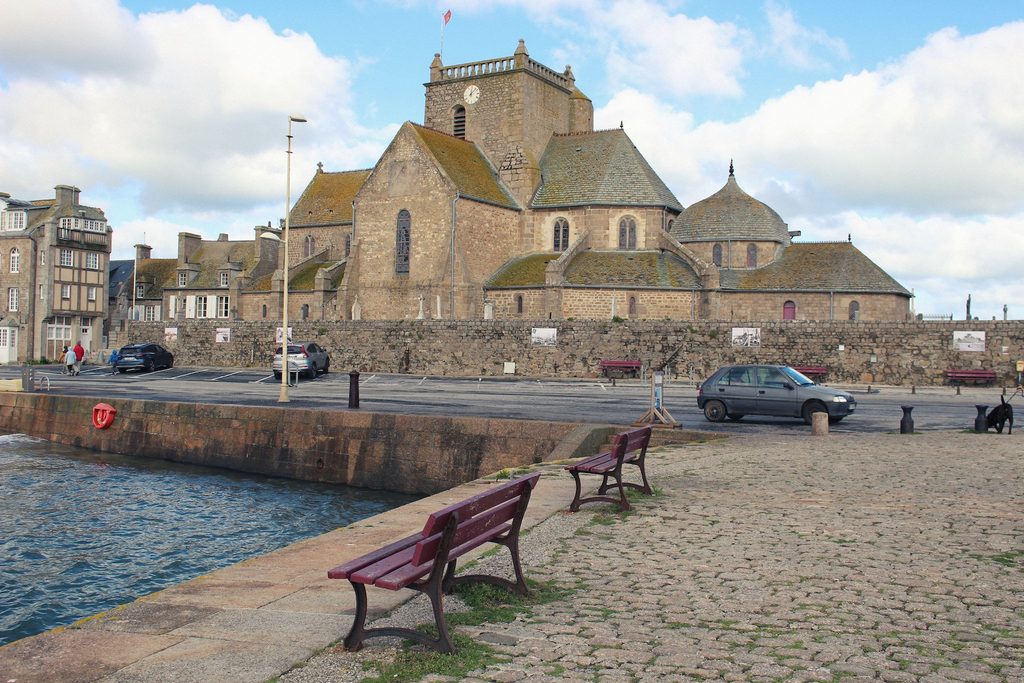
Here’s a crazy anecdote: Like many parts of Normandy, Barfleur was occupied by German forces in World War II. However, as the Allied forces fought back, Barfleur was evacuated before they arrived as the German commander had a soft spot for the village and wanted to protect it. Thus, Barfleur was spared.
Read on to find out what to see in Barfleur and neighbouring commune, Gatteville-le-Phare.
Table of Contents (click to view)
- Where to stay in Barfleur
- Is Barfleur worth visiting?
- Top 18 things to do in Barfleur
- 1. Port d’échouage de Barfleur (Drying Port of Barfleur)
- 2. Quai Henri Chardon (Henri Chardon Quay)
- 3. Église Saint-Nicolas de Barfleur (Saint Nicolas Church of Barfleur)
- 4. Cache des amoureux (Lovers’ Hideout)
- 5. Rue du Fort (Road of the Fort)
- 6. Colombier (Dovecoat)
- 7. Cour Sainte-Catherine (Saint Catherine Courtyard)
- 8. La Grande Jetée (The Big Jetty)
- 9. Phare du Cracko (Cracko Lighthouse)
- 10. Plage de la Sambière (Beach of the Sambière)
- 11. Musée Atelier de Barfleur (Museum Workshop of Barfleur)
- 12. Chapelle de la Bretonne (La Bretonne Chapel) / Église Sainte-Marie-Madeleine (Saint Marie-Madeleine Church)
- 13. Phare de la Bretonne (La Bretonne Lighthouse)
- 14. Chemin de la Masse (La Masse Path)
- 15. Phare de Gatteville (Gatteville Lighthouse)
- 16. Port de Roubary (Roubary Port)
- 17. Église Saint-Pierre de Gatteville-le-Phare (Saint Pierre Church of Gatteville-le-Phare)
- 18. Chapelle Notre-Dame-de-Bon-Secours de Gatteville-le-Phare (Gatteville-le-Phare Notre Dame de Bon Secours Chapel) / Chapelle des Marins (Chapel of the Sailors)
- Other destinations near Barfleur
Where to stay in Barfleur
- Gorgeous rooms in a highly central location – Le Mora Hôtes offers exquisitely decorated rooms and facilities like a sauna, a fitness centre and children’s play areas.
- Rooms with stunning views of the sea – The views from Les Transats Chambre et appartements Face à la mer are second to none, with some rooms offering panoramic ocean views.
- Charming guesthouse near the sea – Le Conquérant is housed in a lovely historic building with a garden, terrace and inner courtyard just a 12-minute walk from the beach.
Is Barfleur worth visiting?
- Beautiful, idyllic village – Designated one of the most beautiful villages in France, Barfleur has a stunning harbour and charming architecture. It’s the perfect location for a quiet weekend away on the coast and has served as inspiration for numerous writers and artists.
- Easy day trip from Cherbourg – Barfleur can be visited as a day trip from cities in Normandy such as Cherbourg, which is accessible in about an hour by bus.
- Good base for visiting the Val de Saire (Saire Valley) – Barfleur is a good base from which to explore nearby locations in the Val de Saire (Saire Valley) such as Saint-Vaast-la-Hougue and Île Tatihou (Tatihou Island).
Top 18 things to do in Barfleur
Barfleur is a small village and can mostly be explored on foot. However, many visitors to Barfleur also visit the neighbouring village of Gatteville-le-Phare, also known simply as Gatteville.
Gatteville is just a five-minute car ride away, but if you aren’t driving, you can also get there on foot in about half an hour. You can also walk from the village centre of Barfleur to the Phare de Gatteville (Gatteville Lighthouse) in about 45 to 50 minutes via the Chemin de la Masse (La Masse Path), enjoying breathtaking coastal views along the way.
So, here are the top sights in Barfleur, arranged more or less in order of importance, in my subjective opinion. I’ve put key sights in Gatteville at the end of the list (#15 to #18), for those who are motivated to make the trip.
1. Port d’échouage de Barfleur (Drying Port of Barfleur)
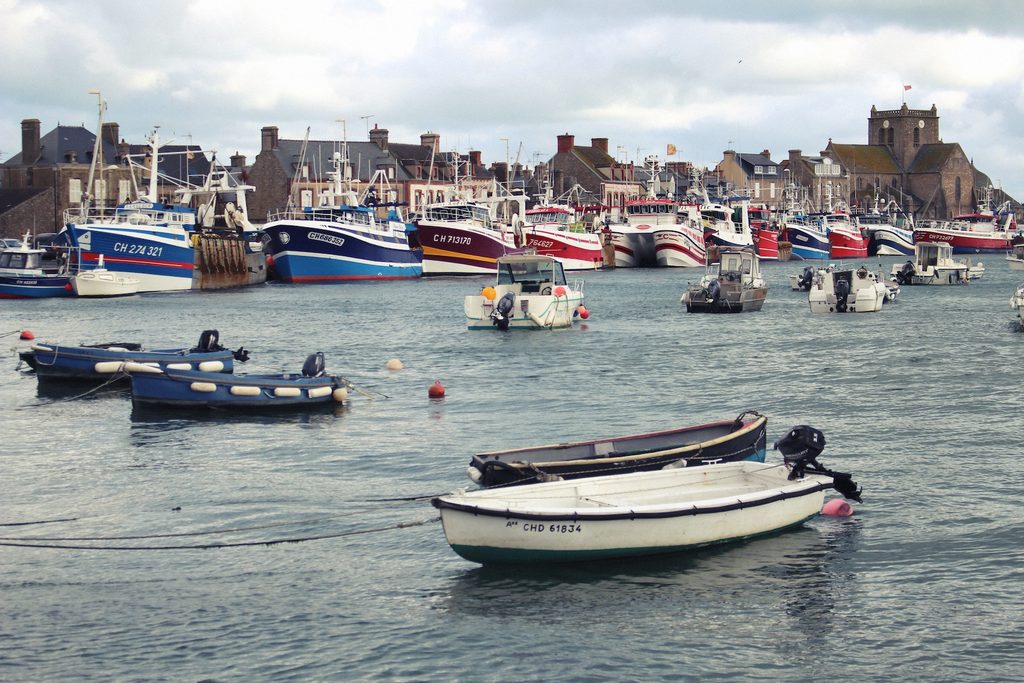
Barfleur’s 19th-century port is its beating heart. As picturesque as it is, the port is also a working fishing harbour, where boats dock and unload the catch of the day. This is a drying port rather than a deep-water port, which means that boats settle onto the bed of the harbour at low tide, rising again to the surface of the water at high tide. It is worth spending at least a full day in Barfleur to witness how the harbour changes with the tide.
2. Quai Henri Chardon (Henri Chardon Quay)
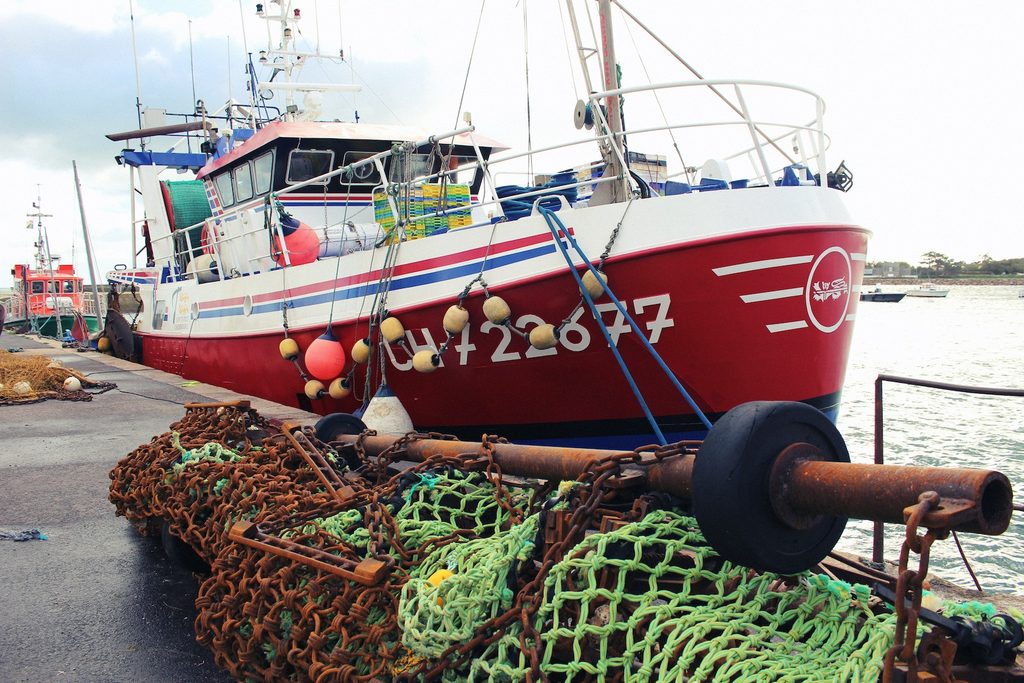
Quai Henri Chardon is the northern quay of the Port d’échouage de Barfleur (Drying Port of Barfleur), and also the busiest and best place for people-watching and observing the fishing boats. As you walk along the quay from the village centre, notice the quaint granite houses on your left, many of which were old fishermen’s homes.
3. Église Saint-Nicolas de Barfleur (Saint Nicolas Church of Barfleur)
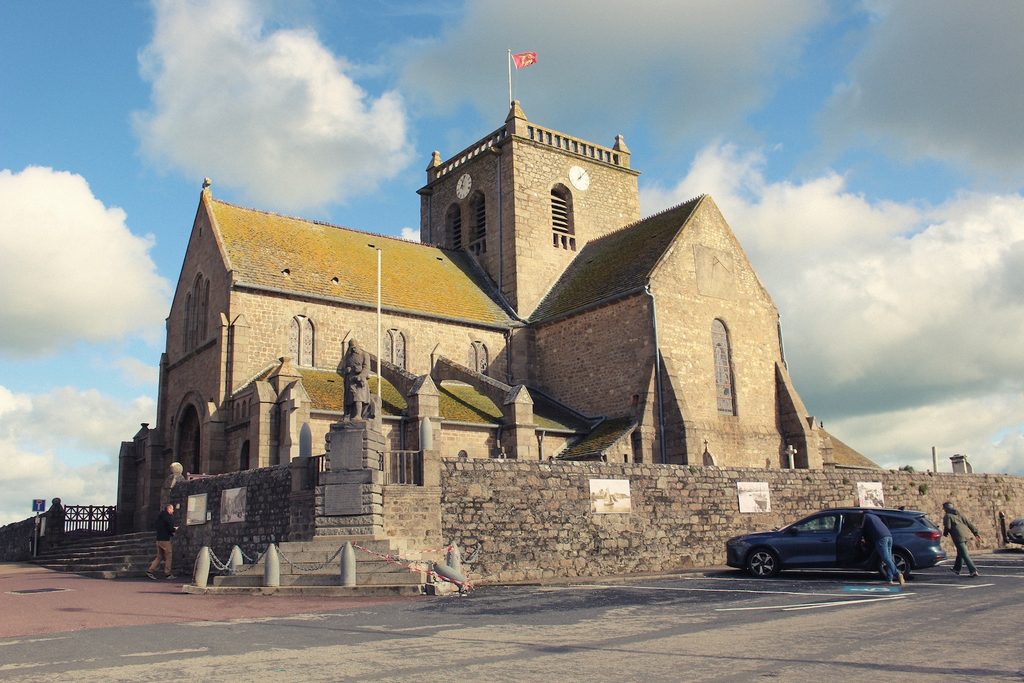
As you come to the end of Quai Henri Chardon (Henri Chardon Quay), you’ll see the evocative Église Saint-Nicolas (Saint Nicolas Church), one of Barfleur’s most recognisable landmarks. The current building was constructed between the 17th and 19th centuries, replacing an earlier Roman church dedicated to Saint Nicolas, the patron saint of sailors.
4. Cache des amoureux (Lovers’ Hideout)
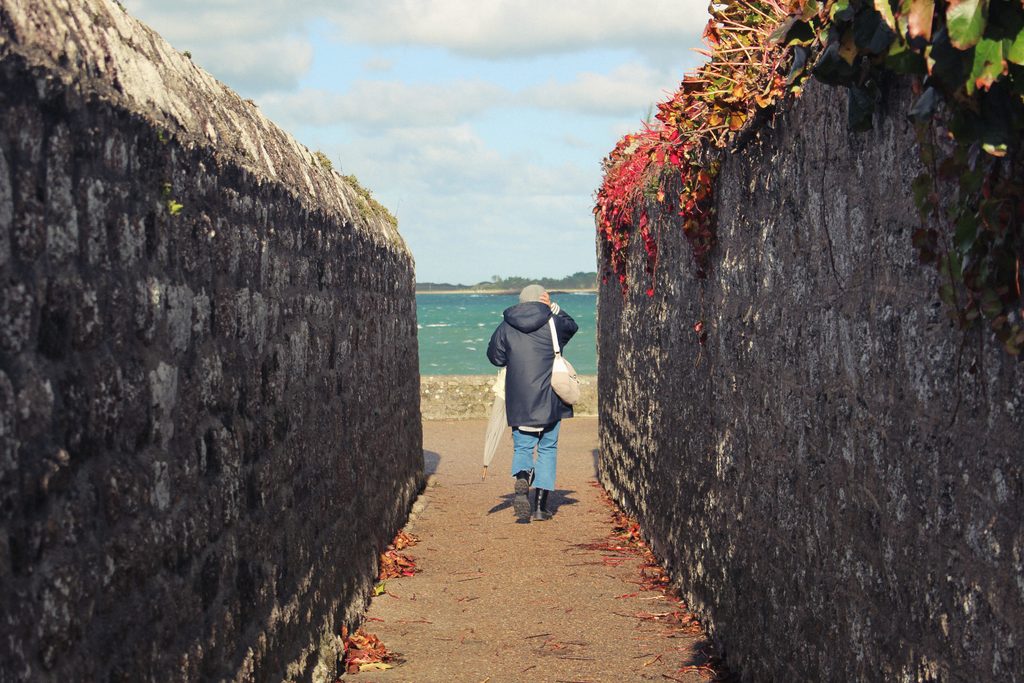
To the right of Église Saint-Nicolas de Barfleur (Saint Nicolas Church of Barfleur) when you’re facing the church, look out for a tiny pedestrian lane labelled Cache des amoureux (Lover’s Hideout). This narrow lane leads to the scenic Rue du Fort (Road of the Fort), but also has a charm of its own. Your heart will skip a beat as you glimpse the ocean on the other end of the lane.
5. Rue du Fort (Road of the Fort)
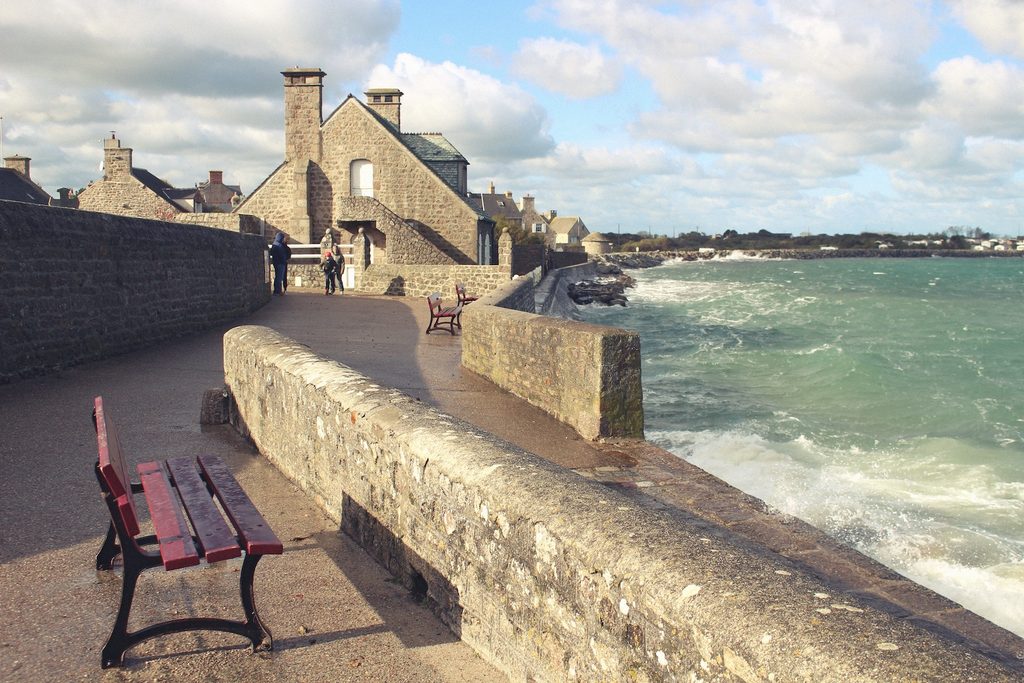
Venture behind Église Saint-Nicolas (Saint Nicolas Church) and you’ll find Rue du Fort (Road of the Fort) on the north coast of Barfleur. It is one of Barfleur’s most scenic streets as it hugs the coastline, taking you north towards Gatteville-le-Phare. At high tide, waves batter the seawalls and spill over onto the street.
6. Colombier (Dovecoat)
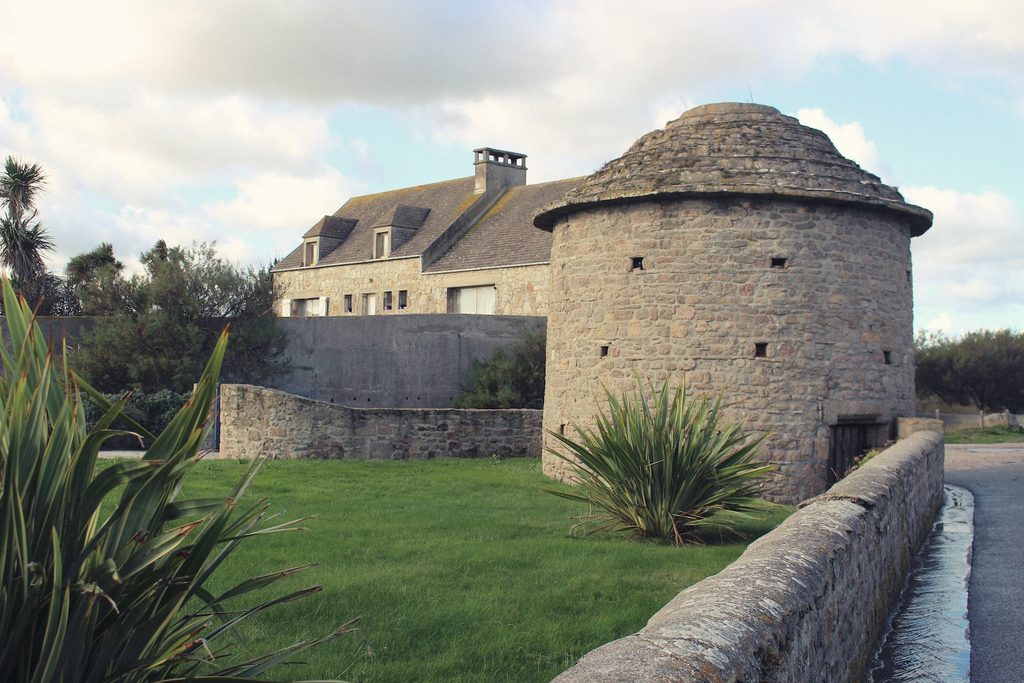
As you walk along Rue du Fort (Road of the Fort), you’ll come across a historic stone tower dating back to the 15th century. This Colombier (Dovecoat) was formerly part of the home of wealthy nobles, and used to breed and house pigeons.
7. Cour Sainte-Catherine (Saint Catherine Courtyard)
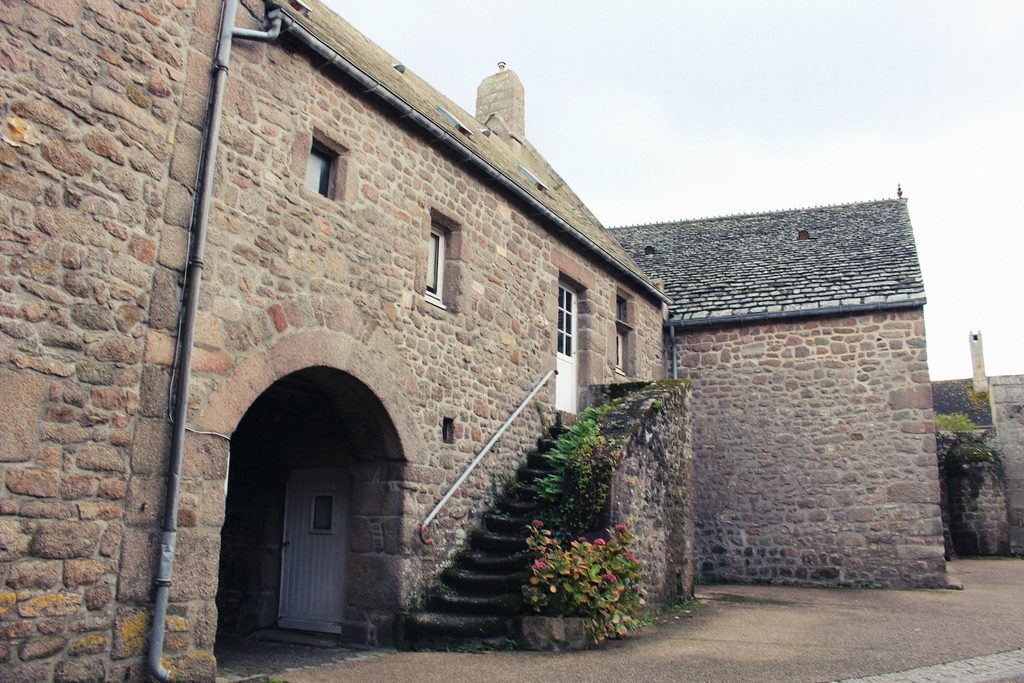
This little courtyard is easy to miss, so keep an eye out for its unassuming entrance. Cour Sainte-Catherine (Saint Catherine Courtyard) is home to Barfleur’s last medieval house, having survived fire and English attacks.
8. La Grande Jetée (The Big Jetty)
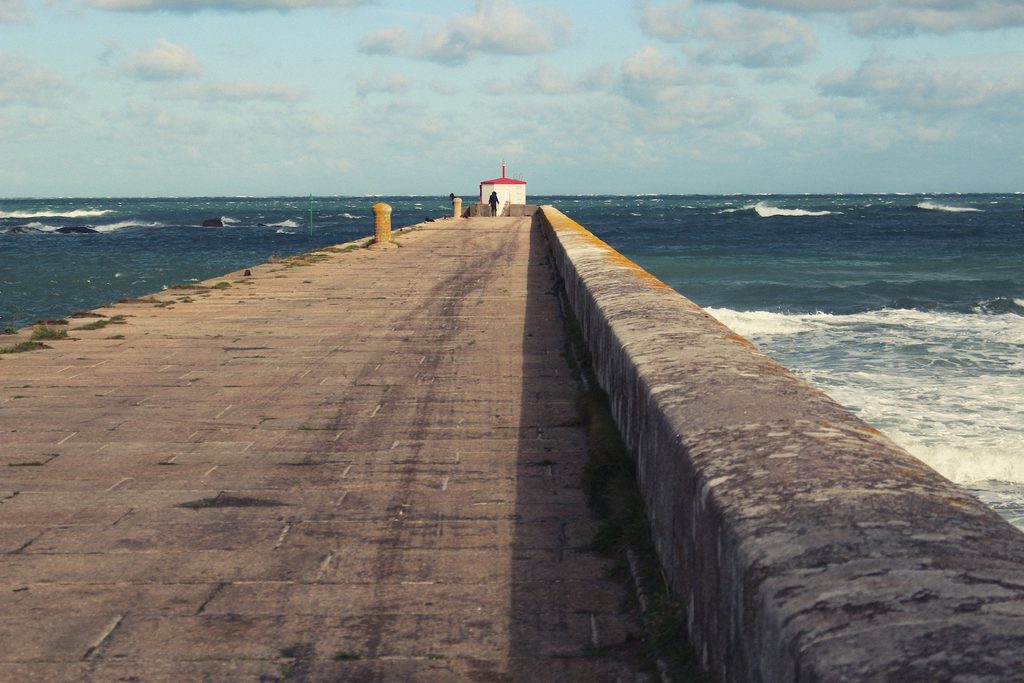
This 19th-century jetty was built to protect Barfleur’s harbour. You can walk along the jetty all the way to the end, but watch out for the waves!
9. Phare du Cracko (Cracko Lighthouse)
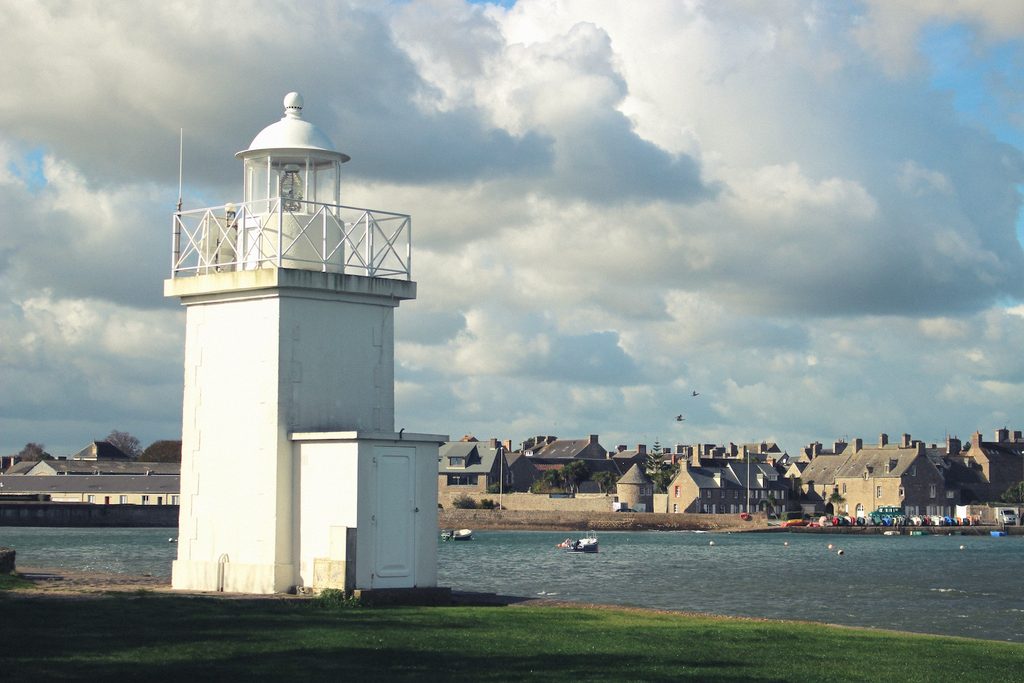
Located a stone’s throw from La Grande Jetée (The Big Jetty), you’ll find the gleaming white Phare du Cracko (Cracko Lighthouse), built in 1844 to guide boats into the port. The lighthouse was powered by electricity from 1932.
10. Plage de la Sambière (Beach of the Sambière)
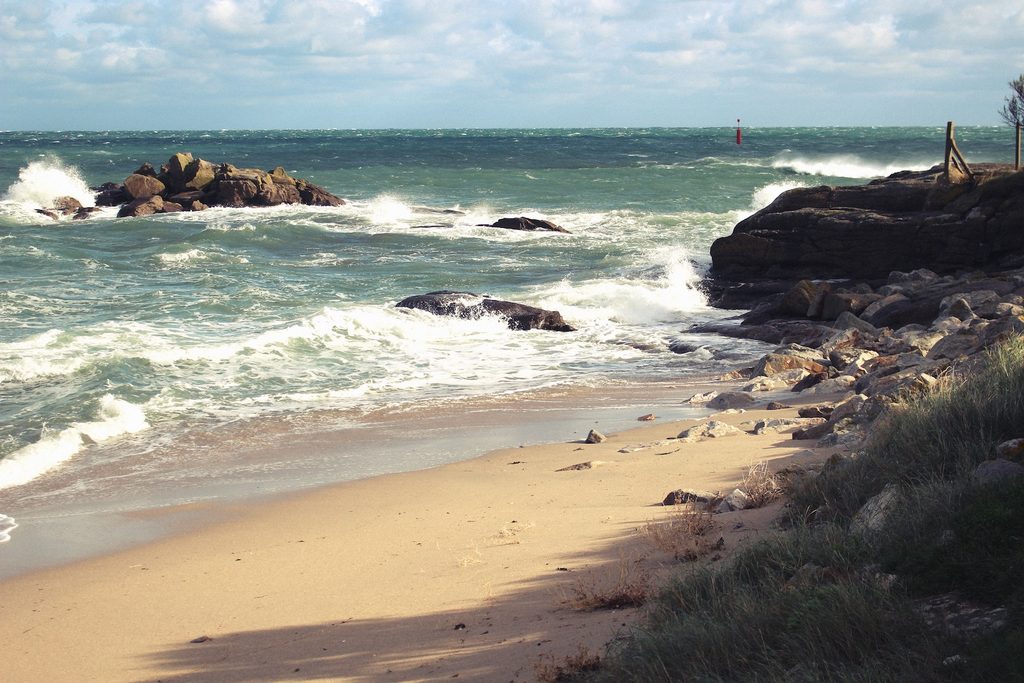
This beach, located within easy walking distance from the village centre, is located near the Grande Jetée (Big Jetty). It offers a remarkable dose of unspoiled nature and untouched Norman coastline. It is thus perfect for walking, hiking and birdwatching.
11. Musée Atelier de Barfleur
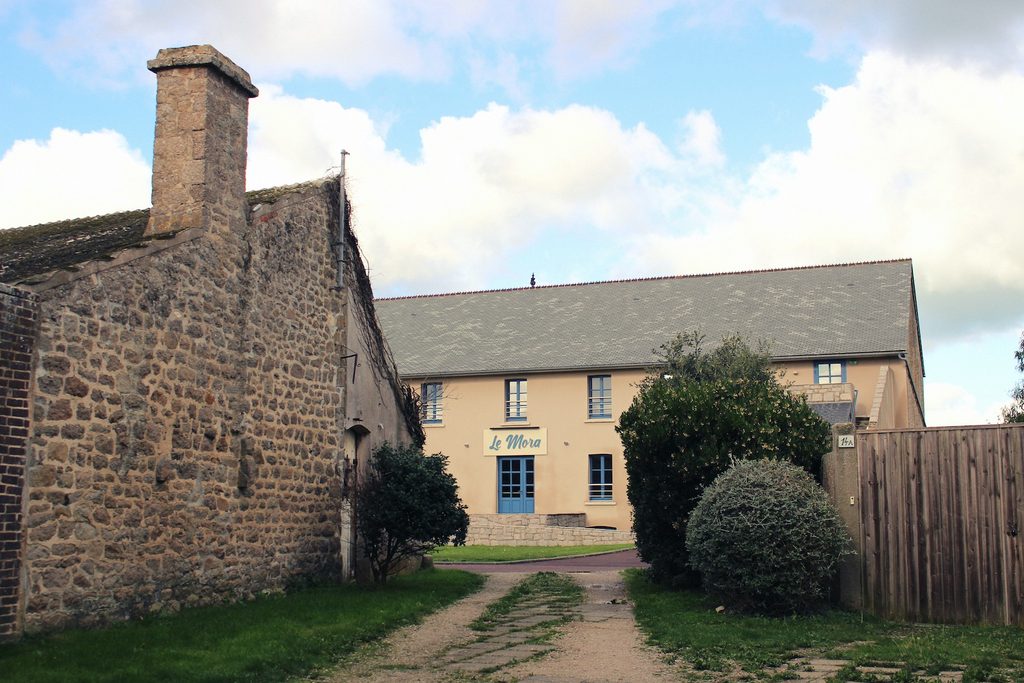
This museum is dedicated to Barfleur’s maritime past and present. Other than boat models and marine artefacts, you’ll find exhibits dedicated to famous seafarers who left their mark on Barfleur, including Guillaume le Conquérant (William I the Conqueror) and interesting local artwork and traditions.
12. Chapelle de la Bretonne (La Bretonne Chapel) / Église Sainte-Marie-Madeleine (Saint Marie-Madeleine Church)
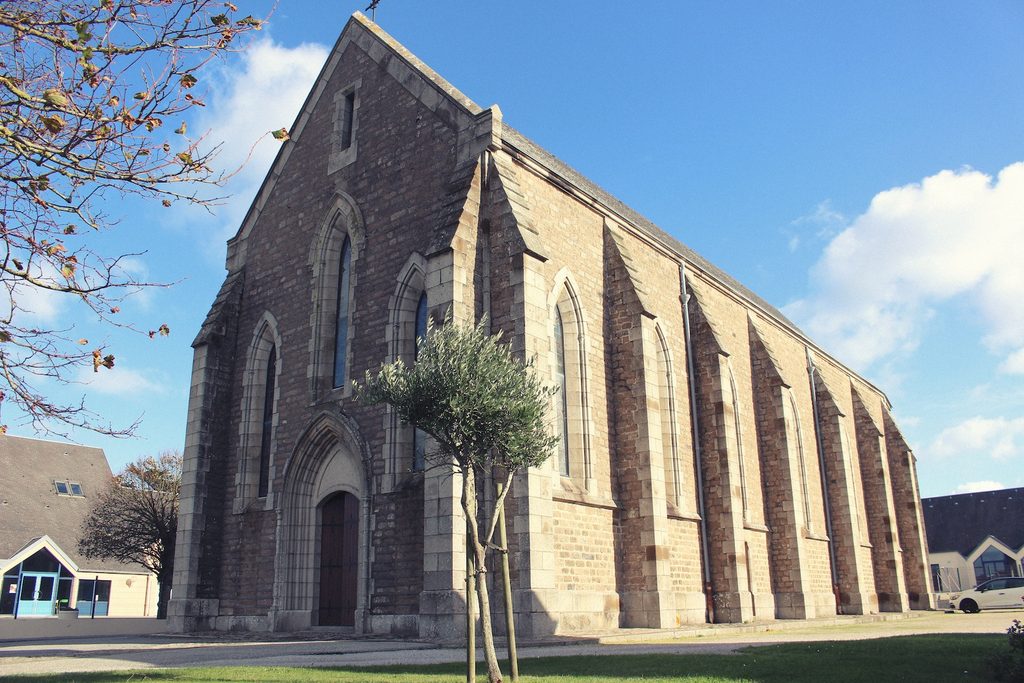
This 19th-century Neo-Gothic church on 417 Rue du Lavoir goes by more than one name. Confusing, but I’ll explain why. Chapelle de la Bretonne (La Bretonne Chapel), as it is officially known, was founded by a French nun named Julie Postel, known as Mother Marie-Madeleine when she made her vows. She was born in La Bretonne, a historic district near Barfleur where the church now stands.
13. Phare de la Bretonne (La Bretonne Lighthouse)
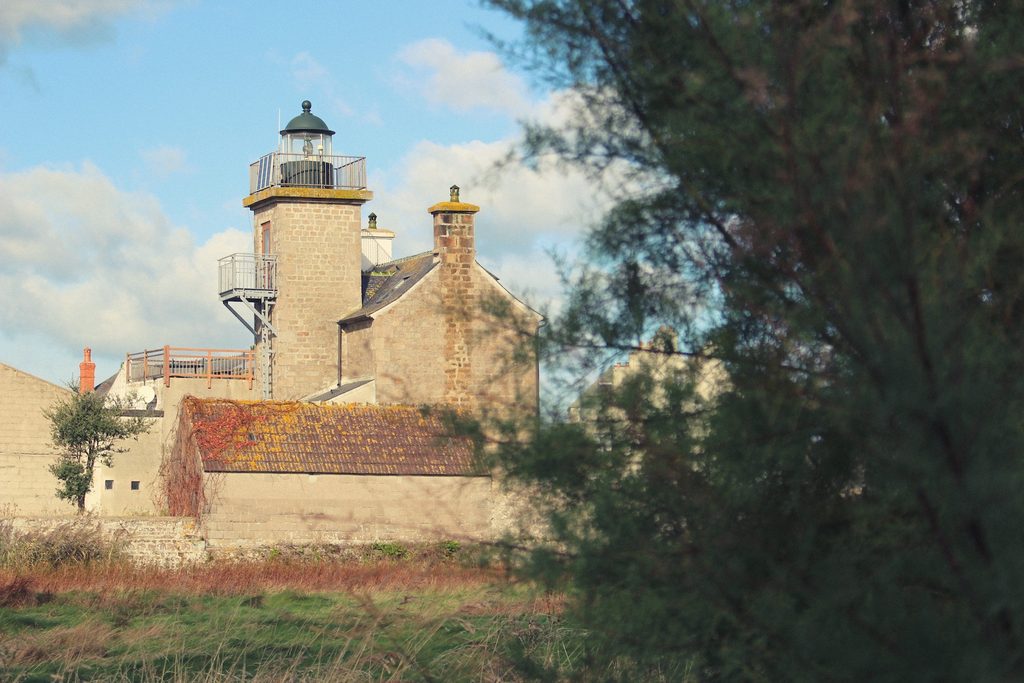
Just across the road from Chapelle de la Bretonne (La Bretonne Chapel), you’ll see the 19th-century Phare de la Bretonne (La Bretonne Lighthouse), built to help sailors and fishermen navigate the rocky coast. The building is interesting because the tower is integrated with a two-storey house.
14. Chemin de la Masse (La Masse Path)
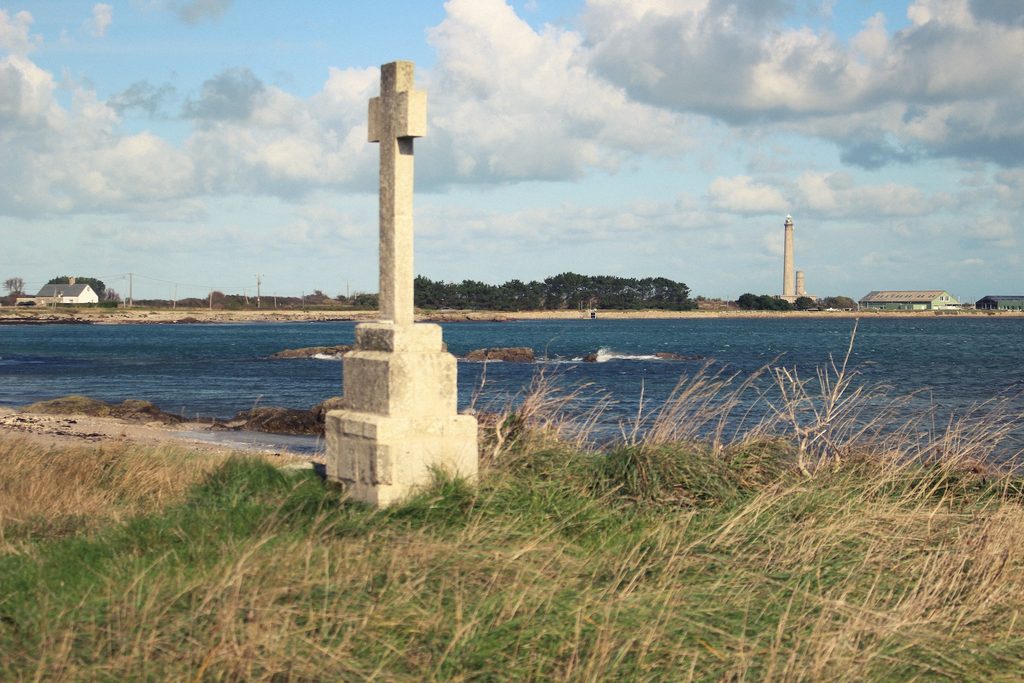
Chemin de la Masse (La Masse Path) is one of Barfleur’s best walking trails. It hugs the coast to the north until the Pointe de Barfleur (Barfleur Point), technically located in the neighbouring commune of Gatteville-le-Phare. The walk up to the Phare de Gatteville (Gatteville Lighthouse) should take 45 to 50 minutes if you’re reasonably fit.
15. Phare de Gatteville (Gatteville Lighthouse)
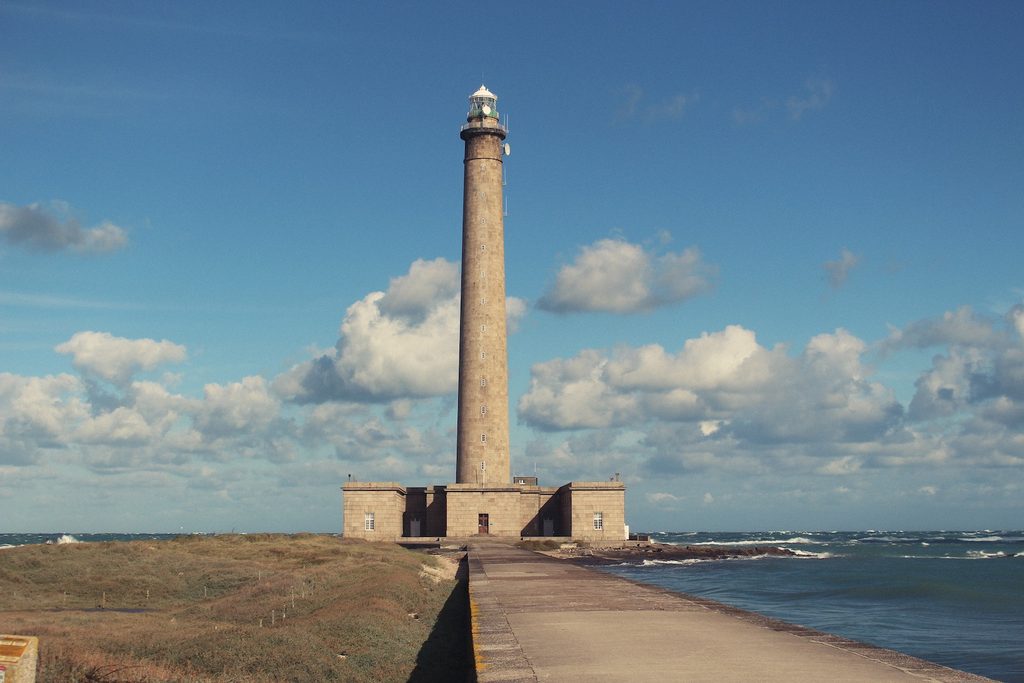
The remaining sights are officially located in neighbouring commune Gatteville, also known as Gatteville-le-Phare. If you follow the Chemin de la Masse (La Masse Path) from Barfleur, you’ll eventually find yourself in the shadow of the Phare de Gatteville (Gatteville Lighthouse) at the Pointe de Barfleur (Barfleur Point). Standing at 75 m (247 feet), it is the world’s third-tallest traditional lighthouse.
16. Port de Roubary (Roubary Port)
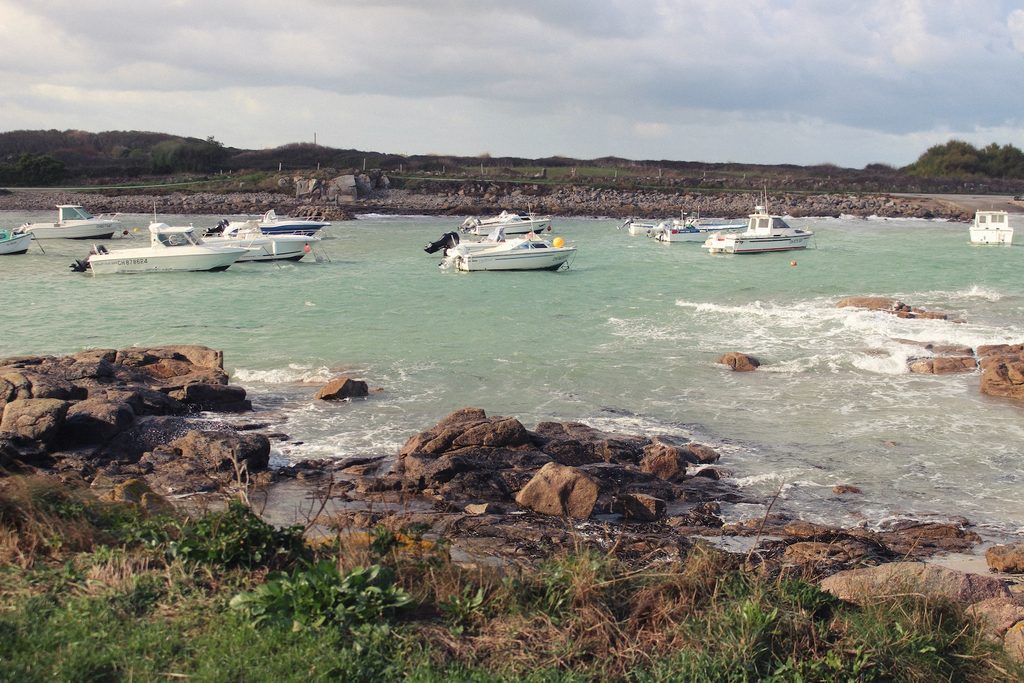
A 20-minute walk from the Phare de Gatteville (Gatteville Lighthouse) is the charming Port de Roubary (Roubary Port). At the start of the 19th century, this drying port served as a point of departure for boats shipping granite to Le Havre for the construction of the city’s ports and harbour.
17. Église Saint-Pierre de Gatteville-le-Phare (Saint Pierre Church of Gatteville-le-Phare)
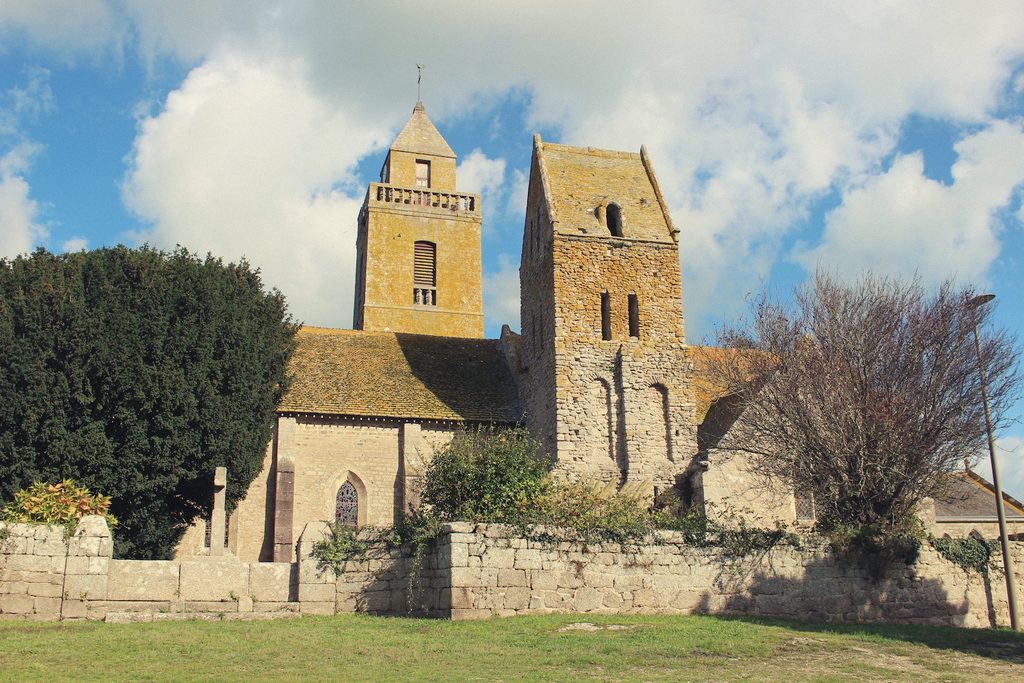
This church in the village centre of Gatteville sits smack in the middle of the main square, Place Notre-Dame (Notre Dame Square), making it a focal point of the commune. The church has two bells, including one of Roman origin dating back to the 11th century. That said, much of the building was reconstructed in the 18th century.
18. Chapelle Notre-Dame-de-Bon-Secours de Gatteville-le-Phare (Gatteville-le-Phare Notre Dame de Bon Secours Chapel) / Chapelle des Marins (Chapel of the Sailors)
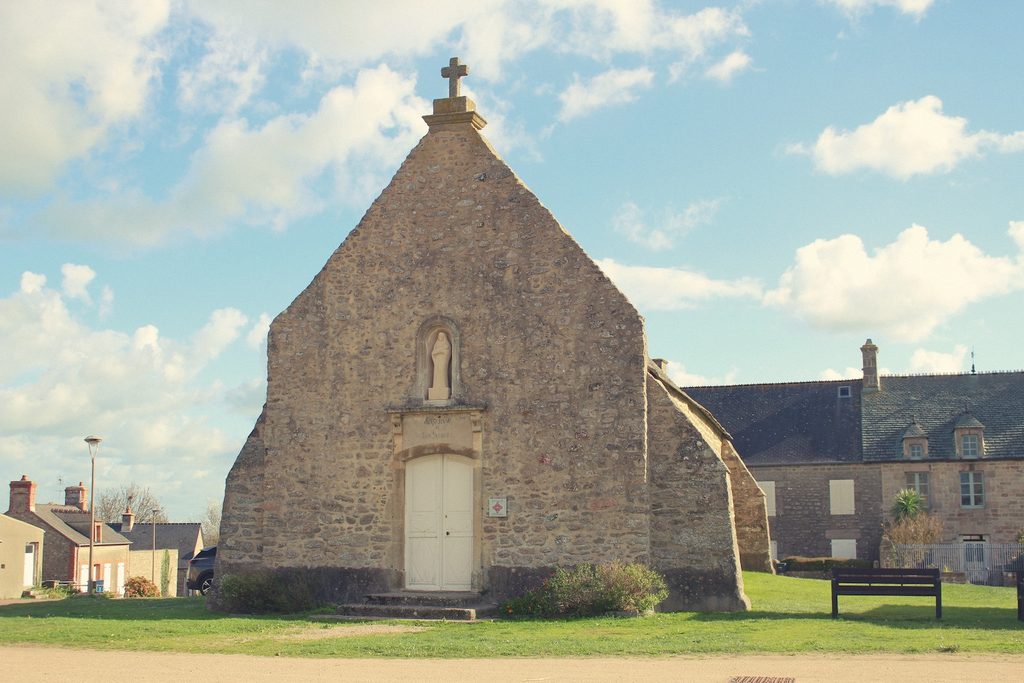
Chapelle Notre-Dame-de-Bon-Secours de Gatteville-le-Phare (Gatteville-le-Phare Notre Dame de Bon Secours Chapel), also known by locals as Chapelle des Marins (Chapel of the Sailors), is a small place of worship built in the 11th century. Some of the murals date back to the 11th century.
Other destinations near Barfleur
- Barfleur is reachable by local bus from Cherbourg in about an hour and can be comfortably visited as a day trip.
- Barfleur is less than an hour’s drive from La Hague, home to some of the Cotentin Peninsula’s most stunning natural sites.
- Barfleur is a gateway to other destinations in the Val de Saire (Saire Valley), including Saint-Vaast-la-Hougue with its UNESCO-listed Vauban towers, and Île Tatihou (Tatihou Island).
- Barfleur is located about a 40-minute drive from Utah Beach and an hour from Omaha Beach, two of the most-visited D-Day beaches in Normandy.
- With a car, you can get to Bayeux, Coutances, Avranches, Granville and even Mont Saint-Michel in under two hours or Honfleur, Le Havre and Rouen in two and a half hours or less.

Comments are closed.