
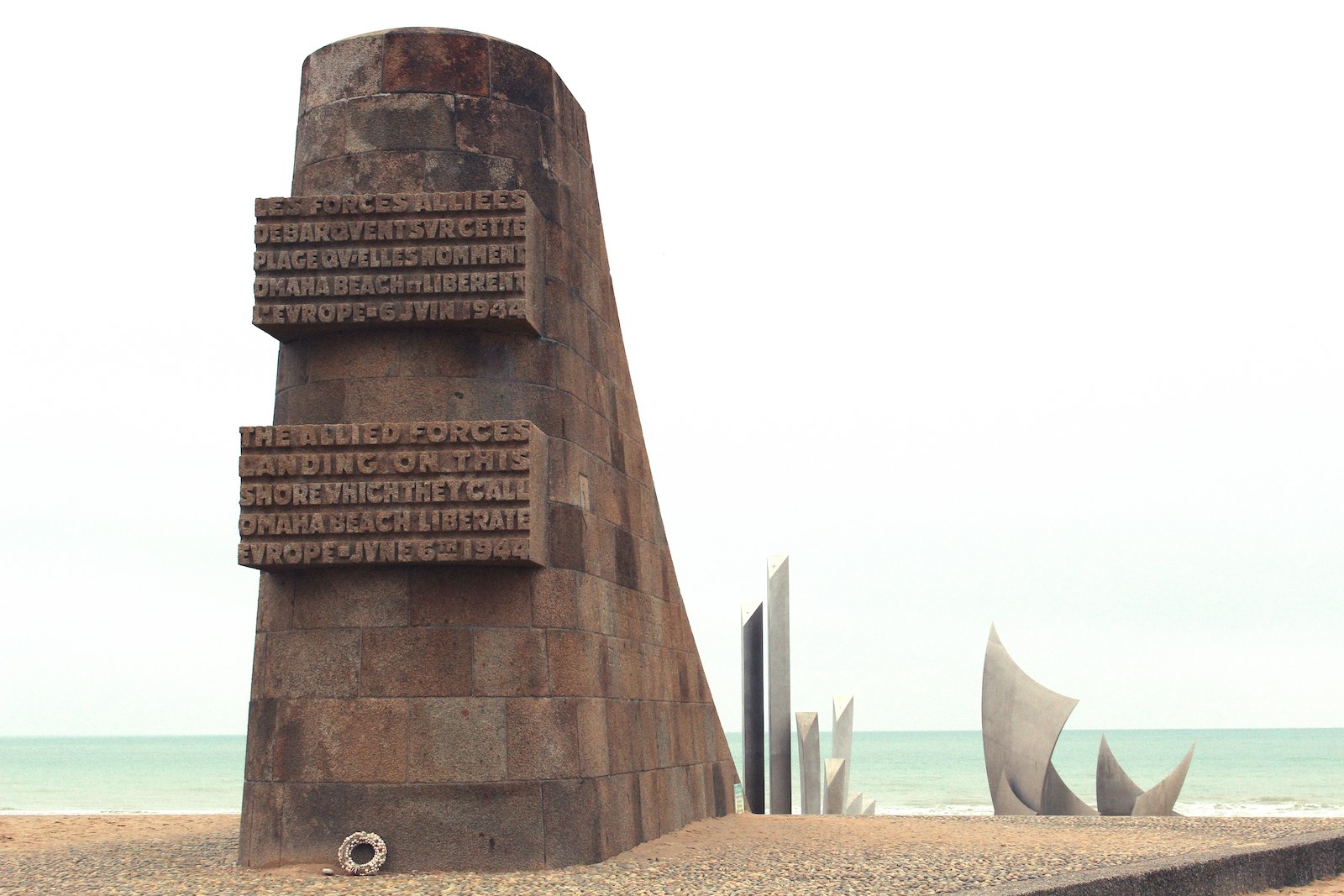
On 6 June 1944, five beaches in Normandy made history. Allied forces landed on five beaches along the coast of Nazi-occupied Normandy, divided into five sectors named Utah, Omaha, Gold, Juno and Sword.
Fighting their way across the beach, they overcame German forces and eventually helped liberate France and put an end to German occupation.
Today, the D-Day landing beaches are a UNESCO World Heritage Site. Of the five D-Day beaches, Omaha Beach is the most popular among visitors. It was where the most intense fighting took place and where American troops lost the most lives. Several films about World War II have featured Omaha Beach, including Saving Private Ryan.
I’ve been to countless beaches in France, but none of them were like Omaha Beach, which is in the Calvados department in Normandy. For me, the visit to Omaha Beach was a mournful and sobering reminder of the ravages of war.
Table of Contents (click to view)
Omaha Beach hotels
Wondering where to stay at Omaha Beach? Omaha Beach spans several communes or municipalities. Most of the options for accommodation near Omaha Beach are in Colleville-sur-Mer, Vierville-sur-Mer and Port-en-Bessin-Huppain.
- Hotel on Omaha Beach – Logis Hotel du Casino Restaurant Le Mathelia is one of the most convenient Omaha Beach accommodation options available as it is located right on the beachfront and has its own restaurant with sea views.
- Apartment-style accommodation along Omaha Beach – Belambra Clubs Colleville-sur-Mer offers self-catering apartments, some with sea views over Omaha Beach.
- Resort experience a 20-minute drive from Omaha Beach – Mercure Bayeux Omaha Beach offers a luxurious resort experience, with views over a 36-hole golf course and an outdoor swimming pool.
8 things to do at Omaha Beach
There are many Omaha Beach attractions to visit, with numerous private museums having popped up to capitalise on its popularity as a World War II site.
To help you prioritise, I’ve compiled this Omaha Beach guide to include the sights that I think are most worth visiting, ranked in order of importance.
1. Normandy American Cemetery and Memorial
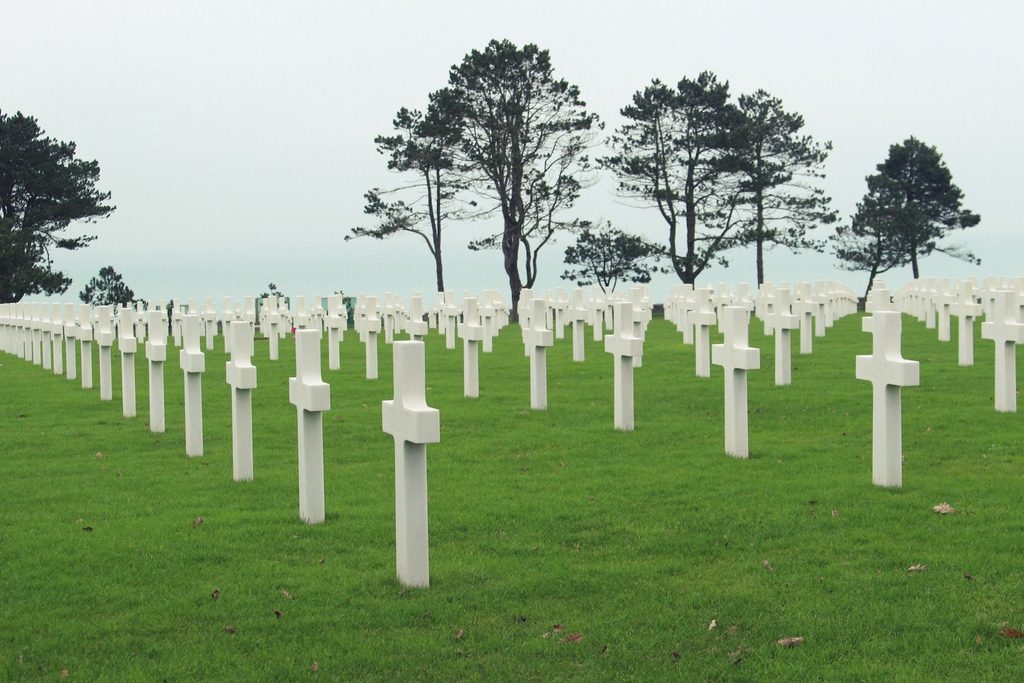
It’s not every day that I recommend a cemetery as a top sight, but the Normandy American Cemetery and Memorial at Omaha Beach is genuinely remarkable to visit.
The cemetery is spectacular and distinctively American in its grandeur and style, with its huge, symmetrical layout and colossal memorial building driving home the sheer scale of the losses during the Battle of Normandy in World War II.
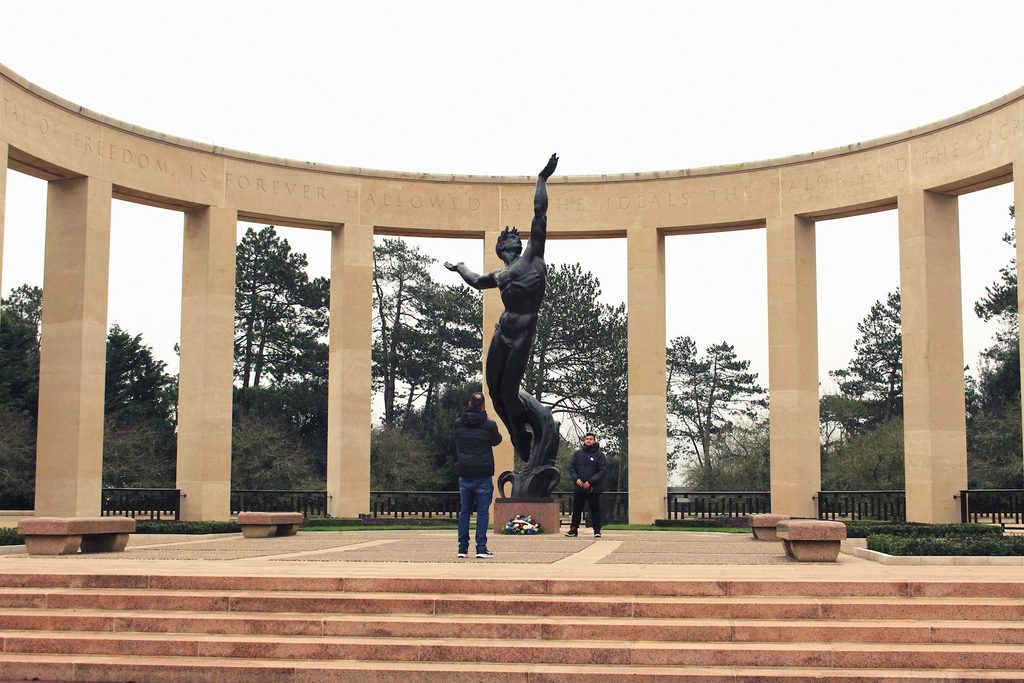
This is not a site to rush through. Give yourself the time to walk through the cemetery and contemplate the devastation of war.
Located in the municipality of Colleville-sur-Mer, the cemetery is home to 9,389 graves, mostly of those who died in the D-Day landings and operations.
The Walls of the Missing, a monumental curved memorial, commemorates 1,557 people reported missing, and marks the names of those who have since been found. There is also a memorial chapel with an evocative mosaic on the ceiling illustrating the United States blessing its fallen soldiers and France laying a laurel on them in gratitude.
2. Omaha Landing Beach
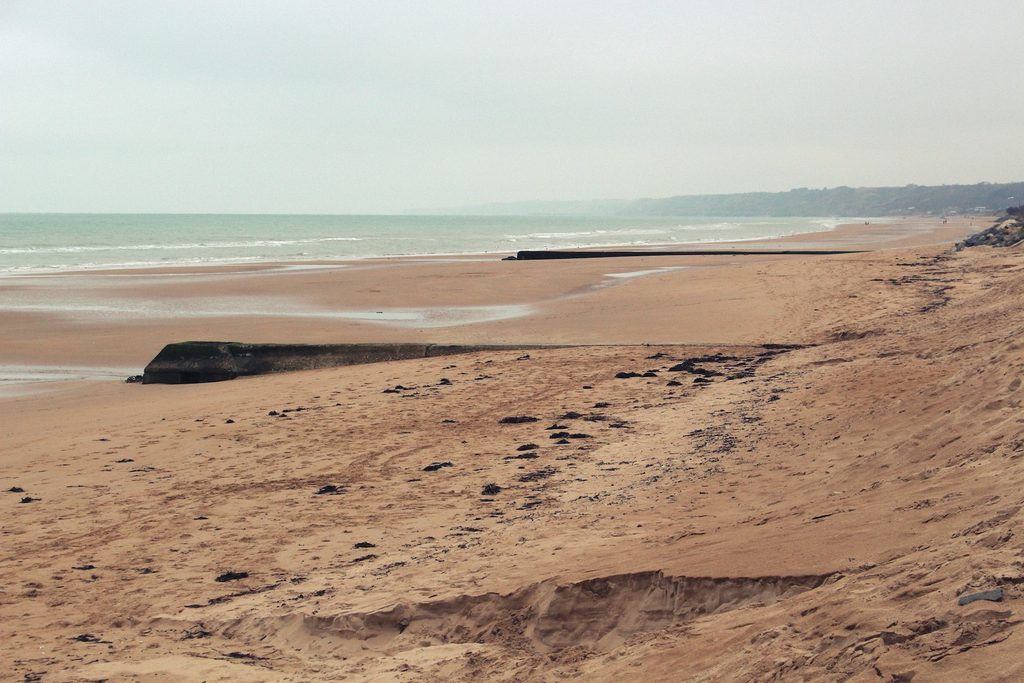
Omaha Beach was one of the five beaches on which Allied forces landed during Operation Overlord on 6 June 1944. Stretching for about 8 km, Omaha Beach was where American troops landed, linking up with British troops at Gold Beach and other American troops at Utah Beach.
After landing, the American soldiers still had to cross the sand and a strip of land to reach the German defences on the cliffs overlooking the beach, all while being fired at incessantly. Imagining that scene still sends shivers down my spine.
3. Les Braves II
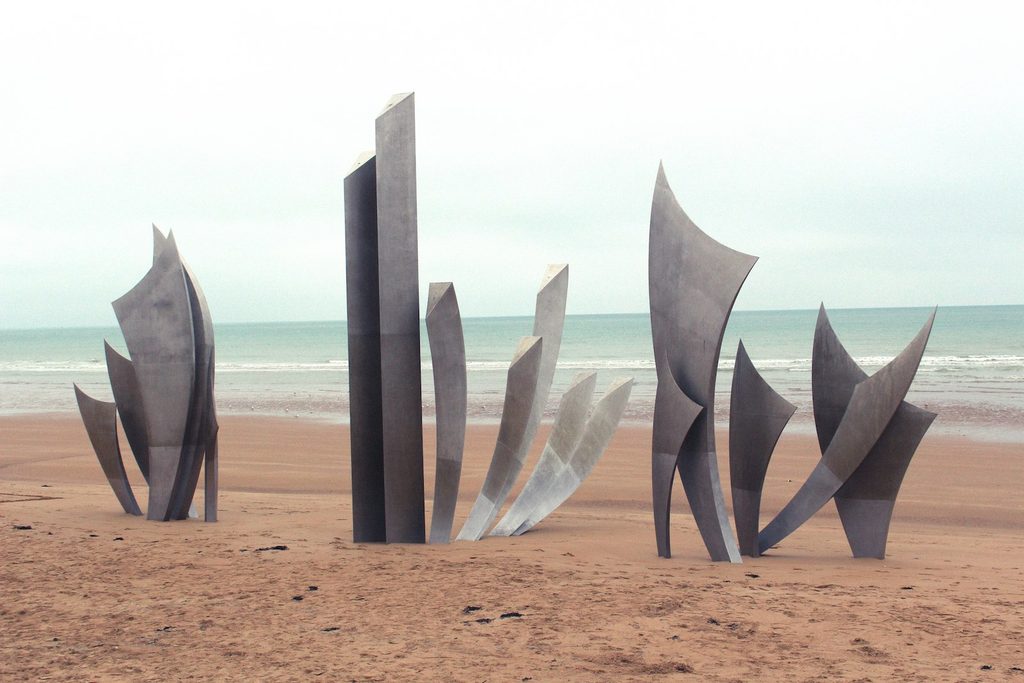
This memorial on Omaha Beach was created by French artist Anilore Banon for the 60th anniversary of D-Day.
It symbolises hope, freedom and fraternity. The outer, curved structure represents the “Wings of Hope”, the central part is called “Rise, Freedom!”, while the inner sweeping structure symbolises the “Wings of Fraternity”.
It stands on the sand and its base is submerged in the water at high tide, symbolising the journey Allied soldiers made across the sea to land at the beach.
Fun fact: The sculpture has a twin called Les Braves II: At Water’s Edge, located at the War Memorial in Grosse Pointe Farms, Michigan.
4. Pointe du Hoc (Hoc Point)
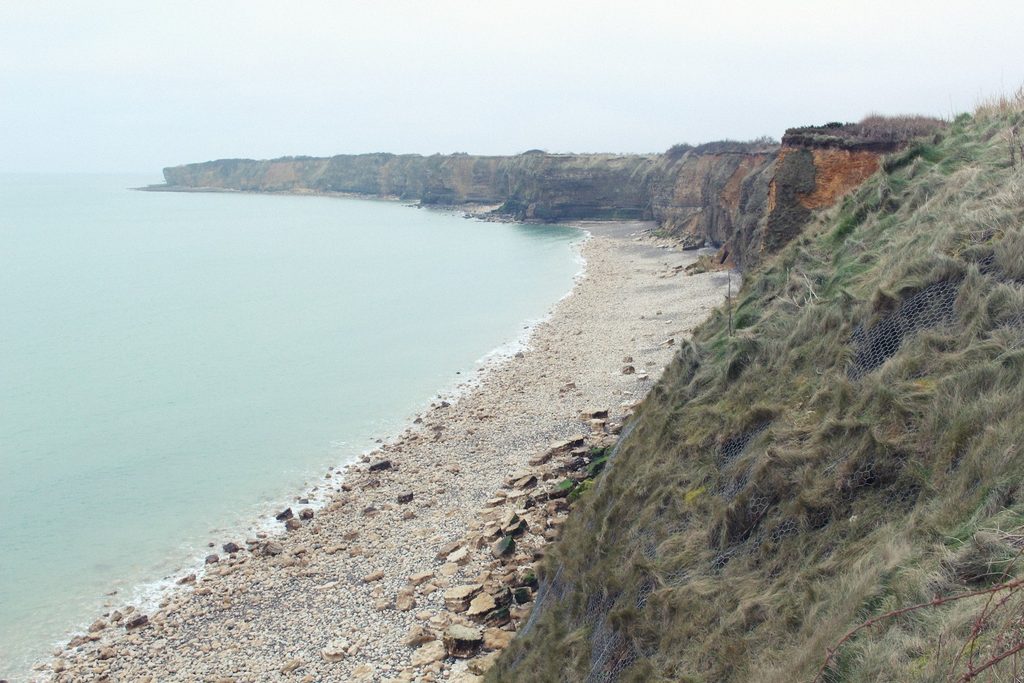
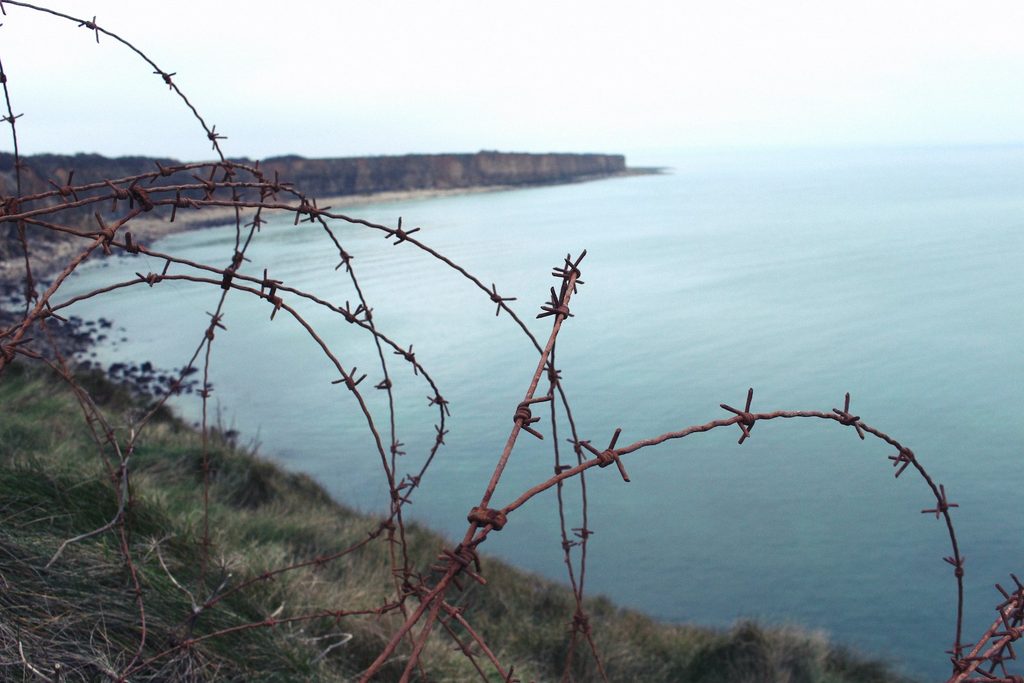
Pointe du Hoc (Hoc Point) is one of the most important D-Day battle sites, allowing you to visualise a pivotal moment in the Allied operation.
It is here that, on the morning of 6 June 1944, American Rangers scaled a 35-metre cliff to reach a fortified German position containing bunkers and artillery. They reached the summit and fought their way across Pointe du Hoc (Hoc Point) to prevent the Germans from firing on the landing beaches.
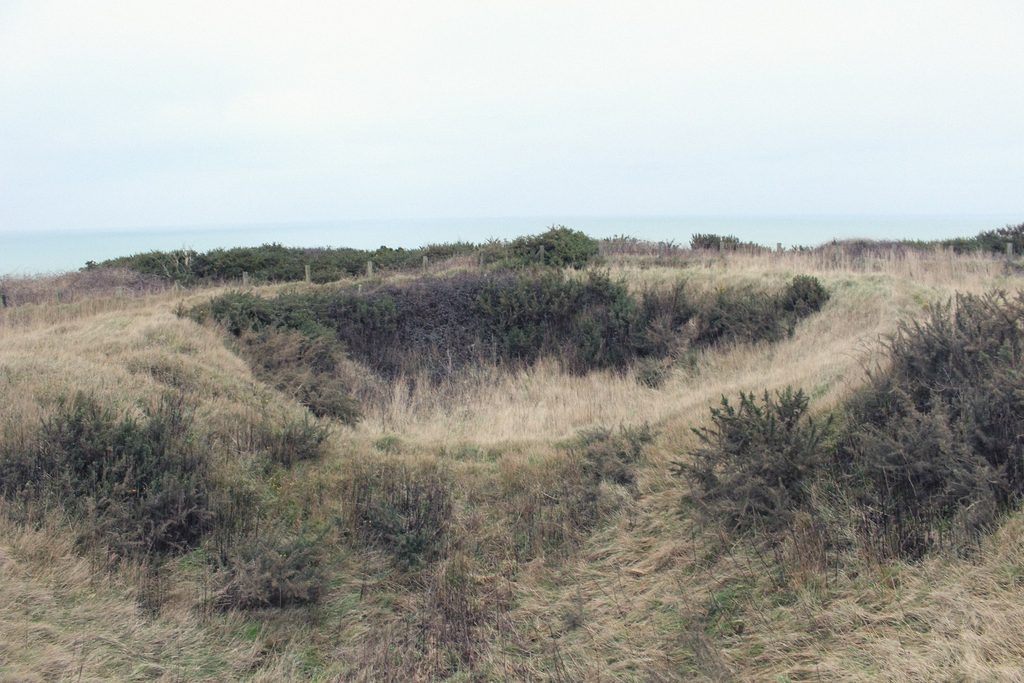
Take a walk atop the cliffs at the Pointe du Hoc (Hoc Point) and you’ll see a landscape pitted with massive bomb craters and the remains of German bunkers. Look out for the Ranger Monument, erected in honour of the American Rangers who fought here, and take a moment to appreciate the views across the English Channel.
5. Les Ports Mulberry Harbours (The Mulberry Harbour Pontoons)
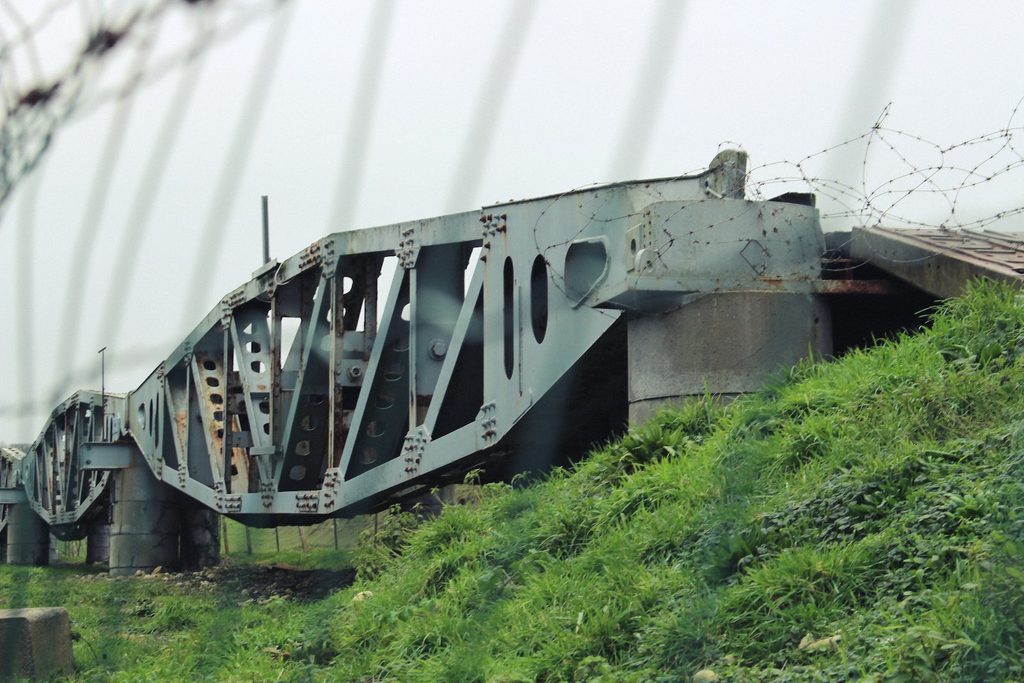
Les Ports Mulberry Harbours (The Mulberry Harbour Pontoons) were two temporary artificial harbours built by the Allies following the D-Day invasion.
They had been designed two years earlier, built in secret, transported across the English Channel and assembled off the coast of Normandy. They enabled the Allied forces to establish a temporary harbour through which supplies and reinforcements could be brought ashore.
One of the two, Mulberry A, was established at Omaha Beach to serve the American forces. You can see some of the remains along Rue de la Mer in Vierville-sur-Mer, which leads to Omaha Beach.
6. Widerstandsnester (WN) bunkers
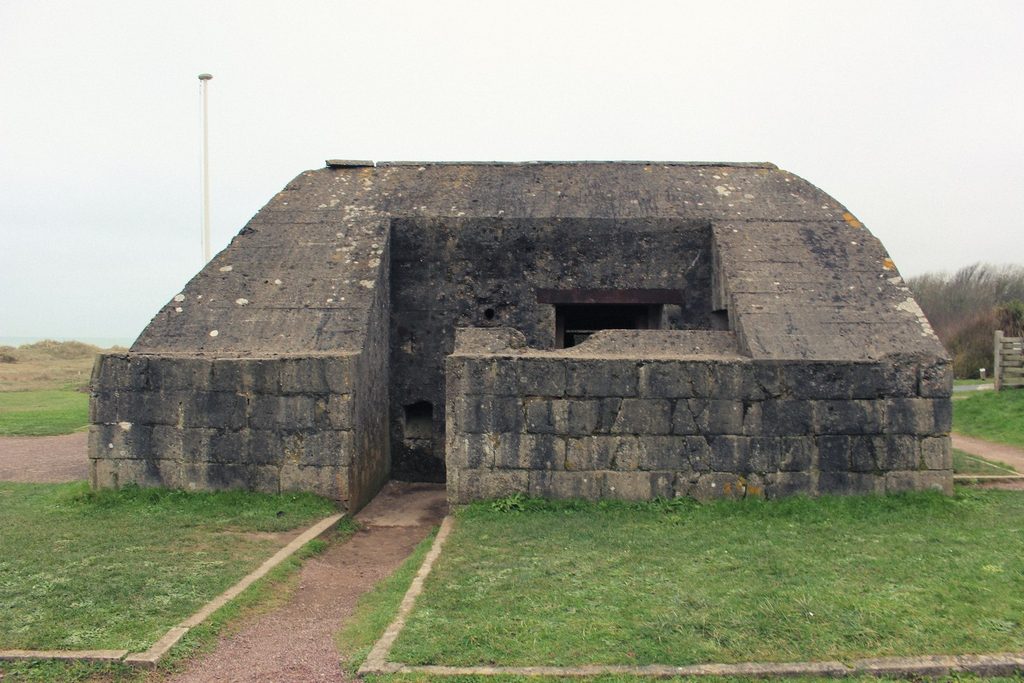
There are numerous German defensive positions and bunkers along Omaha Beach, including the following notable ones:
- WN60 – On elevated land overlooking the Fox Green and Fox Red sectors
- WN62 Bunker – One of the most important German positions, offering good views over Omaha Beach
- WN63 – Underground bunker
- WN65 – Defended the Ruquet valley and beach exit
- WN73 – On elevated land overlooking the western end of Omaha Beach
- WN72 – Located near the western beach exit
It would take many hours and a car to visit all the bunkers, so I would suggest picking one or two that are near sites you are already visiting.
7. Overlord Museum
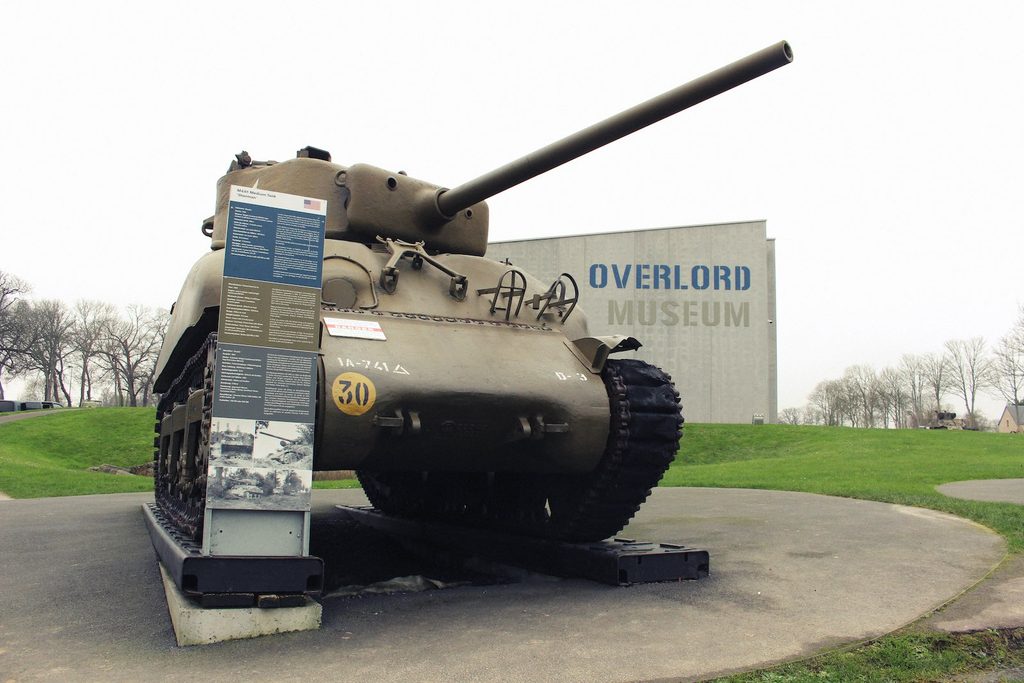
Operation Overlord was the codename used for the Allied invasion of Normandy, which played a pivotal role in the liberation of France from Nazi occupation.
The Overlord Museum is dedicated to this astonishing event and recreates life-size scenes from Operation Overlord.
Located in Colleville-sur-Mer, the Overlord Museum is about a 20-minute walk from the Normandy American Cemetery and Memorial.
8. Musée Mémorial d’Omaha Beach (Omaha Beach Memorial Museum)
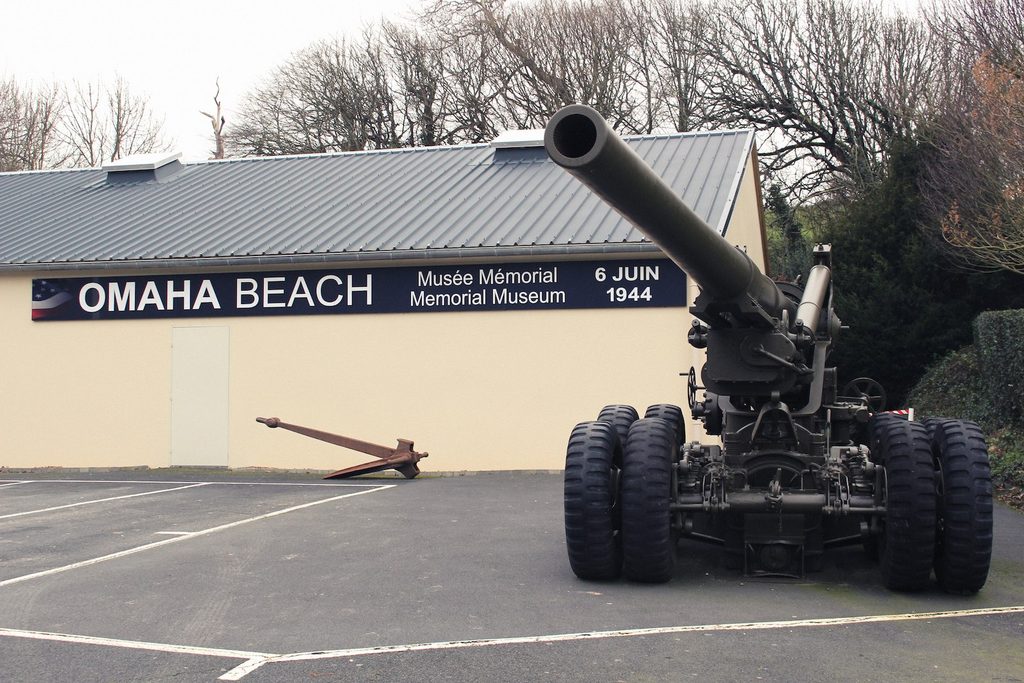
This museum displays a collection of artefacts from D-Day, including uniforms, weapons, vehicles, photographs, documents and personal items.
If you take the time to read the information panels, you’ll gain a good chronological understanding of the events surrounding the D-Day invasion, from the German occupation to the D-Day landings and their aftermath. You should give yourself an hour to visit the museum.
The Memorial Museum is located in Saint-Laurent-sur-Mer, a seven-minute walk from the Les Braves II sculpture.
Things to do near Omaha Beach
- Omaha Beach is about half an hour from Bayeux by bus or car, home to the UNESCO-listed Tapisserie de Bayeux (Bayeux Tapestry).
- Caen, the prefecture of Calvados, is about 40 minutes from Omaha Beach by car or an hour and a half away by bus and train.
- You can reach destinations on the Cotentin Peninsula, such as Cherbourg, La Hague, Barfleur and Saint-Vaast-la-Hougue, in about an hour by car.
- Destinations in southwestern Normandy, such as Coutances, Avranches, Granville and Mont Saint-Michel are accessible by car in about an hour to an hour and a half.
- Honfleur, Le Havre and Rouen are approximately an hour and a half to two hours’ drive east of Omaha Beach.

Comments are closed.