
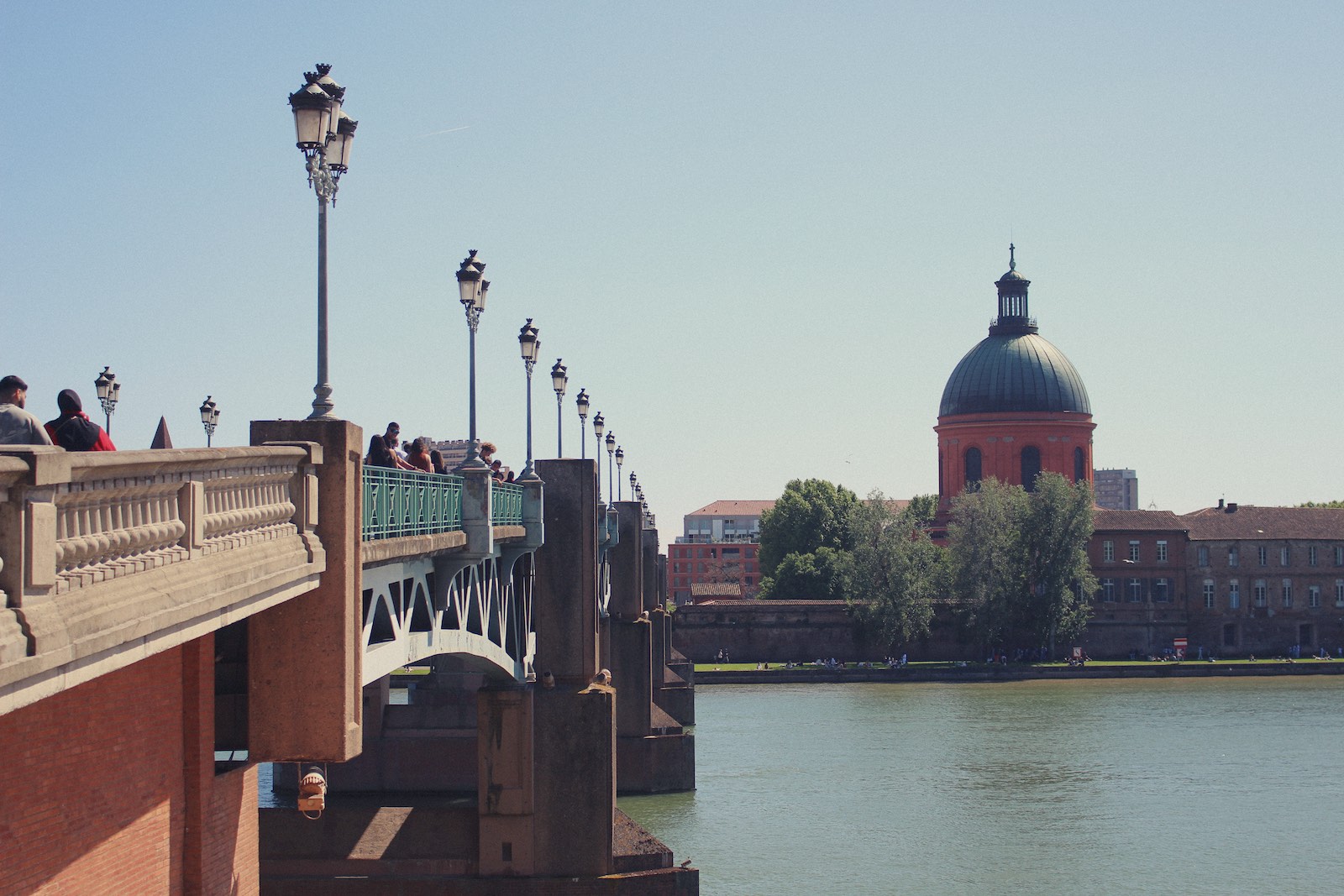
I’ve lost several acquaintances to Toulouse. For some reason, people keep packing up and leaving for this sunny city in the south of France, which is also the prefecture of Haute-Garonne in Occitanie.
Toulouse is France’s fourth-largest city, so employment opportunities might be one part of the story. But the real reason is the weather. It can get cold, grey and rainy in my neck of the woods. I am constantly doped up on Vitamin D supplements. And people here often get fed up and leave for the south.
And honestly, I understand why. Toulouse does get a lot of sun—too much for my camera, as you can see in the overexposed photos on this post!
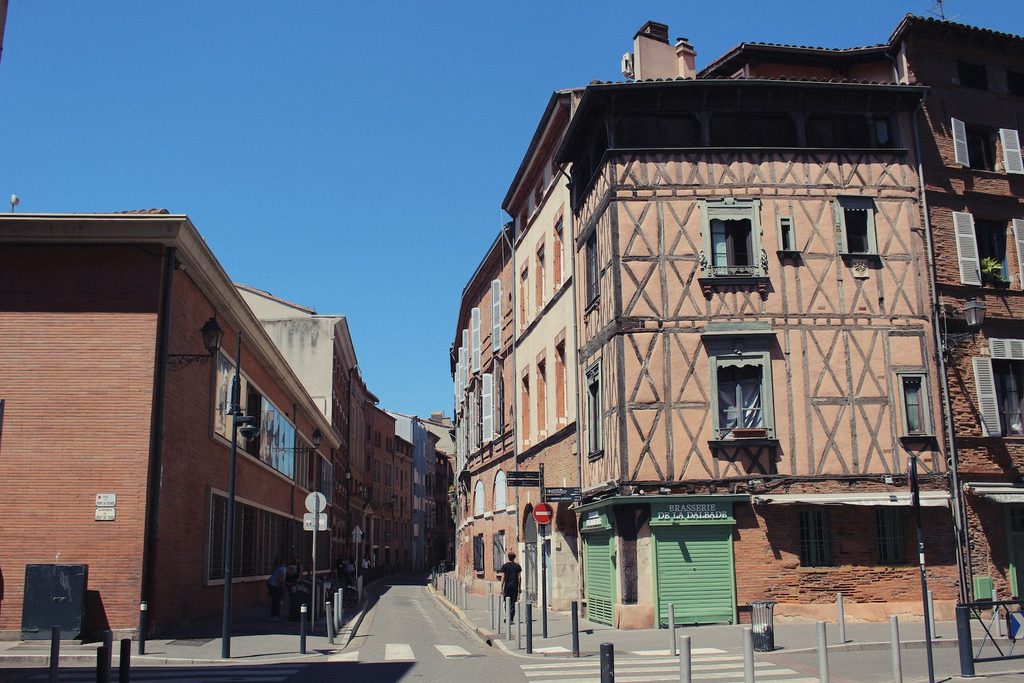
It helps that the city is visually stunning. Most of its historic buildings are constructed from terracotta bricks, which have earned it the nickname La Ville Rose (The Pink City). To me, it looks more like brick red or orange, but you get the idea.
There is also a huge selection of things to do in Toulouse as it is a very big city by French standards. It’s also home to two UNESCO World Heritage Sites: the Canal du Midi passes through Toulouse, as do some landmarks on the Routes of Santiago de Compostela in France.
I’ve visited and revisited Toulouse to bring you this guide, which I’ve tried to make as detailed as possible, of what to do in Toulouse.
Table of Contents (click to view)
- Where to stay in Toulouse
- Is Toulouse worth visiting?
- 32 things to do in Toulouse
- Essential sights in Toulouse – #1 to #10
- 1. Le Capitole (The Capitol)
- 2. Les Arcades du Capitole (The Arcades of the Capitol)
- 3. Basilique Saint-Sernin de Toulouse (Saint Sernin Basilica of Toulouse)
- 4. Couvent des Jacobins (Convent of the Jacobins) / Église des Jacobins (Church of the Jacobins)
- 5. Fondation Bemberg (Bemberg Foundation)
- 6. Canal du Midi (Canal of the South)
- 7. Pont Neuf (New Bridge)
- 8. Place de la Daurade (Square of the Daurade)
- 9. Cathédrale Saint-Étienne de Toulouse (Toulouse Cathedral)
- 10. Musée des Augustins (Museum of the Augustinians)
- Important sights in Toulouse – #11 to #21
- 11. Muséum de Toulouse (Toulouse Museum)
- 12. Jardin des Plantes de Toulouse (Botanical Gardens of Toulouse)
- 13. Saint-Cyprien
- 14. Chapelle Saint-Joseph de la Grave (Saint Joseph Chapel of La Grave)
- 15. Hôtel-Dieu Saint-Jacques (Saint Jacques Hospital)
- 16. Les Abattoirs (The Slaughterhouse)
- 17. Musée Saint-Raymond (Saint Raymond Museum)
- 18. Chapelle des Carmelites (Carmelite Chapel)
- 19. Place Saint-Pierre (Saint Pierre Square)
- 20. Prairie des Filtres (Meadow of the Filters)
- 21. Basilique Notre-Dame de la Daurade (Basilica of Our Lady of the Daurade)
- Nice to see if you have the time – #22 to #32
- 22. Jardin du Grand Rond (Garden of the Big Circle)
- 23. Jardin Royal (Royal Garden)
- 24. Place de la Trinité (Square of the Trinity)
- 25. Place Saint-Georges (Saint Georges Square)
- 26. Port Viguerie (Viguerie Port)
- 27. Le Bazacle (The Bazacle) / Chaussée du Bazacle (Embankment of the Bazacle)
- 28. Canal de Brienne (Brienne Canal)
- 29. Église Notre-Dame de la Dalbade (Church of Our Lady of the Dalbade)
- 30. Église Saint-Jérôme (Saint Jérôme Church)
- 31. Le Castelet (The Castelet)
- 32. Fontaine Boulbonne (Boulbonne Fountain)
- Essential sights in Toulouse – #1 to #10
- Day trips from Toulouse
Where to stay in Toulouse
- In the heart of the historic centre – Le Grand Balcon Hotel is located in Toulouse’s historic centre, a stone’s throw from the magnificent Place du Capitole (Capitole Square). The four-star hotel has a stunning 1930s-inspired décor that really takes you back in time.
- In peaceful and green Compans-Caffarelli – The Social Hub Toulouse is a stylish hotel with a rooftop swimming pool located near the Canal du Midi.
- In vibrant Saint-Étienne – I stayed in this area and loved the atmosphere and the ease of getting to the historic centre. Hôtel Croix Baragnon Toulouse is a charming and cosy hotel in the area with a lovely courtyard.
- In bohemian, multi-cultural Saint-Cyprien – Aparthotel Adagio Original Toulouse Centre is a chic modern hotel that offers great views of some of the West Bank’s most iconic sights.
- Near the train station – Hôtel d’Orsay Grand Matabiau is located just across the road from the train station, which makes day trips to Albi and Carcassonne easy. It offers clean and comfortable hotel rooms and apartment-style accommodation.
- Near the airport – Holiday Inn Express Toulouse Airport by IHG offers a free airport shuttle to Toulouse Airport
Is Toulouse worth visiting?
- Two UNESCO Heritage Sites – Listen, up, UNESCO fans! Toulouse is home to two UNESCO Heritage Sites—the Canal du Midi (Canal of the South) and two sites on the Routes of Santiago de Compostela in France, namely the Basilique Saint-Sernin de Toulouse (Saint Sernin Basilica of Toulouse) and the Hôtel-Dieu Saint-Jacques (Saint Jacques Hospital).
- Beautiful “pink” architecture – The first time I visited Toulouse, my only goal was to immerse myself in the warm atmosphere created by the brick architecture which really gives the city its character.
- Gateway to Carcassonne and Albi– The top two Toulouse day trips are to the UNESCO-listed medieval citadel of Carcassonne (yes, like in the board game) and the UNESCO-listed episcopal city Albi.
32 things to do in Toulouse
Wondering what to do in Toulouse? You’ll be flooded with options, as there are really countless things to do in this city.
In this list of things to do in Toulouse, I’ve ordered the sights in terms of importance and divided it into sections, placing the top Toulouse tourist attractions at the top of the list to help you prioritise. At the bottom of the list, you’ll find sights that are nice to check out if you have the time.
Essential sights in Toulouse – #1 to #10
If you’re only in Toulouse for a short time or just want to see the essential sights, be sure to visit sights #1 to #10 on this list.
1. Le Capitole (The Capitol)
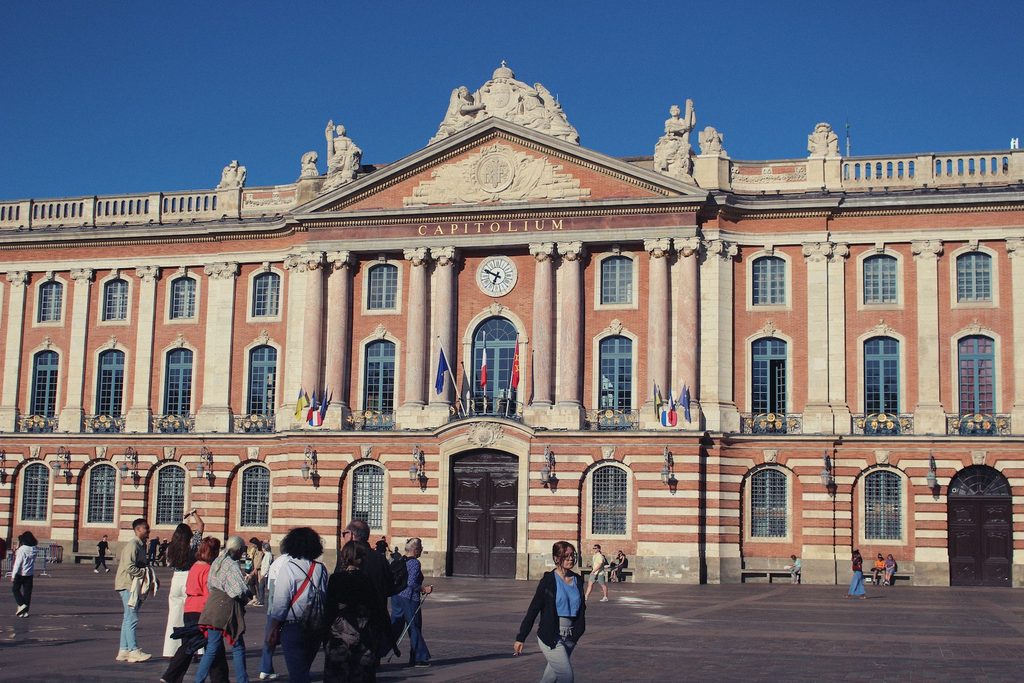
Le Capitole (The Capitol) lies in the heart of Toulouse’s historic centre and is arguably the city’s most monumental structure. This huge building is located in the massive, grand Place du Capitole (Square of the Capitol).
So, what’s inside the Le Capitole (The Capitol)? It is used as Toulouse’s Hôtel de Ville (Town Hall). The Neoclassical building dates back to the 18th century and measures a staggering 135 m across. It combines a classic French look with Toulouse’s iconic pink bricks, and even lights up in the evening.
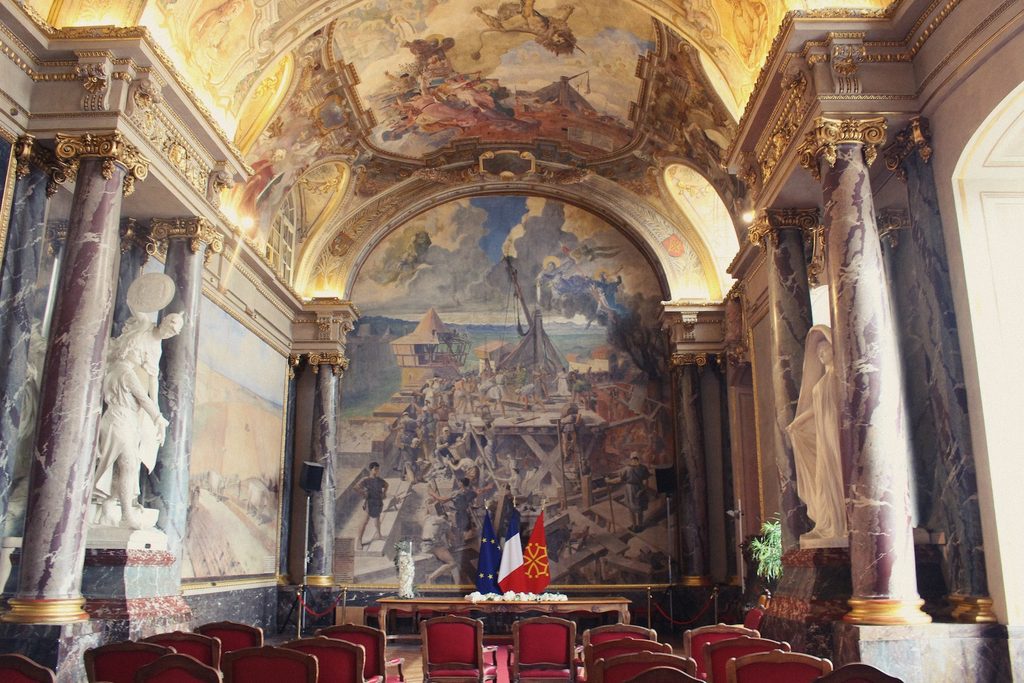
Don’t only look at it from the outside! The inside of Le Capitole (The Capitol) is free to visit! The interior is even more impressive than the exterior, with its crown jewel being the Salle des Illustres (Hall of the Illustrious), whose ceiling and walls are covered in paintings featuring notable figures. Fun fact: couples registering their marriage in Toulouse get to have their civil wedding ceremony in this impressive hall.
2. Les Arcades du Capitole (The Arcades of the Capitol)
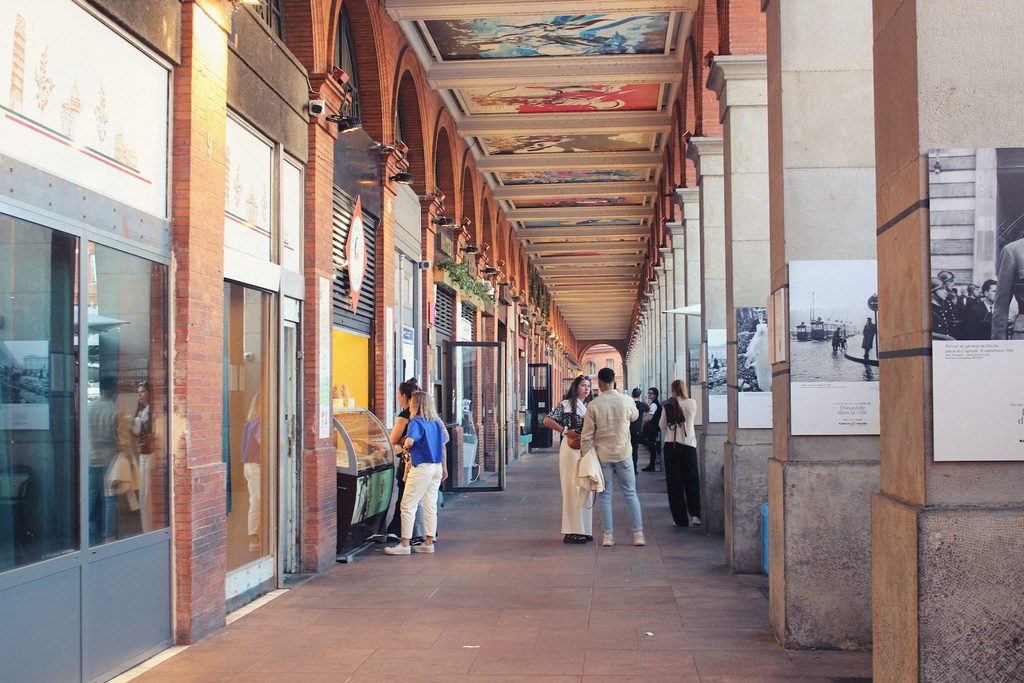
On the other side of the Place du Capitole (Square of the Capitole) from Le Capitole (The Capitol), you’ll find Les Arcades du Capitole (The Arcades of the Capitol), a row of arcaded walkways housing restaurants, cafés and shops. The arcades offer a great vantage point from which to admire the Place du Capitole (Square of the Capitole).
Don’t forget to look up at the ceiling! It is covered in paintings by Raymond Moretti, an artist from Toulouse. The paintings illustrate aspects of Toulouse’s history and culture.
3. Basilique Saint-Sernin de Toulouse (Saint Sernin Basilica of Toulouse)
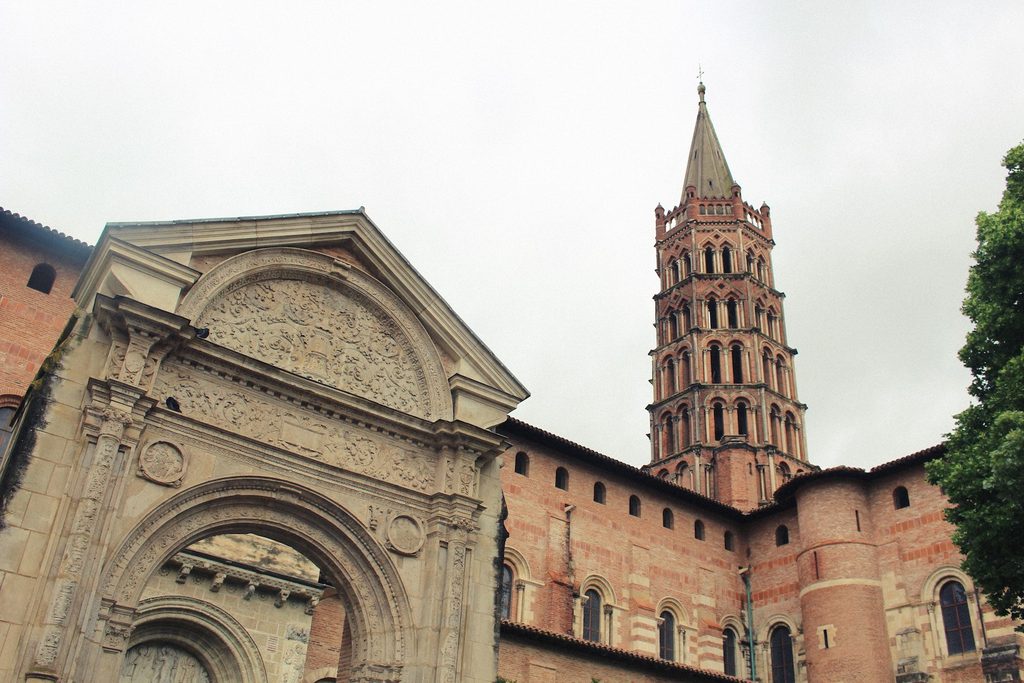
This isn’t just any old church! The Basilica Saint-Sernin de Toulouse (Saint Sernin Basilica of Toulouse) is part of the UNESCO World Heritage-listed Routes of Santiago de Compostela in France, and was a major landmark visited by medieval pilgrims from all over Europe on their way to Spain.
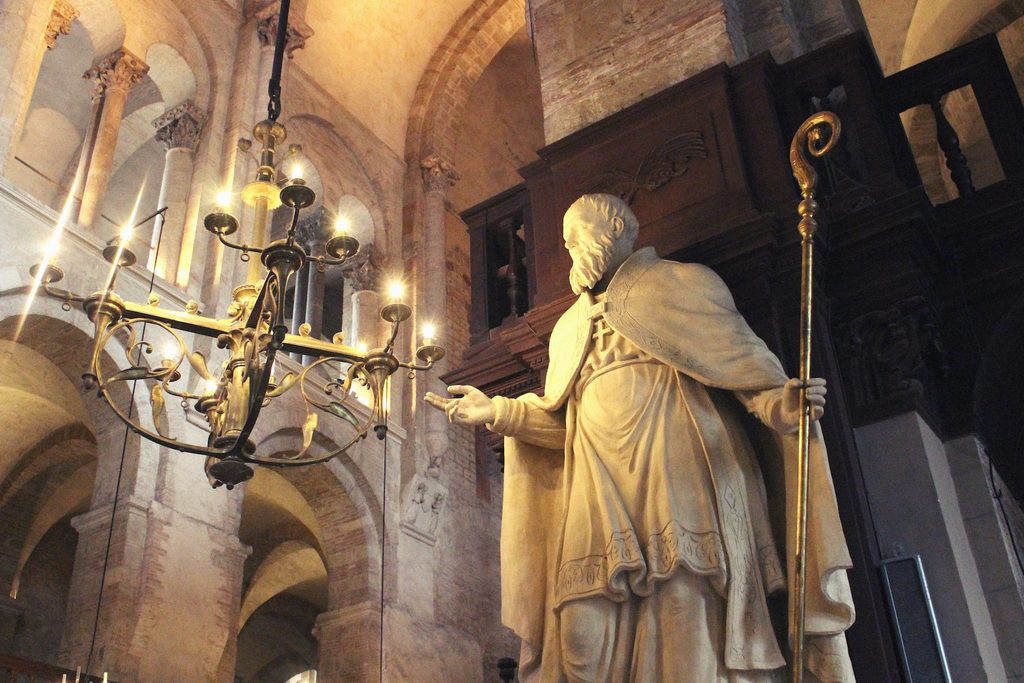
The Romanesque basilica is one of Toulouse’s most important historic monuments and was constructed between the 11th and 13th centuries. It was formerly part of an abbey, the rest of which no longer exists, and was built on the site of an older, fourth-century basilica which contained the body of Saint Sernin, also known as Saint Saturnin, Toulouse’s first bishop. His remains are stored in the crypt of the basilica today.
The church looks quite unusual, with an octagonal bell tower, a rosy colour palette that’s so Toulouse, and a huge interior that accommodated scores of pilgrims back in the day.
4. Couvent des Jacobins (Convent of the Jacobins) / Église des Jacobins (Church of the Jacobins)
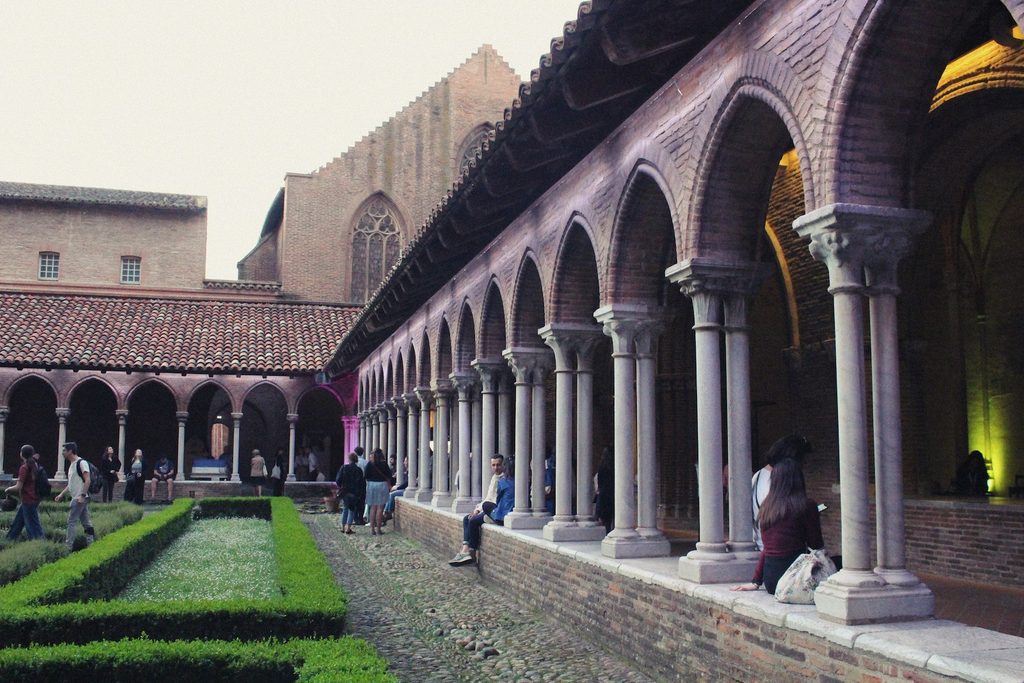
This Gothic church, which dates back to the 13th century, has been deconsecrated and is no longer used as a place of worship. But it is one of the city’s most important historic monuments, as well as an influential example of Southern French Gothic architecture.
Although it is referred to as a convent, it didn’t actually house nuns, as the term is also used to refer to certain communities of mendicant orders whose members lived through alms and begging.
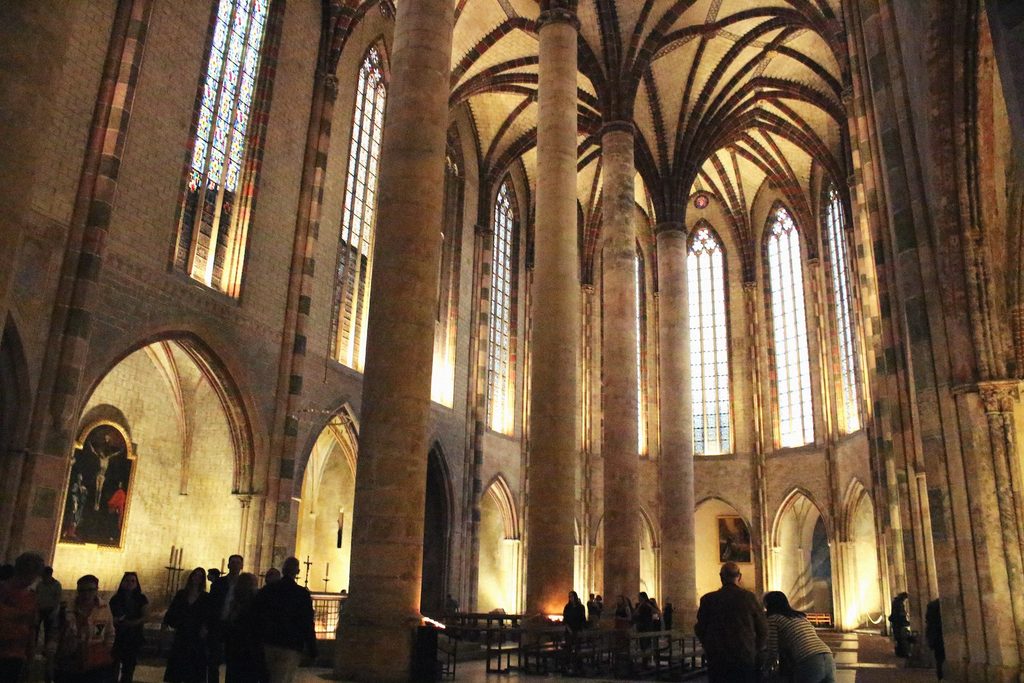
The building’s most notable feature is the structure in the interior that has been nicknamed Le Palmier des Jacobins (The Palm Tree of the Jacobins), a palm tree-like column (on the right in the above picture) that was created to support a vaulted roof that was added in the late 13th century.
The church is also home to relics of Thomas Aquinas, a famous priest, philosopher and theologian, including his skull.
5. Fondation Bemberg (Bemberg Foundation)
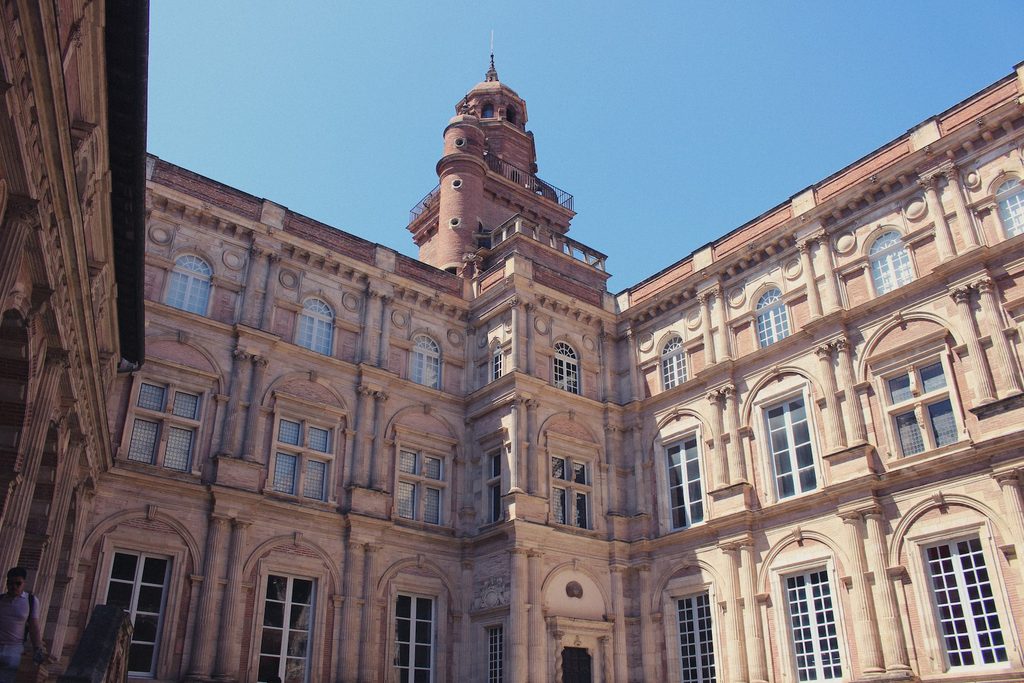
The Fondation Bemberg (Bemberg Foundation) is an art museum housing a collection that belonged to Georges Bemberg, a rich Argentinian merchant and art collector who lived in the 20th century. The collection is actually really impressive and contains paintings by Picasso, Monet, Toulouse-Lautrec, Cézanne and Gauguin, just to name a few big names.
It is housed in a building called Hôtel d’Assézat (Assézat Hotel), a beautiful Renaissance private mansion that was commissioned by one of the richest merchants in Toulouse.
6. Canal du Midi (Canal of the South)
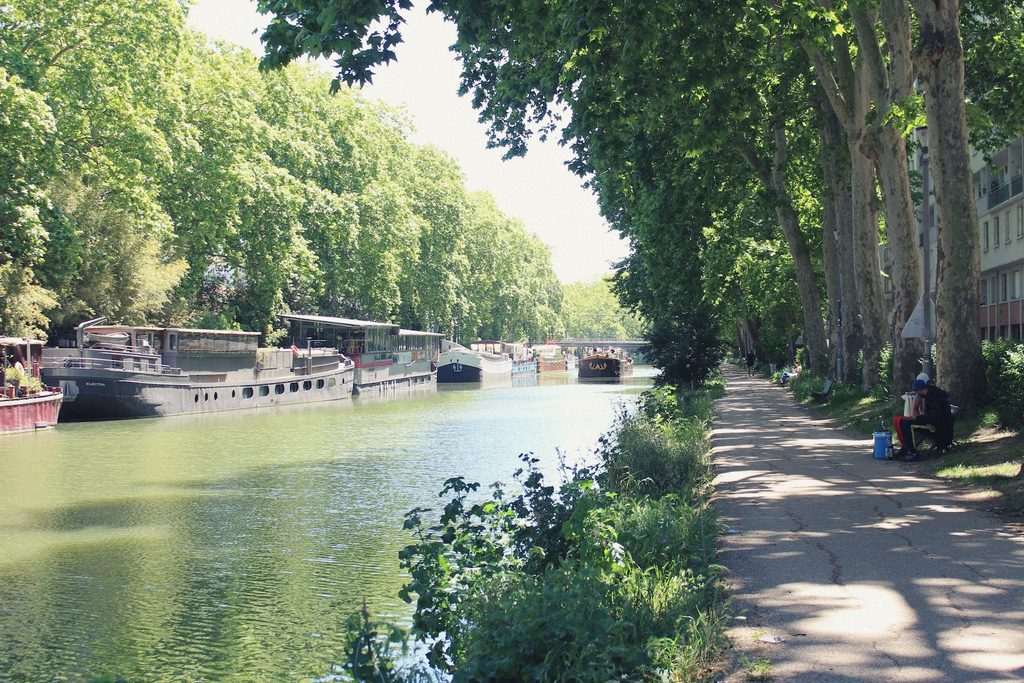
The Canal du Midi (Canal of the South) is a feat of engineering that has also been designated a UNESCO World Heritage Site. It consists of 360 km of waterways running from the Mediterranean Sea to the Atlantic Ocean, and was built between 1667 and 1694.
The Canal du Midi (Canal of the South) starts in Toulouse and ends in Marseillan. The beginning of this vast network is at the Port de l’Embouchure (Port of the River Mouth), not far from the banks of the Garonne. From there, it winds through the north and east of the Toulouse city centre before continuing all the way to Marseillan.
For Toulouse residents, the banks of the Canal du Midi (Canal of the South) are a lovely tree-lined space where you can take a stroll and have a picnic.
7. Pont Neuf (New Bridge)
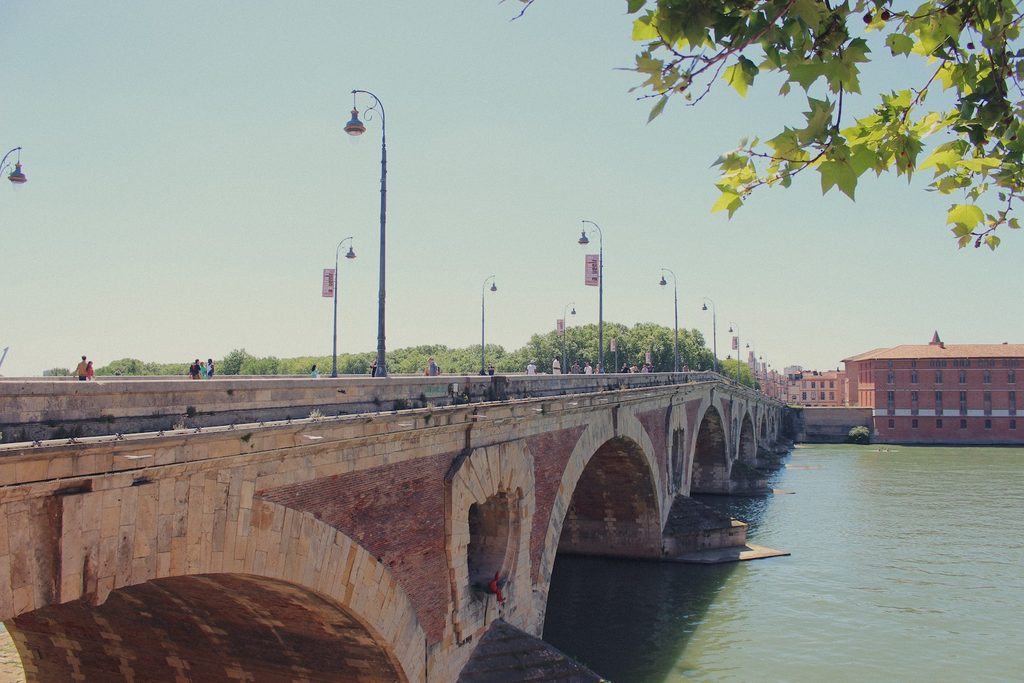
There are multiple bridges in Toulouse, but Pont Neuf (New Bridge) is its most well-known and iconic. This bridge was built between 1544 and 1632, and inaugurated by the famous Louis XIV in 1659.
Ironically, in spite of its name, it is now the oldest surviving bridge in Toulouse over the Garonne. In a flood in 1875, many of the other bridges got destroyed.
If you look closely at the arches of the bridge, you might notice that they are not all the same. This was deliberate and was designed to reduce pressure on the bridge in a flood. Looks like it worked!
8. Place de la Daurade (Square of the Daurade)
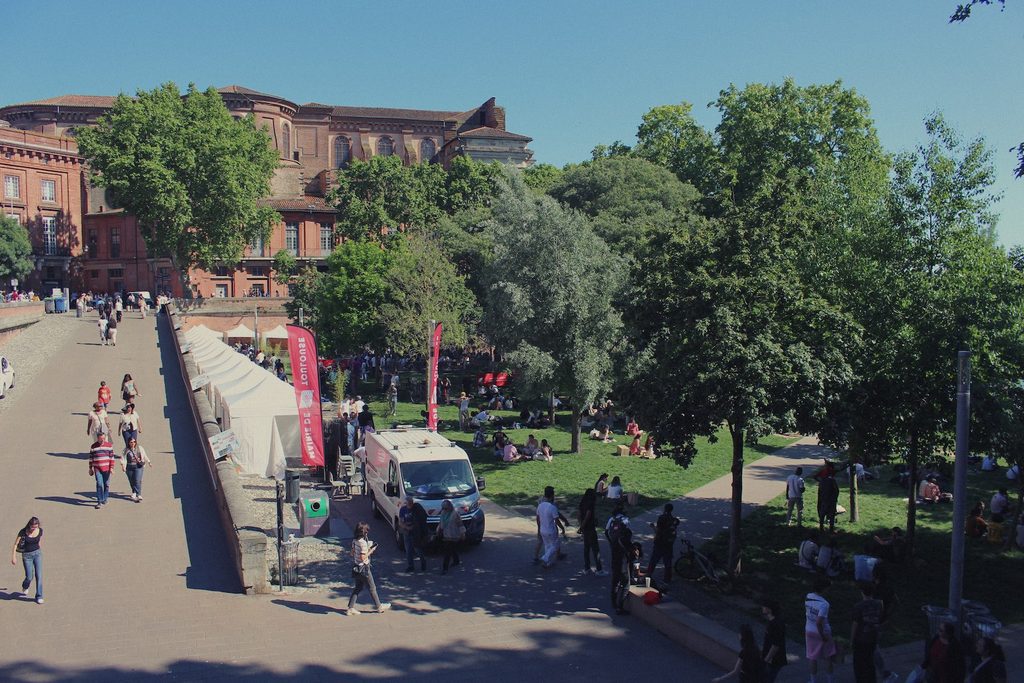
One of the nicest things about Toulouse, in my opinion, is that there are so many great waterfront spots where you can soak up the sun and watch the world go by. Place de la Daurade (Square of the Daurade) is one of the most popular.
This square in the city centre on the banks of the Garonne is always filled with people picnicking or just hanging out, and is also where you can see one of Toulouse’s classic postcard-perfect views, with the dome of the Chapelle Saint-Joseph de la Grave (Saint Joseph Chapel of the Grave) in the distance.
9. Cathédrale Saint-Étienne de Toulouse (Toulouse Cathedral)
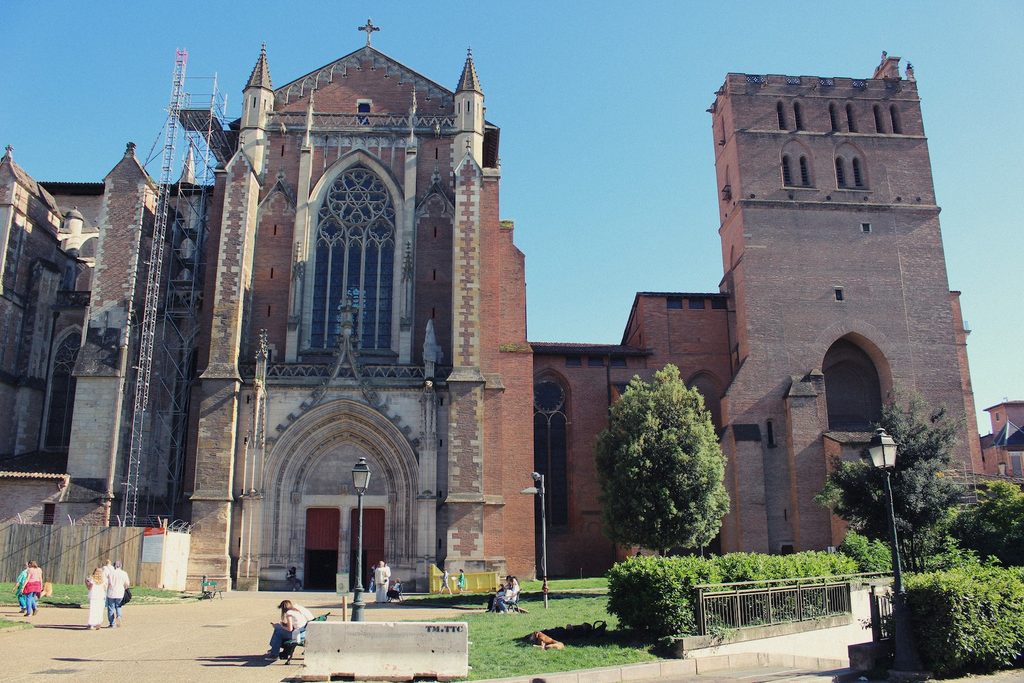
The Cathédrale Saint-Étienne de Toulouse (Toulouse Cathedral) may get less glory than the Basilique Saint-Sernin de Toulouse (Saint Sernin Basilica of Toulouse), but it’s still an impressive structure that is well worth a visit.
The cathedral was built on the site of an earlier third-century chapel. Construction of the first iteration of the cathedral began in about 1078 before being replaced with the current version in the 13th century. The building is a mix of Southern French Gothic architecture and Northern French High Gothic and Rayonnant Gothic architecture.
10. Musée des Augustins (Museum of the Augustinians)
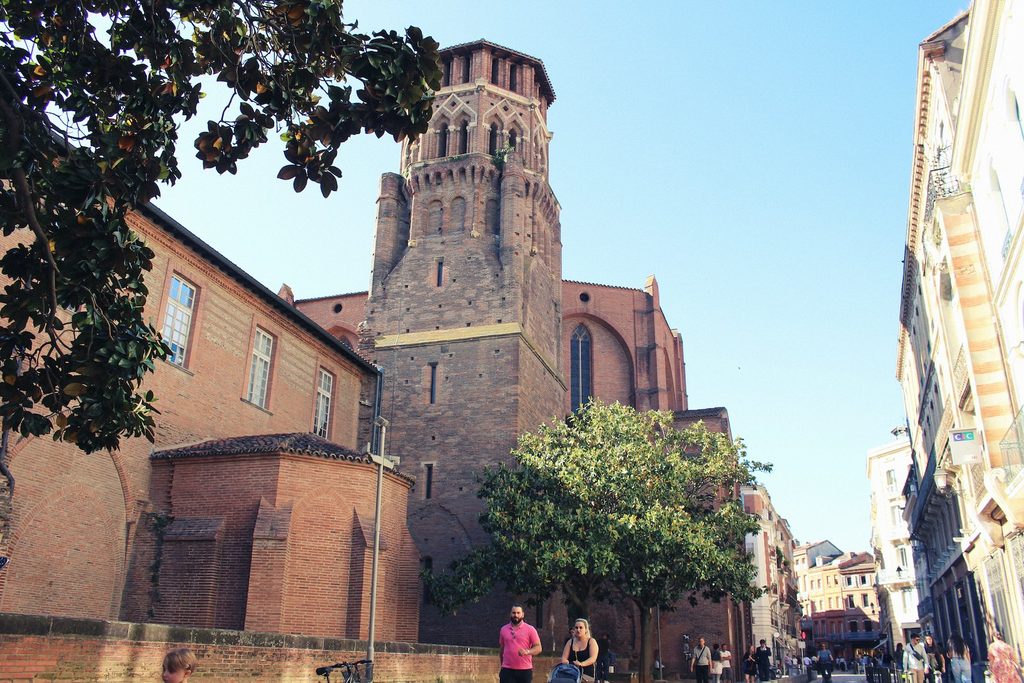
Although it’s not immediately obvious from its name, the Musée des Augustins (Museum of the Augustinians) is Toulouse’s fine arts museum. It gets its name from the former convent in which it is housed.
The museum opened in 1795, making it one of the oldest fine arts museums in France, the Louvre having opened just two years earlier. Its collection is extensive and contains over 4,000 works dating from the Middle Ages to the middle of the 20th century.
Important sights in Toulouse – #11 to #21
Ready to explore Toulouse a little more in-depth? After checking out the must-sees, dig deeper by exploring sights #11 to #21 on this list.
11. Muséum de Toulouse (Toulouse Museum)
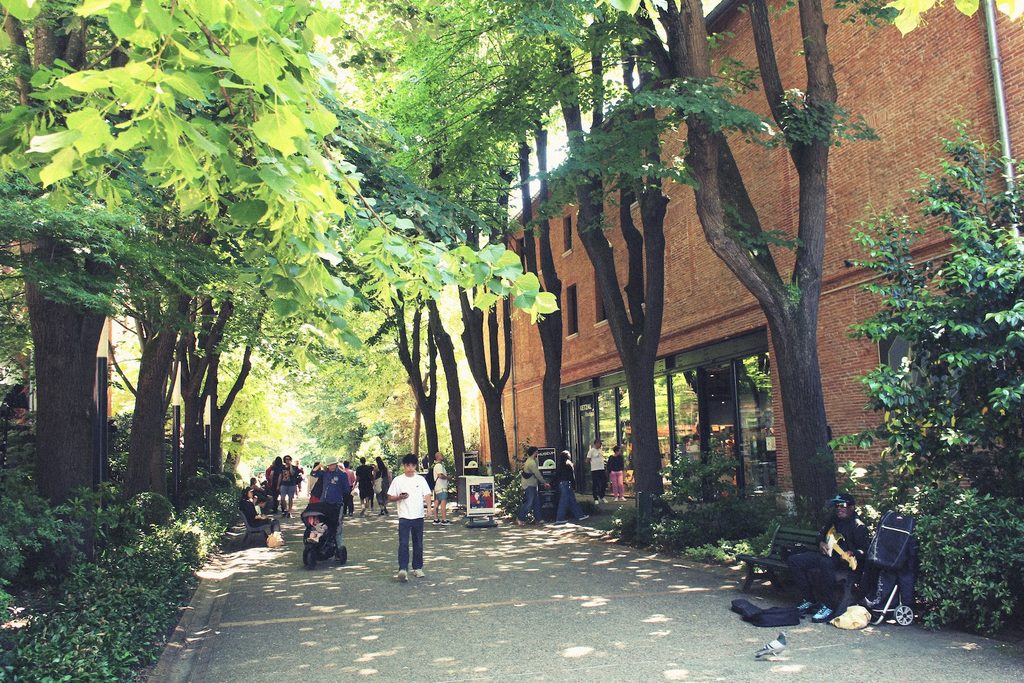
Here’s another museum in Toulouse with a vague name! The Muséum de Toulouse (Toulouse Museum) is actually a natural science museum.
While there are many natural history museums in France, Toulouse’s is one of the best-known, and much more than just a collection of taxidermied animals and skeletons. It’s also the second-largest natural history museum in France.
Its collection, which consists of over 2.5 million specimens and objects, is huge, and the museum’s organisation and scenography are really interesting as they help recount the history of the earth and how we, as humans, fit into the web of life alongside other species.
The museum is also located right next door to the Jardin des Plantes de Toulouse (Botanical Gardens of Toulouse), which is well worth a visit before or after.
12. Jardin des Plantes de Toulouse (Botanical Gardens of Toulouse)
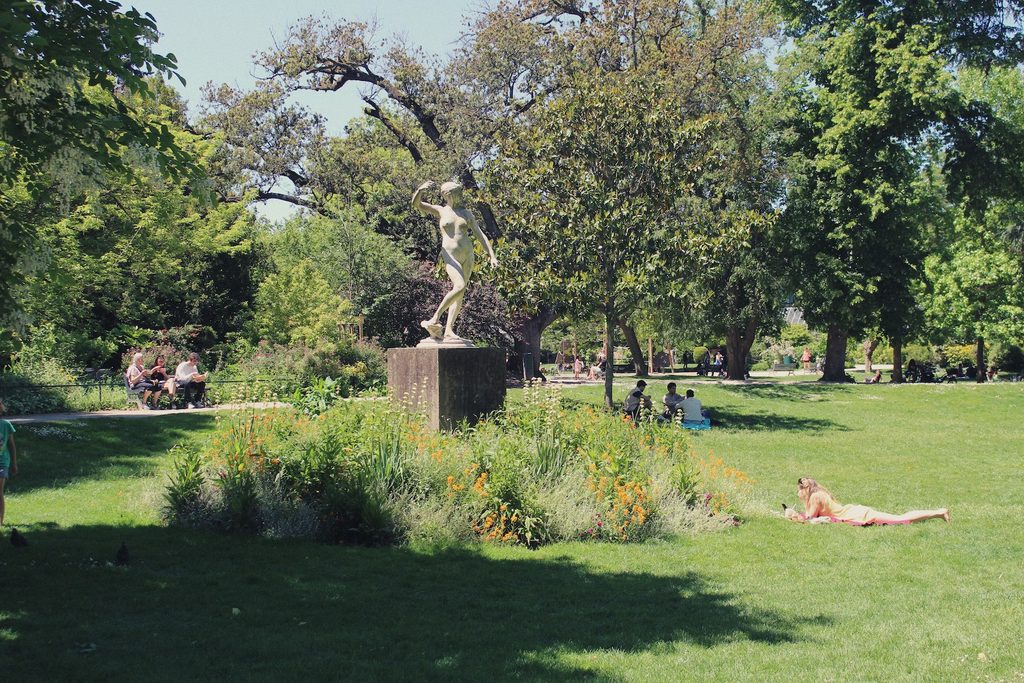
While it was initially established to supply medicinal and other plants for the purposes of study, the Jardin des Plantes de Toulouse (Botanical Garden of Toulouse) is now a community space offering lots of things to do, including a carousel, bicycle rentals and pony rides.
This park is seamlessly connected to the Jardin du Grand Rond (Garden of the Big Circle), which is in turn connected to the Jardin Royal (Royal Garden). You can walk through all three parks one after the other for an extra green day.
13. Saint-Cyprien
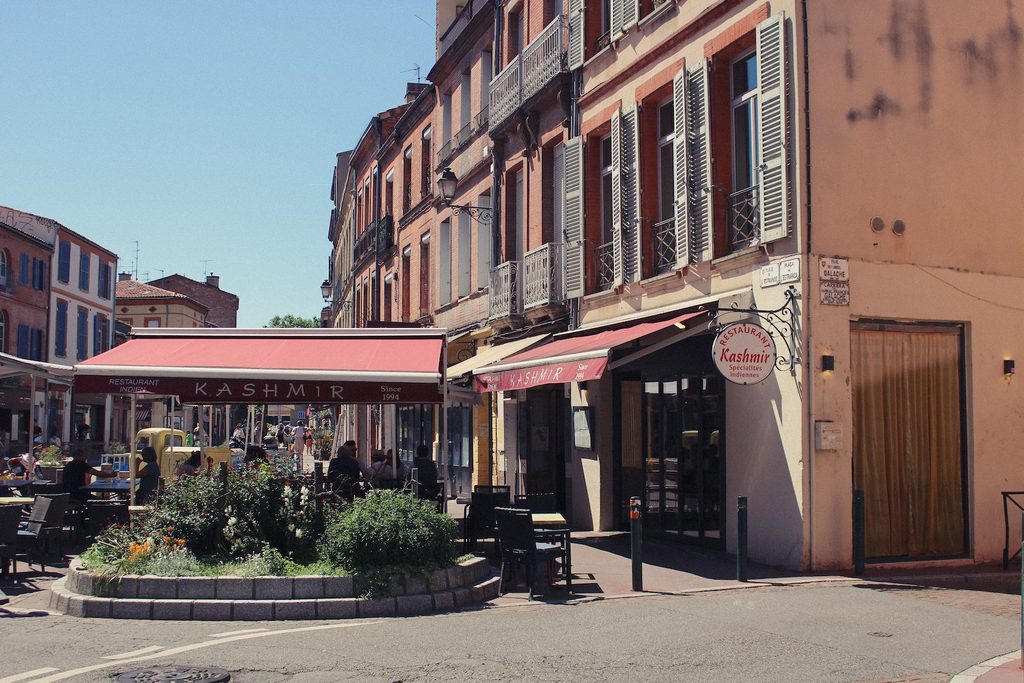
The Saint-Cyprien neighbourhood, which is located on the left bank of the Garonne, can be accessed by crossing Pont Saint-Pierre (Saint Pierre Bridge) from the city centre.
Known simply as Saint Cyp by locals, it is one of the oldest neighbourhoods in Toulouse and has an artsy and diverse vibe. Landmarks in Saint-Cyprien include Chapelle Saint-Joseph de la Grave (Saint Joseph Chapel of La Grave), the UNESCO-listed Hôtel-Dieu Saint-Jacques (Saint James Hospital) and Les Abattoirs (The Slaughterhouse).
I would recommend giving yourself some time just to wander around this area, as it has a cool, laid-back vibe that sets it apart from the rest of Toulouse.
14. Chapelle Saint-Joseph de la Grave (Saint Joseph Chapel of La Grave)
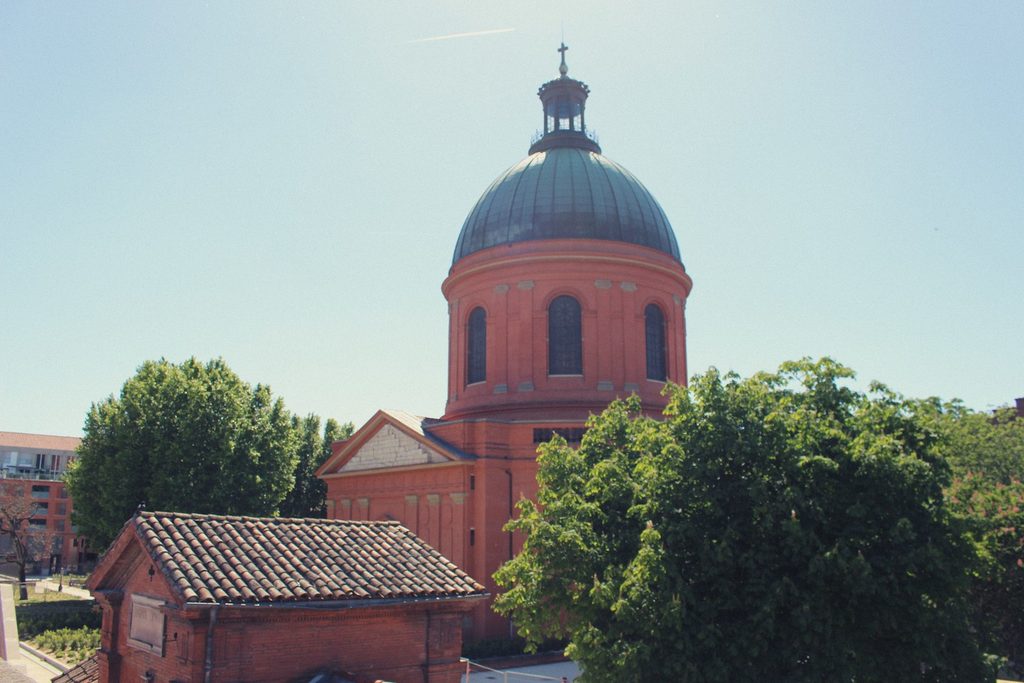
Visit any souvenir shop in Toulouse and you’re sure to see the dome of the Chapelle Saint-Joseph de la Grave (Saint Joseph Chapel of La Grave) on half of the postcards featuring photos of the Garonne.
The chapel is located on the other side of the Garonne from the city centre in the neighbourhood of Saint-Cyprien. It was built in the 18th century on a patch of gravel. Gravel is “gravier” in French, which is also where the “la Grave” part of the chapel’s name comes from.
The chapel is part of the Hôpital de la Grave (Hospital of La Grave), which was built in 1197 to house patients who were stricken with the plague. It is still used as a healthcare centre and day hospital today.
15. Hôtel-Dieu Saint-Jacques (Saint Jacques Hospital)
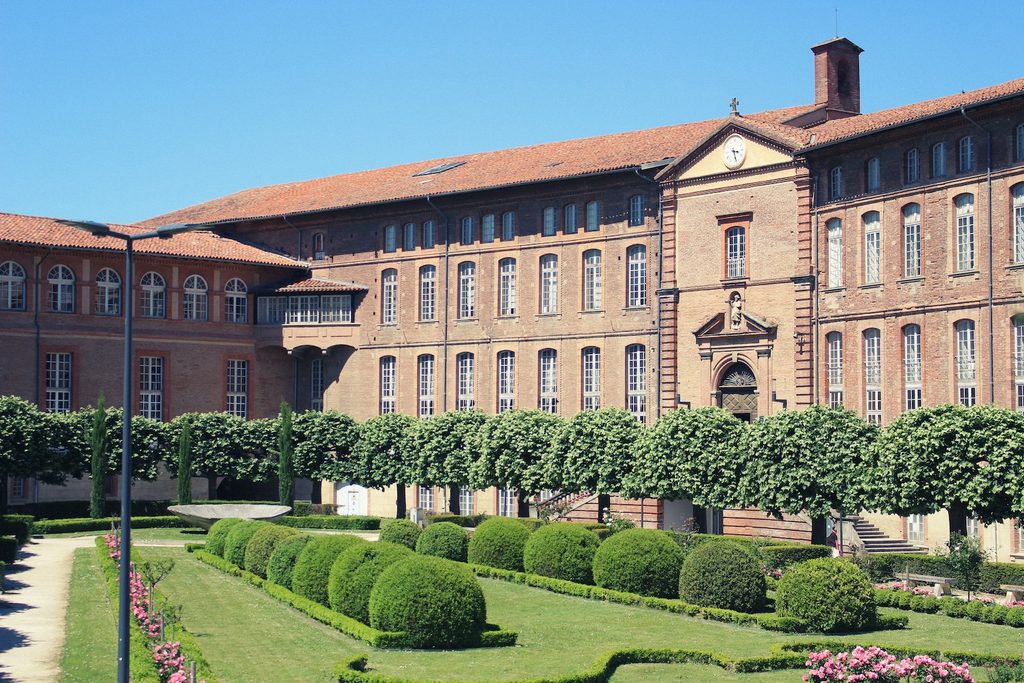
This landmark is part of the UNESCO-listed Routes of Santiago de Compostela in France, together with Basilique Saint-Sernin de Toulouse (Saint Sernin Basilica of Toulouse). In medieval times, it served as a charitable hospital offering care and shelter to pilgrims on their way to Santiago de Compostela, as well as the poor and sick.
Today, the building houses the administration of the CHU de Toulouse (Toulouse University Hospital), as well as the Musée d’Histoire de la Médecine de Toulouse (Museum of History of Medicine of Toulouse) and the Musée des Instruments de Médecine (Museum of Medical Instruments).
Don’t forget to take a walk in the gardens, where you’ll find a huge sculpture of a scallop shell, the symbol of the Camino de Santiago.
16. Les Abattoirs (The Slaughterhouse)
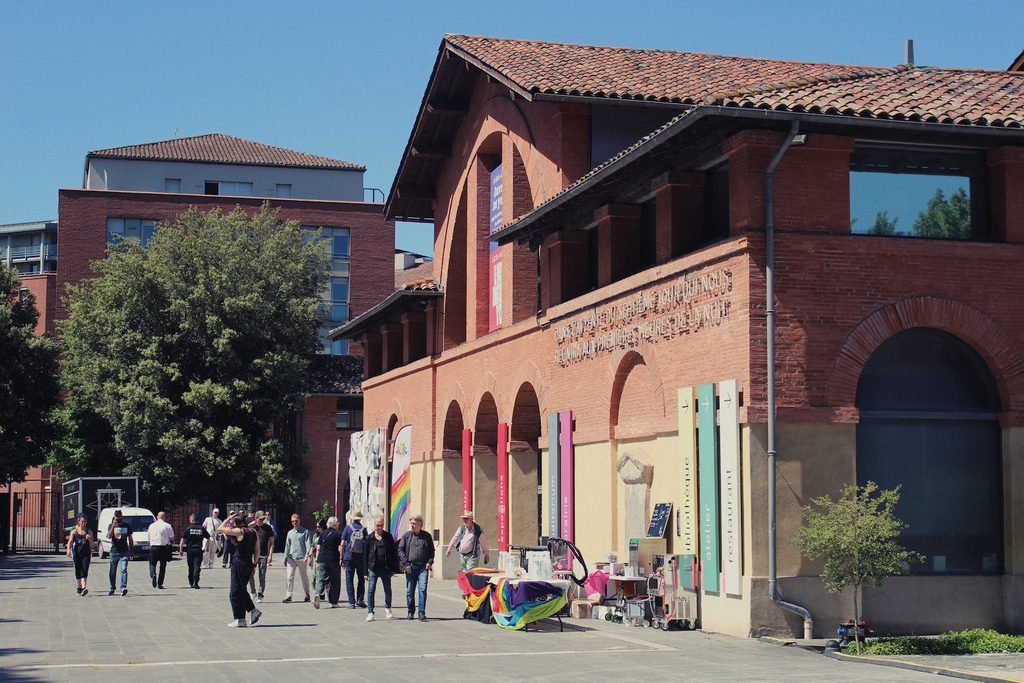
Despite its grisly name, Les Abattoirs (The Slaughterhouse) actually houses a modern art museum and a contemporary art centre. It gets its name from the building in which it is housed, which was once a municipal slaughterhouse. The museum has a huge collection of art, including works by Pablo Picasso, Jean Dubuffet and Joan Miró.
17. Musée Saint-Raymond (Saint Raymond Museum)
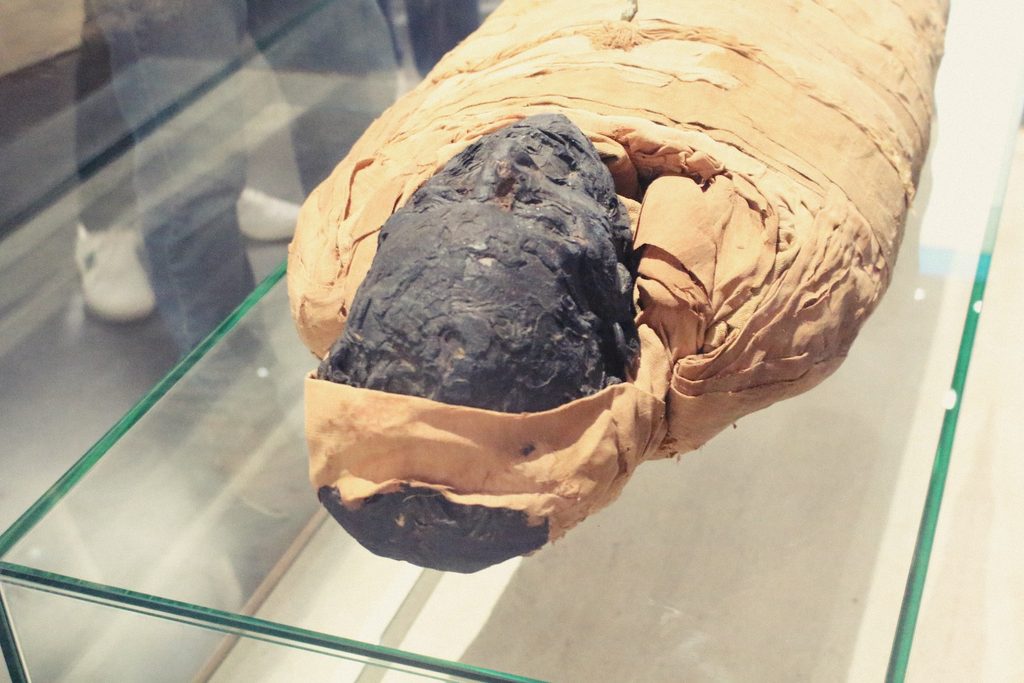
Musée Saint-Raymond (Saint Raymond Museum) is an archaeological museum, a large part of which is dedicated to the history of Toulouse. The museum has artefacts dating back to the Bronze Age.
Don’t forget to visit the basement of the museum, as the building itself was constructed on an archaeological site without even realising it!
The building was built in 1523 to replace an earlier 13th century university college, and the museum was set up there in 1892. In 1994 to 1996, archaeological vestiges were found under the building, including an ancient burial ground, a kiln and the foundations of Toulouse’s oldest hospital, dating back to the 12th century. This archaeological site is now contained in the basement of the museum.
18. Chapelle des Carmelites (Carmelite Chapel)
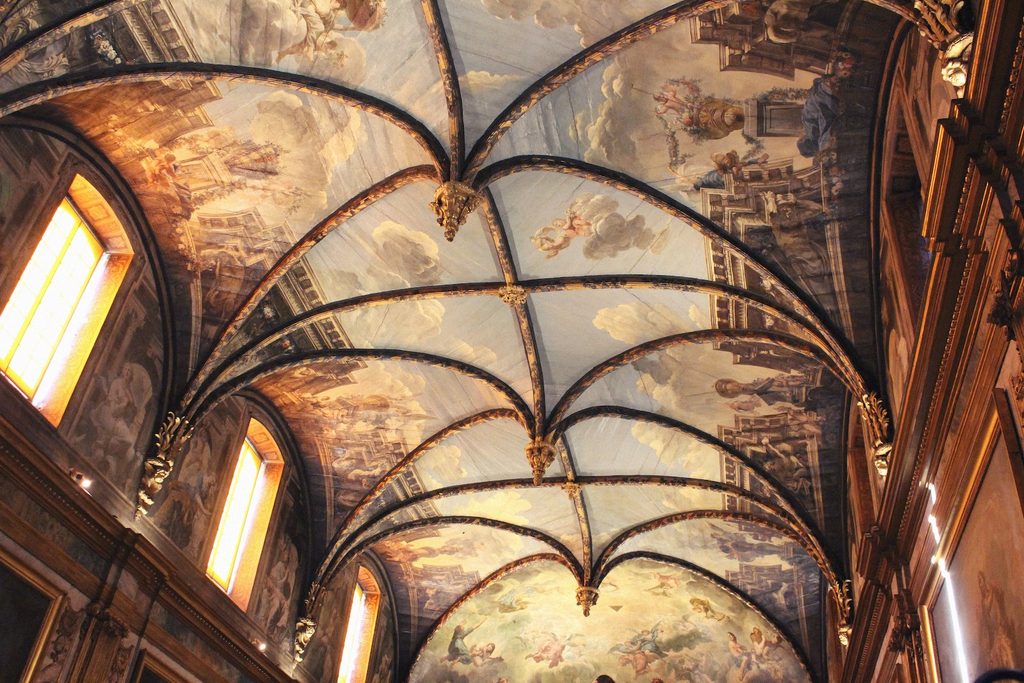
This chapel looks plain from the outside, but its interior is far more interesting as its ceilings and part of its walls are covered in Baroque paintings, which has earned it the nickname “The Sistine Chapel of Toulouse”. It dates back to 1622. Today, there is also a cosy courtyard with a café in front of the chapel.
19. Place Saint-Pierre (Saint Pierre Square)
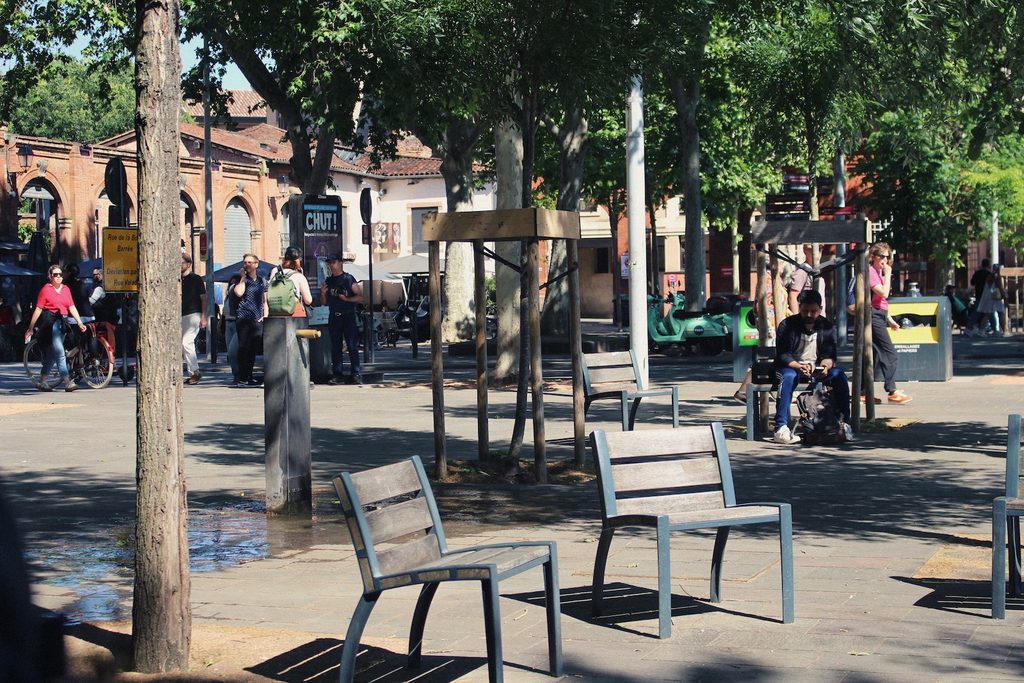
When it’s warm outside, Place Saint-Pierre (Saint Pierre Square) bustles with people, especially students hanging out on the terraces of nearby bars on the Garonne.
While not a tourist attraction per se, I’m including it on this list as it’s one of the most photo-worthy spots in town. You’ll enjoy views of Toulouse’s iconic skyline with Saint-Cyprien and the dome of Chapelle Saint-Joseph de la Grave (Saint Joseph Chapel of La Grave) in the background, and Le Bazacle (The Bazacle) in the foreground.
20. Prairie des Filtres (Meadow of the Filters)
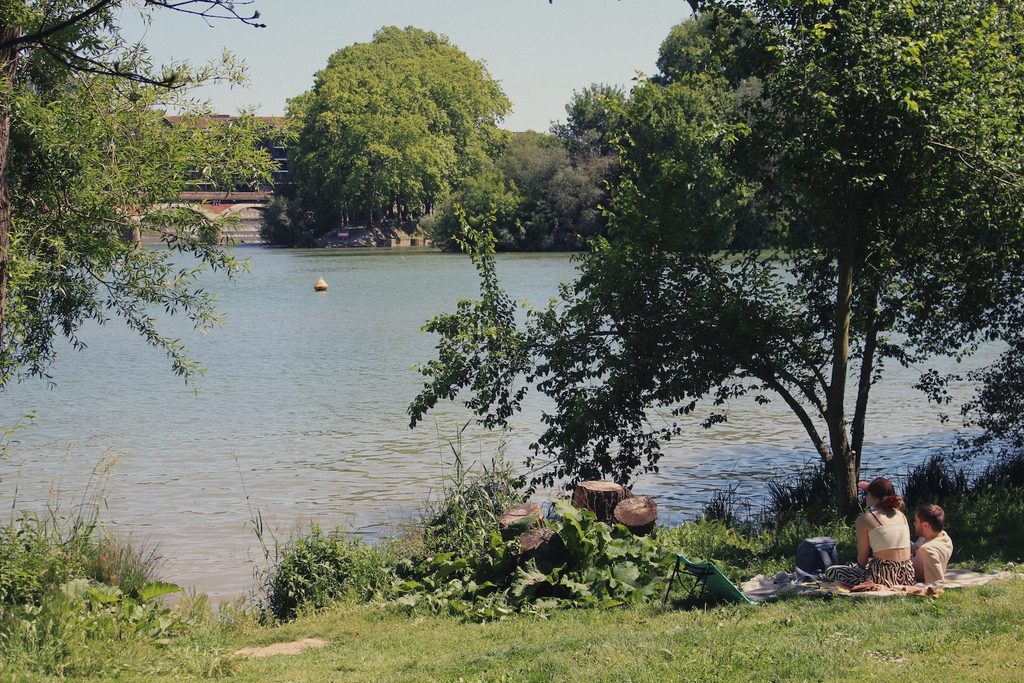
Prairie des Filtres (Meadow of the Filters) is a scenic riverside park on the banks of the Garonne that is hugely popular with locals but relatively overlooked by tourists. It is located on the left bank, just to the south of Pont Neuf (New Bridge) and Saint-Cyprien. If you need a break from sightseeing, this park has some of the best riverside paths in town.
21. Basilique Notre-Dame de la Daurade (Basilica of Our Lady of the Daurade)
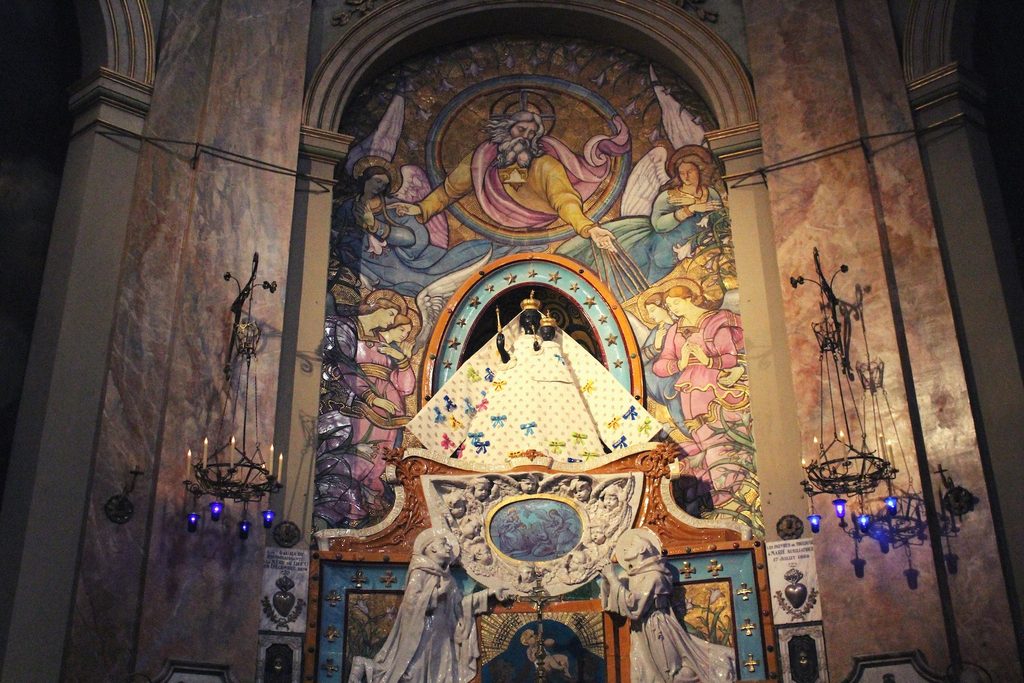
Located right next door to the immensely popular Place de la Daurade (Square of the Daurade), this basilica is well-known among locals for being home to the Notre-Dame la Noire (Our Lady the Black), a black statue of the Virgin Mary.
Notre-Dame la Noire (Our Lady the Black) is believed to have been responsible for several miracles, including saving the entire Saint-Michel neighbourhood (located to the south of the city centre) from a fire in 1672. The clothes worn by the statue have been created by some of France’s best haute couture houses.
Nice to see if you have the time – #22 to #32
The rest of the sights on this list are not that well known by tourists, but if you have extra time in Toulouse and are wondering what to do, feel free to explore them!
22. Jardin du Grand Rond (Garden of the Big Circle)
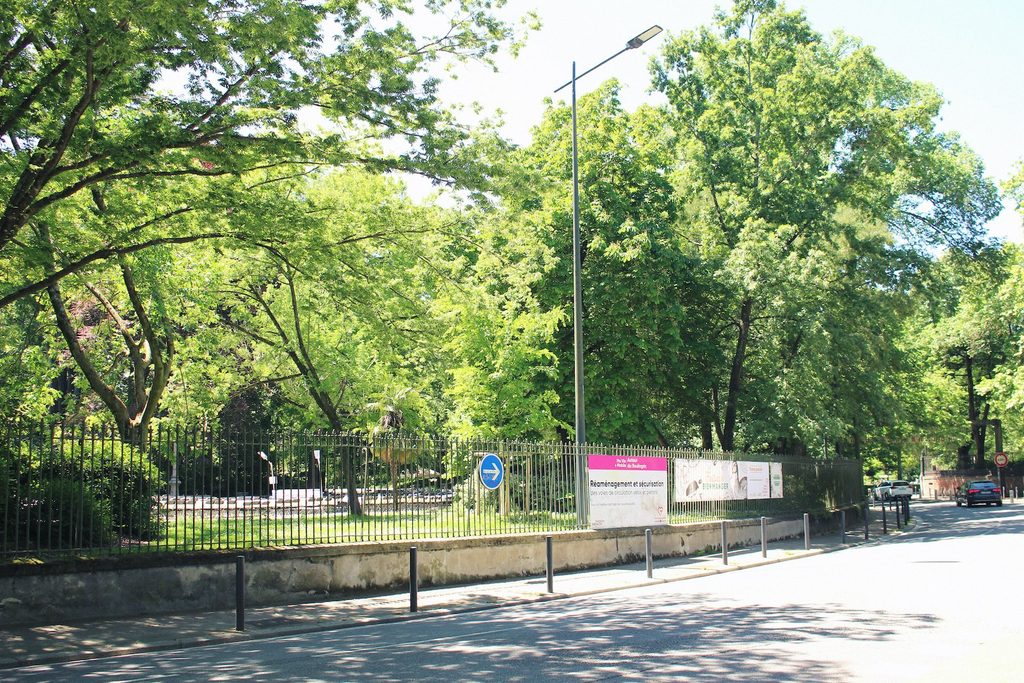
As mentioned earlier, three of Toulouse’s parks are connected. All you have to do to get from one to the other is to cross the street (like in the picture above).
You can walk from the Jardin des Plantes de Toulouse (Botanical Garden of Toulouse) to the Jardin du Grand Rond (Garden of the Big Circle), a park with an unusual circular design. This park connects to the Jardin Royal (Royal Garden).
23. Jardin Royal (Royal Garden)
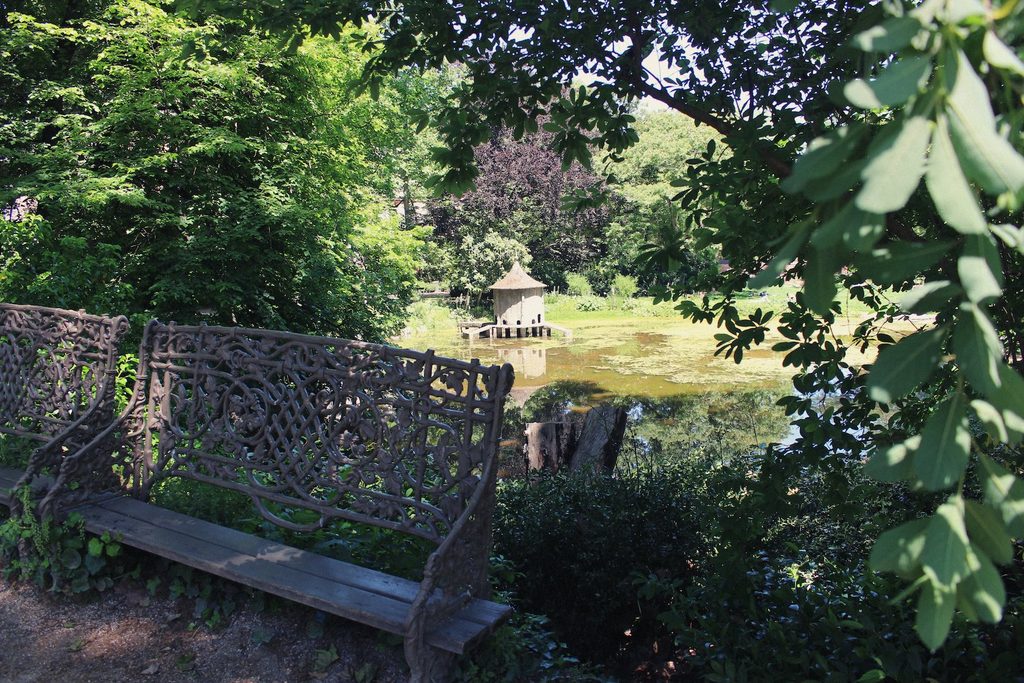
The third of Toulouse’s three connected parks is Jardin Royal (Royal Garden), which connects to Jardin du Grand Rond (Garden of the Big Circle). This is the smallest of the three parks but feels meticulously landscaped, with a pond and sculptures everywhere.
24. Place de la Trinité (Square of the Trinity)
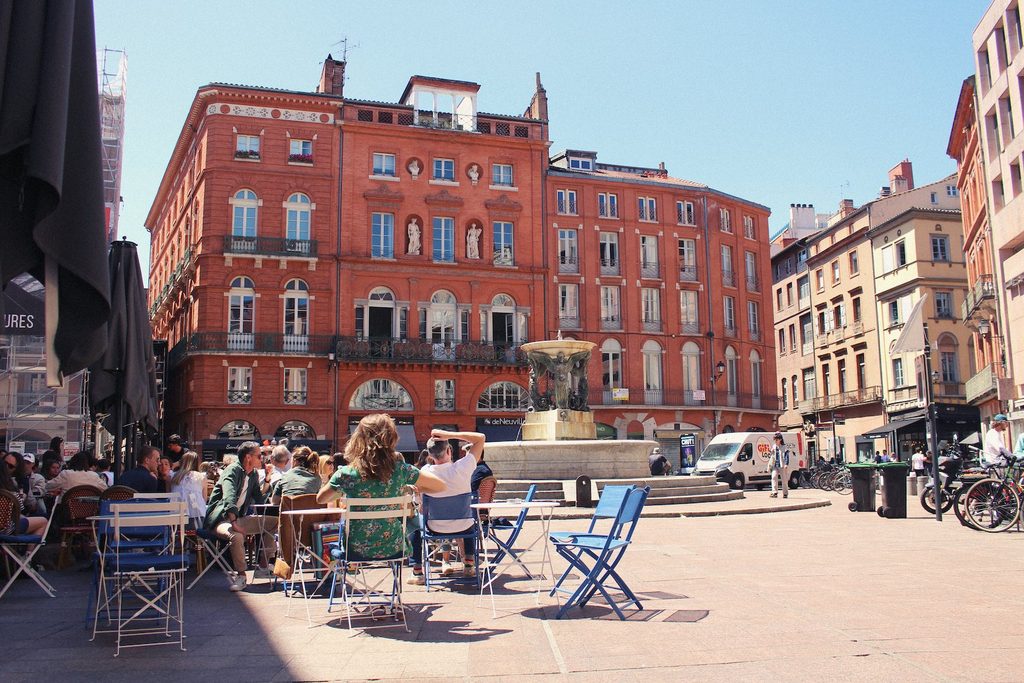
Place de la Trinité (Square of the Trinity) is a little town square that is easy to miss. But it’s just so pretty that I think it deserves a mention here! I use the word “square”, but it’s actually a triangle. Also notice the fountain in the middle with three figures holding up a basin. There are a few cafés with terraces in the square if you need a coffee break.
25. Place Saint-Georges (Saint Georges Square)
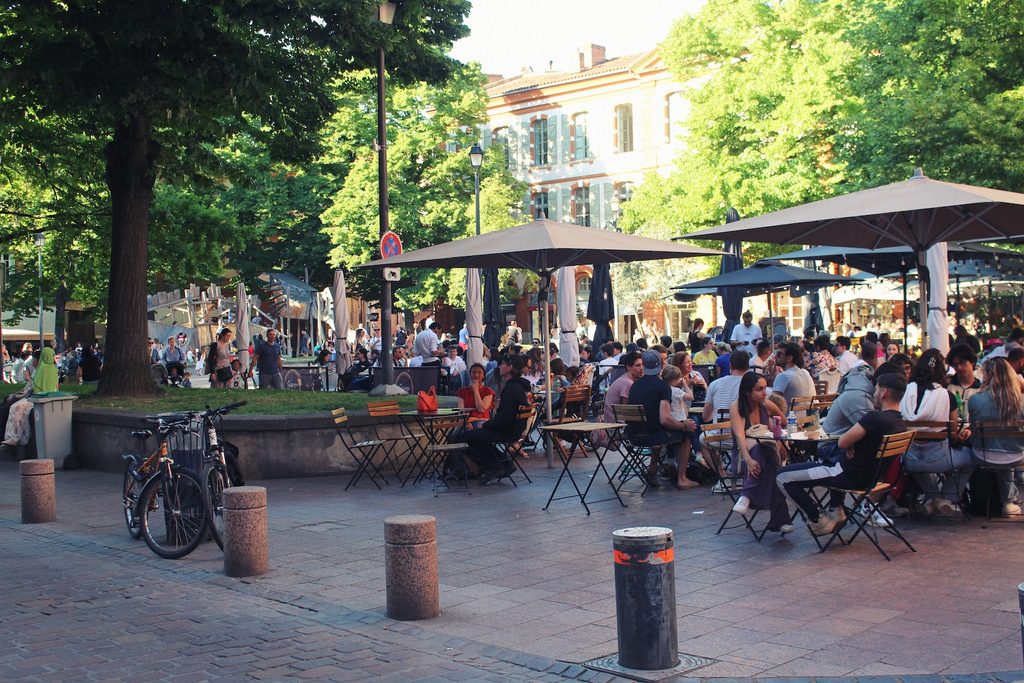
This is another picturesque square that I thought I should mention. This square is one of the most important ones in the city as open-air markets are periodically organised here. It is surrounded by a large number of cafés, restaurants and shops and has a busy atmosphere.
26. Port Viguerie (Viguerie Port)
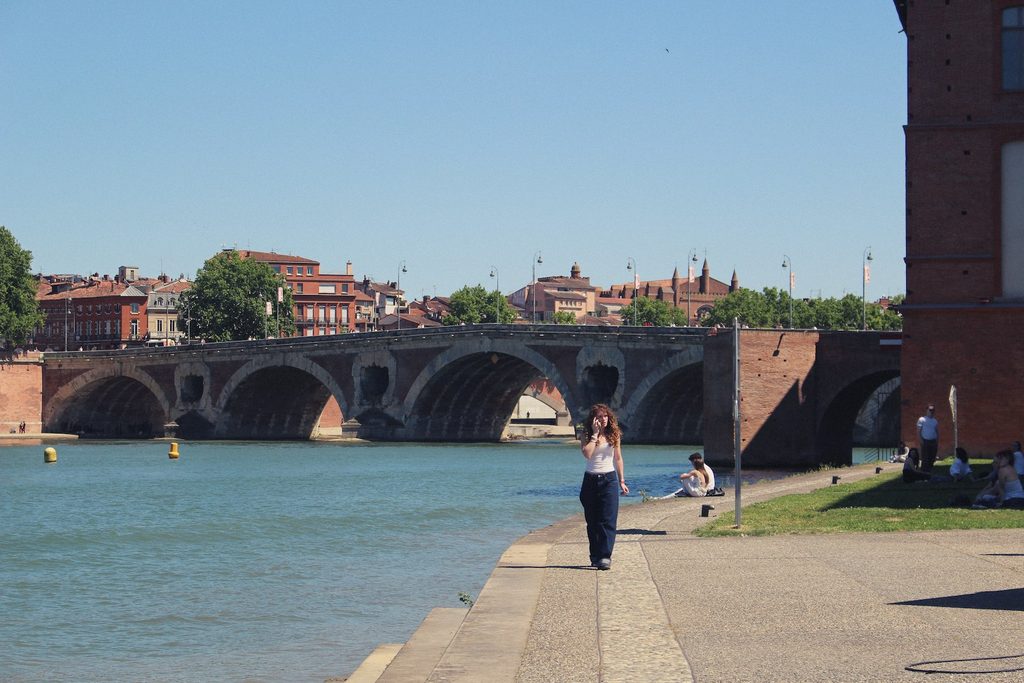
This riverside area is located in Saint-Cyprien on the left bank of the Garonne, next door to the UNESCO-listed Hôtel-Dieu Saint-Jacques (Saint Jacques Hospital). It has been redeveloped into a public space that’s popular with locals on sunny days. In the summer, the atmosphere becomes even more lively as the Toulouse Plages (Toulouse Beaches) festival is organised here, complete with a Ferris wheel and open-air bars.
27. Le Bazacle (The Bazacle) / Chaussée du Bazacle (Embankment of the Bazacle)
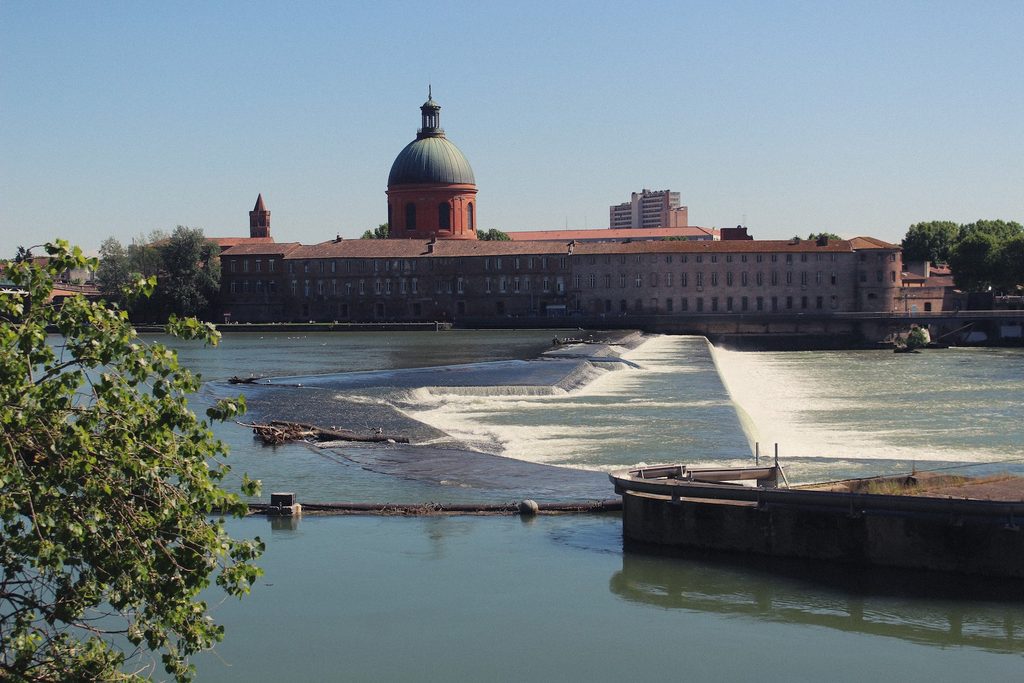
As you walk along the Garonne, you might notice Le Bazacle (The Bazacle), also known as the Chaussée du Bazacle (Embankment of the Bazacle) in the water near the Pont Saint-Pierre (Saint Pierre Bridge). It looks like two broad steps in the water creating a waterfall effect.
Originally intended as a ford that enabled people to cross the Garonne more easily, watermills were later added. Today, it forms part of a functioning hydroelectric power station.
28. Canal de Brienne (Brienne Canal)
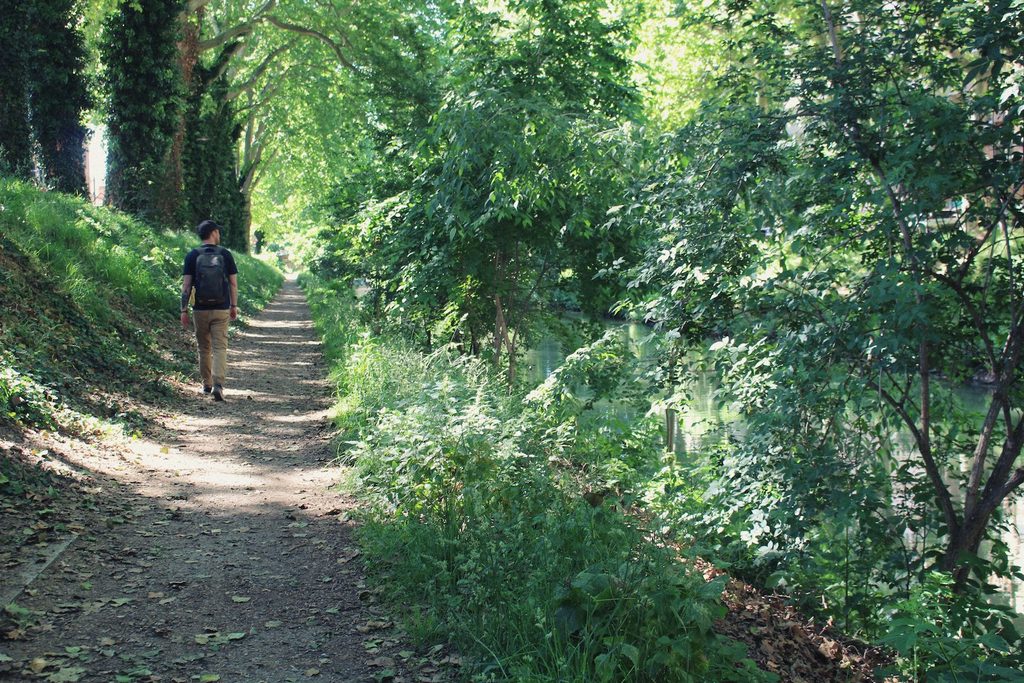
This small canal connects the Canal du Midi (Canal of the South) to the Garonne. The banks of the canal form a pleasant tree-lined area along which to take walks. You can follow the canal from where it intersects with the Garonne, near the Pont Saint-Pierre (Saint Pierre Bridge) and Le Bazacle (The Bazacle), all the way to the start of the Canal du Midi (Canal of the South) at the Port de l’Embouchure (Port of the River Mouth).
29. Église Notre-Dame de la Dalbade (Church of Our Lady of the Dalbade)
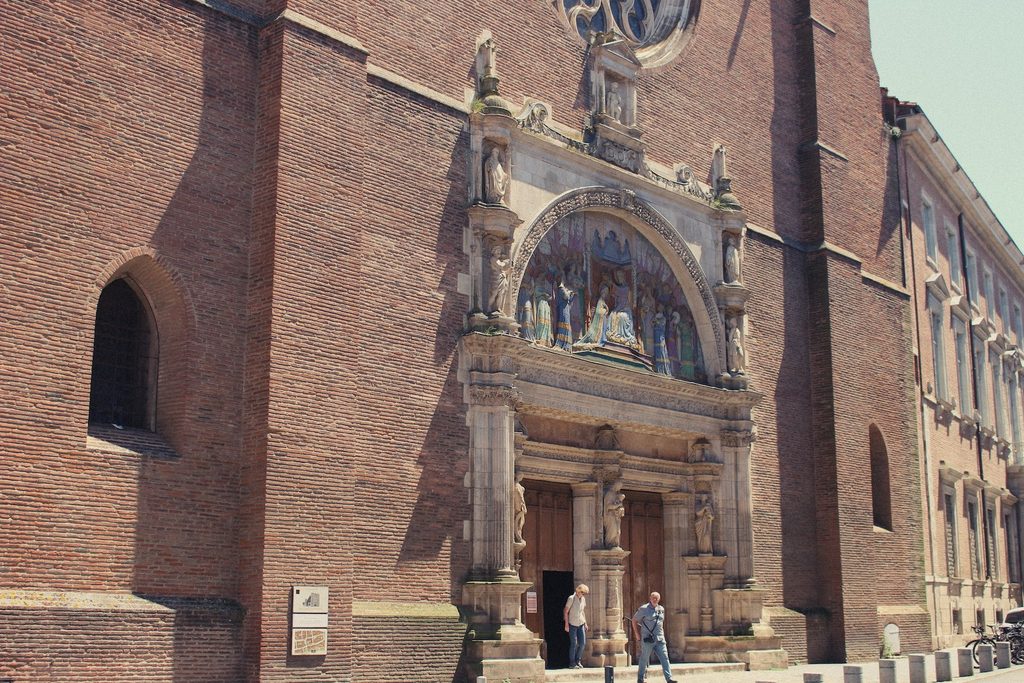
Not to be confused with the Basilique Notre-Dame de la Daurade (Basilica of Our Lady of the Daurade), this Southern Gothic church is located in the Carmes neighbourhood and dates back to the 15th century, when it was built on the site of an earlier church dating back to the sixth century.
The church was previously whitewashed, which is hard to imagine. It is now the same reddish colour as the other historic buildings in Toulouse.
30. Église Saint-Jérôme (Saint Jérôme Church)
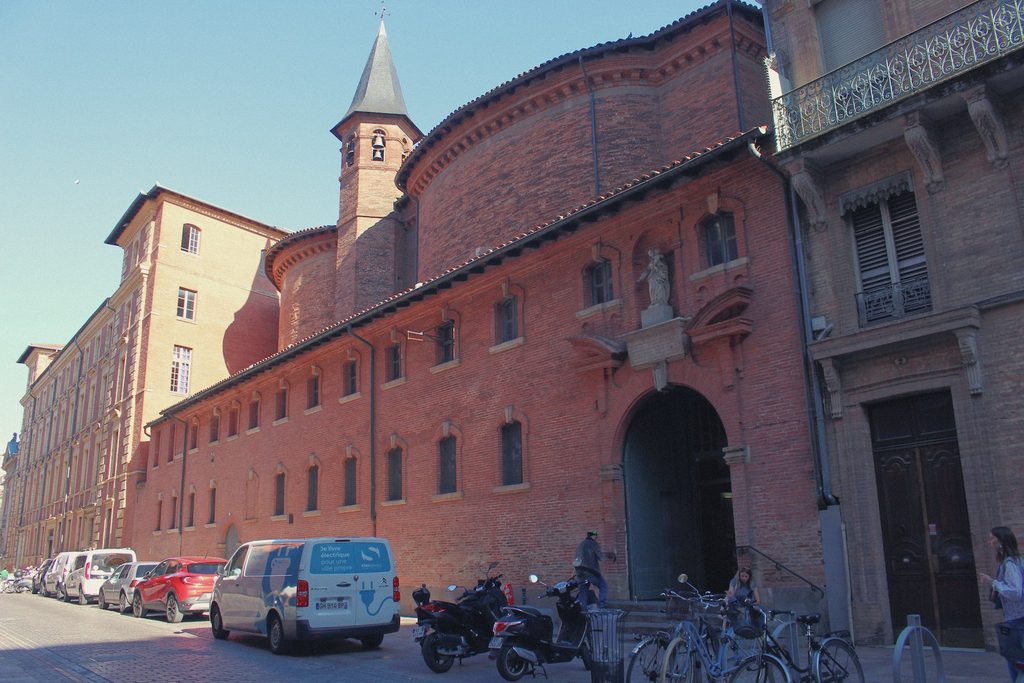
This 17th-century church has an interesting curved structure and some architectural quirks that set it apart from other churches. But the interior is much more interesting than the exterior, so try to go inside if you can! There is a semi-circular passageway surrounding the main hall which has been transformed into a mini exhibition space that you can visit without even having to enter the nave where the worshippers sit.
31. Le Castelet (The Castelet)
Le Castelet (The Castelet) is the former administrative building and entrance of the historic Prison Saint-Michel (Saint Michel Prison). It now houses an exhibition space dedicated to the prison and its former employees. Entry is free!
32. Fontaine Boulbonne (Boulbonne Fountain)
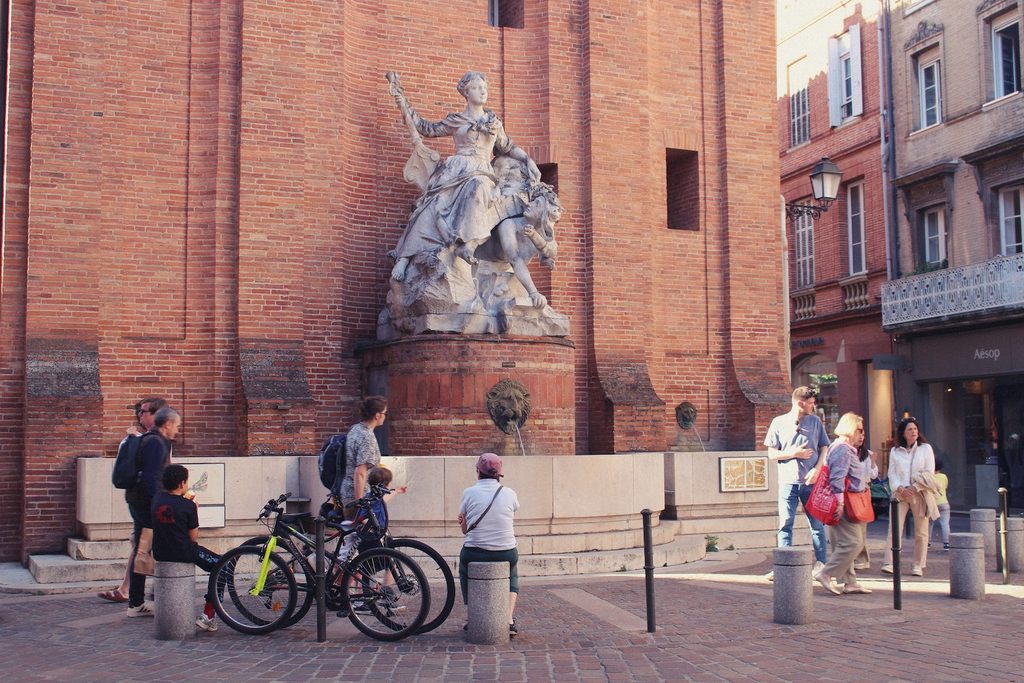
This fountain reminds me of the famous Fontaine Saint-Michel (Saint Michel Fountain) in Paris as it is also built into a wall on a street corner and adorned with a lifelike sculpture. The sculpture represents a female figure sitting on the arch of a bridge, with a man underneath it. The woman represents the Garonne River and how important it has been to the development of Toulouse, particularly in making hydroelectric power possible.
Day trips from Toulouse
- Carcassonne, which is famous for its medieval citadel, is about 40 minutes away by train.
- Albi, whose episcopal city is a UNESCO World Heritage Site, is about 1 hour 10 minutes away by train from Toulouse.
- The beautiful towns of Foix and Lourdes can be reached in one or two hours respectively.

Comments are closed.