
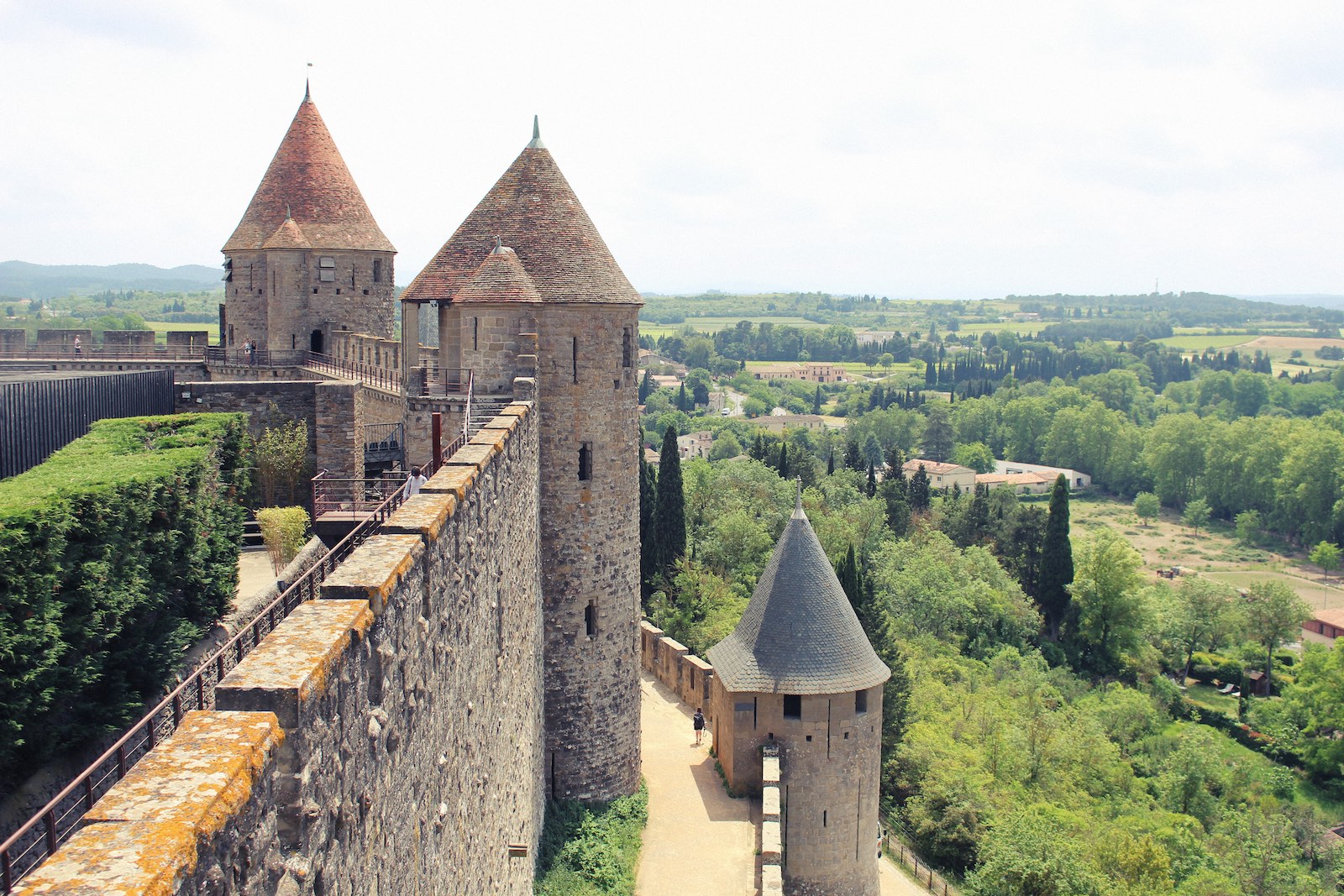
I was a fan of the board game Carcassonne long before I visited the actual medieval fortress of Carcassonne. After all those long hours spent painstakingly positioning my meeples, I knew I had to see the real thing with my own eyes.
And guys, I’m not kidding when I say that it was more fairytale-like than I could have imagined. I’ve visited more than my fair share of castles and citadels in France, but Carcassonne really seemed to have come straight out of a fantasy novel. I even looked up a few times to see if there wasn’t a dragon flying overhead.
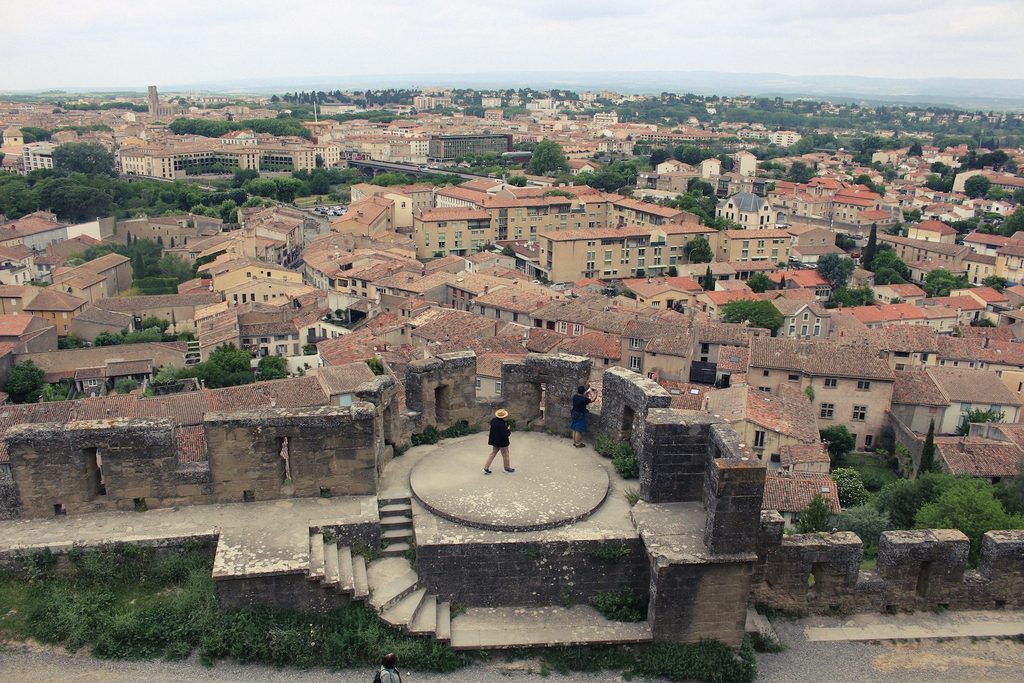
If you are wondering what to do in Carcassonne city itself other than visit the medieval Cité de Carcassonne (City of Carcassonne), which, by the way, is also a UNESCO World Heritage Site, you won’t be disappointed.
Unbeknownst to many, Carcassonne, which was part of the historic province of Languedoc and today is in the administrative department of Aude in the southern French region of Occitanie, is also home to a second UNESCO World Heritage Site, the Canal du Midi, a waterway which stretches from Toulouse to Marseillan.
I’ve compiled this guide to things to see in Carcassonne so that, in addition to the citadel, you’ll also be able to explore the commercial and residential parts of the town. Let’s get into it!
Table of Contents (click to view)
- Where to stay in Carcassonne
- 17 things to do in Carcassonne
- 1. Cité de Carcassonne (City of Carcassonne)
- 2. Canal du Midi (Canal of the South)
- 3. Basilique Saint-Nazaire-et-Saint-Celse (Basilica of Saints Nazarius and Celsus)
- 4. Cathédrale Saint-Michel de Carcassonne (Carcassonne Cathedral)
- 5. Pont-Vieux (Old Bridge)
- 6. Rue Trivalle (Trivalle Road)
- 7. Musée des Beaux-Arts de Carcassonne (Carcassonne Museum of Fine Arts)
- 8. Musée de l’École (School Museum)
- 9. Banks of the Aude
- 10. Parc de Camin del Garric (Park of the Oak Path)
- 11. Portail des Jacobins (Gate of the Jacobins)
- 12. Musée de l’Inquisition (Museum of the Inquisition)
- 13. Centre Culturel de la Mémoire Combattante (Cultural Centre for Military Memory)
- 14. Maison de la Laine et du Drap (House of Wool and Cloth)
- 15. Place Carnot (Carnot Square)
- 16. Rue Georges Clémenceau (Georges Clémenceau Road)
- 17. Square André Chénier (André Chénier Square)
- Day trips from Carcassonne
Where to stay in Carcassonne
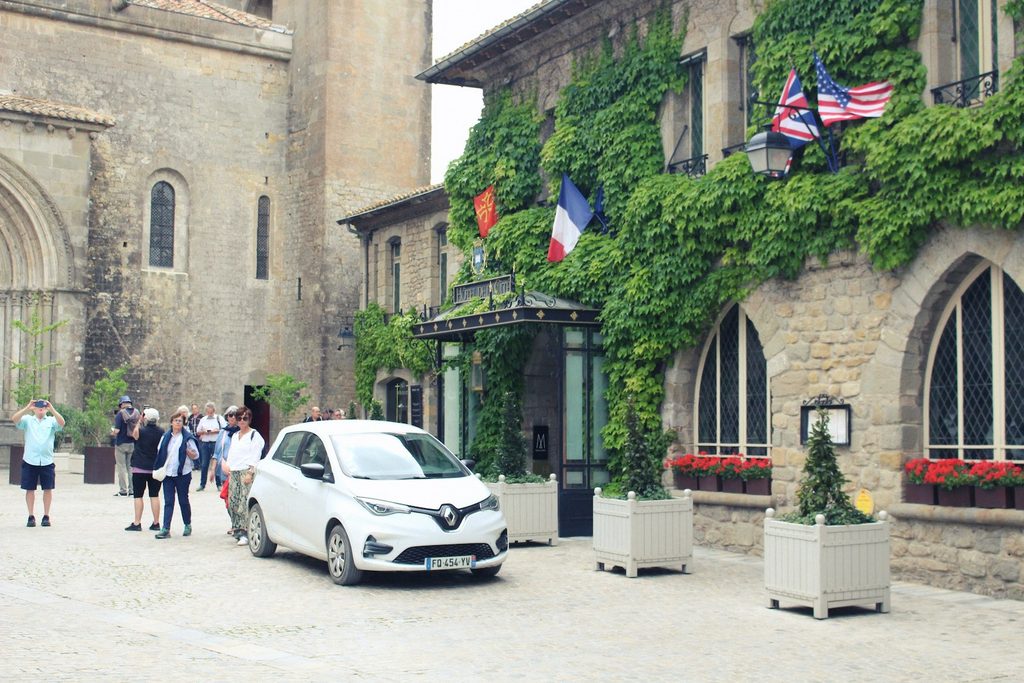
- Beautiful hotel with amazing views of the castle – Hotel de la Cité Carcassonne – MGallery Collection is located right next to the famous UNESCO-listed fortress and offers dreamy views of the medieval city. The rooms are equally dreamy!
- Value-for-money hotel with castle views – Good Knight is one of the best deals in town. It’s one of the most affordable hotels with castle views and has excellent ratings.
- Cheapest hotel in Carcassonne – ibis budget Carcassonne La Cité is probably the cheapest hotel in Carcassonne that’s still within walking distance (about 20 minutes) of the citadel. I’ve stayed at many ibis budget hotels all over France and have always been satisfied with the cleanliness and service.
- Hotel near the train station – Hotel de la Bastide is a five-minute walk from the Carcassonne train station, making it a convenient choice if you’re arriving late or leaving early by train.
17 things to do in Carcassonne
Most people come to Carcassonne to see the famous Cité de Carcassonne (City of Carcassonne) and its medieval fortress, so that’s obviously going to be at the top of this list.
In this guide, I’ll also cover in detail the other sights in the lower town of Carcassonne where the modern city centre is located so you know what else to do after you’ve seen the medieval citadel.
1. Cité de Carcassonne (City of Carcassonne)
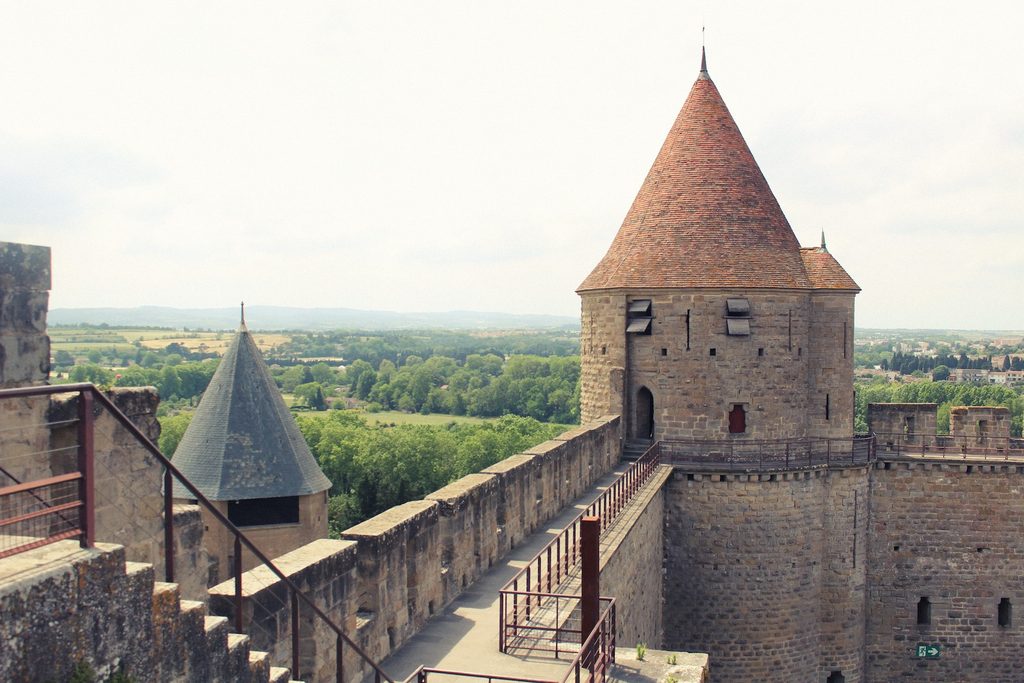
The UNESCO-listed Cité de Carcassonne (City of Carcassonne) is the reason most people come to Carcassonne. You might also hear it being referred to as the Citadelle de Carcassonne (Carcassonne Citadel) or the Forteresse Royale de Carcassonne (Royal Fortress of Carcassonne). They all refer to the same place—that is, the medieval citadel at the top of a hill.
You can buy tickets to the Cité de Carcassonne (City of Carcassonne) at the main entrance located at the Porte Narbonnaise (Narbonne Gate). It’s the first gate you’ll see as you climb up the hill to the fortress.
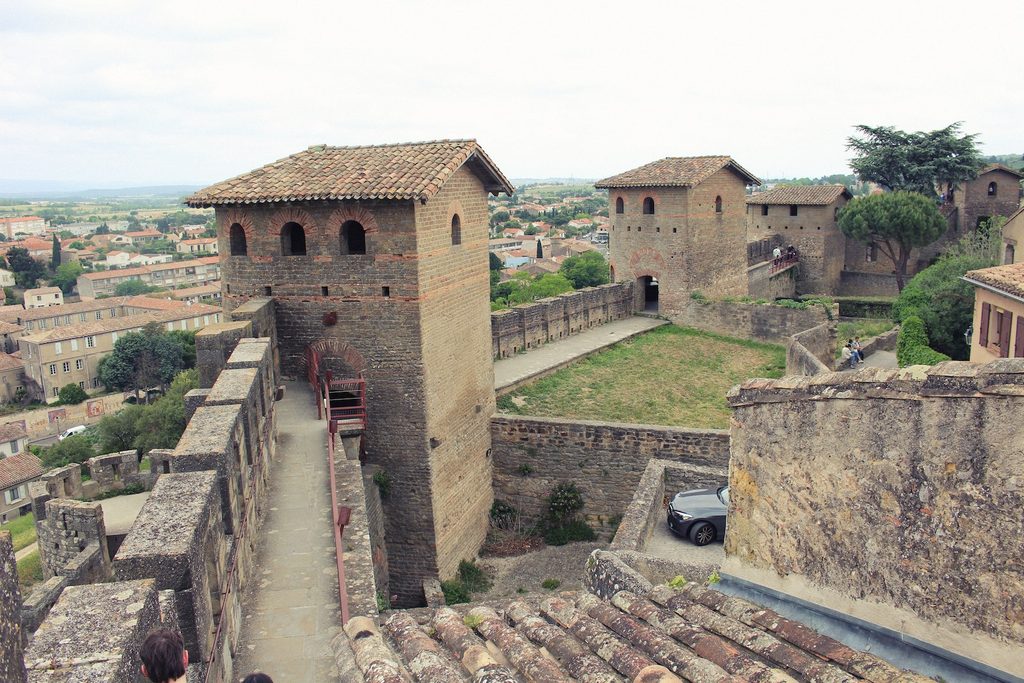
The citadel dates back to the Gallo-Roman period in the third century AD, when the Romans created a fortified town on an existing settlement. It is recognisable from its 3 km of snake-like walls, punctuated by numerous towers.
A large part of the fortifications we see today date back to the 13th century, and an elaborate restoration campaign was carried out from 1853 to 1879 by the architect Eugène Viollet-le-Duc.. The fortress features two layers of ramparts that wrap around the medieval city, protecting it from attack.
2. Canal du Midi (Canal of the South)
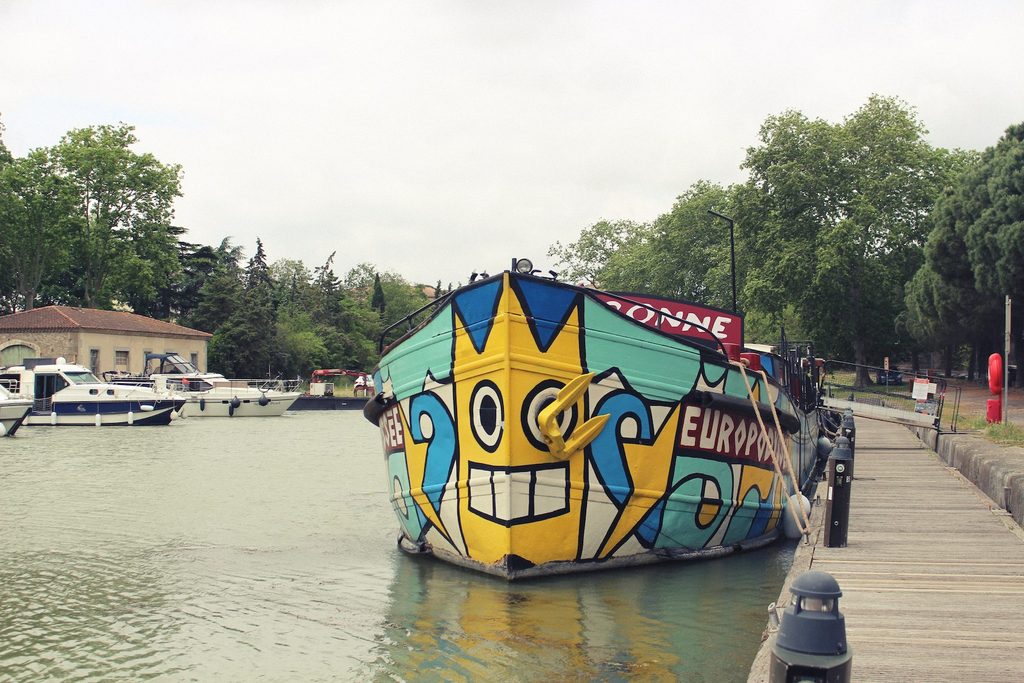
The Canal du Midi (Canal of the South) is another UNESCO World Heritage Site in Carcassonne. It consists of 360 km of waterways linking the Atlantic Ocean to the Mediterranean Sea from Toulouse to Marseillan, passing through Carcassonne along the way.
Wondering where to find the Canal du Midi in Carcassonne? If you’re coming by train, the canal passes right in front of the Gare de Carcassonne (Carcassonne Train Station), flowing through the Port de Carcassonne (Carcassonne Port).
The canal runs through the northern part of Carcassonne and provides a pleasant, tree-lined area for waterfront strolls. If you have the time, you can continue walking along the canal to the east or the west from the train station.
3. Basilique Saint-Nazaire-et-Saint-Celse (Basilica of Saints Nazarius and Celsus)
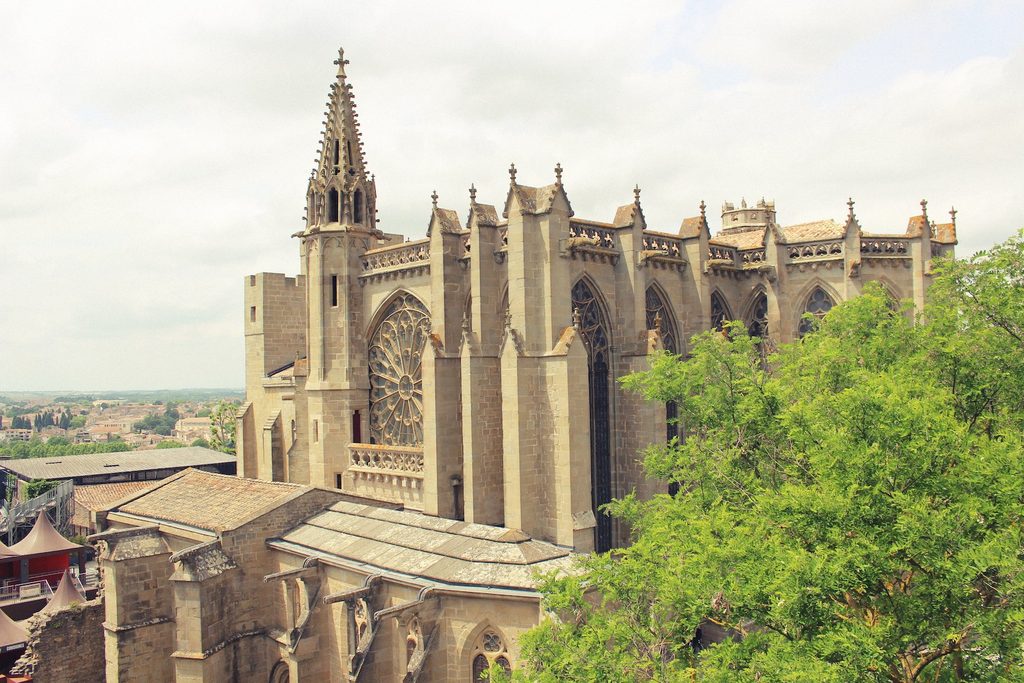
As you walk along the defensive walls of the medieval citadel, you’ll spot the Basilique Saint-Nazaire-et-Saint-Celse (Basilica of Saints Nazaire and Celsus). The church is located just outside the paid area within the medieval city walls and is thus free to visit.
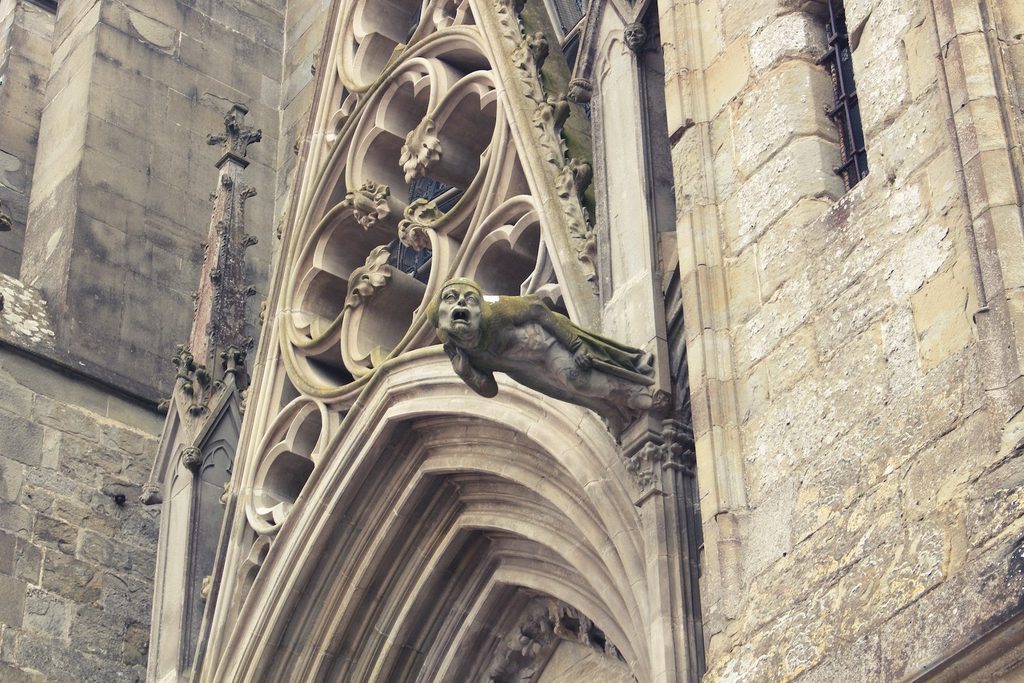
The Gothic-Romanesque building was constructed between the ninth and 16th centuries and served as the cathedral of Carcassonne until 1803, when that status was transferred to the current Cathédrale Saint-Michel de Carcassonne (Carcassonne Cathedral). Check out the grimacing figures carved into its façade who seem to be having a very bad day!
4. Cathédrale Saint-Michel de Carcassonne (Carcassonne Cathedral)
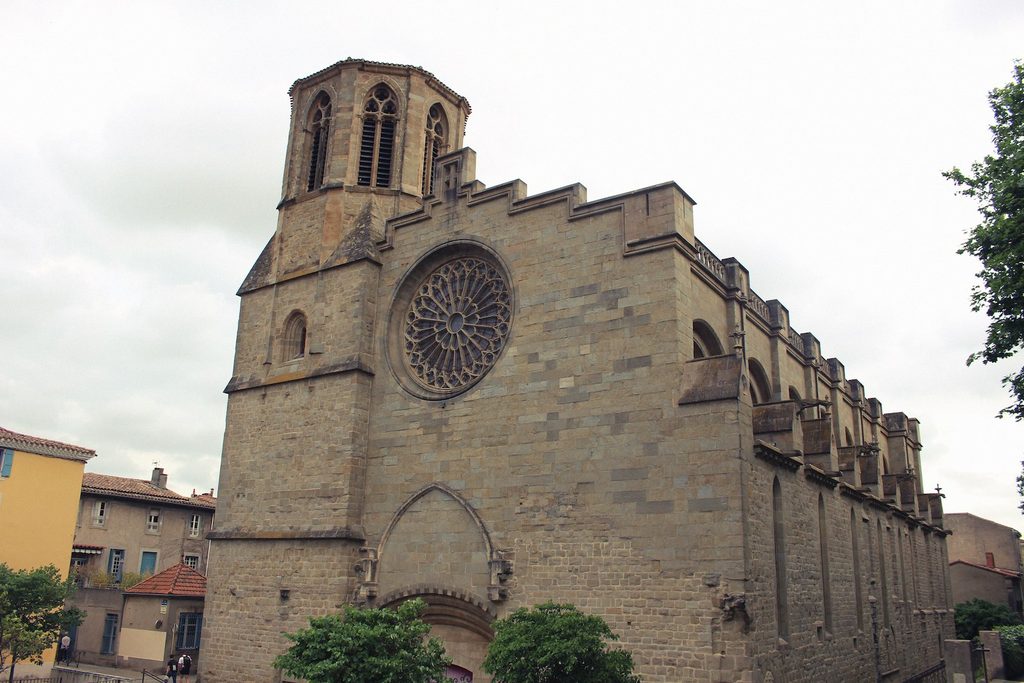
Carcassonne’s resident cathedral is a rather unassuming building located in the lower town. The building dates back to the 13th century, when it was constructed in what was then a suburb of the medieval city of Carcassonne. It was badly damaged during the Hundred Years’ War between the kingdoms of France and England and had to be extensively reconstructed afterwards.
The church became a cathedral only in 1803, taking over from the Basilique Saint-Nazaire-et-Saint-Celse (Basilica of Saints Nazaire and Celsus).
5. Pont-Vieux (Old Bridge)
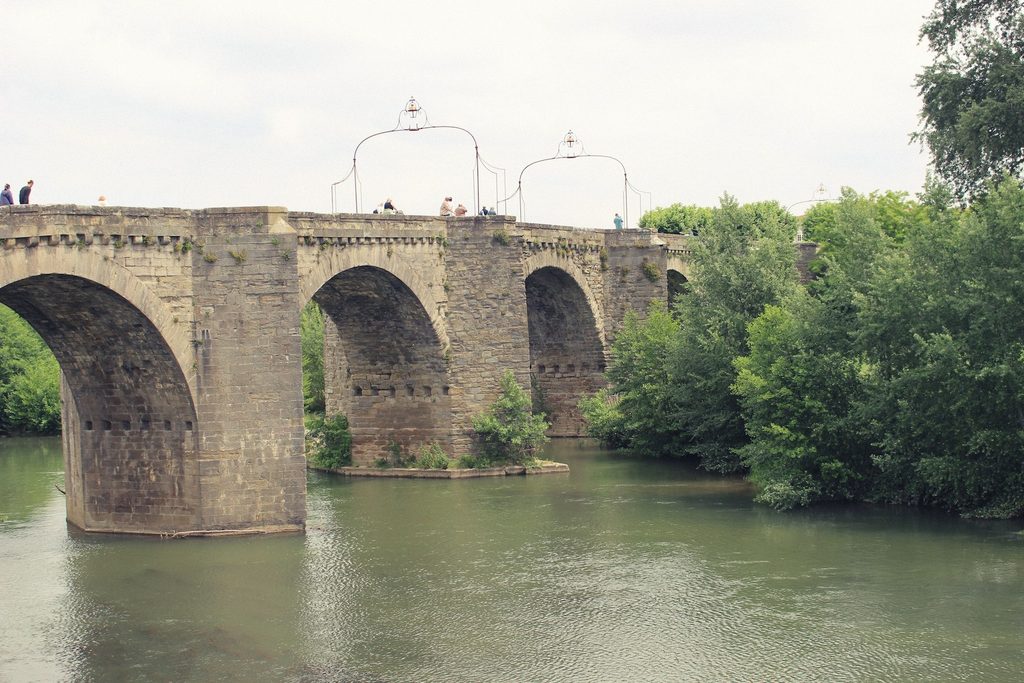
Most visitors to Carcassonne will cross the Pont-Vieux (Old Bridge) on their way from the lower town to the Cité de Carcassonne (City of Carcassonne). You can enjoy nice views of the fortress from the bridge.
The bridge, which crosses the River Aude, has a long history and was first mentioned in the late 12th century, although the current stone structure dates back to the 14th century.
It links the fortified medieval city, the seat of military power, to the modern lower town, known as the Bastide Saint-Louis (Saint Louis Fortified Town), which is where commercial activity was carried out.
6. Rue Trivalle (Trivalle Road)
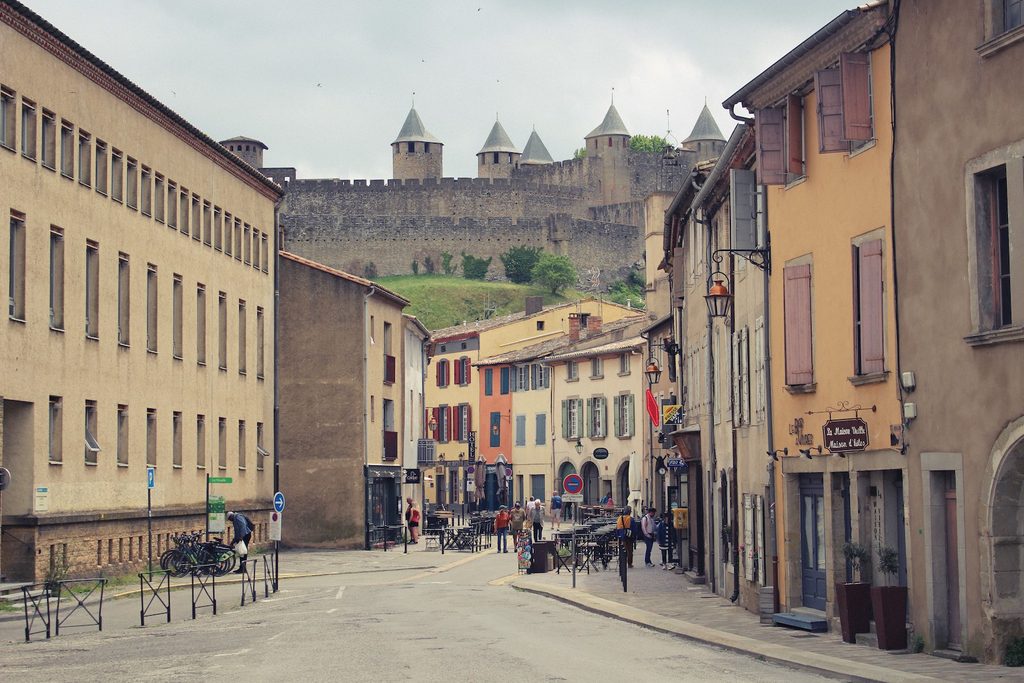
Of all the streets in Carcassonne, Rue Trivalle (Trivalle Road), which lies at the foot of the hill on which the medieval citadel was built, is one of the most charming. Check out the citadel hovering above the buildings in the above picture!
It is located in one of Carcassonne’s oldest neighbourhoods and is today lined with quaint restaurants, antique shops and little boutiques. You’ll also find the Centre Culturel de la Mémoire Combattante (Cultural Centre for Military Memory) and the Maison de la Laine et du Drap (House of Wool and Cloth) here.
7. Musée des Beaux-Arts de Carcassonne (Carcassonne Museum of Fine Arts)
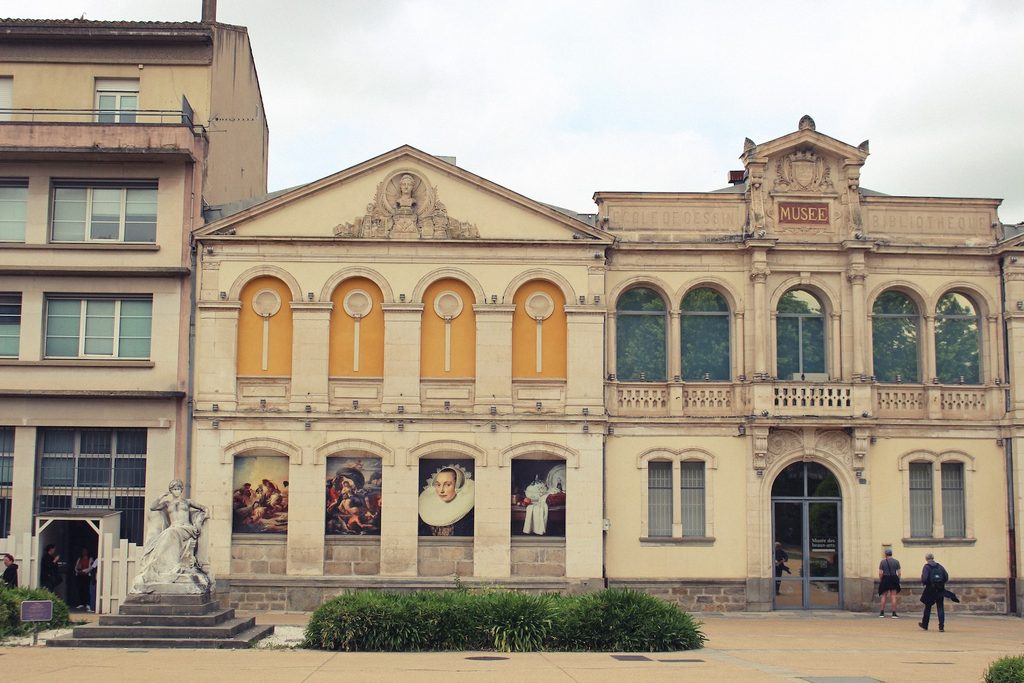
Carcassonne has its own fine arts museum, housed in a handsome building that once served as the city’s law courts. The museum was established in 1836 and exhibits works of art from the 17th to 20th centuries, alongside contemporary art from the 20th and 21st centuries. Best of all, the museum is free to visit!
8. Musée de l’École (School Museum)
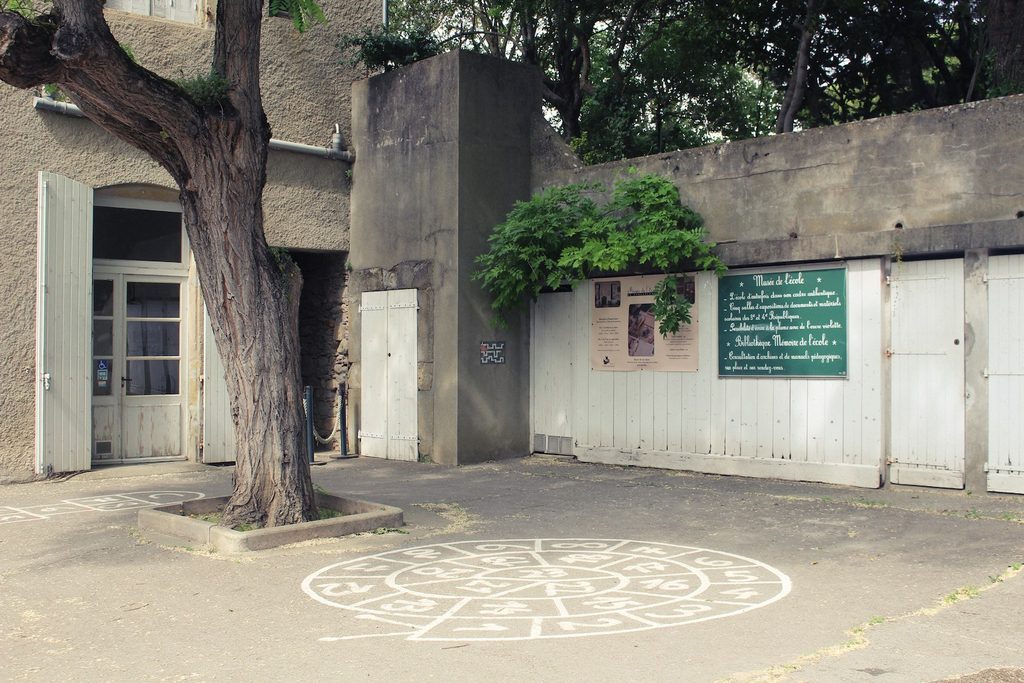
Ever wondered what going to school was like in another country or another era? At the Musée de l’École (School Museum), you’ll get a taste of French school life from the 1870s to the 1960s. The museum recreates classrooms from the past and exhibits artefacts such as school uniforms, desks, blackboards and even ink pots! You won’t find any laptops here!
9. Banks of the Aude
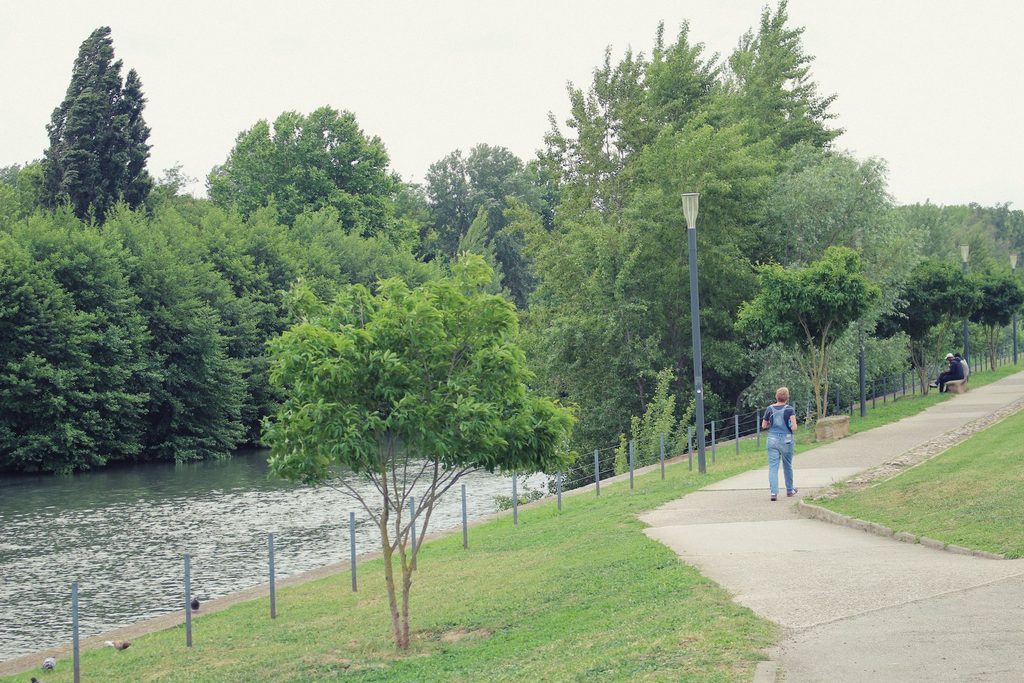
The River Aude separates the medieval fortress from the lower town of Carcassonne and offers a scenic green space where you can enjoy a picnic or walk along the river if you have some time after visiting the citadel.
10. Parc de Camin del Garric (Park of the Oak Path)
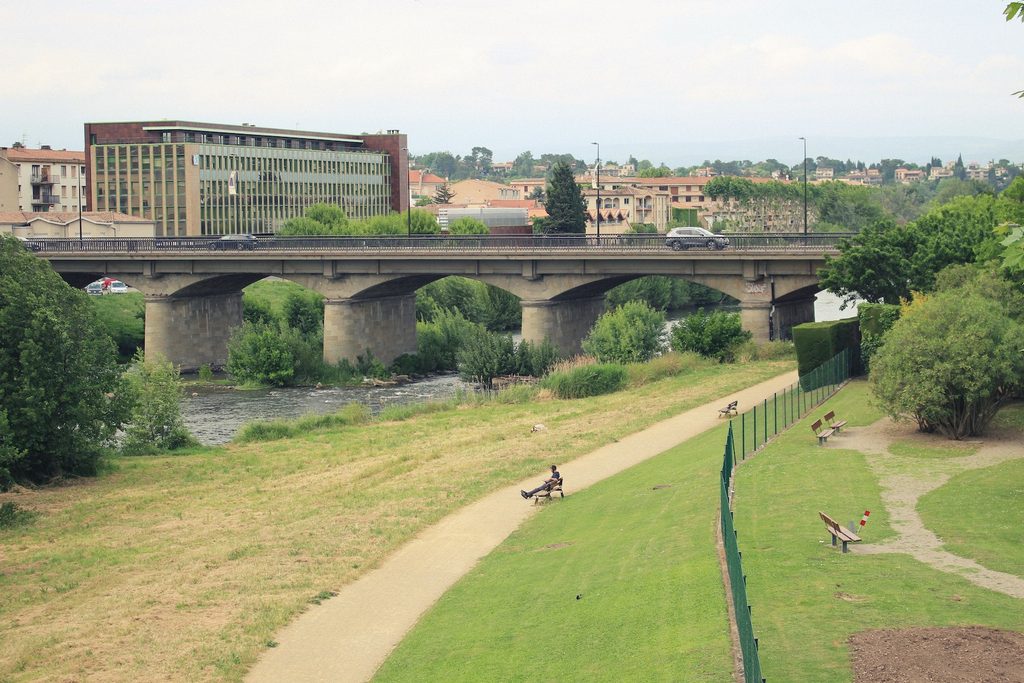
If you’d like to walk along the banks of the Aude, a great starting point is the Parc de Camin del Garric (Park of the Oak Path), which can be conveniently accessed from the Pont-Vieux (Old Bridge). This riverside park offers a dose of nature and is a favourite spot of dog owners and picnickers in Carcassonne.
11. Portail des Jacobins (Gate of the Jacobins)
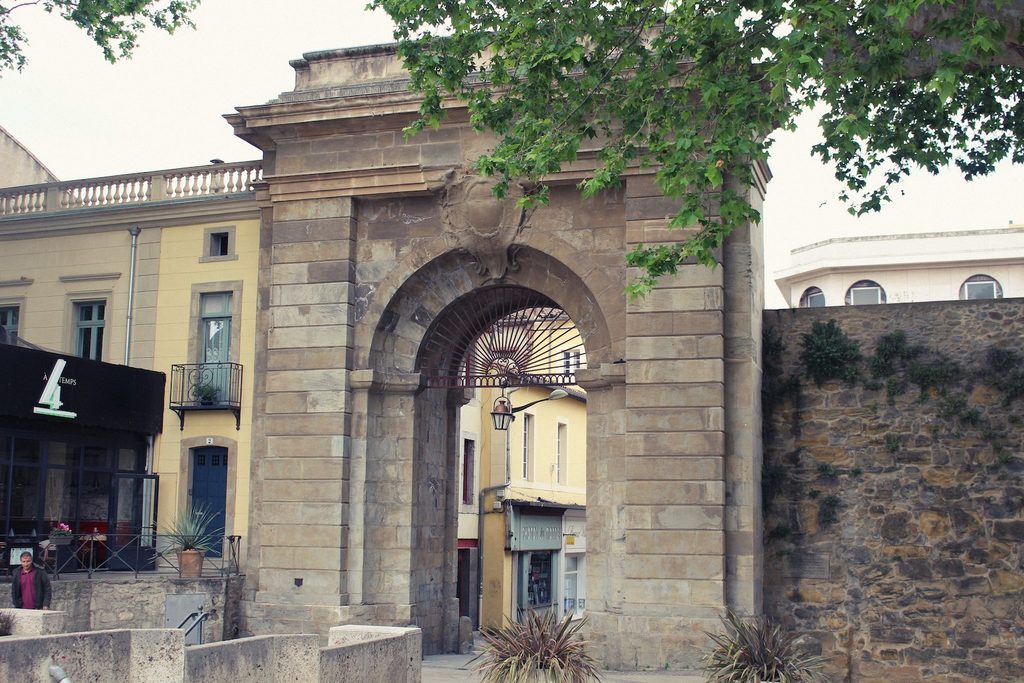
This historic gate is a remnant of the defensive walls that once surrounded the lower town that now makes up the modern city centre of Carcassonne. The current gate is a reconstruction dating back to 1779. The original gate was built from 1355 to 1359, and the current version was later built at its initial location.
12. Musée de l’Inquisition (Museum of the Inquisition)
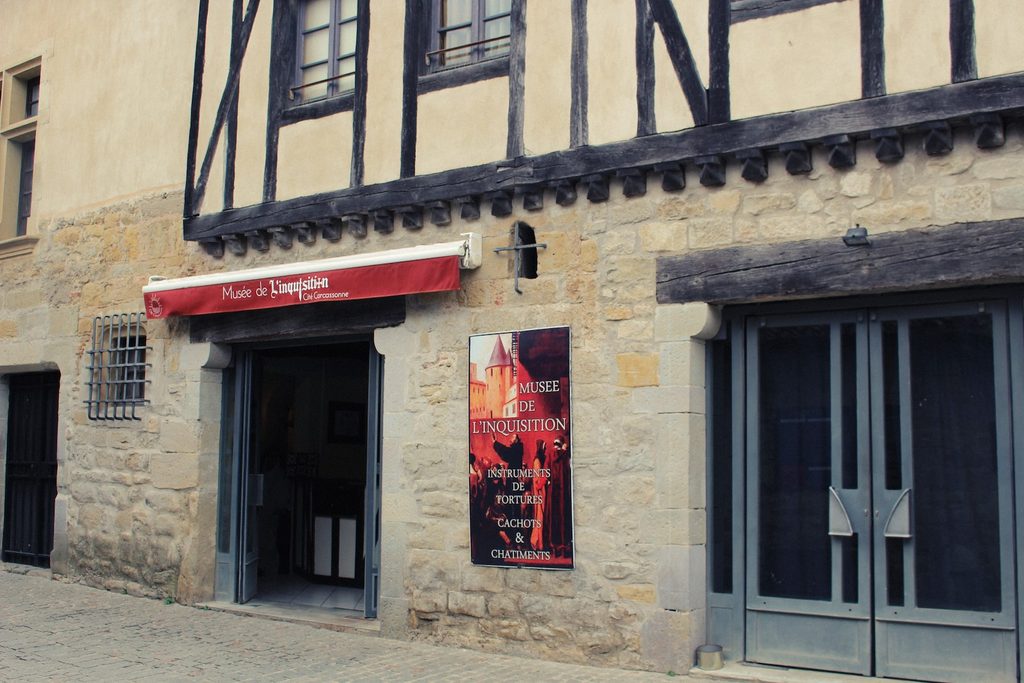
This museum is dedicated to the dark period of the Inquisition in France, which began in the 12th and 13th centuries to quash religious dissent. Getting accused of heresy could lead to imprisonment and torture. The Languedoc region was one of the most important locations in the Inquisition.
The museum sheds light on this period and also offers grisly recreations of scenes from the Inquisition that include torture instruments and sinister hooded figures.
13. Centre Culturel de la Mémoire Combattante (Cultural Centre for Military Memory)
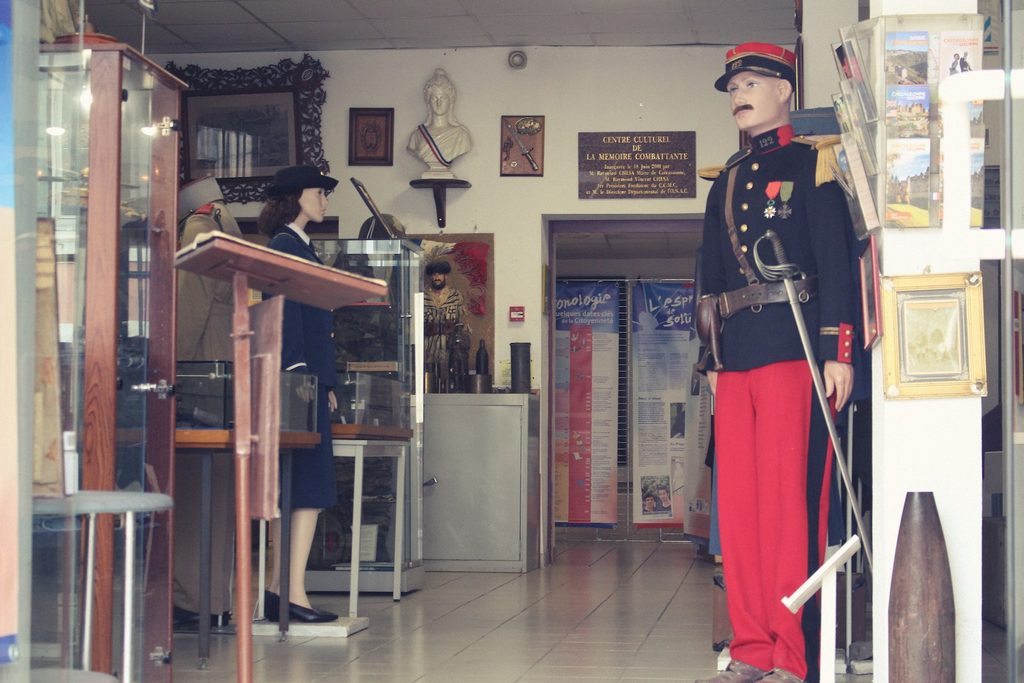
This little museum is dedicated to French military history and showcases a range of items, including uniforms, historical documents and photographs from conflicts in which the French armed forces participated, including the two World Wars, the Indochina War and the Algerian War, as well as more recent military operations.
14. Maison de la Laine et du Drap (House of Wool and Cloth)
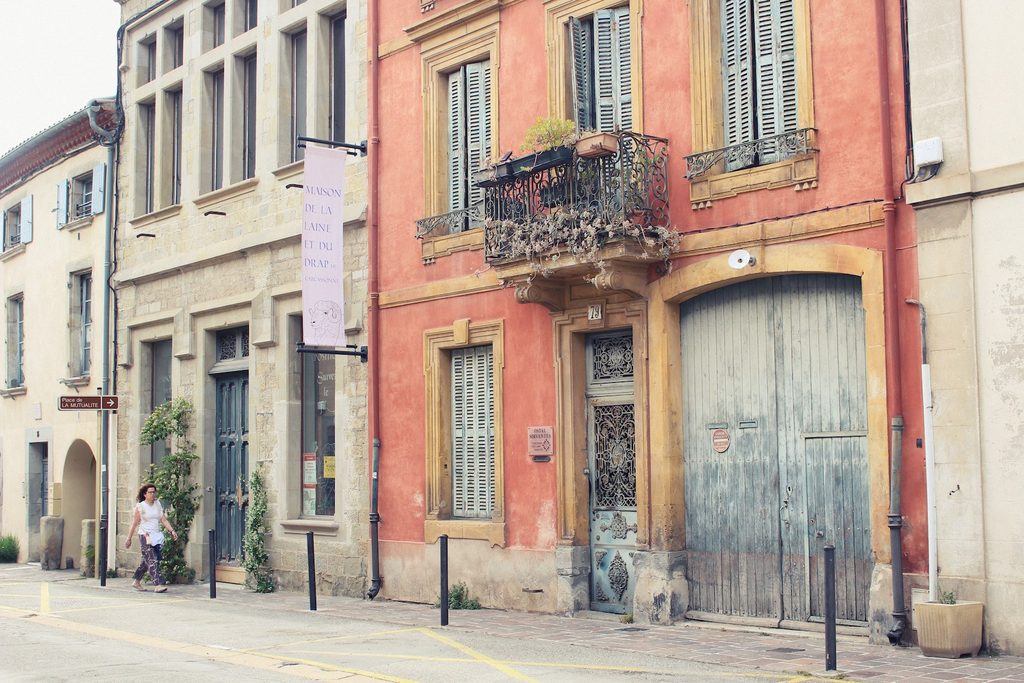
Carcassonne became wealthy thanks to wool and textile production in the 17th and 18th centuries, and this centre sheds light on this industry. You’ll learn how wool was prepared, cleaned, spun, woven and dyed, as well as how merchants would go about selling their products.
15. Place Carnot (Carnot Square)
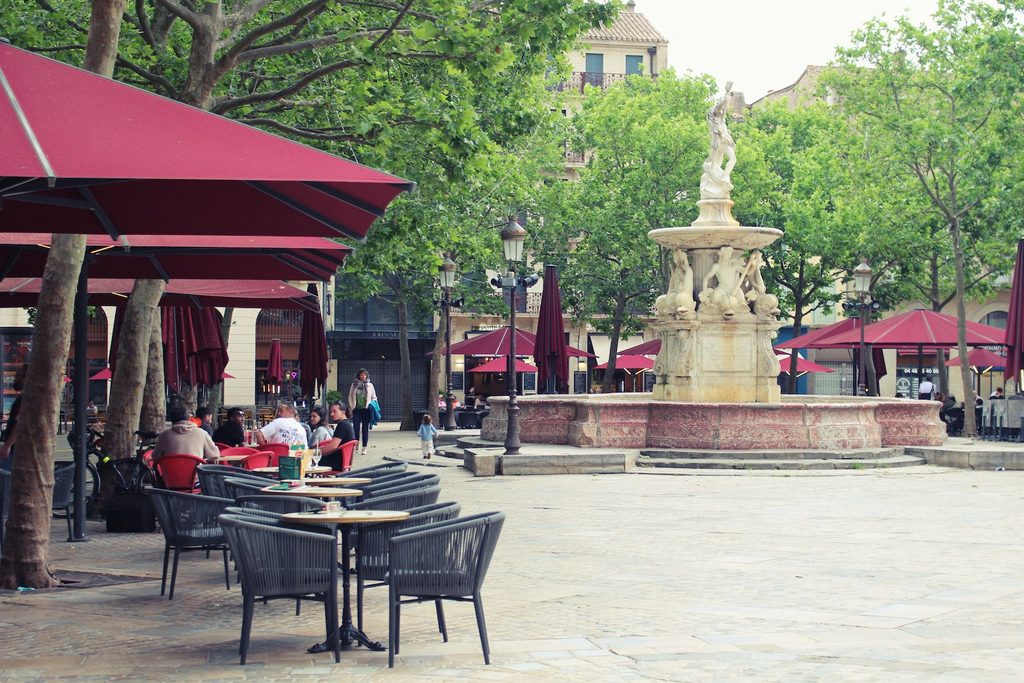
Place Carnot (Carnot Square) is one of the most important town squares in the lower town of Carcassonne. It lies at the heart of the town’s social life and is one of the most popular spots to enjoy a drink. It is also home to flower and produce markets on certain days.
16. Rue Georges Clémenceau (Georges Clémenceau Road)
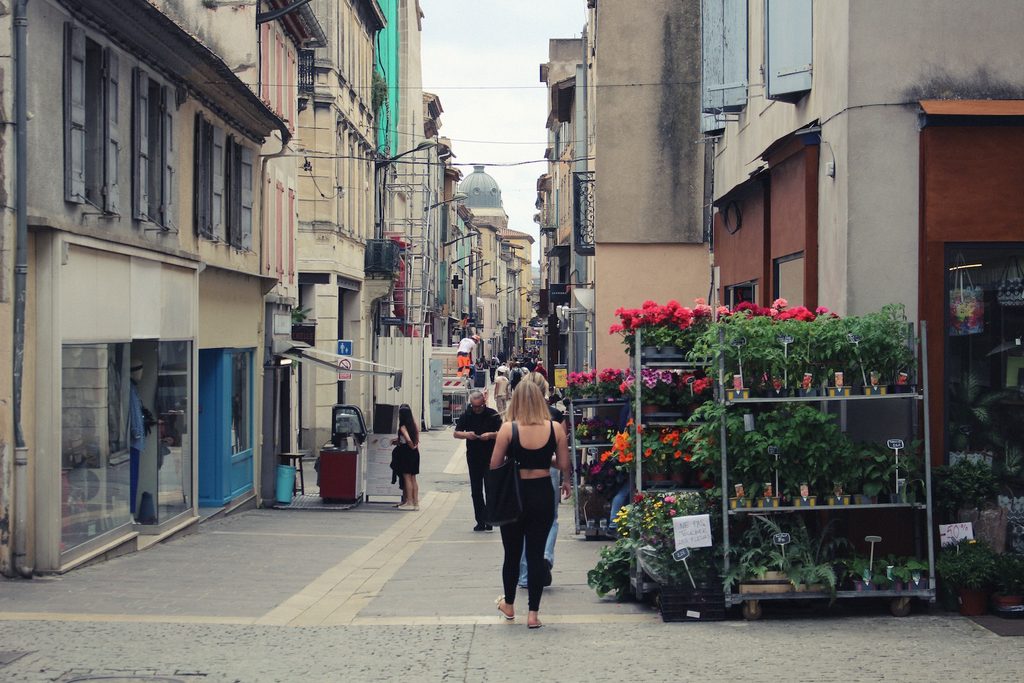
Rue Georges Clémenceau (Georges Clémenceau Road) is one of the main pedestrian shopping streets in Carcassonne’s lower town, with a decent selection of clothing boutiques and bookshops, as well as the Église Notre-Dame des Carmes (Church of Our Lady of the Carmelites).
17. Square André Chénier (André Chénier Square)
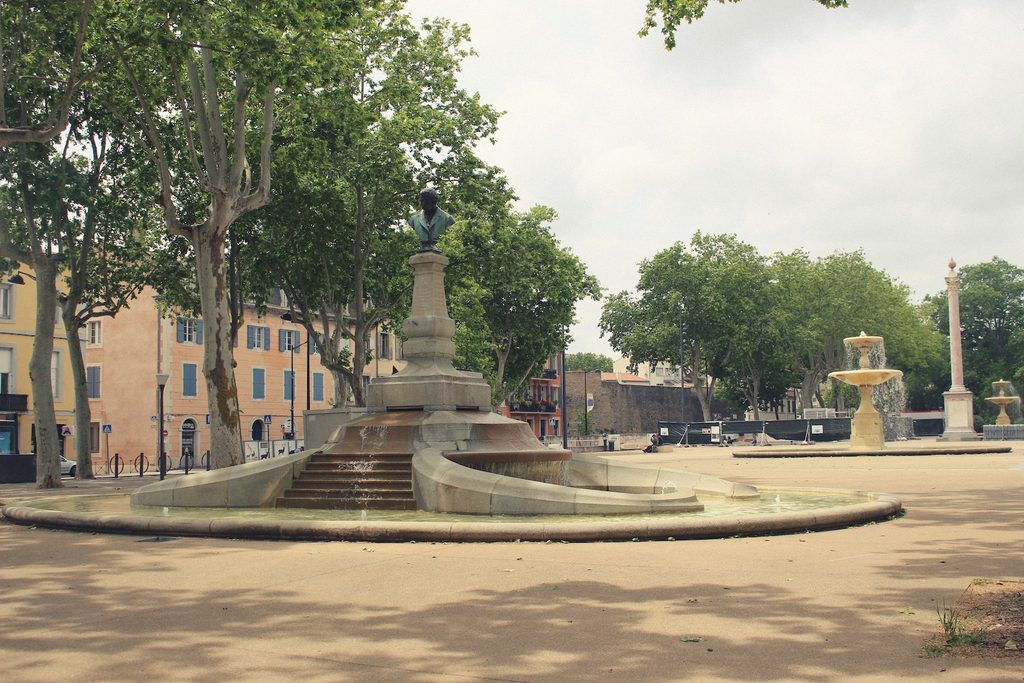
This public square in the lower town is home to a small public park and was renovated and reopened in 2018 to serve as a link between the medieval city, the lower town and the Canal du Midi (Canal of the South). It’s near the train station and so can be a nice place to chill while waiting for your train.
Day trips from Carcassonne
- Toulouse, France’s fourth-largest city, is just a 40-minute train ride away from Carcassonne and is a must-visit for its pink architecture and UNESCO World Heritage Sites.
- The episcopal city of Albi, which is a UNESCO World Heritage Site and also incredibly beautiful, is 1 hour 40 minutes away by car or 2.5 hours away by train.

Comments are closed.