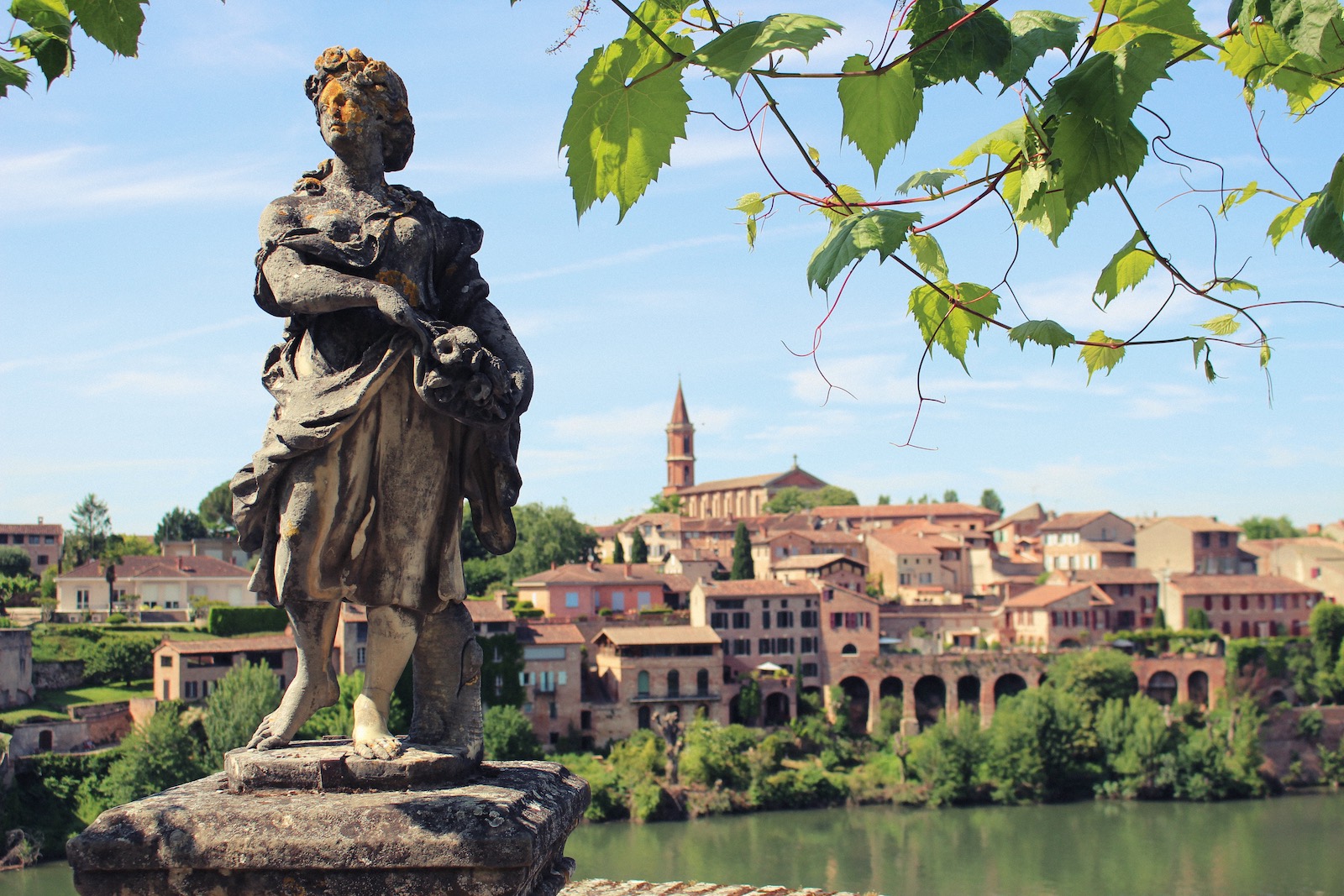
Most people visit Albi as a day trip from Toulouse. And I was determined to do the same the first time I visited Toulouse in 2017 to see Teenage Fanclub, one of my favourite bands, in concert.
However, I was also couchsurfing, and anyone who’s couchsurfed knows that you can never predict how your trip will pan out. I ended up spending most of my trip with my host and another of his couchsurfers and so never got around to taking the day trips to Albi and Carcassonne that I had originally planned.
But luckily, we sometimes do get second chances. Fast forward to many years later, and I finally returned to Toulouse with Gui. And this time, we did make it to Albi.
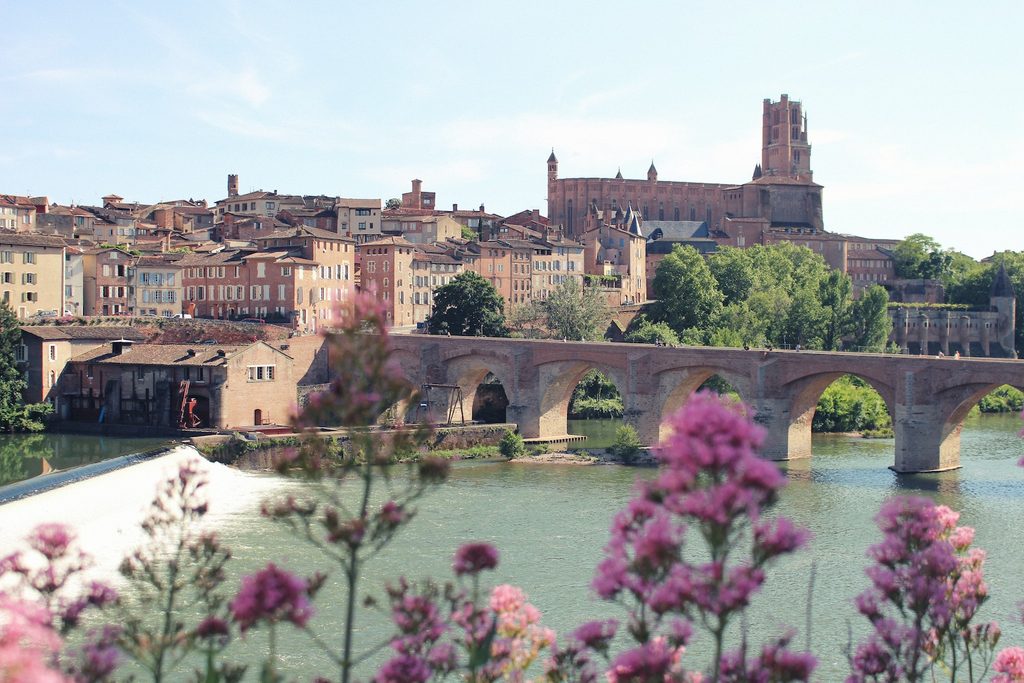
I’ll admit that I had initially wanted to go to Albi purely because the city is also a UNESCO World Heritage Site. But when I actually got there, I was blown away by how beautiful it is. Coupled with the blue skies and fantastic weather we were lucky enough to have, I consider it one of the most photogenic cities I have visited in France.
Table of Contents (click to view)
- Why is Albi worth visiting?
- Where to stay in Albi
- How to get from Toulouse to Albi
- 15 things to do in Albi
- 1. Cathédrale Sainte-Cécile d’Albi (Albi Cathedral)
- 2. Musée Toulouse-Lautrec (Toulouse-Lautrec Museum)
- 3. Palais de la Berbie (Berbie Palace)
- 4. Pont-Vieux (Old Bridge)
- 5. Collégiale Saint-Salvi d’Albi (Albi Collegiate Church of Saint Salvi)
- 6. Banks of the Tarn
- 7. Place Savène (Savène Square)
- 8. Maison du Vieil Alby (House of Old Alby)
- 9. Les Halles d’Albi (Albi Market)
- 10. Musée Lapérouse (Lapérouse Museum)
- 11. Place Sainte-Cécile (Saint Cécile Square)
- 12. Place du Château (Castle Square)
- 13. Musée Pour Tous Raphaël Cordoba (Raphaël Cordoba Museum for Everyone)
- 14. Grand Théâtre (Great Theatre)
- 15. Parc Rochegude (Rochegude Park)
- Other things to do near Albi
Why is Albi worth visiting?
Albi is the capital of the department of Tarn in France’s Occitanie region and occupies a postcard-perfect location on the Tarn River.
The city became powerful in the 13th century thanks to its status as a religious centre and its strategic location on a bustling trade route. Its historic centre, also known as the cité épiscopale (episcopal city), is a UNESCO World Heritage Site and consists of a gorgeous ensemble of medieval French Gothic architecture. Many of the top Albi attractions are architectural wonders from this period of prosperity.
Albi is also the birthplace of Henri de Toulouse-Lautrec, the famous artist behind iconic representations of revellers at the Moulin Rouge, and has an excellent museum dedicated to him.
Where to stay in Albi
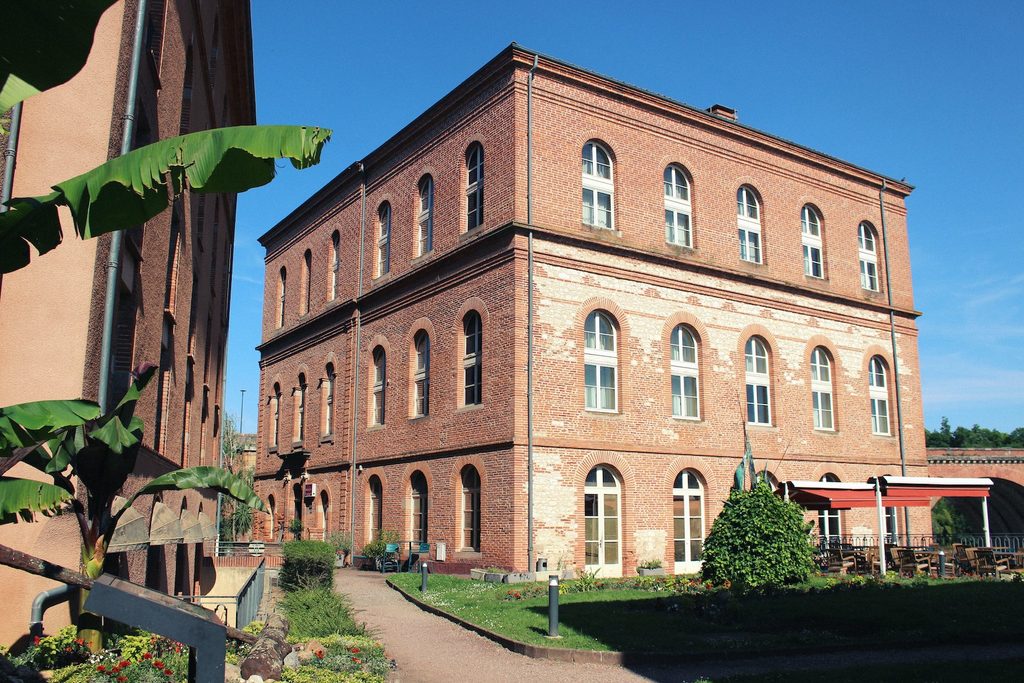
- Stunning hotel on the Tarn River – Mercure Albi Rives du Tarn is located on the banks of the river, one of the most scenic settings in Albi, and is also next door to the Musée Lapérouse (Lapérouse Museum).
- Hotel with amazing views of the cathedral – Cathédrale Appart is located in a historic building a stone’s throw from Albi’s iconic cathedral, offering breathtaking views of the edifice from some of the rooms.
- Hotel with family-friendly amenities – Lovely Charming Hôtel – Les Pasteliers is as charming as its name suggests, with colourful, tastefully decorated rooms. Their family rooms come with a terrace and they also have a kids’ club.
How to get from Toulouse to Albi
You can take a train from Gare de Toulouse-Matabiau (Toulouse-Matabiau Train Station) to Gare Albi-Ville (Albi-City Train Station) in a little under an hour. There are several departures a day and you can book your tickets online.
15 things to do in Albi
Most visitors to Albi will visit the top three sights on this list–Cathédrale Sainte-Cécile d’Albi (Albi Cathedral), Musée Toulouse-Lautrec (Toulouse-Lautrec Museum) and Palais de la Berbie (Berbie Palace).
But there are many more things to do in Albi, as you’ll see as you work your way down this list. Enjoy!
1. Cathédrale Sainte-Cécile d’Albi (Albi Cathedral)
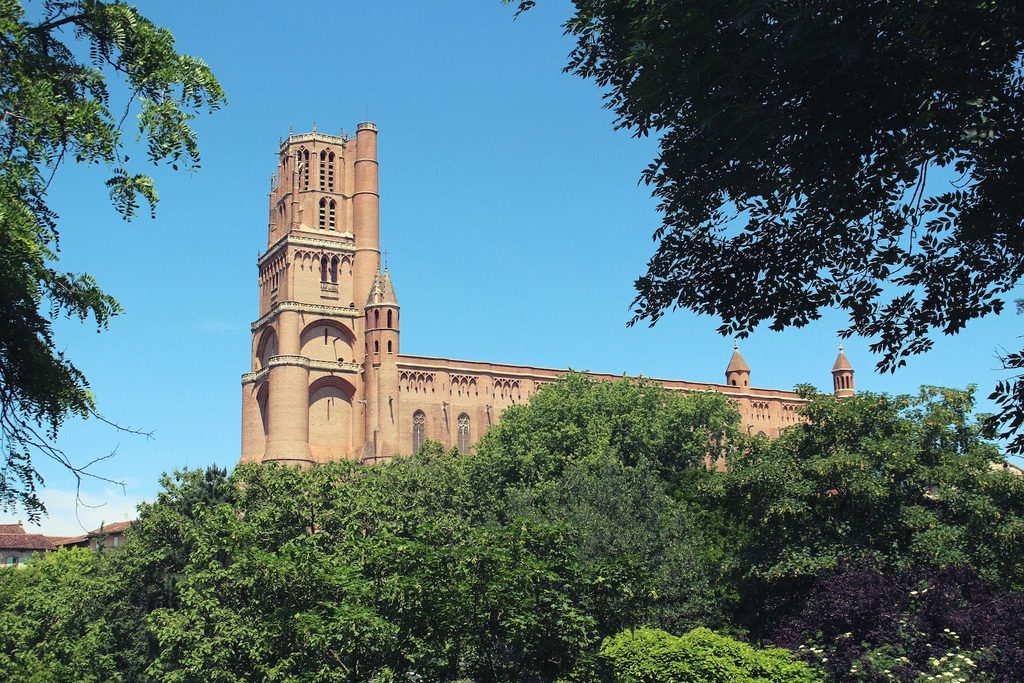
The magnificent Cathédrale Sainte-Cécile d’Albi (Albi Cathedral) is said to be the world’s largest brick cathedral and is also the city’s most prominent focal point. The red brick from which the cathedral was built is characteristic of Albi’s architecture.
Construction of the cathedral began in 1282 and continued for some 200 years. It was built after the Albigensian Crusade, which strengthened the authority of the Catholic Church in the region.
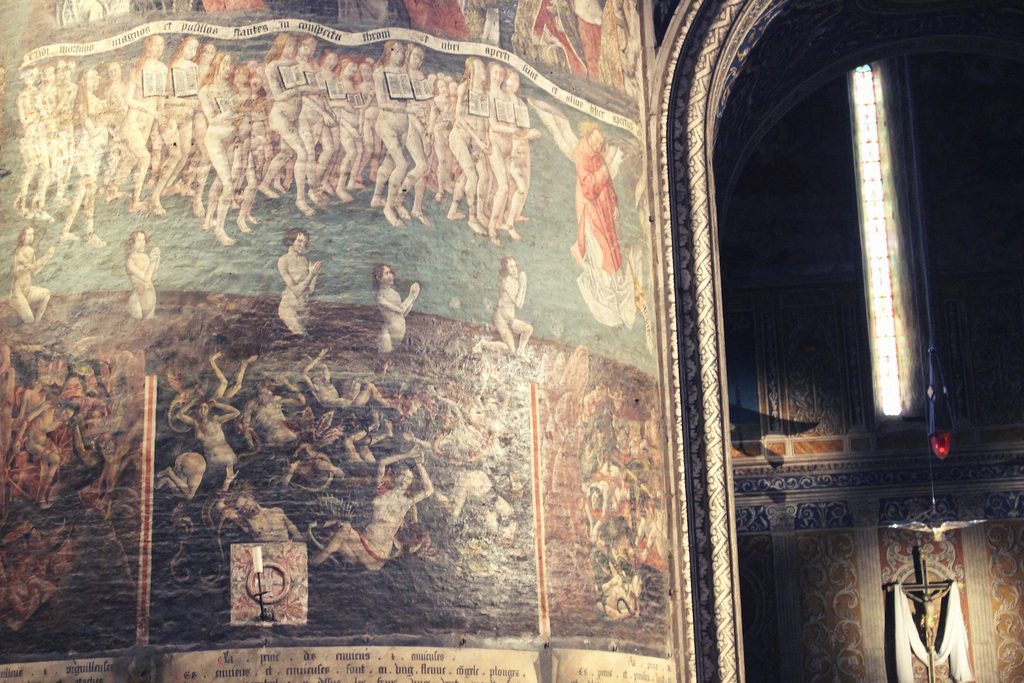
The inside of the cathedral is just as interesting as its striking exterior. The highlight is the massive 15th-century painting of the Last Judgment, which depicts Heaven, Earth and Hell in graphic detail, and which covers the wall underneath the organ. Also, don’t forget to look up at the ceiling, which is covered in intricate geometric patterns.
2. Musée Toulouse-Lautrec (Toulouse-Lautrec Museum)
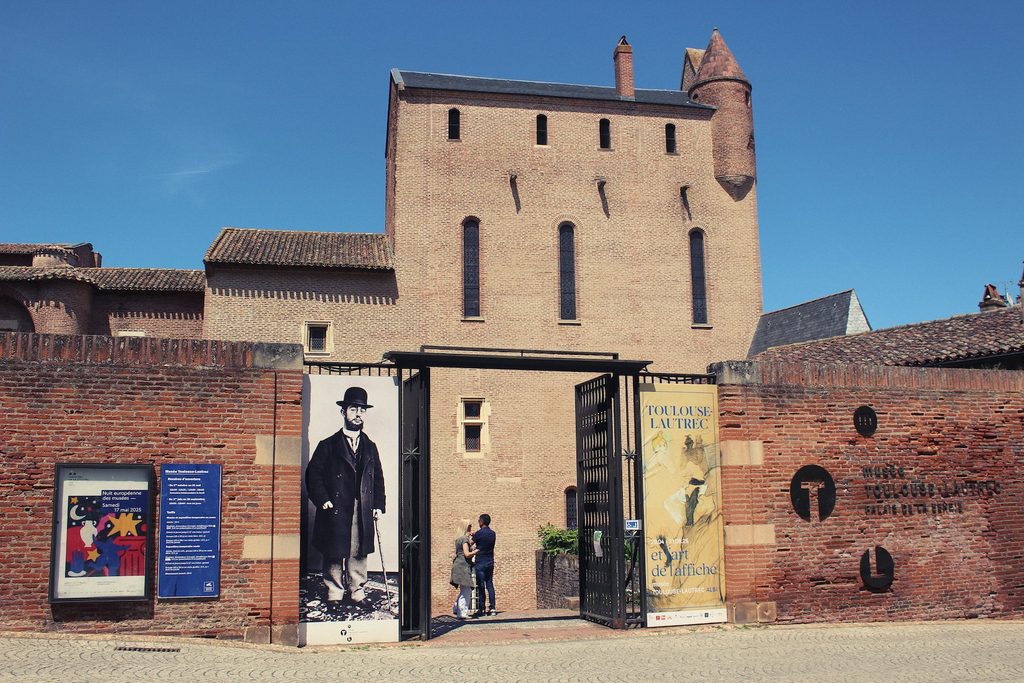
Musée Toulouse-Lautrec (Toulouse-Lautrec Museum) is home to the world’s largest collection of works by Henri de Toulouse-Lautrec. Toulouse-Lautrec was born in Albi in 1864 to an aristocratic family and later moved to Paris, where he became enamoured with the nightlife in bohemian Montmartre.
Toulouse-Lautrec’s paintings of late 19th-century Parisian cabarets, theatres and nightlife have contributed to the world’s romantic view of the French capital. The museum has everything from early works and sketches to some of Toulouse-Lautrec’s most iconic works.
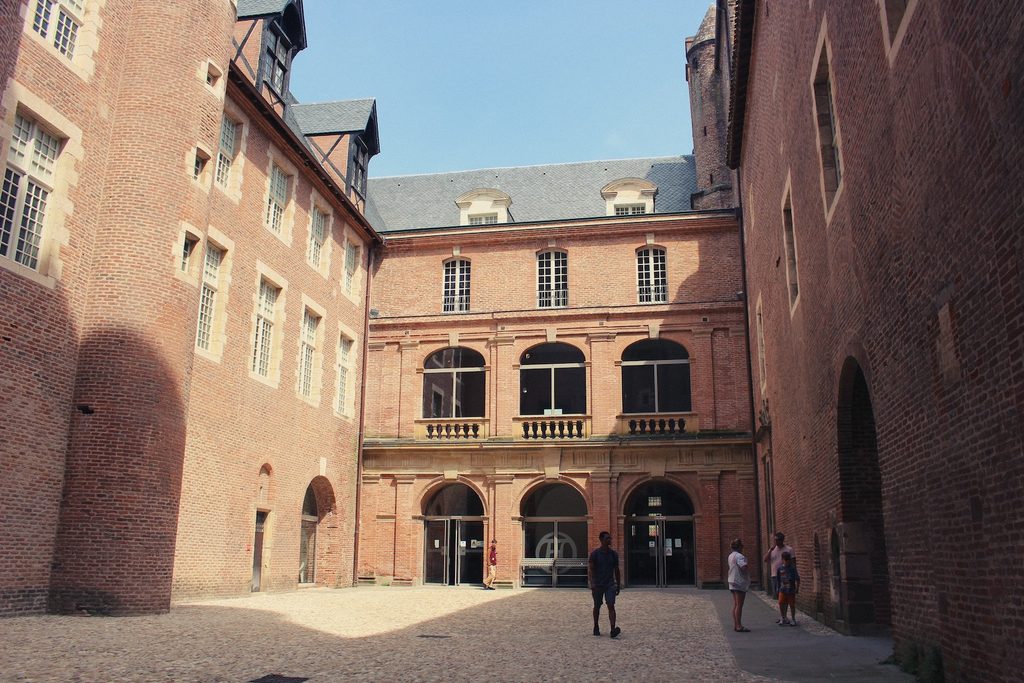
The museum is housed in the Palais de la Berbie (Berbie Palace) and enables you to visit the interior of one of the most important buildings in the city and a key Albi attraction.
3. Palais de la Berbie (Berbie Palace)
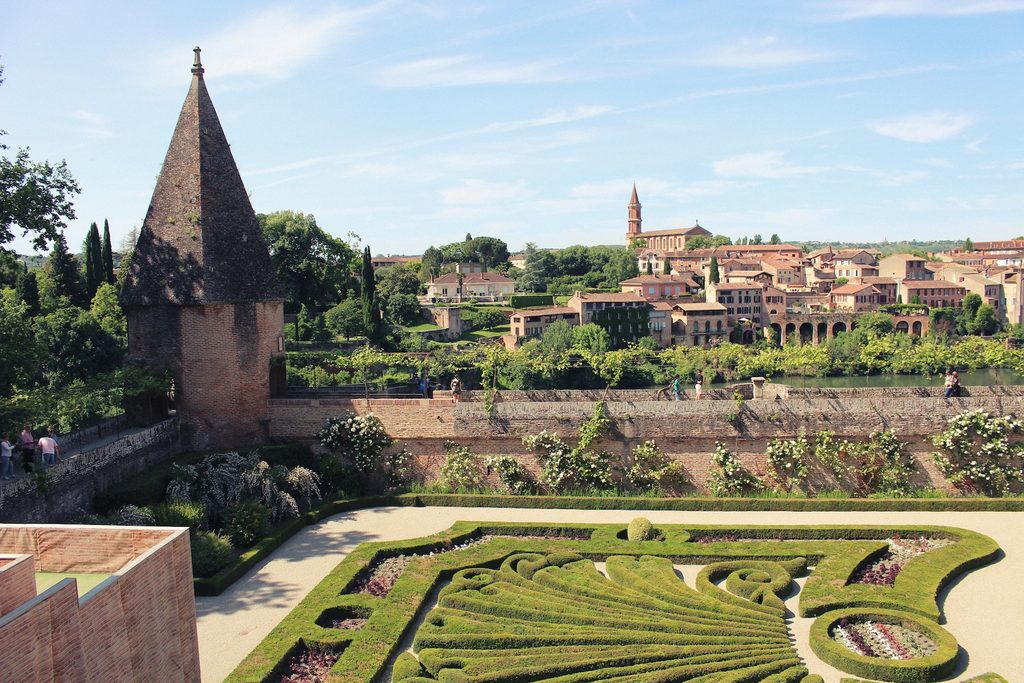
While the Musée Toulouse-Lautrec (Toulouse-Lautrec Museum) occupies one part of the Palais de la Berbie (Berbie Palace), the palace’s panoramic terraces and gardens are free to visit and are a must-see in Albi. In my opinion, the palace gardens and the view over the Tarn are among the most stunning sights in all of Albi.
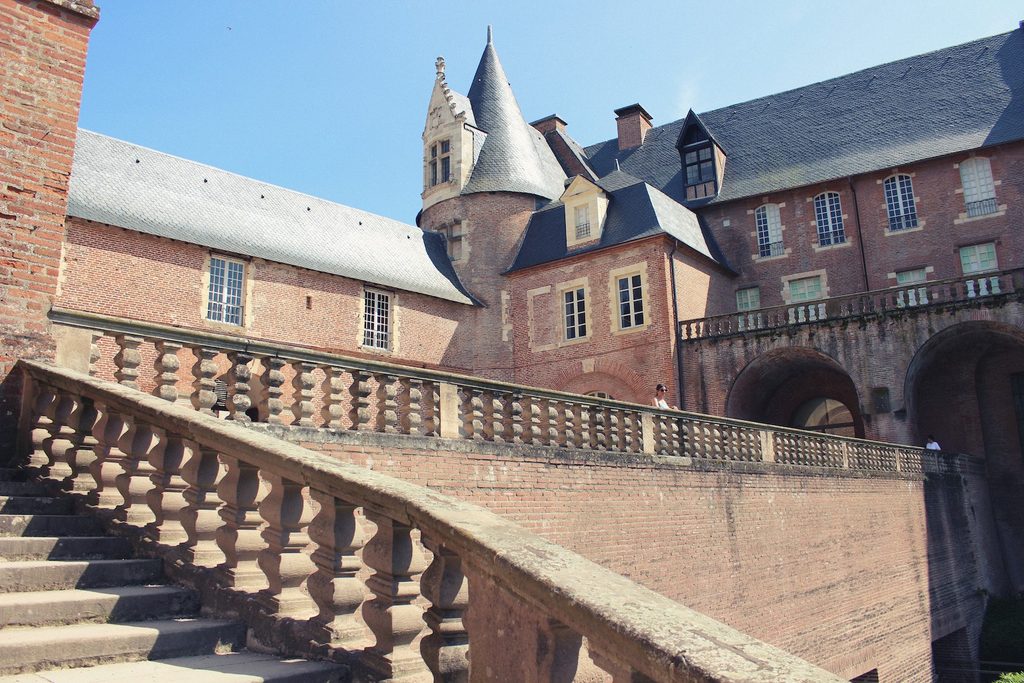
The Palais de la Berbie (Berbie Palace) was built in the 13th century as a grand residence for the bishops and was a symbol of the power of the Catholic Church over the city. Construction commenced under Bishop Durand de Beaucaire in 1228 and later bishops further expanded the complex.
4. Pont-Vieux (Old Bridge)
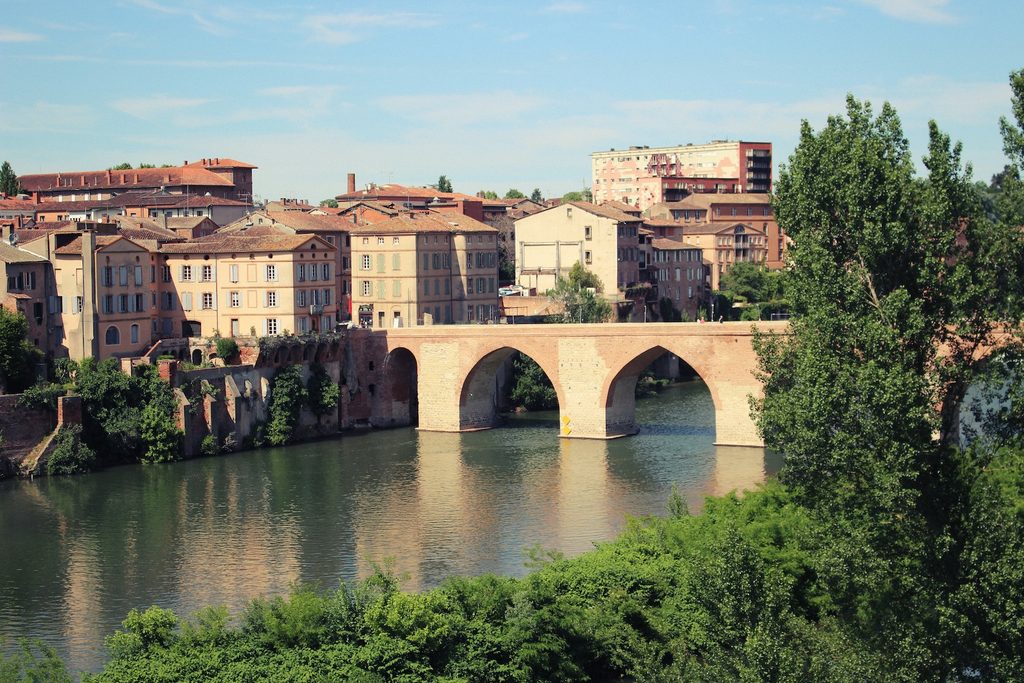
This stone bridge was built in the 11th century and had an influence on the development of Albi into a prosperous and powerful city. It connected Albi with trade routes, and the people and goods crossing it were made to pay a toll.
In medieval times, the bridge included a fortified tower and gate, as well as a chapel and a drawbridge. There were houses on the bridge from the 16th to the 18th centuries, but they were demolished after a flood in 1766.
Today, it is one of the most recognisable sights on the banks of the Tarn and also connects the historic centre of Albi to the Madeleine district on the other side of the river.
5. Collégiale Saint-Salvi d’Albi (Albi Collegiate Church of Saint Salvi)
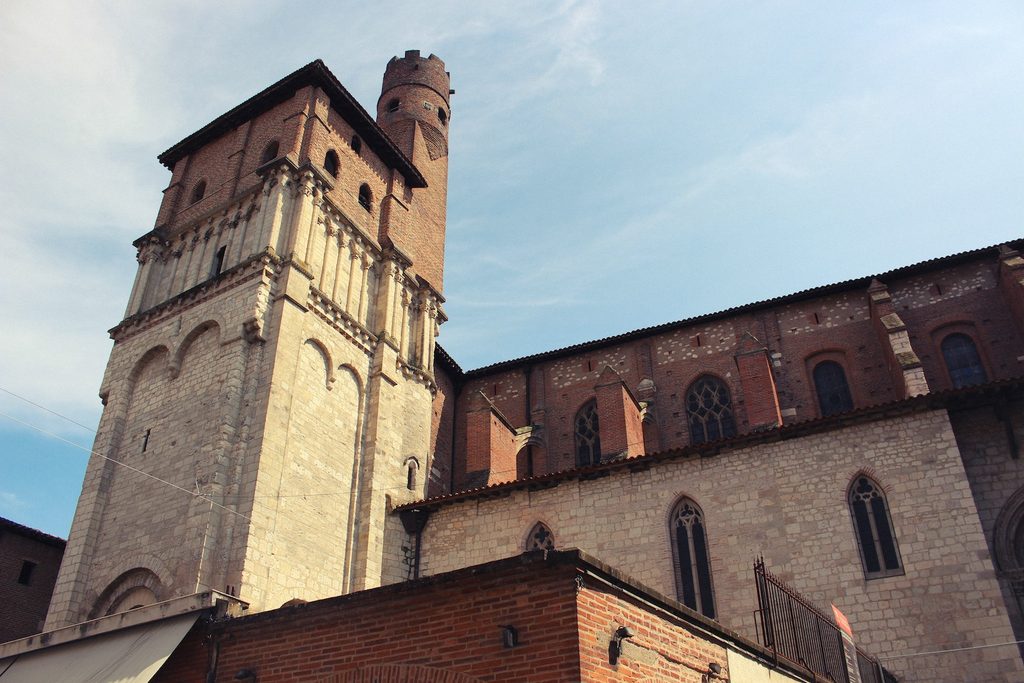
This collegiate church is an interesting blend of Romanesque and Gothic architecture, with some parts of the building made of stone and more recent additions constructed from red brick. As one of Albi’s oldest churches, with origins that go back to the 11th century, it offers a glimpse of Albi before it became rich and powerful.
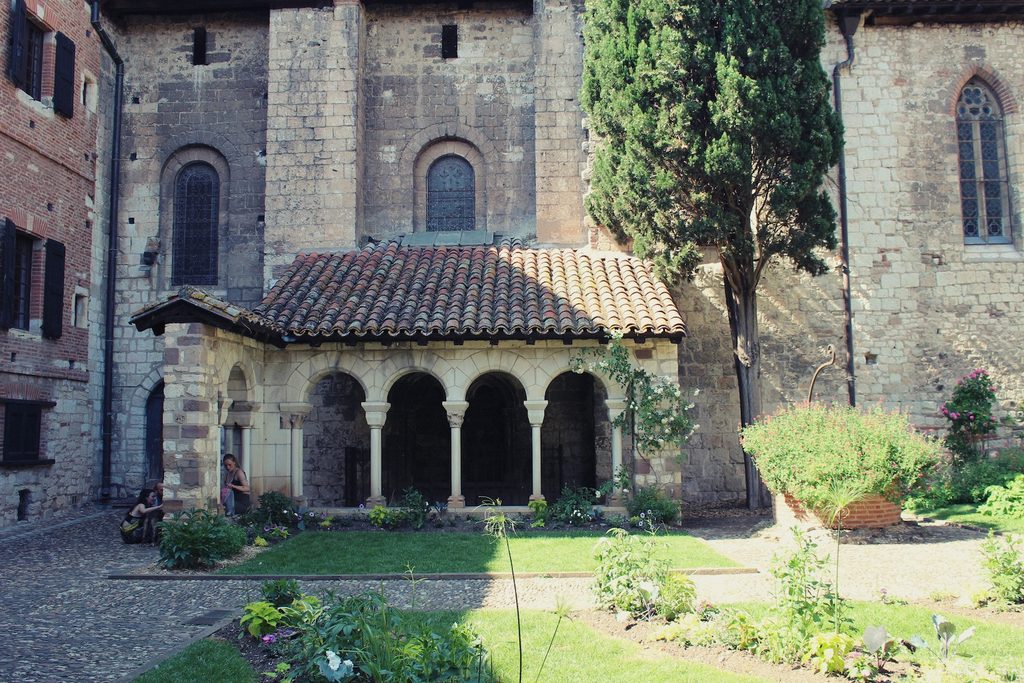
The cloister of the Collégiale Saint-Salvi d’Albi (Albi Collegiate Church of Saint Salvi), which dates back to 1270, is well worth a visit for its peaceful atmosphere.
6. Banks of the Tarn

Many of Albi’s most scenic views feature the Tarn, and a stroll along the banks of the river is one of the top things to do in Albi. From the banks of the Tarn, you can admire the silhouettes of some of Albi’s most iconic buildings, including the Cathédrale Sainte-Cécile d’Albi (Albi Cathedral) and the Palais de la Berbie (Berbie Palace).
7. Place Savène (Savène Square)
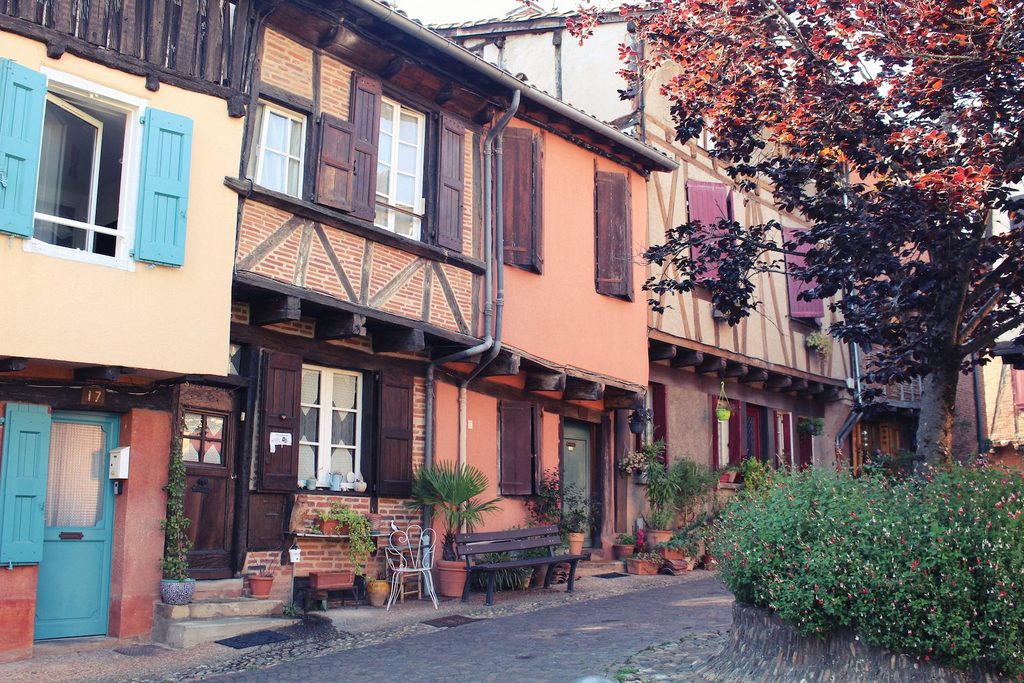
This little square is one of Albi’s most picturesque and also feels hidden from the outside world, despite being a stone’s throw from the cathedral. It is surrounded by quaint medieval half-timbered houses and offers a lovely view of the historic Castelviel district.
8. Maison du Vieil Alby (House of Old Alby)
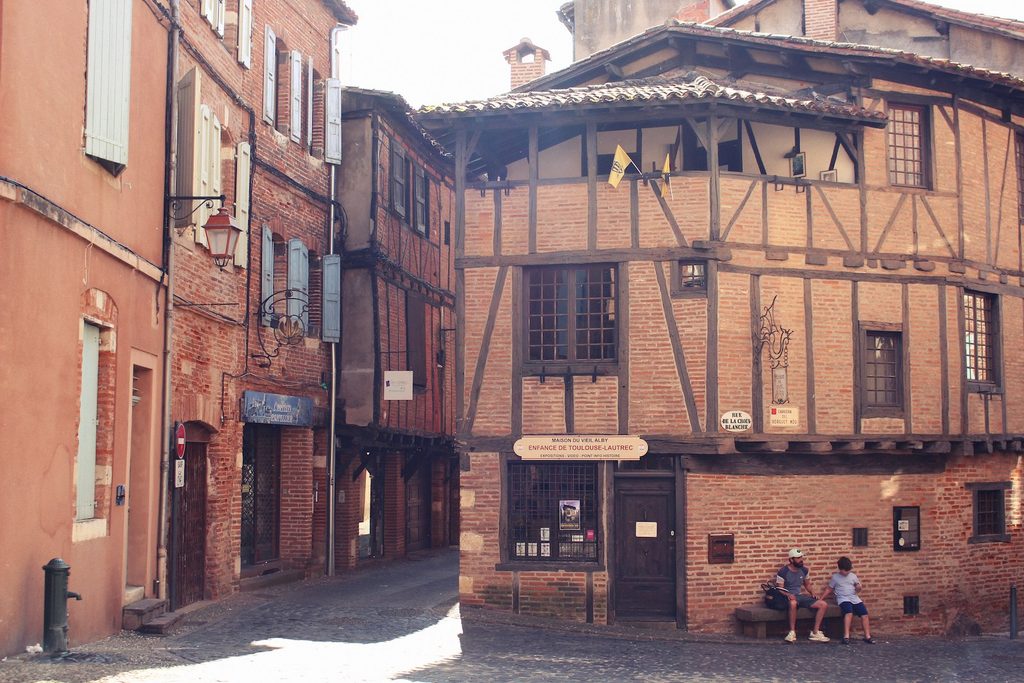
The Maison du Vieil Alby (House of Old Alby) is one of the best-loved medieval houses in the city centre of Albi. In case you’re wondering, “Alby” is an older spelling of Albi, the city’s official name.
The house, which is made of brick and timber, offers an idea of what life in medieval times looked like. Buying a ticket enables you to visit the interior, which houses a permanent exhibition about the life of Henri de Toulouse-Lautrec.
9. Les Halles d’Albi (Albi Market)

Albi’s covered market is located in the historic centre and contains around 20 stalls selling fresh produce, pastries and more. If you’re in Albi in the morning or early afternoon when the market is operating, this is a good place to try local delicacies and enjoy an affordable meal or snack.
10. Musée Lapérouse (Lapérouse Museum)
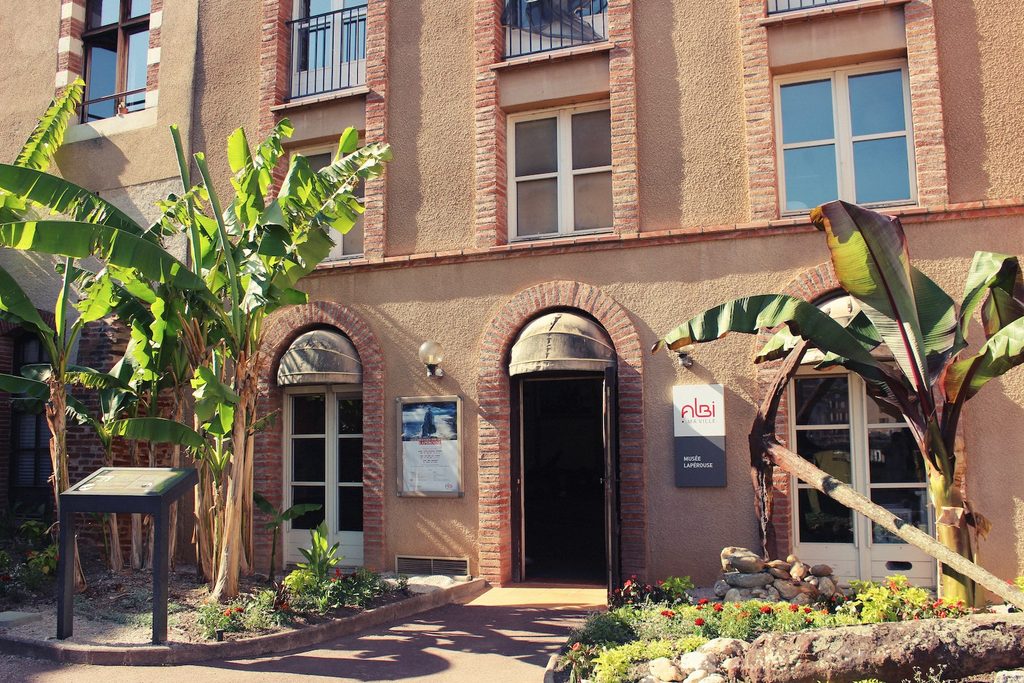
This museum is dedicated to the 18th-century explorer Jean-François de Galaup, Count of Lapérouse, who was born in Albi and is believed to have died in a shipwreck during a voyage in the South Pacific. Objects on display include navigation instruments, uniforms, weapons and artefacts recovered from wrecks of ships on which Lapérouse himself sailed.
The museum also occupies a beautiful riverside location with a scenic terrace that is shared by the hotel Mercure Albi Rives du Tarn.
11. Place Sainte-Cécile (Saint Cécile Square)
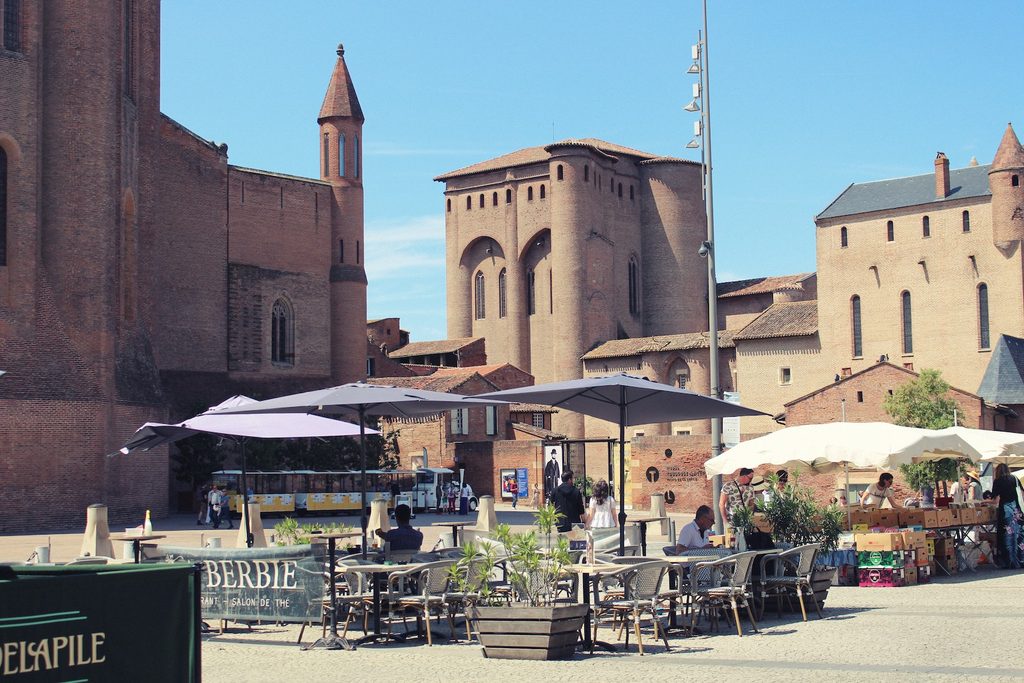
The huge square in which the Cathédrale Sainte-Cécile d’Albi (Albi Cathedral) stands is one of Albi’s major meeting points, and is also a coveted spot for a drink on a terrace at the foot of the imposing cathedral. The square enables you to appreciate the astonishing scale of the cathedral.
12. Place du Château (Castle Square)
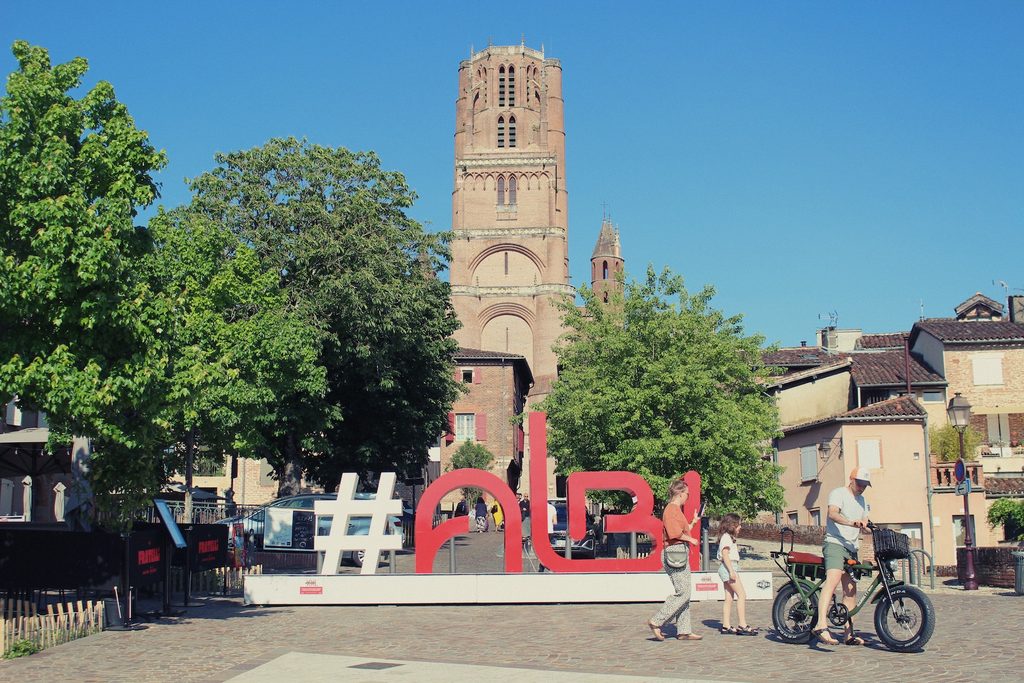
This square, located in the historic Castelviel district, is well known to locals thanks to its views of the cathedral in the distance and the bars and restaurants in the area. It was the site of a former castle, and the surrounding streets have retained their medieval character.
13. Musée Pour Tous Raphaël Cordoba (Raphaël Cordoba Museum for Everyone)
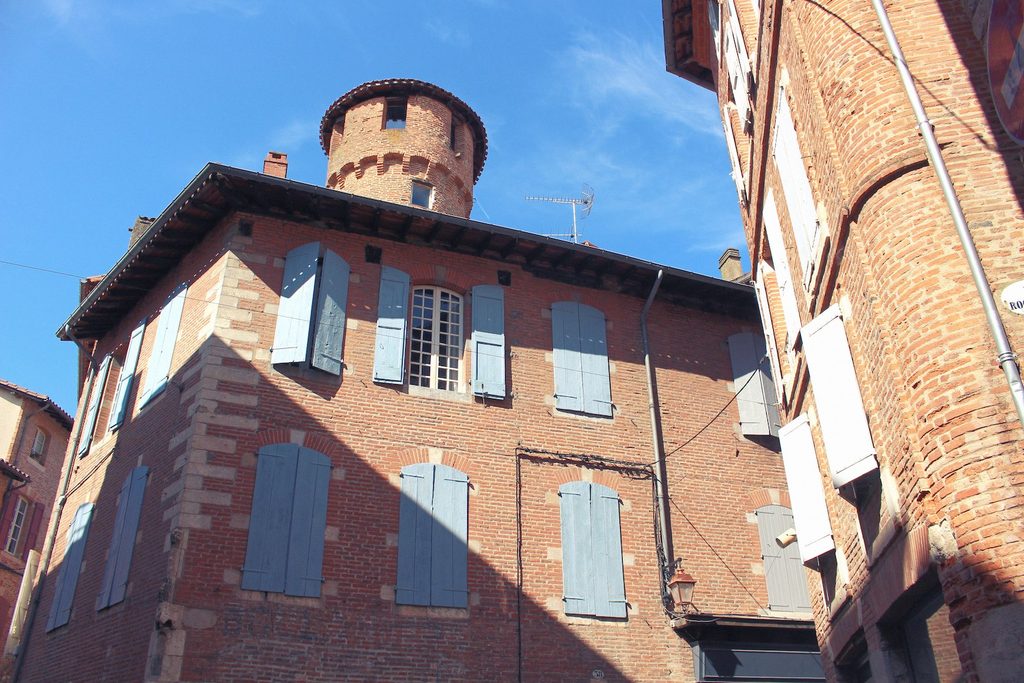
This quirky little museum is dedicated to artist Raphaël Cordoba, who dedicated 25 years of his life to reproducing famous masterpieces from the 14th to the 20th centuries, including paintings by Van Gogh, Dalí, Da Vinci and Toulouse-Lautrec. It is located in a 16th-century Renaissance house.
14. Grand Théâtre (Great Theatre)
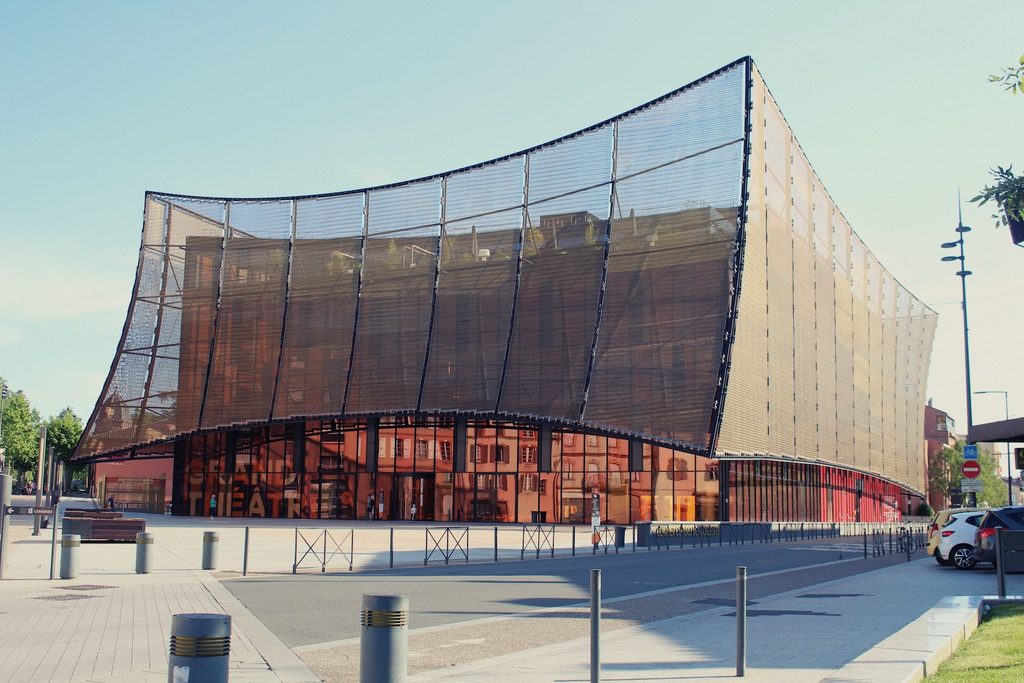
The Grand Théâtre (Great Theatre), which is located in the Cordeliers district, shows Albi’s modern side. The design of the theatre, which features a layer of mesh that wraps around much of the building, symbolises a theatrical curtain. The rooftop of the theatre, which houses a restaurant, offers stunning views over the historic centre.
15. Parc Rochegude (Rochegude Park)
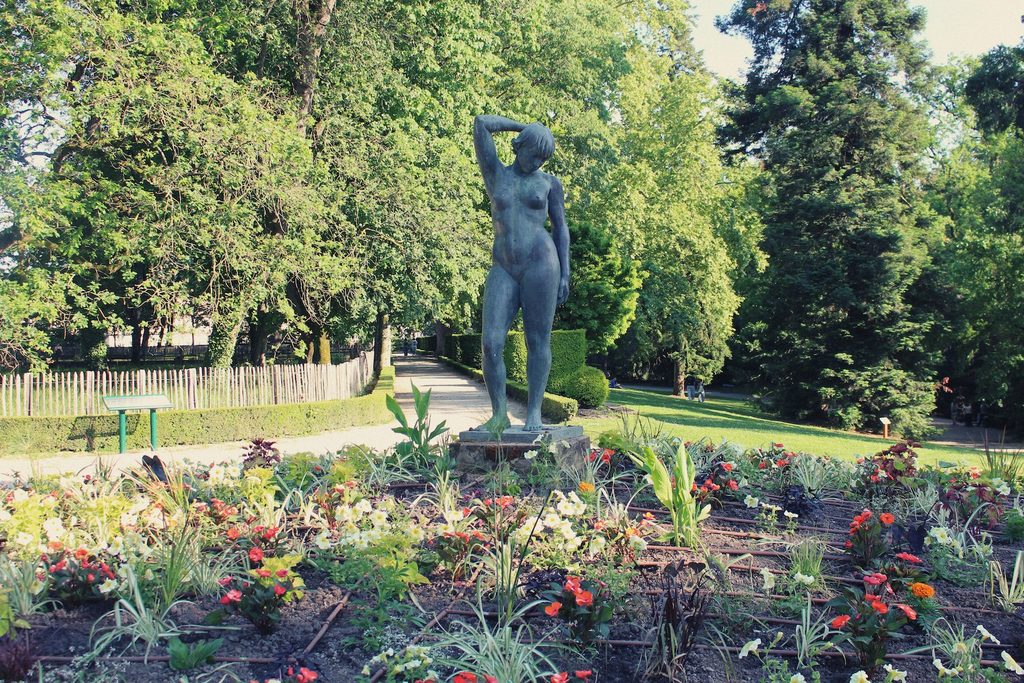
This four-hectare park was created at the end of the 18th century and offers a lovely setting for a stroll. It contains several gardens of different styles, including French and English.
Other things to do near Albi
- Toulouse, France’s fourth-largest city, is located about an hour from Albi by train.
- Carcassonne and its famous medieval citadel are located about 1 hour 40 minutes away by car, but can also be reached by train via Toulouse.

Comments are closed.