
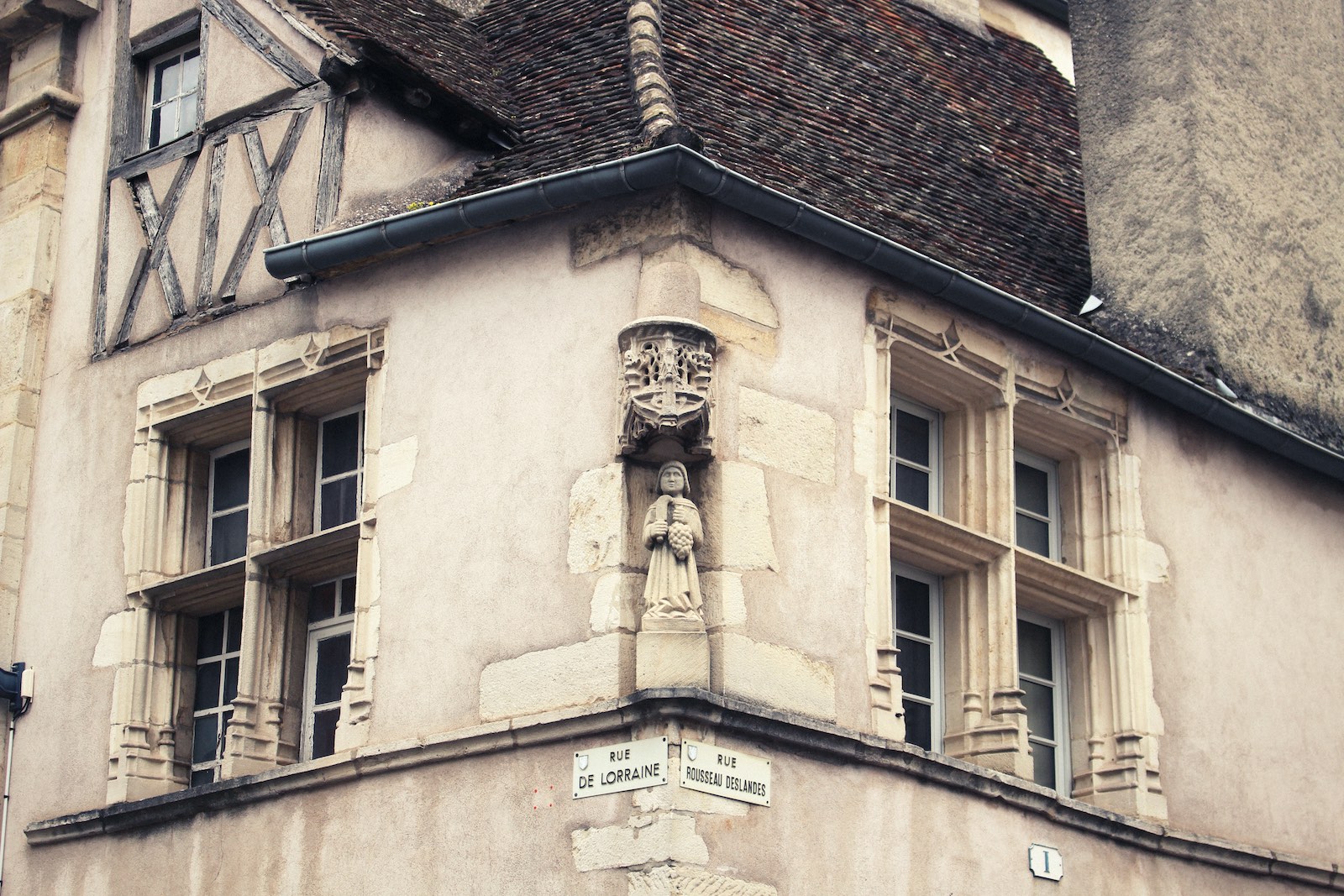
I went to Beaune and I didn’t do any wine tasting. Go ahead and judge me. Yes, I know Beaune is the wine capital of Burgundy. The vineyards of Beaune are part of the UNESCO World Heritage Site that encompasses the Climats, terroirs of Burgundy.
But there is so much more to do in Beaune, which is in the Côte-d’Or department of the Bourgogne-Franche-Comté region.
The thing is, most of France’s great wine centres have rich histories. A strong tradition of viticulture often developed alongside other facets of life, including architecture and gastronomy. So, as is the case with Beaune, attractions abound, most of which can be enjoyed without a glass in hand.
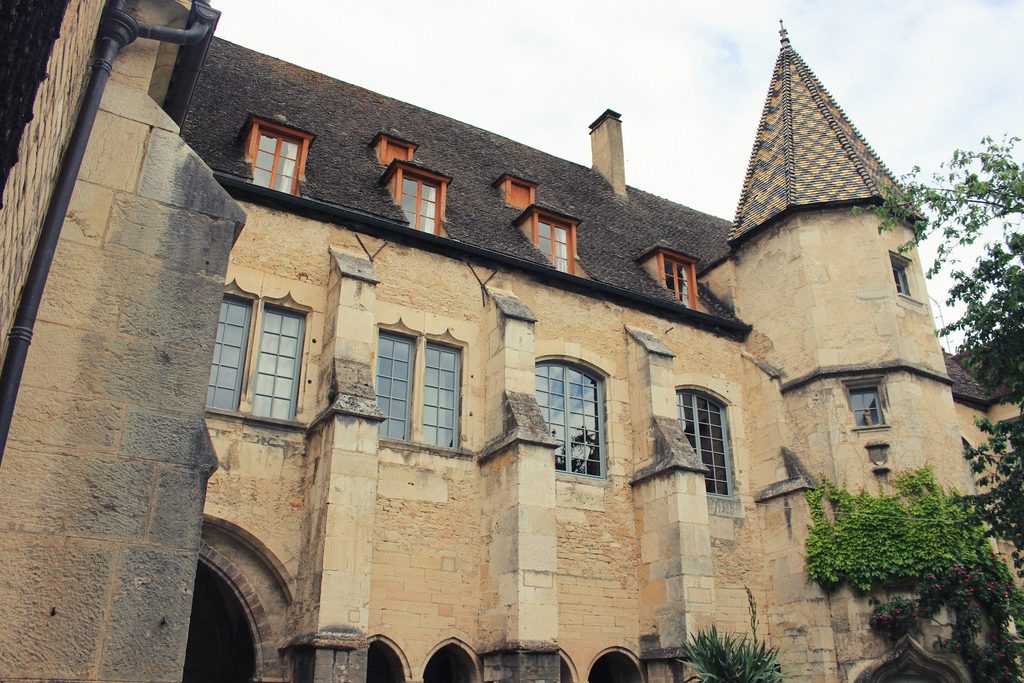
The truth is, I like my wine as much as the next person, so I certainly wouldn’t discourage you from enjoying a glass of Pinot Noir when you’re in Beaune. After all, Beaune has been involved in wine production since the Gallo-Roman period–that’s more than 2,000 years of winemaking! But I just want you to know that there are lots of other things to do in Beaune, too.
In any case, I’ve put together this guide to highlight things to do in Beaune so you can really get to know the city in between mouthfuls of that sweet, sweet nectar of the gods.
Table of Contents (click to view)
- Where to stay in Beaune
- 19 things to do in Beaune
- 1. Hôtel-Dieu des Hospices de Beaune (Hospices of Beaune)
- 2. Basilique Notre-Dame de Beaune (Basilica of Our Lady of Beaune)
- 3. Beffroi de Beaune (Beaune Belfry) / Tour de l’horloge de Beaune (Beaune Clock Tower)
- 4. Remparts de Beaune (Ramparts of Beaune)
- 5. Les Halles de Beaune (Beaune Market)
- 6. Musée du Vin de Bourgogne (Museum of Burgundian Wine)
- 7. La Moutarderie Edmond Fallot (Edmond Fallot Mustard Maker)
- 8. Marché aux Vins (Wine Market)
- 9. Mural de La Grande Vadrouille (La Grande Vadrouille Mural)
- 10. Musée des Beaux-Arts de Beaune (Beaune Museum of Fine Arts)
- 11. Square des Lions (Square of the Lions)
- 12. Porte Saint-Nicolas (Saint Nicolas Gate)
- 13. Chapelle de l’Oratoire (Chapel of the Oratory)
- 14. Chapelle Saint-Étienne (Saint Étienne Chapel)
- 15. Lavoir Saint-Jacques (Saint Jacques Washhouse)
- 16. Hôtel de Ville de Beaune (Beaune Town Hall)
- 17. Place Carnot (Carnot Square)
- 18. Banks of the Bouzaize
- 19. Parc de la Bouzaize (Park of the Bouzaize)
- Day trips from Beaune
Where to stay in Beaune
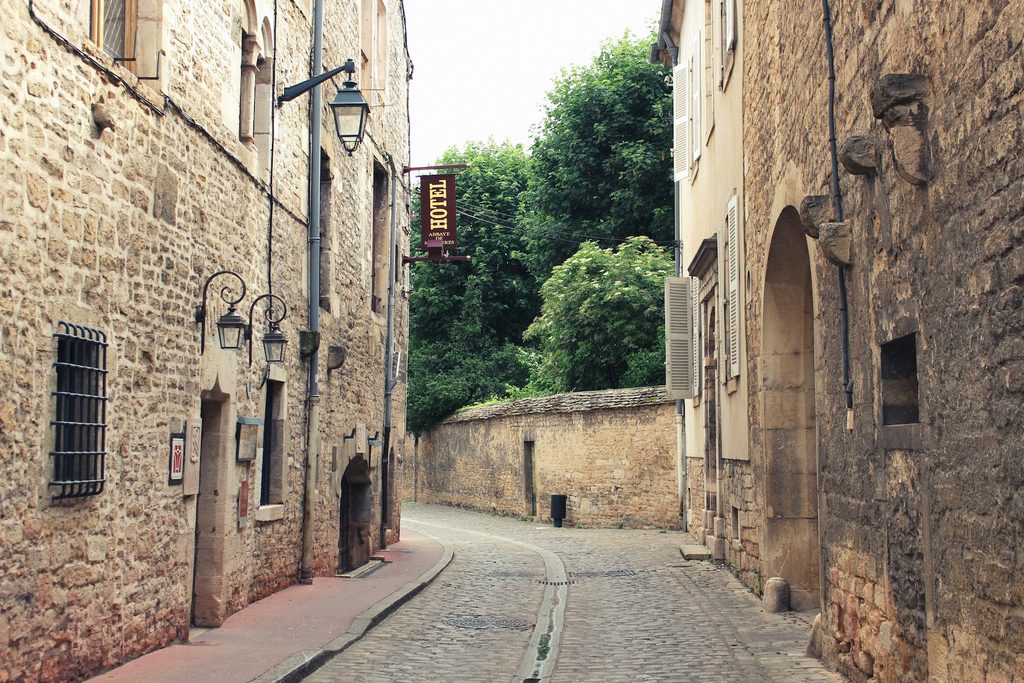
- Hotel in a 12th-century abbey – Abbey de Maizières is a four-star boutique hotel located on the grounds of a historic Cistercian Abbey.
- Sumptuous historic hotel – Hôtel de la Poste is housed in an elegant 19th-century building with an intricately decorated interior. It also enjoys a very central location.
- Five-star hotel with spacious rooms – Maison 1896 is located a stone’s throw from Beaune’s star attraction, the Hôtel-Dieu des Hospices de Beaune (Hospices of Beaune).
- Affordable hotel in the city centre – greet Hotel Beaune is one of the best-value hotels you’ll find in the city centre of Beaune. It offers beautiful rooms in a stylish atmosphere.
19 things to do in Beaune
I’ve compiled this list of things to see in Beaune more or less in order of importance. If you don’t have much time or just want a quick introduction to the city, you might want to prioritise the Beaune attractions at the top of the list. But as always, feel free to customise your visit according to your interests!
1. Hôtel-Dieu des Hospices de Beaune (Hospices of Beaune)
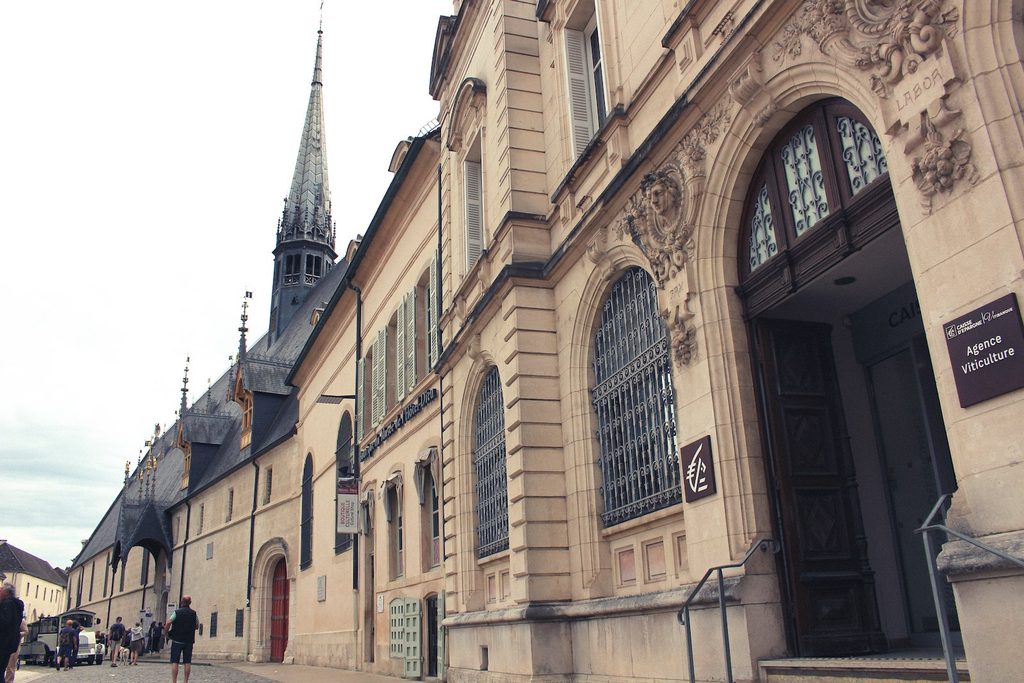
Hôtel-Dieu des Hospices de Beaune (Hospices of Beaune) is widely considered to be the number-one Beaune attraction.
It was founded in 1443 as a hôtel-dieu, a type of hospital for the poor and destitute. The building complex is a great example of Burgundian architecture, with colourful tiled roofs typical of the region. Its first patient was admitted in 1452, and the building was used as a hospital until 1971.
At the time it was founded, Beaune was badly in need of a charity hospital due to a plague outbreak and rampant poverty following the chaos left behind by the Hundred Years’ War between England and France.
Today, the interior of the hospice houses a museum that sheds light on the hospital’s past, and is also home to some works of art, the best-known of which is the Polyptych of the Apocalypse. Give yourself at least 1.5 hours to explore.
2. Basilique Notre-Dame de Beaune (Basilica of Our Lady of Beaune)
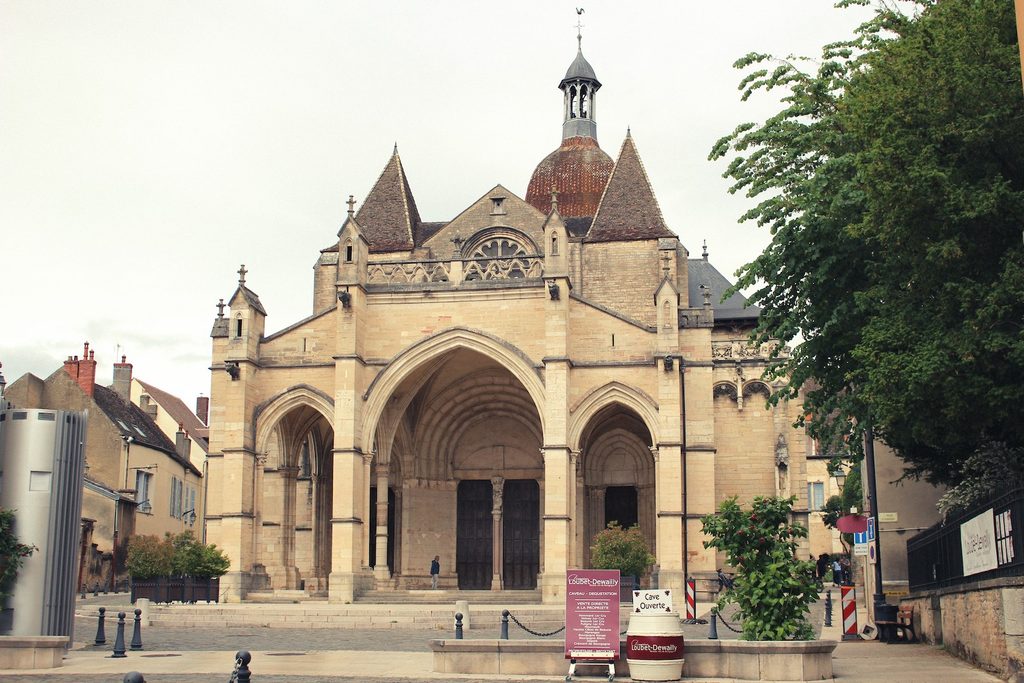
This basilica dates back to the 12th century and is one of the last great Romanesque churches in the historic region of Burgundy. The façade looks rather unassuming, but the interior and courtyard are exceptional, so don’t forget to venture inside.
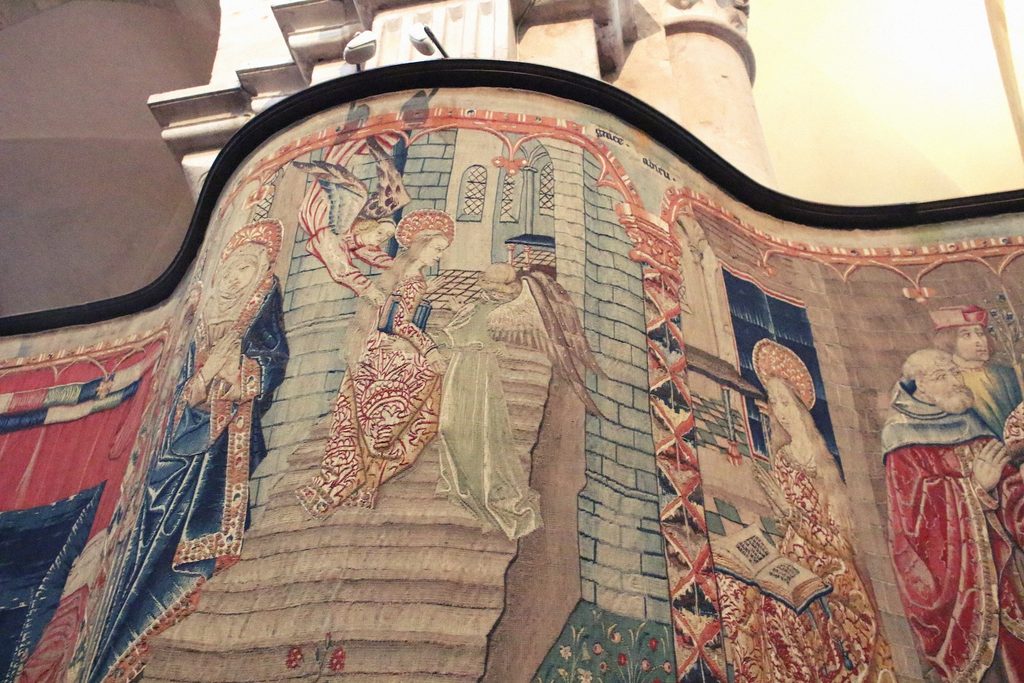
One of the highlights of the interior is its collection of five tapestries depicting the life of the Virgin Mary, dating back to the 15th century and donated to the church in 1500. The tapestries are displayed according to a seasonal schedule from April to October.
You’ll also want to visit the courtyard and its charming garden, located on the right of the main building.
3. Beffroi de Beaune (Beaune Belfry) / Tour de l’horloge de Beaune (Beaune Clock Tower)
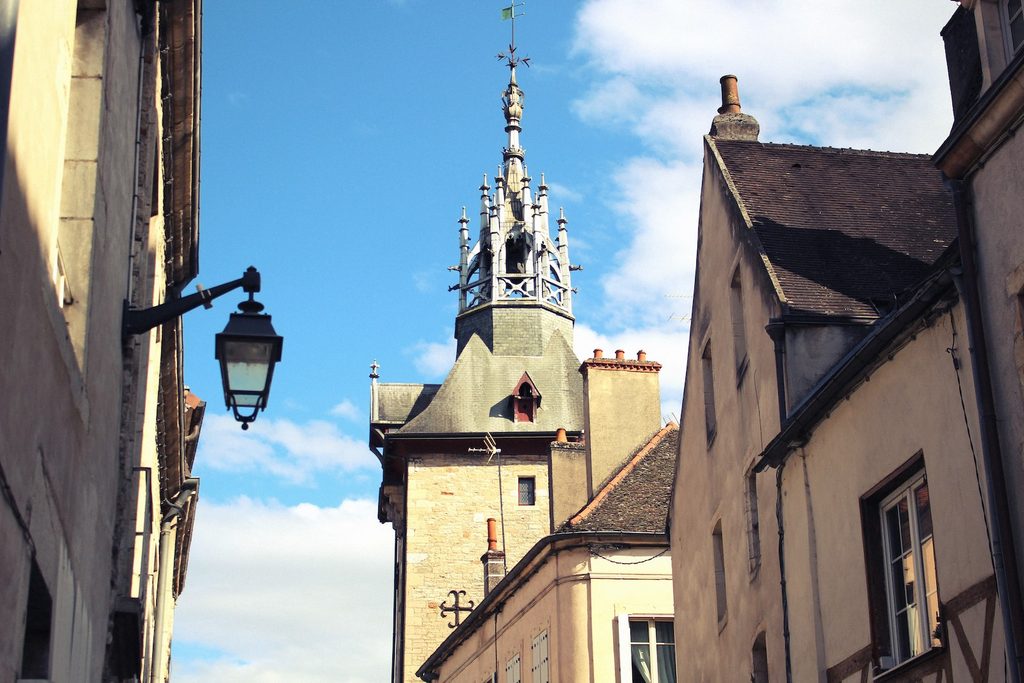
This imposing tower was constructed between the 13th and 14th centuries and is one of Beaune’s major landmarks today.
Originally built at the nearby Abbaye de Maizières (Abbey of Maizières), the tower was transferred to Beaune in 1395 in exchange for a sum of money after a quarrel between the abbey and the town of Beaune. The clock was added years later. Surprise twist: the abbey is now a boutique hotel!
4. Remparts de Beaune (Ramparts of Beaune)
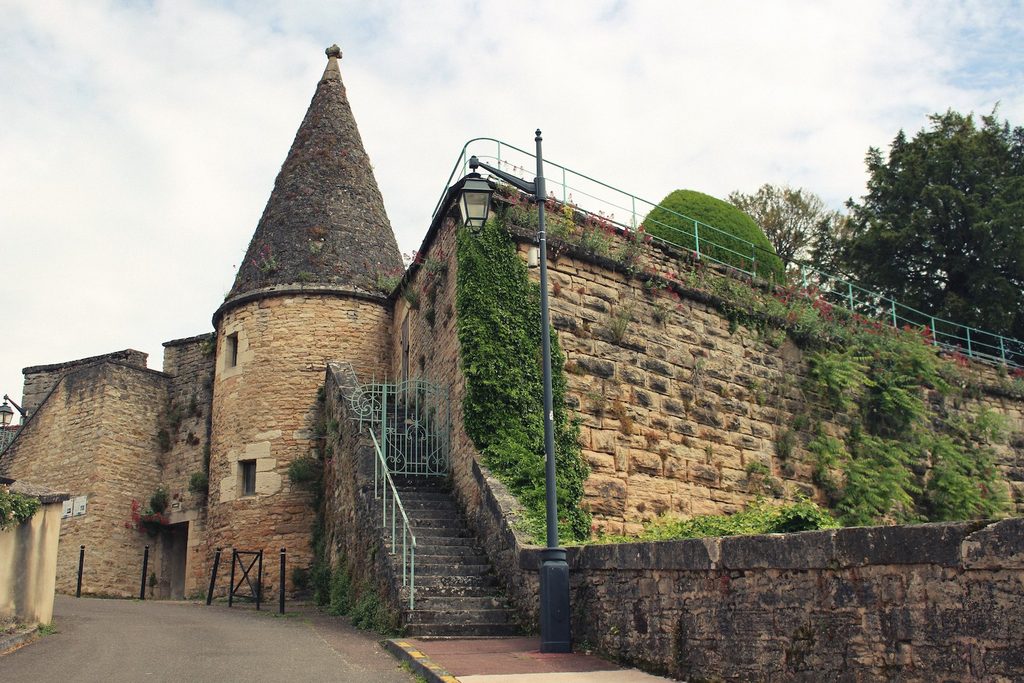
Parts of the ancient city walls of Beaune are still standing today, and you can technically follow them in a loop around the city using this map provided by the municipality (you’ll see signs with the map at various spots on the trail), although some parts of the walk are hard to follow as the walls were not preserved. You’ll come across numerous towers, gates and other landmarks along the way.
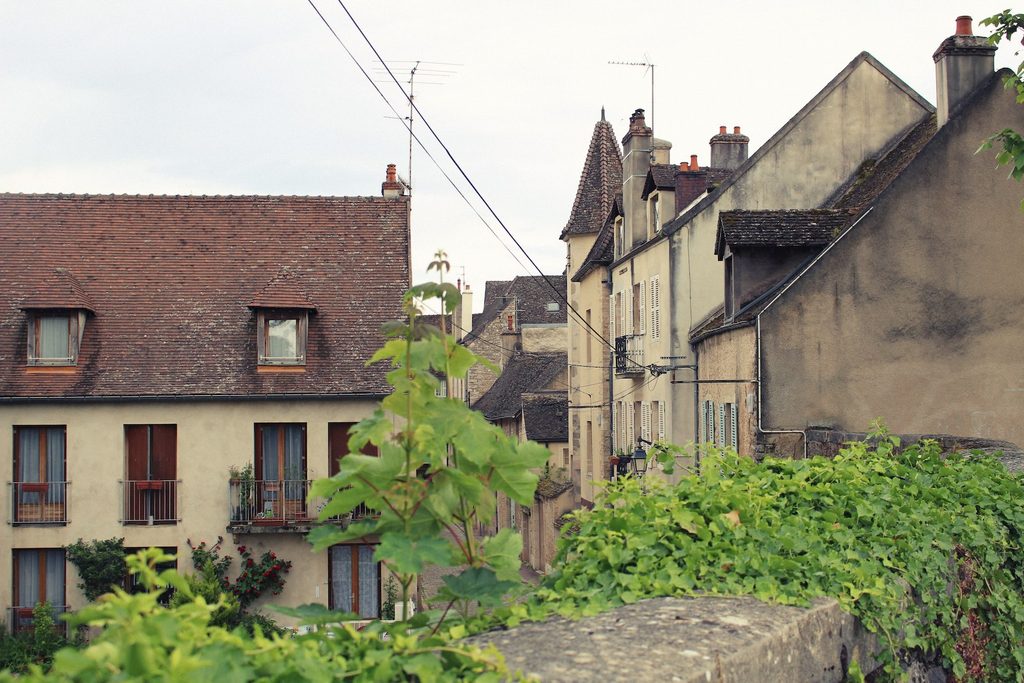
Construction of the walls began in 355 during the Gallo-Roman period to protect the city from barbarian invasions.
To start your walk, I would suggest looking for the Tour des Poudres (Powder Tower), Tour des Billes (Cannonball Tower) or Grosse Tour (Big Tower) and then following the ramparts as far as you want. The French names of the three aforementioned towers are clearly marked on Google Maps and not far from the Hôtel-Dieu des Hospices de Beaune (Hospices of Beaune). The Tour des Billes (Cannonball Tower) in the first picture above should be easy to spot.
5. Les Halles de Beaune (Beaune Market)
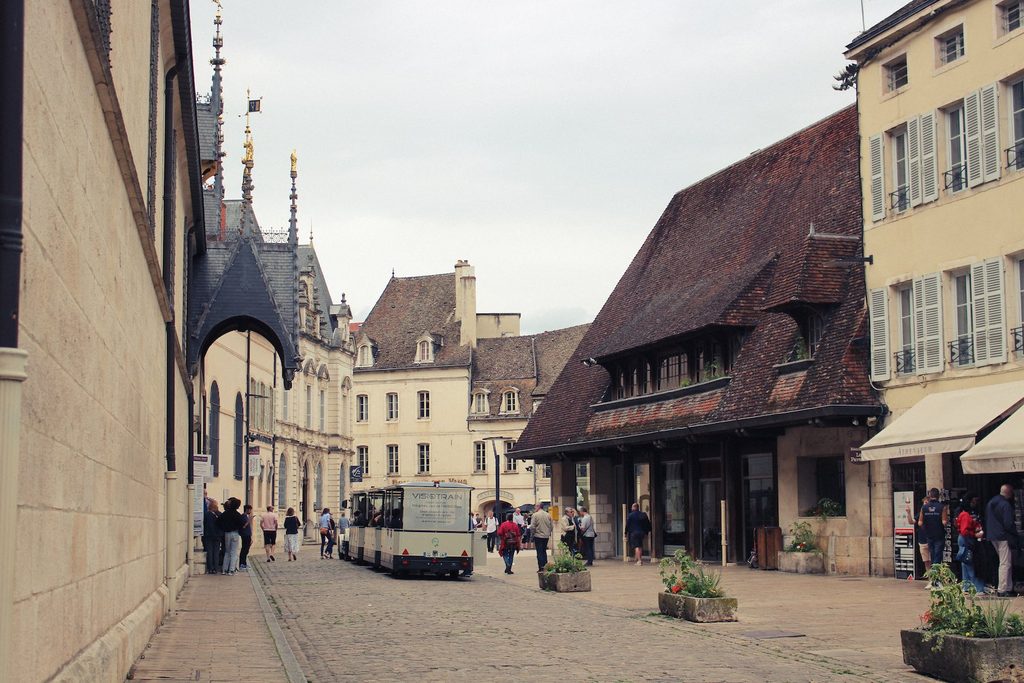
Beaune’s covered market is located just opposite the Hôtel-Dieu des Hospices de Beaune (Hospices of Beaune) and is open until lunchtime on Wednesdays and Fridays. With a large number of stallholders and a good selection of nearby cafés and restaurants, this is one of the best places to eat in Beaune.
6. Musée du Vin de Bourgogne (Museum of Burgundian Wine)
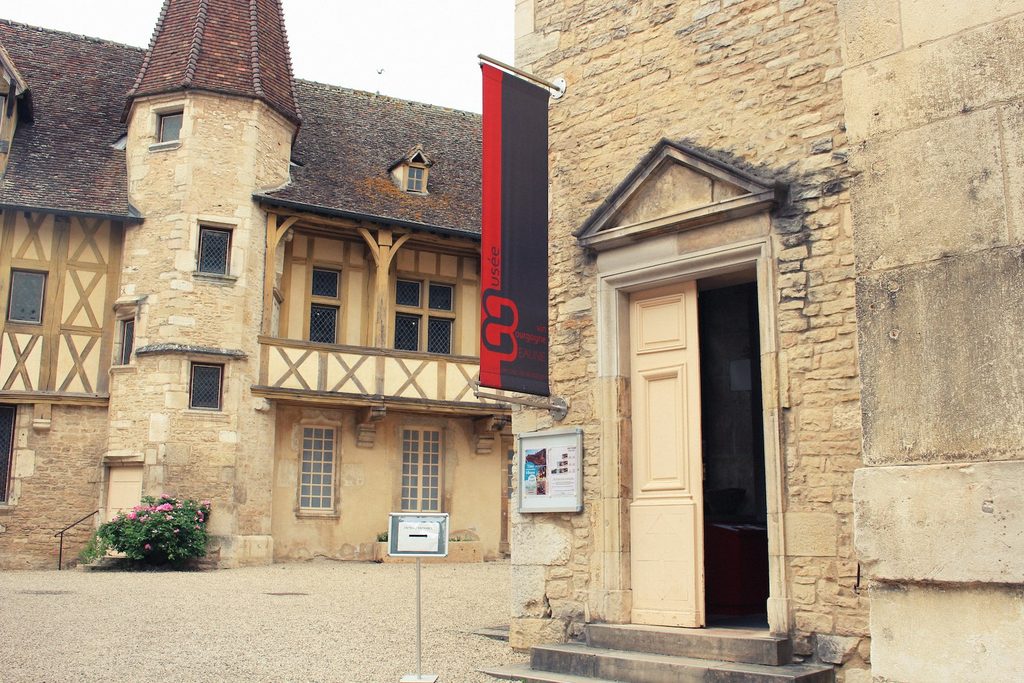
You already know how to drink wine, now it’s time to learn more about it! The Musée du Vin de Bourgogne (Museum of Burgundian Wine) is housed in a beautiful 14th-century palace known as the Hôtel des Ducs de Bourgogne (Hotel of the Dukes of Burgundy).
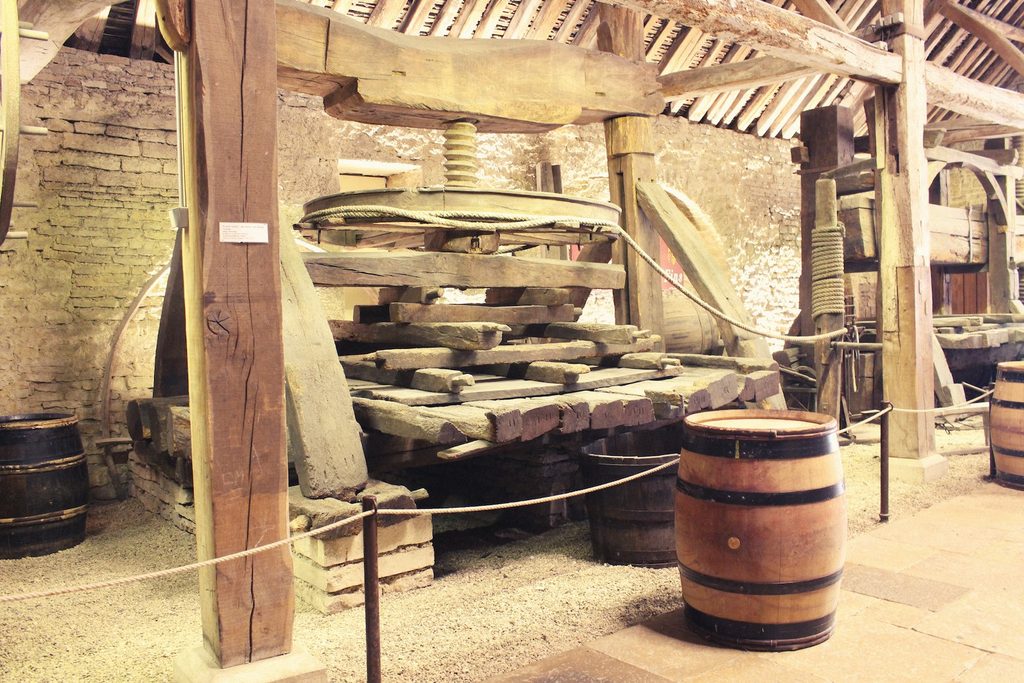
The museum has exhibits on winemaking in Burgundy. Particularly impressive is its collection of historic winemaking apparatus, housed in a separate building that’s accessible from the courtyard.
7. La Moutarderie Edmond Fallot (Edmond Fallot Mustard Maker)
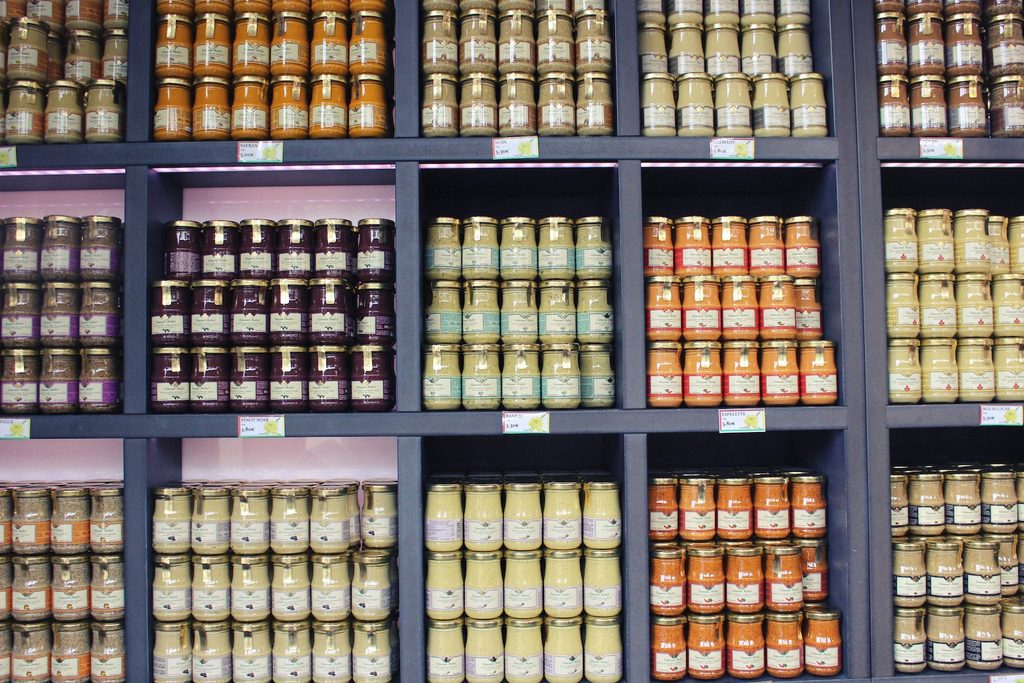
Burgundy is well-known for its mustard-making tradition. In fact, mustard from Burgundian capital Dijon is world famous. Traditional mustard often contained wine vinegar or verjuice (juice extracted from unripe grapes), and Burgundy’s winemaking tradition made these ingredients easy to get hold of.
La Moutarderie Edmond Fallot (Edmond Fallot Mustard Maker) has been in operation since 1840 and is said to be the last independent, family-owned mustard mill in Burgundy. Their shop and workshop in Beaune are worth a visit for their mustard-tasting bar and guided visits.
8. Marché aux Vins (Wine Market)
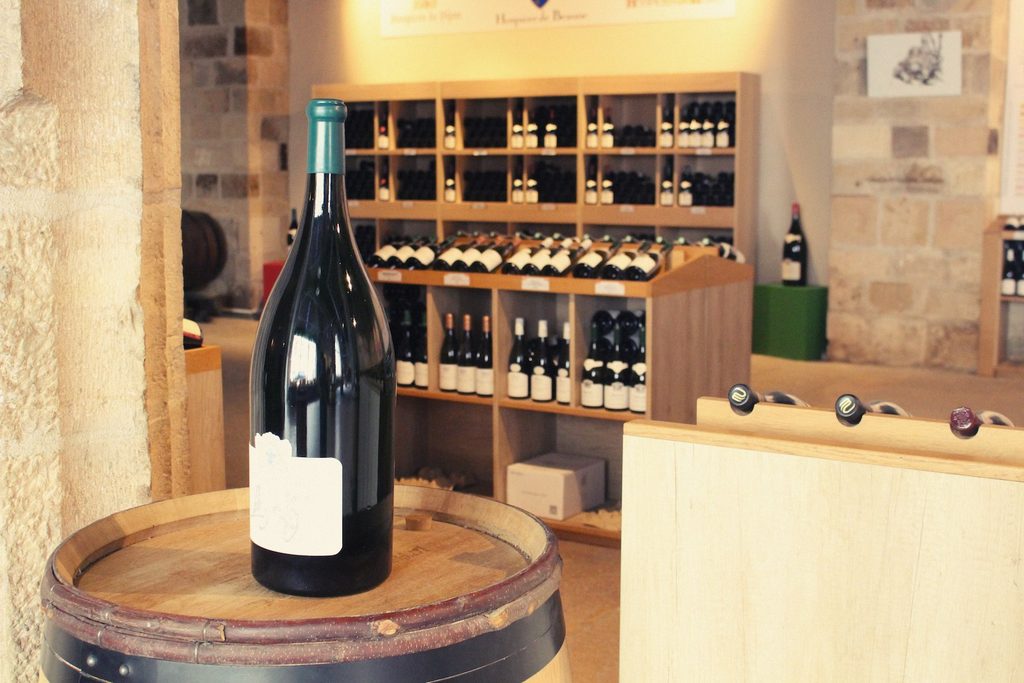
There are many places to buy and taste wine in Beaune, but the Marché aux Vins (Wine Market) is one of the most popular and convenient wine cellars in town thanks to its location just across the road from the Hôtel-Dieu des Hospices de Beaune (Hospices of Beaune).
Located in the building of a historic church, they organise wine tasting sessions every day. Reserve online for a better price.
9. Mural de La Grande Vadrouille (La Grande Vadrouille Mural)
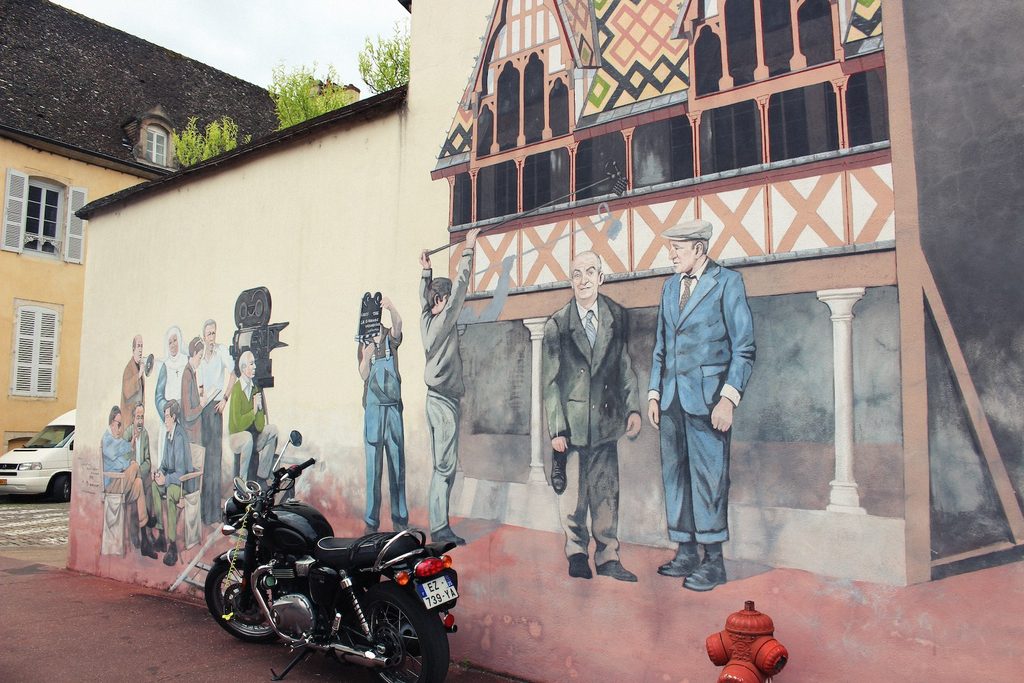
La Grande Vadrouille is a classic French comedy film from 1966 that almost every French person older than Gen Z has seen. I’d compare it to The Wizard of Oz or Home Alone in terms of popularity.
Parts of the movie were filmed in Beaune, which is why there is now a mural to celebrate it at 32 Rue Rousseau Deslandes. Who knows, after seeing the mural, you might be inspired to watch the film if you haven’t already!
10. Musée des Beaux-Arts de Beaune (Beaune Museum of Fine Arts)
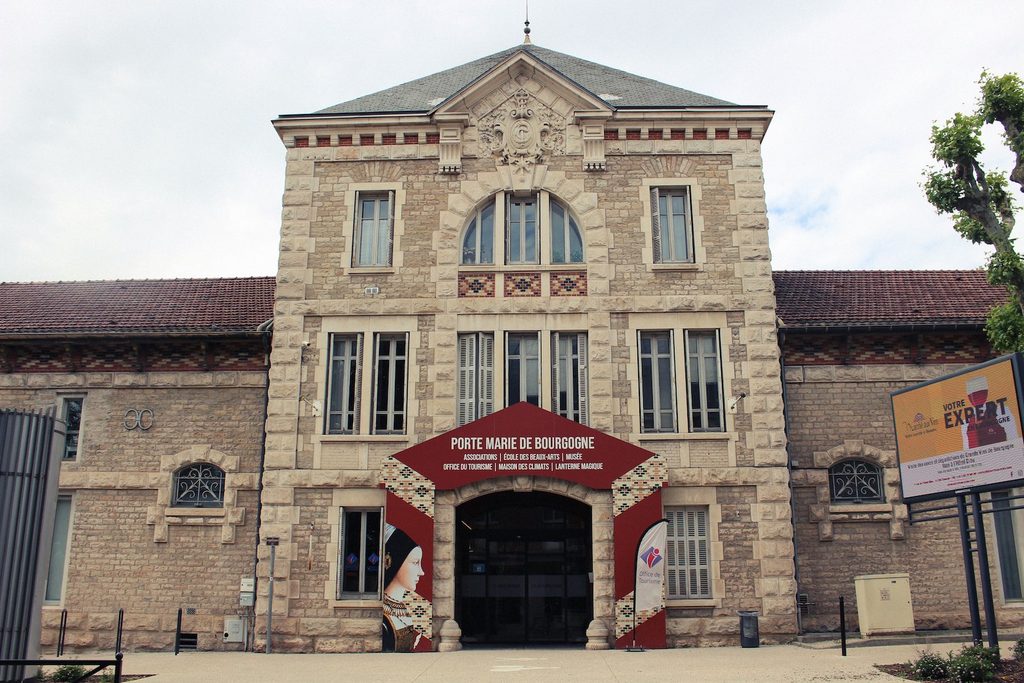
Beaune’s local museum of fine arts is located in a building called Porte Marie de Bourgogne (Marie Gate of Burgundy) and has a collection of paintings and other artwork from the medieval period onwards, as well as archaeological artefacts from Beaune and the surrounding region. The museum also has a collection of objects from ancient Egypt and vases from ancient Greece
11. Square des Lions (Square of the Lions)
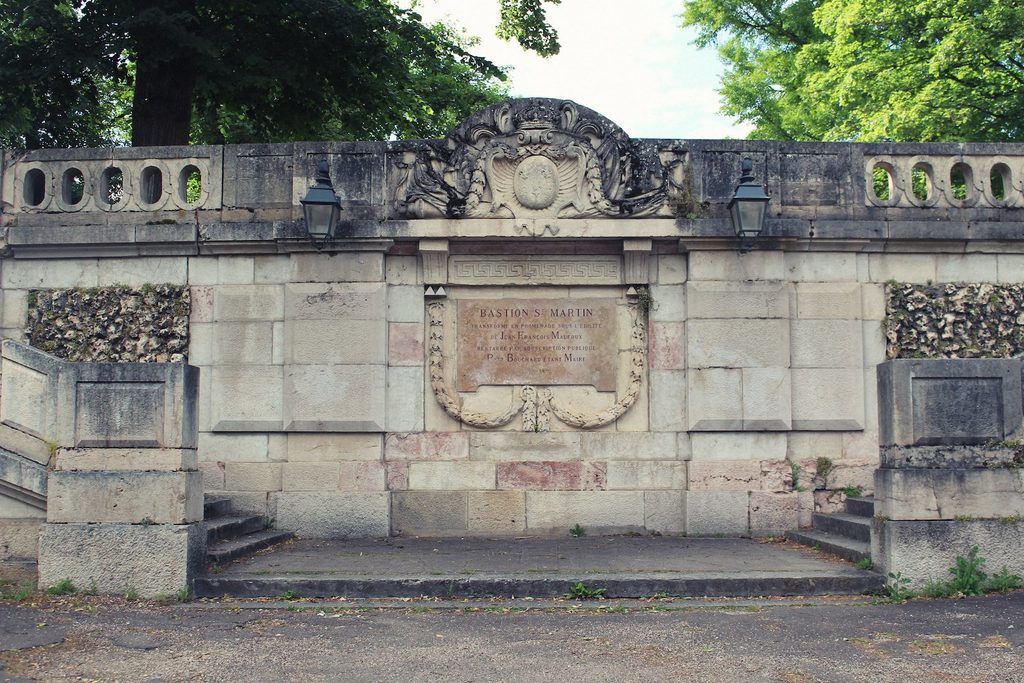
Square des Lions (Square of the Lions) is a 19th-century park built in the shadow of the historic city walls. It is the biggest park in the city centre of Beaune and its entrance is marked by the imposing Bastion Saint Martin (Saint Martin Bastion) presided over by two lions. Walk behind the bastion via the stairs on either side and you’ll find yourself in a charming green space.
12. Porte Saint-Nicolas (Saint Nicolas Gate)
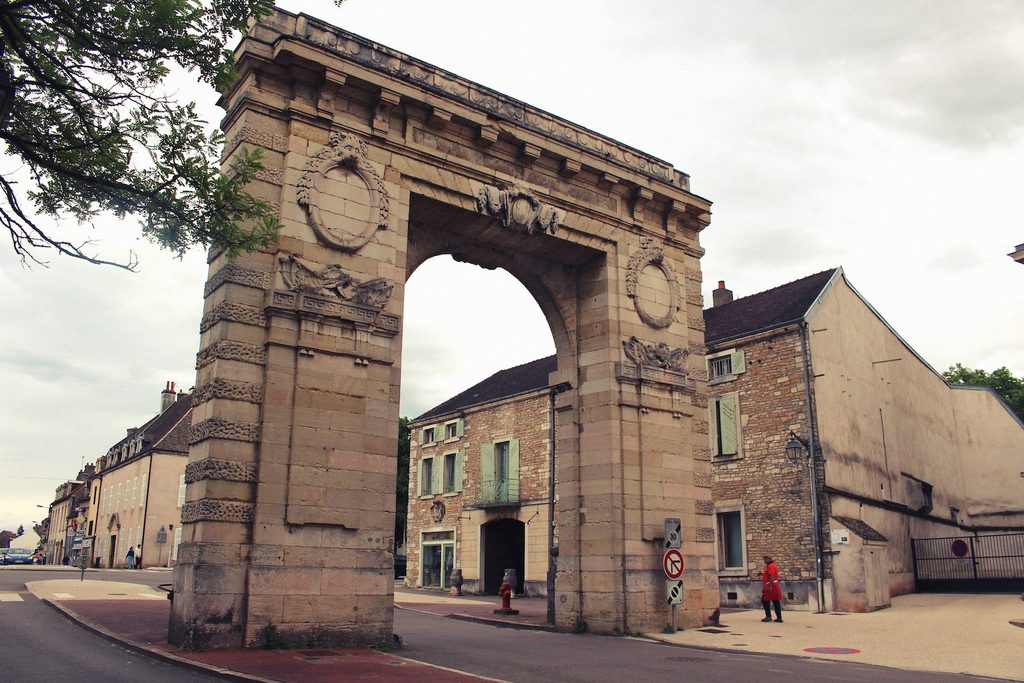
This gate was built in 1770 to facilitate entry to Beaune from the north. While it is technically considered part of the ramparts of Beaune, it stands alone on Rue de Lorraine and can be visited on its own.
The Porte Saint-Nicolas (Saint Nicolas Gate) stands on the site of an older medieval entrance, which had a drawbridge and was built for defensive purposes. Conversely, the current gate was built to allow for a more ceremonial entrance and offer a grand welcome into the city!
13. Chapelle de l’Oratoire (Chapel of the Oratory)
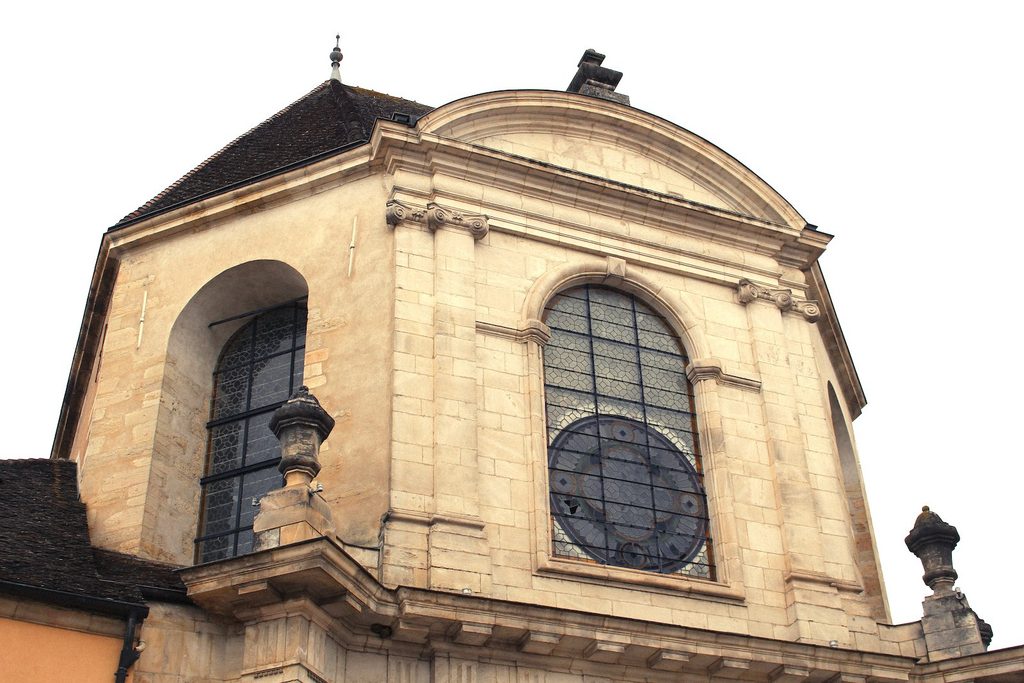
This chapel, located just down the road from the Porte Saint-Nicolas (Saint Nicolas Gate), was built in the 18th century and is no longer used as a place of worship. If you’ve walked all the way to the Porte Saint-Nicolas (Saint Nicolas Gate), spend a few minutes admiring the façade of the chapel, too.
14. Chapelle Saint-Étienne (Saint Étienne Chapel)
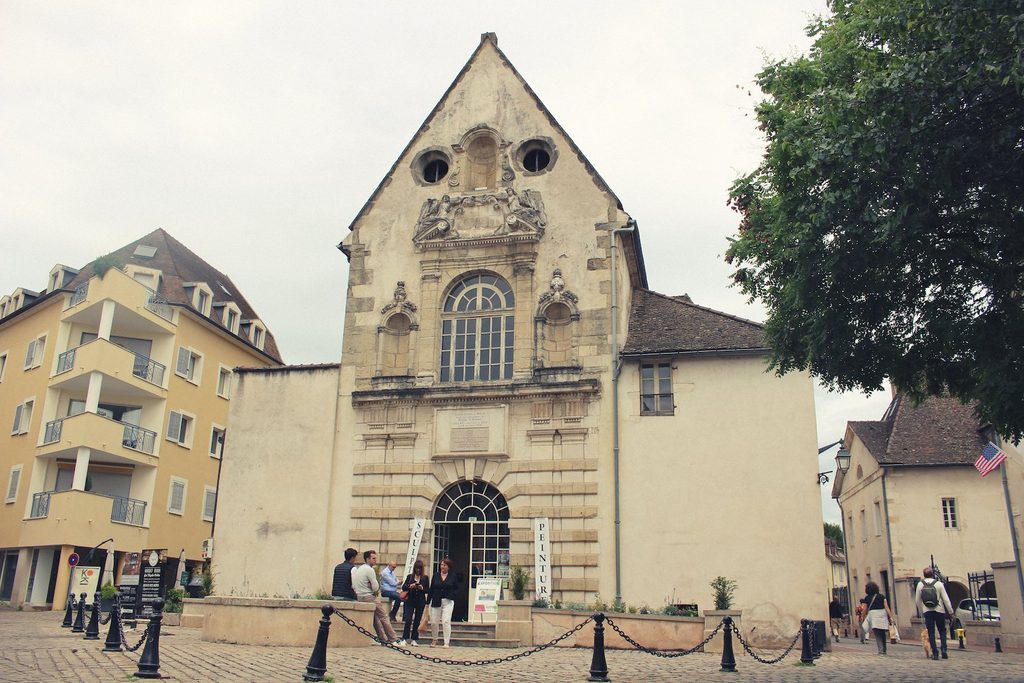
This former chapel is no longer used as a place of worship, but now houses art exhibitions and cultural events. King Louis XIV is said to have come to the chapel and prayed at the tomb of Marguerite du Saint-Sacrement inside. His mother, Anne of Austria, had prayed before this very tomb to ask for his birth many years earlier.
15. Lavoir Saint-Jacques (Saint Jacques Washhouse)
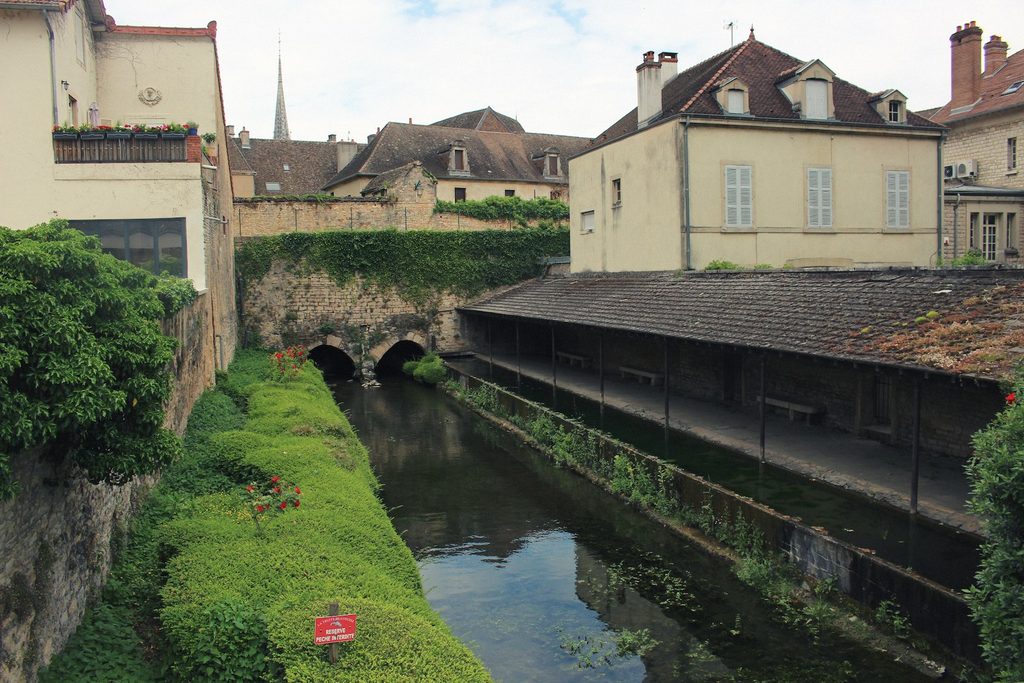
This public washhouse sits on the banks of the Bouzaize River. It was built in the 19th century and was widely used by the washerwomen of a nearby laundry. It’s the last washhouse of its kind still standing in Beaune today.
16. Hôtel de Ville de Beaune (Beaune Town Hall)
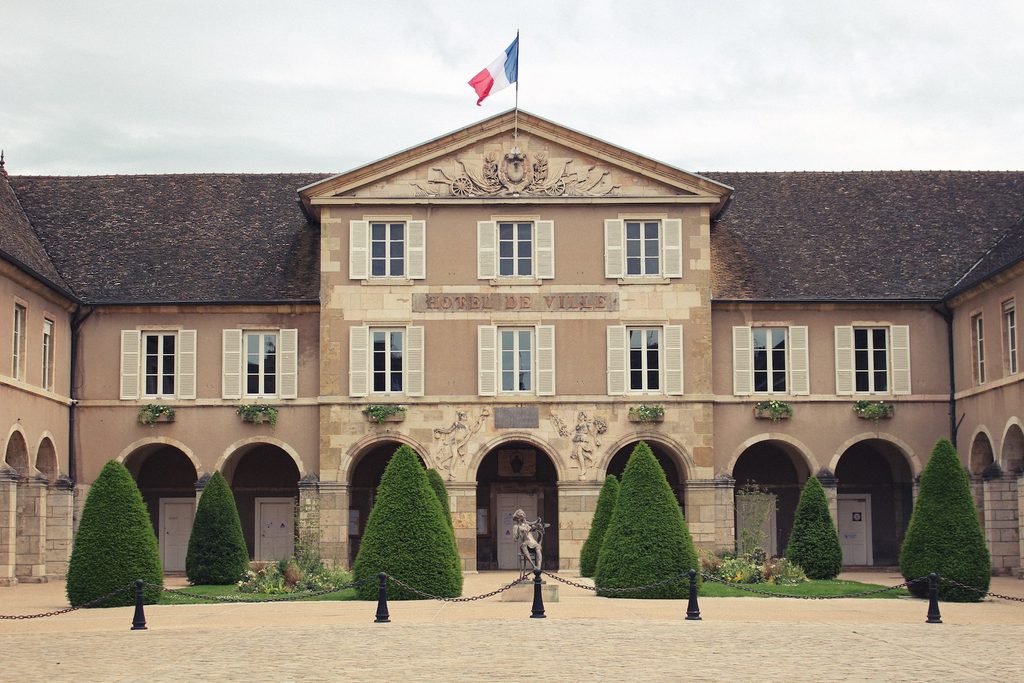
The Hôtel de Ville de Beaune (Beaune Town Hall) is housed in a handsome building in the middle of town that once served as a convent. Although you can’t tour the interior of the town hall, you can visit the municipal archives, which are housed on the ground floor to the left of the main entrance.
17. Place Carnot (Carnot Square)
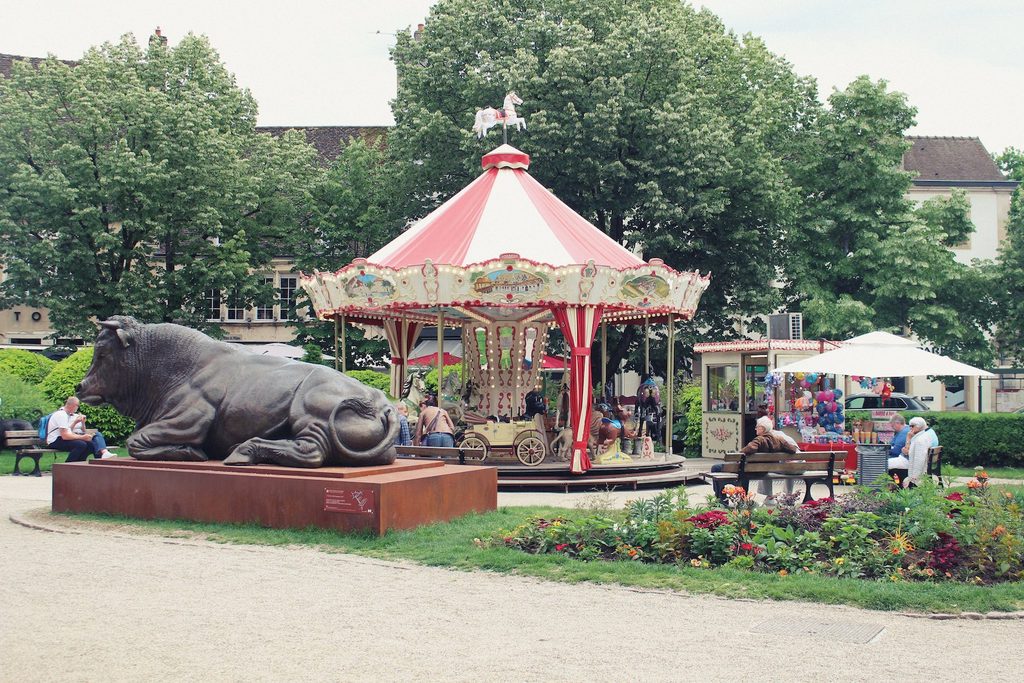
This town square is one of the liveliest in Beaune, especially for families with kids, thanks to its resident carousel and a bandstand that accommodates live musicians in summer. It is also home to a Saturday morning market.
18. Banks of the Bouzaize
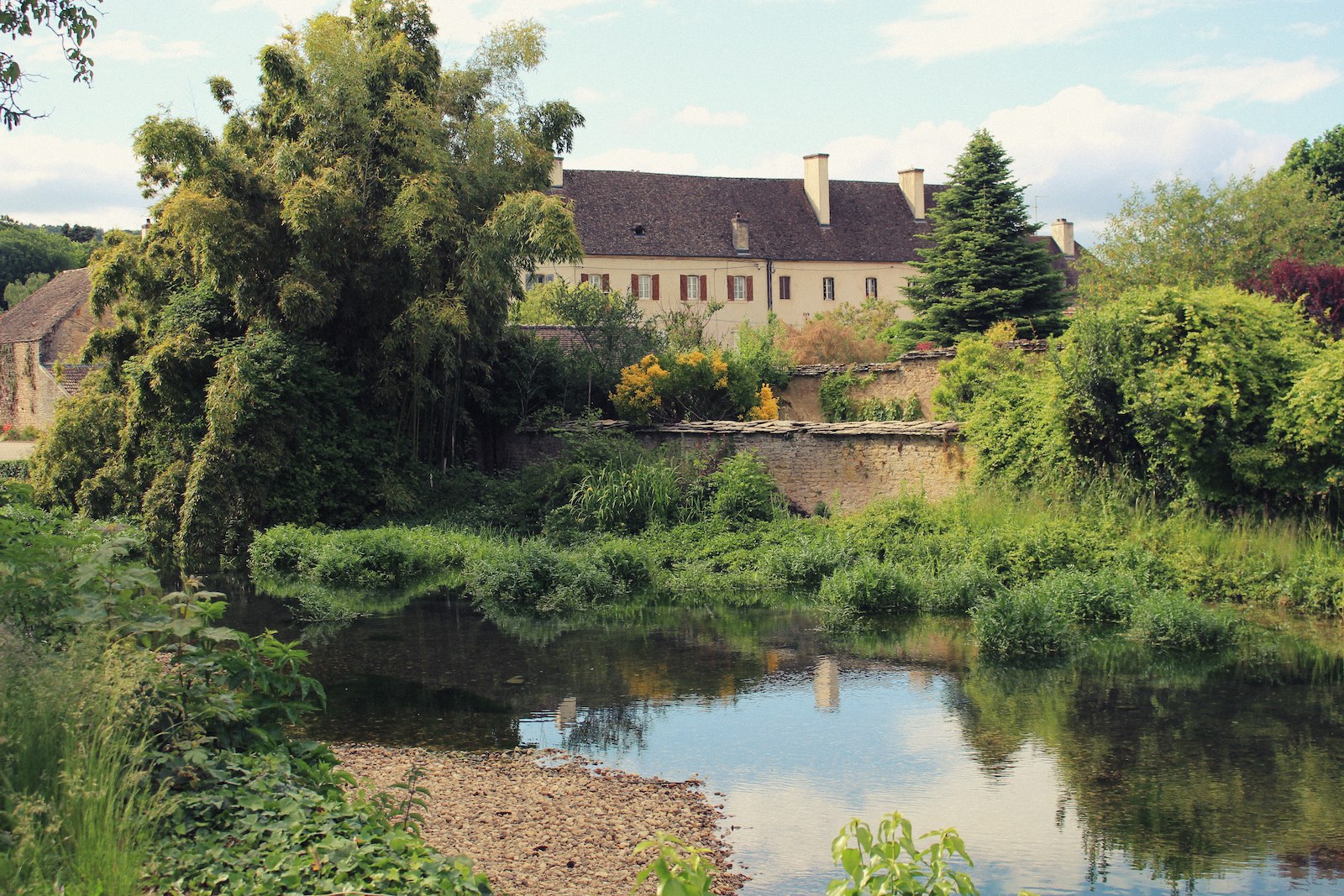
The Bouzaize River runs along the southwestern border of the city centre. From the Square des Lions (Square of the Lions), you can follow the river to the west until you reach the Parc de la Bouzaize (Park of the Bouzaize). This stretch of the river is one of the loveliest and most peaceful slices of nature in Beaune. I couldn’t resist sitting on the banks for a while just listening to the sound of the water.
19. Parc de la Bouzaize (Park of the Bouzaize)
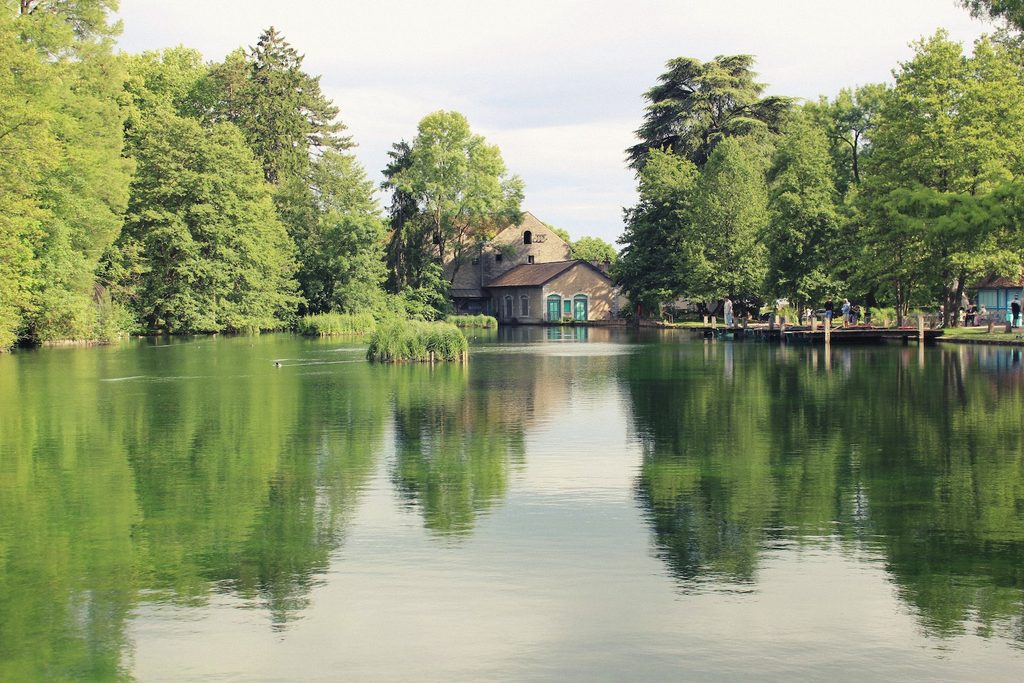
This five-hectare park is located within walking distance of the city centre and is a breath of fresh air. Built in the 19th century in the style of an English garden around a small lake fed by the source of the Bouzaize River, it was originally created to provide water to the properties in the area. This is a great place to sit down and catch your breath after a busy day of sightseeing.
Day trips from Beaune
- Beaune is a 20-minute train ride from Dijon, the capital of historic Burgundy.
- Besançon, the capital of the historic region of Franche-Comté, is about a 1.5-hour train ride from Beaune and is home to a UNESCO-listed citadel.

Comments are closed.