
Besançon is best known for its UNESCO-listed Vauban Citadel, which towers imposingly over the city. But there are many things to do in Besançon, including exploring the historic centre, visiting the birthplace of Victor Hugo and chilling on the banks of the Doubs.
To be honest, I never really intended to spend much time in Besançon. On my first visit there, I was merely supposed to make a quick stopover on an extremely long bus ride from the Czech Republic back to France. But I missed my connecting bus and ended up stuck in Besançon until I could find an affordable way out. That turned out to be a blessing in disguise, as it gave me the time to fall under the spell of the city’s pretty city centre and many green spaces.

The natural site on which Besançon is located is part of its charm. Everywhere you turn, you see the green peaks of the hills that surround the city, with the Citadelle de Besançon (Citadel of Besançon) peering down from one of them.
As the historic capital of Franche-Comté and the prefecture of the department of Doubs, Besançon remains a major city in Bourgogne-Franche-Comté and is a good base from which to explore other destinations in the region.
Table of Contents (click to view)
- Is Besançon worth visiting?
- How long to stay in Besançon
- 27 things to do in Besançon
- 1. Citadelle de Besançon (Citadel of Besançon)
- 2. Cathédrale Saint-Jean de Besançon (Besançon Cathedral)
- 3. Musée des Beaux-arts et d’Archéologie de Besançon (Museum of Fine Arts and Archaeology of Besançon)
- 4. Musée du Temps (Museum of Time)
- 5. Quai Vauban (Vauban Quay)
- 6. Porte Noire (Black Gate)
- 7. Maison natale de Victor Hugo (Birthplace of Victor Hugo)
- 8. Square Castan (Castan Square)
- 9. Banks of the Doubs
- 10. Église Sainte-Madeleine de Besançon (Saint Madeleine Church of Besançon) / Église de la Madeleine (Church of the Madeleine)
- 11. Église Saint-Pierre de Besançon (Saint Pierre Church of Besançon)
- 12. Parc Micaud (Micaud Park)
- 13. Parc de la Gare-d’Eau (Park of the Water Station)
- 14. Porte Rivotte (Rivotte Gate)
- 15. Ancien passage médiéval Rue du Chambrier (Old medieval passageway on Chambrier Street)
- 16. Parc des Glacis (Park of the Sloping Banks)
- 17. Hôtel de Ville de Besançon (Besançon Town Hall)
- 18. FRAC Franche-Comté
- 19. Synagogue de Besançon (Besançon Synagogue)
- 20. Place de la Révolution (Square of the Revolution)
- 21. Les Halles Beaux-Arts (Fine Arts Market)
- 22. Église Saint-Maurice de Besançon (Saint Maurice Church of Besançon)
- 23. Ancienne église des Carmes (Former Carmelite Church)
- 24. Clos Barbisier (Barbisier Close)
- 25. Chapelle Notre-Dame-du-Refuge (Chapel of Our Lady of Refuge)
- 26. Ancien Hôpital Saint-Jacques (Former Saint Jacques Hospital)
- 27. Ancienne arsenal d’artillerie (Former Artillery Arsenal)
- Day trips from Besançon
Is Besançon worth visiting?
- UNESCO-listed Vauban Citadel – The Citadelle de Besançon (Citadel of Besançon) is part of the Fortifications of Vauban that, together, constitute a UNESCO World Heritage Site. It is well worth a visit as it offers stunning views over the city and river and is also home to three museums.
- Biggest city in Franche-Comté – As the historic capital of Franche-Comté, which is now part of the administrative region of Bourgogne-Franche-Comté, Besançon is an ideal place to learn about the history, culture and architecture of this area in eastern France.
- Well-preserved historic centre – Besançon is the birthplace of Victor Hugo, is known as the capital of French watchmaking and also has a well-preserved historic centre.
- Nature at your doorstep – Besançon is a very green city, and you’ll have many opportunities to get closer to nature, whether you’re exploring the banks of the Doubs River or climbing one of the surrounding hills.
How long to stay in Besançon
Since the city’s star attraction, the Citadelle de Besançon (Citadel of Besançon), is extensive and requires a fairly long visit, I would recommend spending at least two or three days in Besançon to cover the must-sees.
Where to stay in Besançon
- Budget hotel near Besançon train station – Ibis Budget Besançon Centre Gare is probably the cheapest hotel you’ll find in Besançon’s city centre. It’s a two-minute walk from the Besançon train station, which is extremely convenient.
- Modern three-star hotel with good ratings – Hotel de Paris is a top-rated hotel offering tastefully-decorated rooms in a highly central location. Great balance between price and quality.
- Gorgeous bed and breakfast – La Dolcevita Spa Suite Privative is a beautiful bed and breakfast with spa facilities, located in the city centre and a 13-minute walk from the train station.
27 things to do in Besançon
Wondering what to do in Besançon? I have ordered this list to prioritise the most important things to do in Besançon for a first-time visitor. If you don’t have much time in Besançon, I would suggest just focusing on the top 10 places on the list.
Towards the bottom of the list, I’ve added hidden gems that aren’t necessarily touristy, but are nice to experience if you have the time. But of course, feel free to customise your own trip according to your own interests!
1. Citadelle de Besançon (Citadel of Besançon)
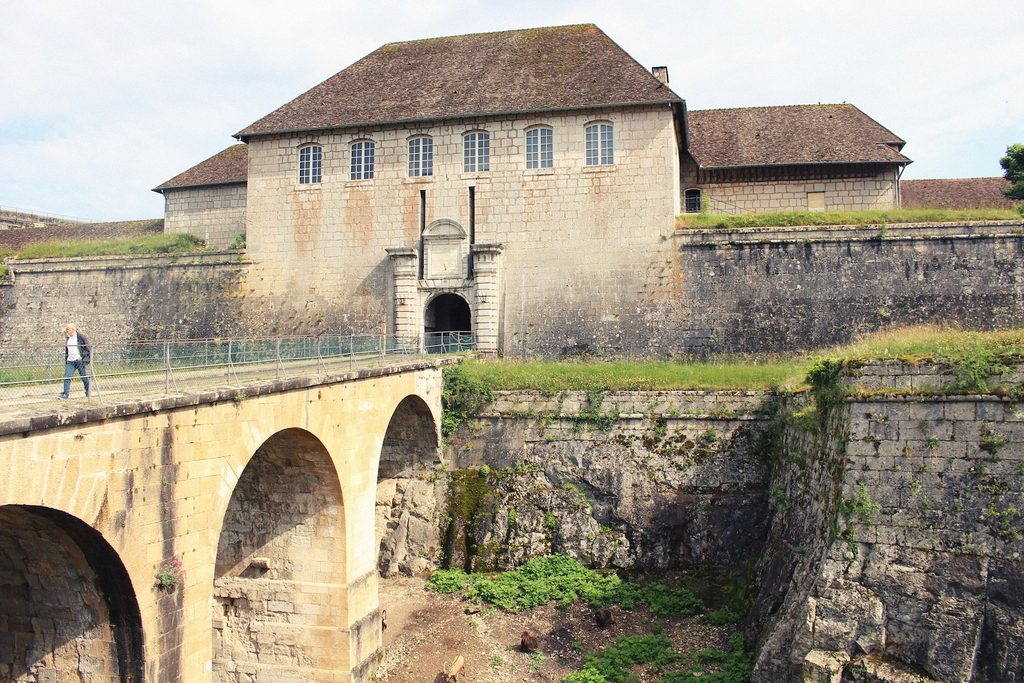
The Citadelle de Besançon (Citadel of Besançon) is a huge, 11-hectare fortress built in the 17th century by Sébastien Le Prestre de Vauban, an army officer and military engineer, under the reign of Louis XIV. It is listed as a UNESCO World Heritage site together with Fort Griffon (Griffon Fort), located about a 30-minute walk away at Parc des Glacis (Park of the Sloping Banks). Located atop Mont Saint-Étienne (Mount Saint Étienne), the citadel offers spectacular views over the city.
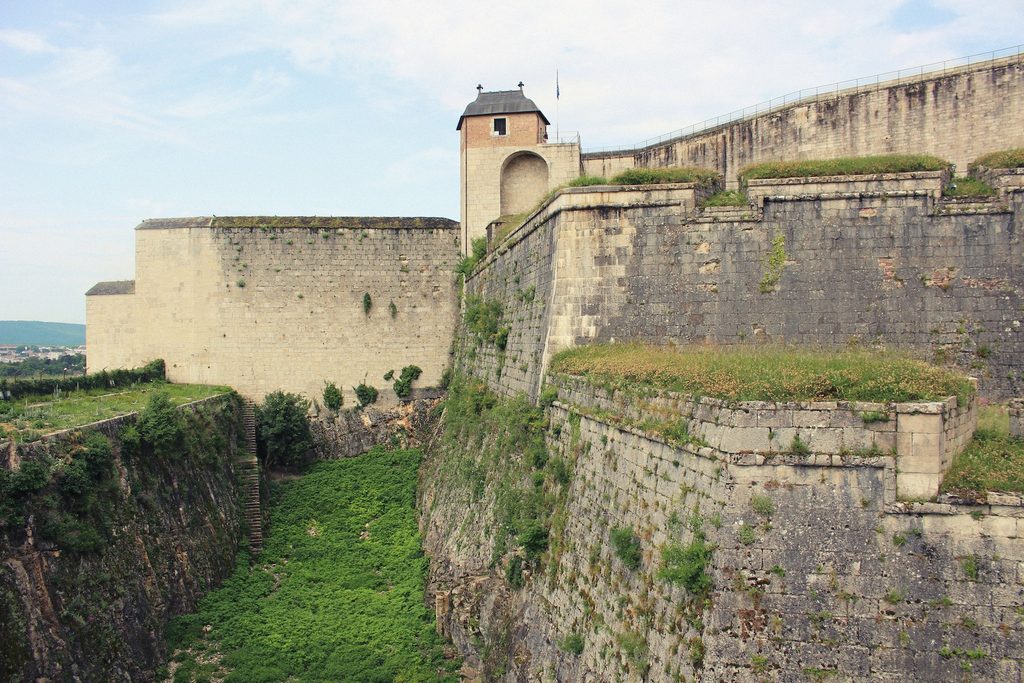
Today, this iconic citadel is home to three museums: the Muséum de Besançon (Besançon Museum), which is a natural history museum, the Musée comtois (Comtois Museum), which deals with the heritage and culture of the historic Franche-Comté region, and the Musée de la Résistance et de la Déportation (Museum of Resistance and Deportation), which focuses on World War II.
There is a substantial part of the citadel that can be visited for free. Purchasing a ticket enables you to visit the parts of the citadel situated beyond the Front Royal (Royal Front), as well as the three museums.
2. Cathédrale Saint-Jean de Besançon (Besançon Cathedral)

The Cathédrale Saint-Jean de Besançon (Besançon Cathedral) is located at the base of Mont Saint-Étienne, on which the citadel is perched.
The earliest version of the church was built in the third century, and there were many reconstructions over the years, including in the ninth and 11th centuries, which left the building with a variety of architectural influences. The church has two choirs facing each other, which is rare. One is in the Romanesque style, the other, Baroque.
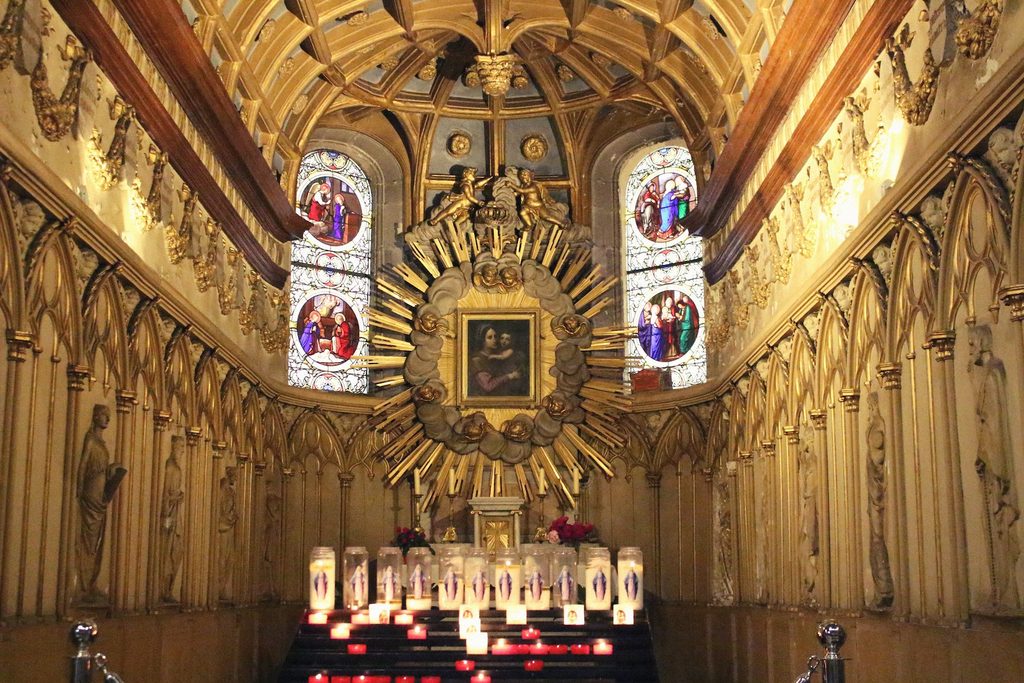
The cathedral’s most famous feature is its astronomical clock, which was created in about 1860 to replace an earlier clock. Entry to the cathedral is free, but you must buy a ticket to see the astronomical clock, which is housed in a separate room in the bell tower.
3. Musée des Beaux-arts et d’Archéologie de Besançon (Museum of Fine Arts and Archaeology of Besançon)

Founded in 1694, this museum is home to France’s oldest public art collection. It has two major sections, one dedicated to archaeology and another to the fine arts. The former contains, most notably, several Egyptian sarcophagi. The fine arts collection contains works dating from the 15th to 20th centuries.
4. Musée du Temps (Museum of Time)
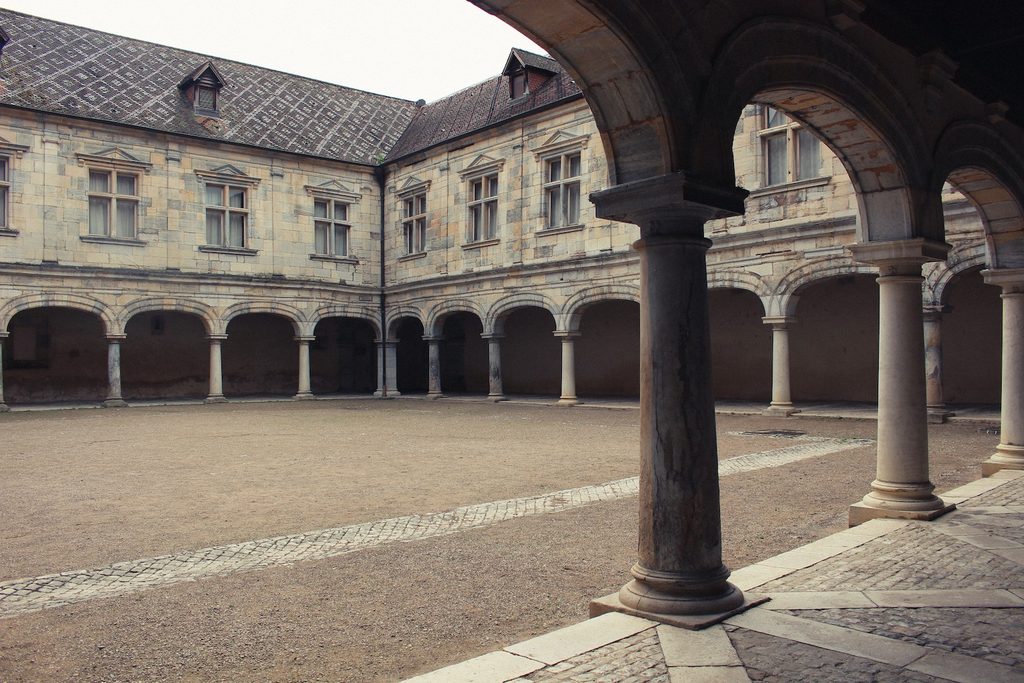
Besançon is known as the capital of French watchmaking, with much of the know-how of the craft coming from prominent Swiss watchmakers who moved to the city in the late 18th century. The Musée du Temps (Museum of Time) takes you through the history of watchmaking, and exhibits beautiful clocks and watches from different periods. As an added bonus, the museum is located in the Palais Granvelle (Granvelle Palace), a magnificent 16th-century building inspired by the Italian Renaissance.
5. Quai Vauban (Vauban Quay)
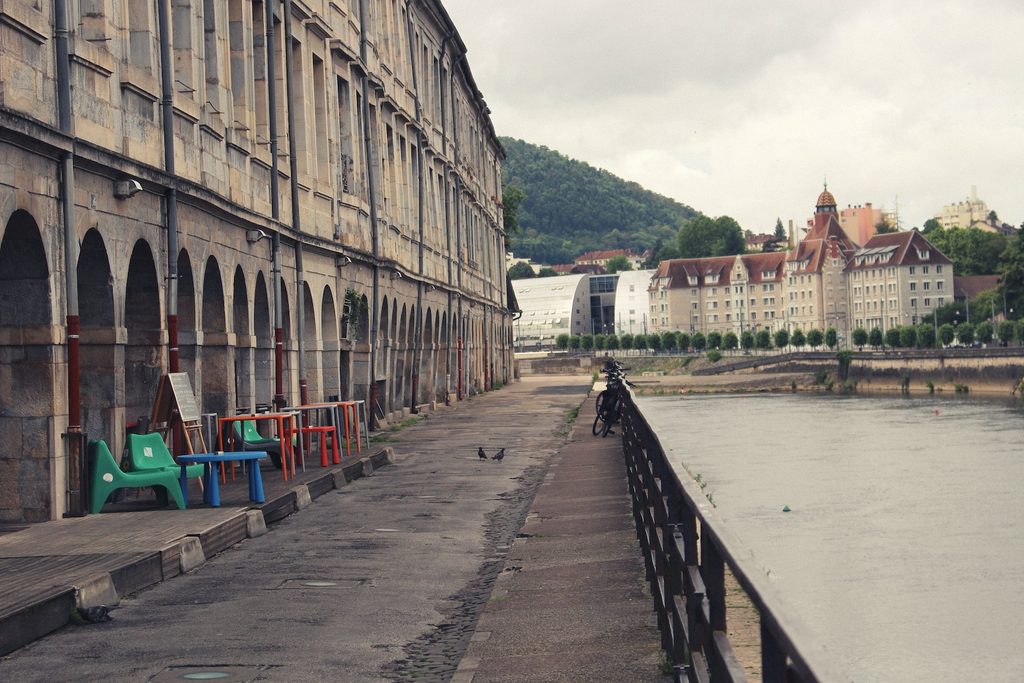
The 17th-century Quai Vauban (Vauban Quay), which runs along the banks of the Doubs, is a classic location for a riverside stroll in Besançon for locals and visitors alike.
Most notably, you’ll walk past 18th-century houses that were constructed to adapt to the Vauban fortifications. One of the most scenic viewpoints along the walk is from the historic bridge Pont Battant (Battant Bridge).
6. Porte Noire (Black Gate)

The Porte Noire (Black Gate) takes you back in time to the year 175 AD, when Besançon was under Roman rule. Conceived as a triumphal arch, the Porte Noire (Black Gate) marked the southern entry point of the city, as well as the departure point towards Rome. Take a moment to admire the intricate sculptures on both the outside and the inside of the arch, and you might catch sight of epic battles and mythological characters.
7. Maison natale de Victor Hugo (Birthplace of Victor Hugo)

Victor Hugo’s Les Misérables has become one of the best-loved classic novels in the world, and he is possibly the most famous author in France. The apartment in which he was born in 1802 is open to visitors, with multimedia exhibits about his life and work.
8. Square Castan (Castan Square)
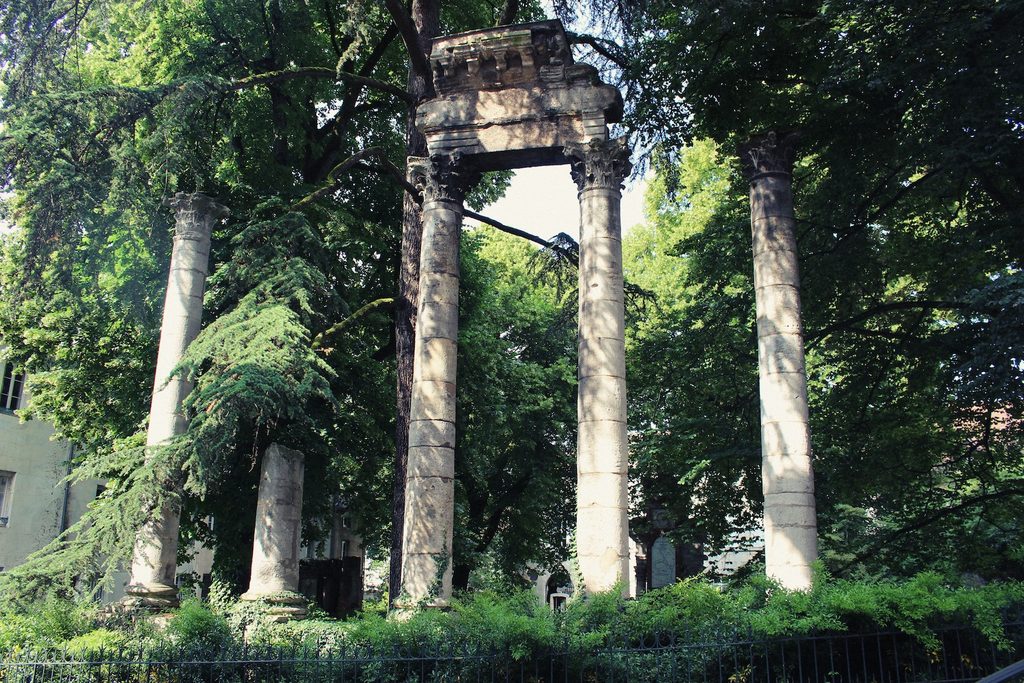
This is not just an ordinary town square! Laid out like a small park in the heart of the city, Square Castan (Castan Square) is home to atmospheric archaeological ruins dating back to the second or third century, when much of modern-day Besançon was a Gallo-Roman city called Vesontio.
You’ll see Corinthian columns, the remains of an aqueduct and basin, as well as a semicircular structure that some archaeologists believe may have been a theatre.
9. Banks of the Doubs

The Doubs is ever-present in Besançon as it makes almost a full loop around the historic centre. Following this loop will take you past some of Besançon’s most recognisable sights, as well as into nature.
A good starting point is at the section of the Doubs nearest to the Porte Rivotte (Rivotte Gate). You can then follow the river to the north in a circle around the city, exploring green spaces like Parc Micaud (Micaud Park) along the way, or crossing Pont Battant (Battant Bridge) over to the north of Besançon, where the train station is located.
10. Église Sainte-Madeleine de Besançon (Saint Madeleine Church of Besançon) / Église de la Madeleine (Church of the Madeleine)
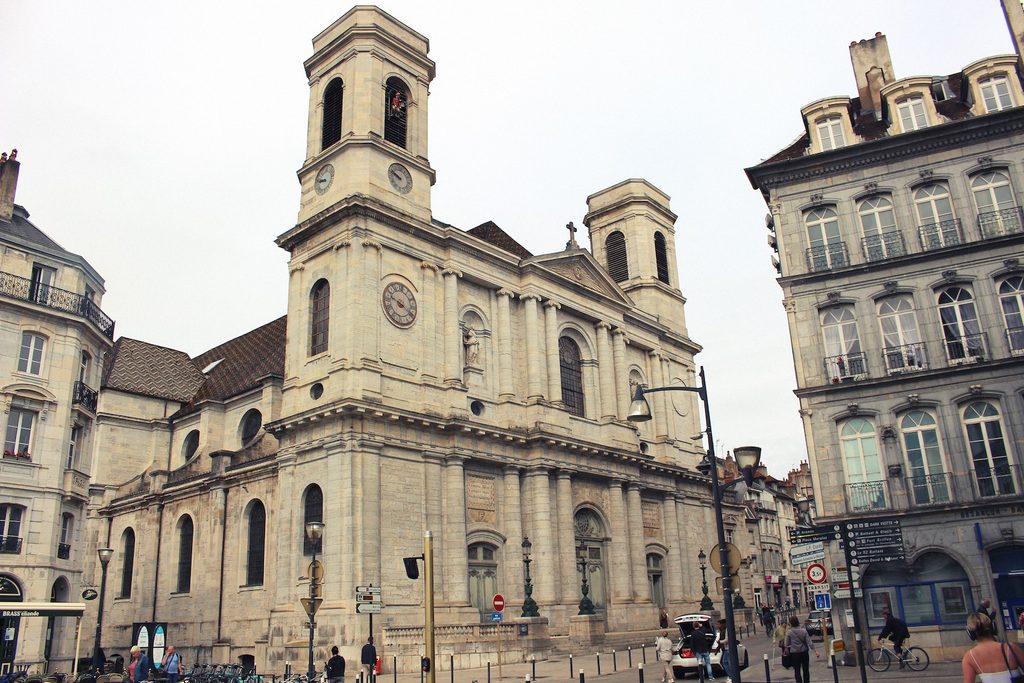
Built in the 18th century, this Neoclassical church is referred to by locals as Église de la Madeleine (Church of the Madeleine). It stands at the entry point to Battant, one of Besançon’s oldest historic neighbourhoods. Although Besançon is in Franche-Comté, the church is topped by a colourful, tiled roof in the Burgundian style, so don’t forget to look up as you approach the building!
11. Église Saint-Pierre de Besançon (Saint Pierre Church of Besançon)
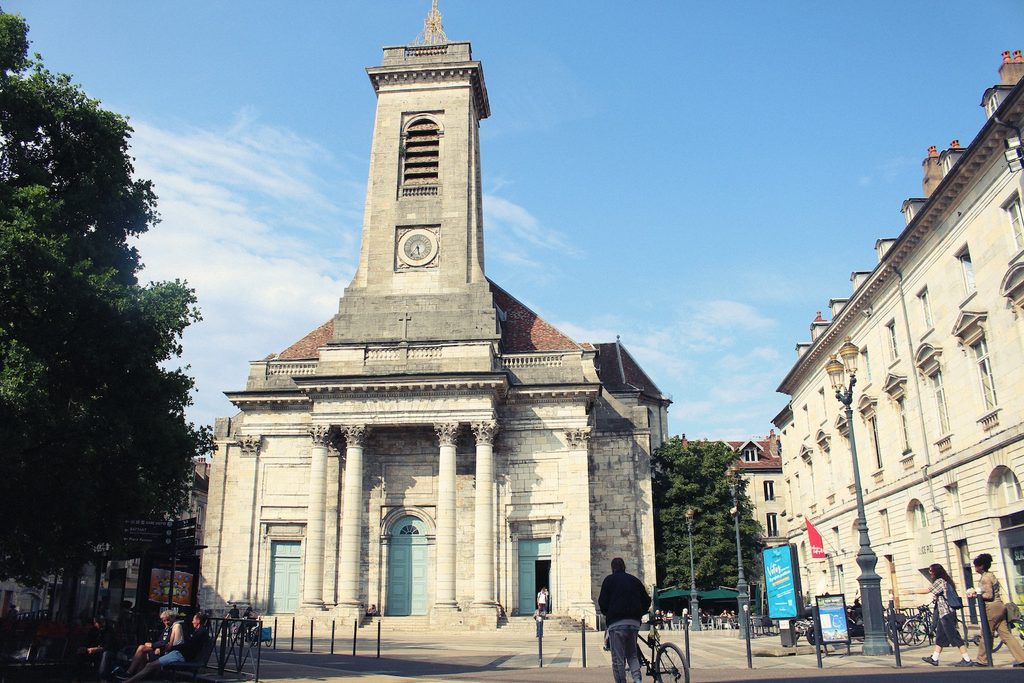
This church is located in the historic centre and was built in the 18th century. It has a very high bell tower as it once served as the belfry of the Hôtel de Ville (Town Hall). If you look up at the roof, you’ll see colourful Burgundian-style tiles.
12. Parc Micaud (Micaud Park)
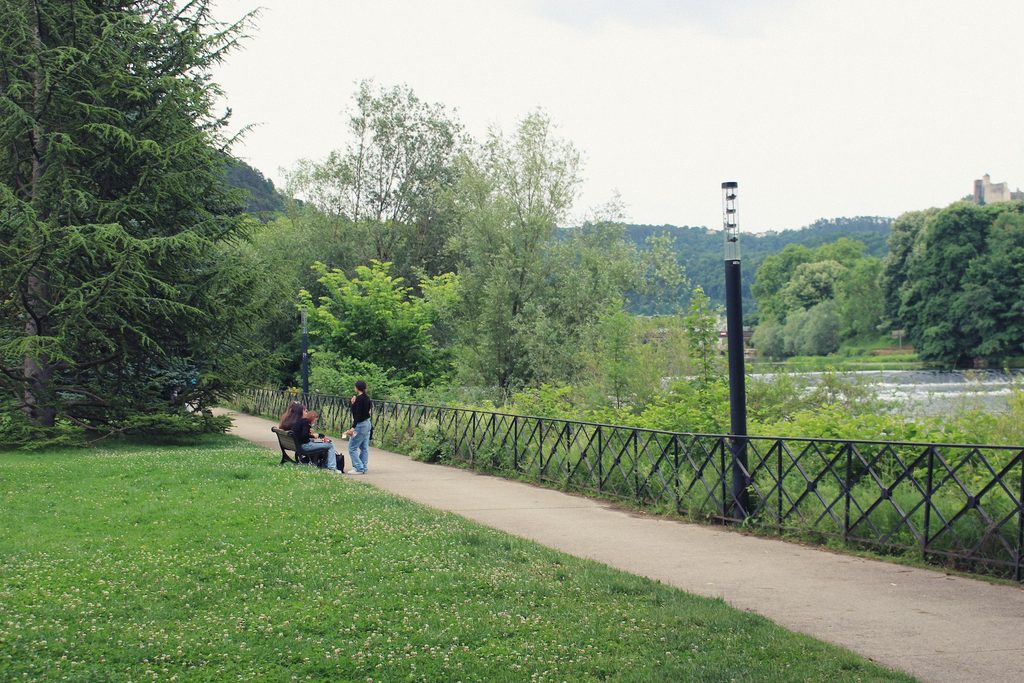
This idyllic public garden is one of the most popular green spaces in town thanks to its location on the banks of the Doubs. Built in 1830 on reclaimed land, it offers very nice views of the citadel and the river.
13. Parc de la Gare-d’Eau (Park of the Water Station)
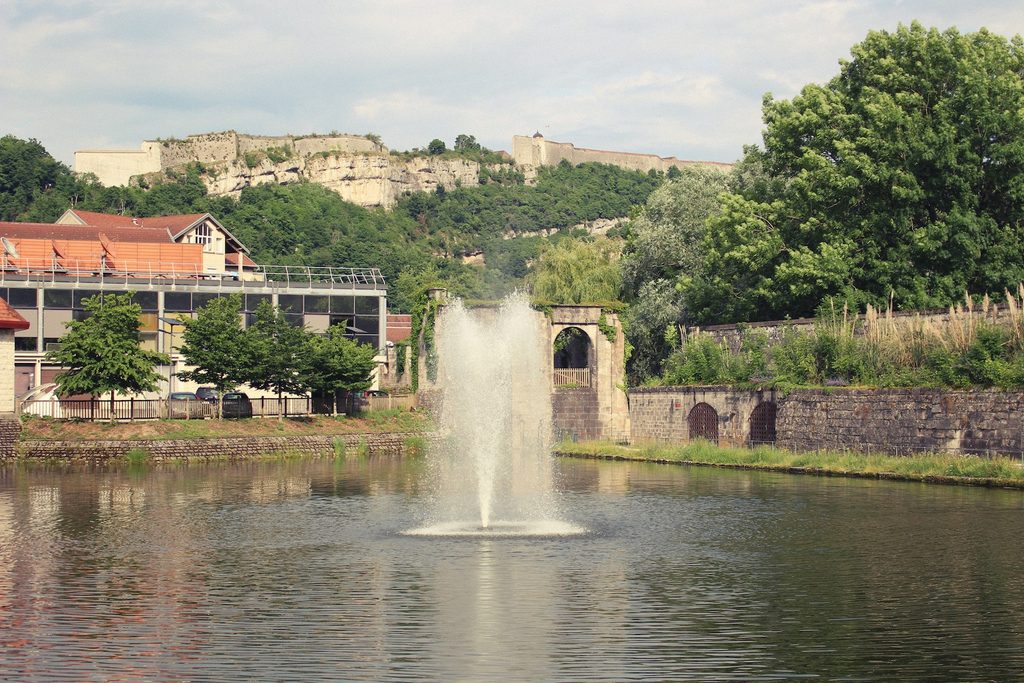
This sprawling park enjoys not only lovely riverside views, but is also integrated with the city’s fortifications. Built on the site of a former harbour, it sits beside the city’s Vauban fortifications, offering great views of the citadel and defensive walls.
14. Porte Rivotte (Rivotte Gate)
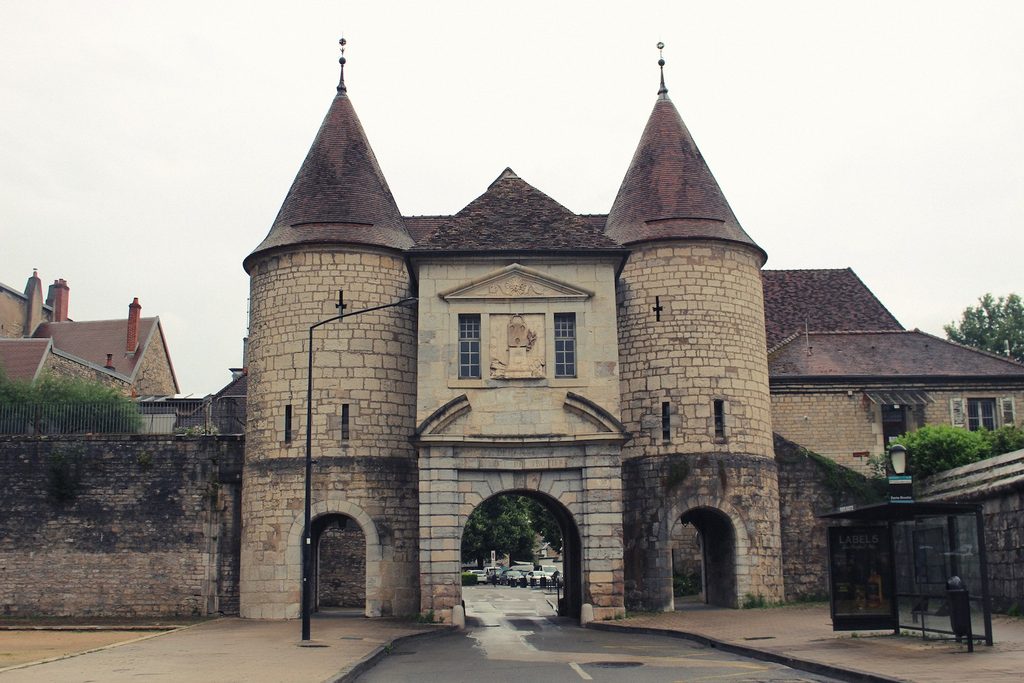
This imposing-looking gate, with its two distinctive towers, was built in the 16th century as part of the military fortifications of the city. It is one of only two historic gates that remain of Besançon’s fortifications, the other being Porte Taillée (Carved Gate), which is a 10-minute walk away.
15. Ancien passage médiéval Rue du Chambrier (Old medieval passageway on Chambrier Street)
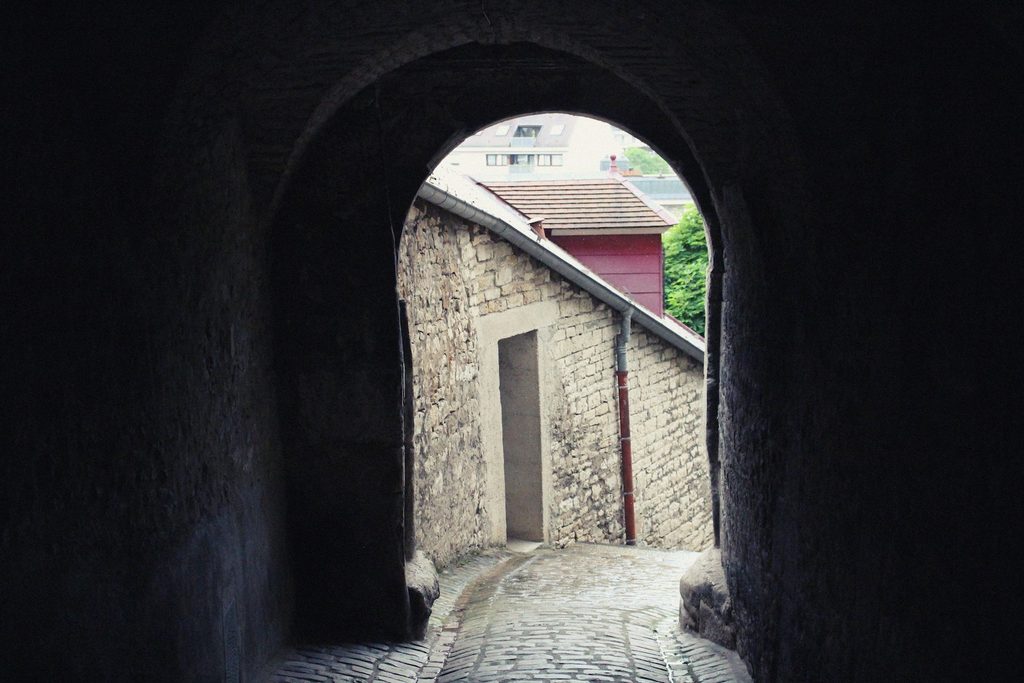
This steeply sloping road was, in medieval times, a passageway leading from the cathedral to the Doubs, where Porte Rivotte (Rivotte Gate) now stands. It is the only remnant from the Early Middle Ages of a fortified road leading into the city. Rue du Chambrier (Chambrier Road) gets its name from the Hôtel du Chambrier (Chambrier Hotel), which belonged to the treasurer of the archbishop.
16. Parc des Glacis (Park of the Sloping Banks)
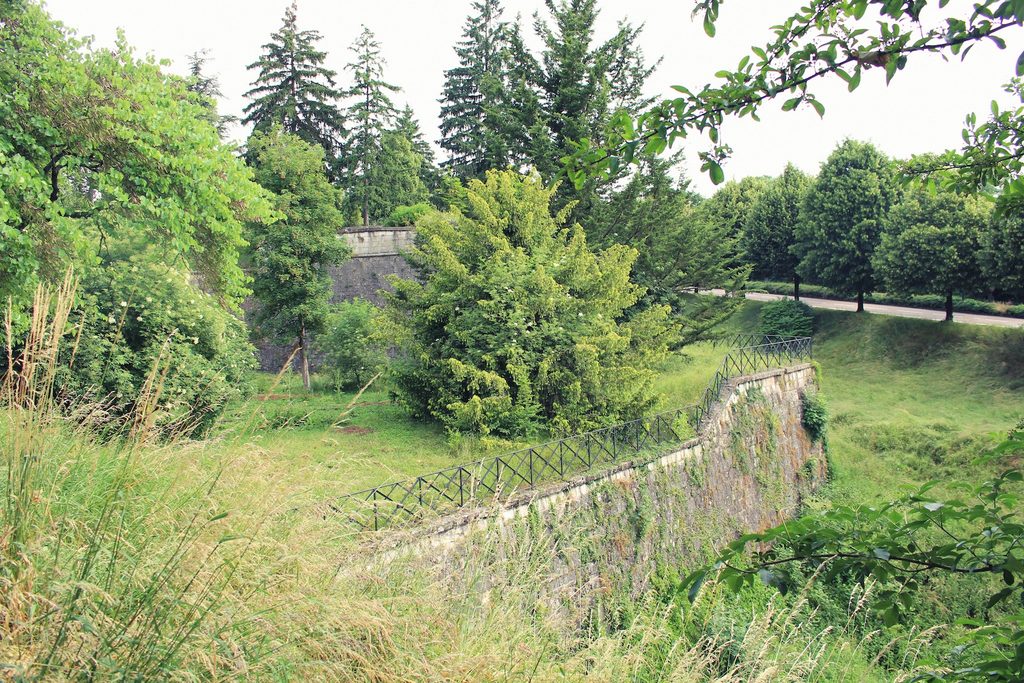
This park is located right next door to the Gare de Besançon (Besançon Train Station), and is well worth a visit if you have a few moments to spare before or after your train journey.
Built on the slopes of a hill, it integrates the old defensive fortifications into its design. Wander around and you’ll spot the defensive Tour de Montmart (Tower of Montmart), as well as the Fort Griffon (Griffon Fort), which is part of the UNESCO site that also includes the Citadelle de Besançon (Besançon Citadel).
17. Hôtel de Ville de Besançon (Besançon Town Hall)
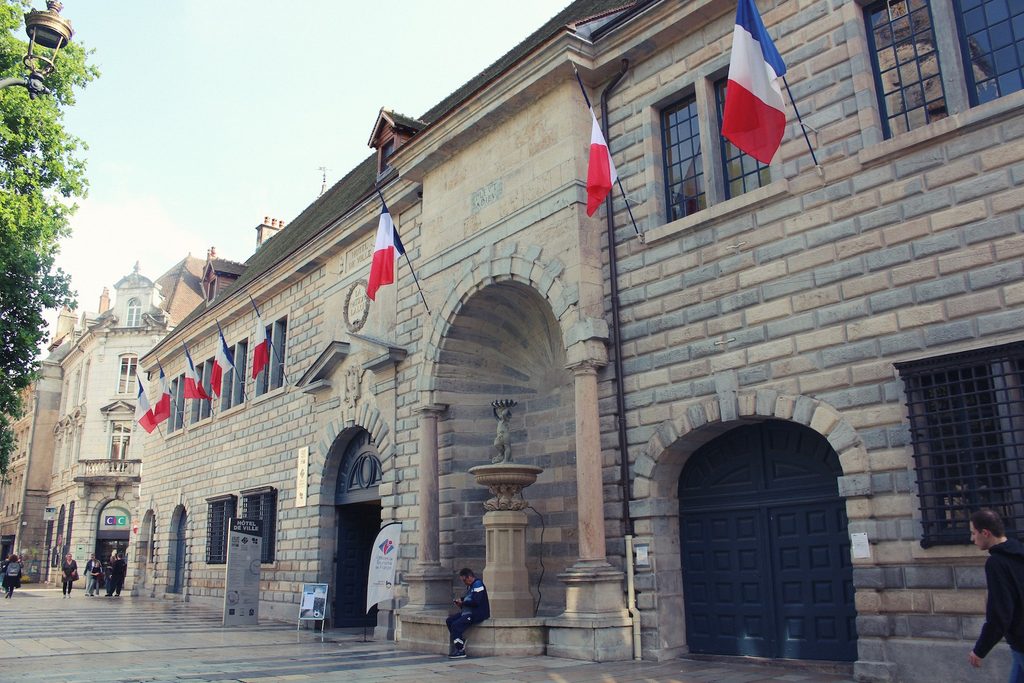
Every commune in France has a town hall, but this one is worth a look thanks to its 16th-century Renaissance façade, built when Besançon was a Free Imperial City of the Holy Roman Empire before being annexed by France in 1674. The Besançon Tourist Office is located inside the building.
18. FRAC Franche-Comté
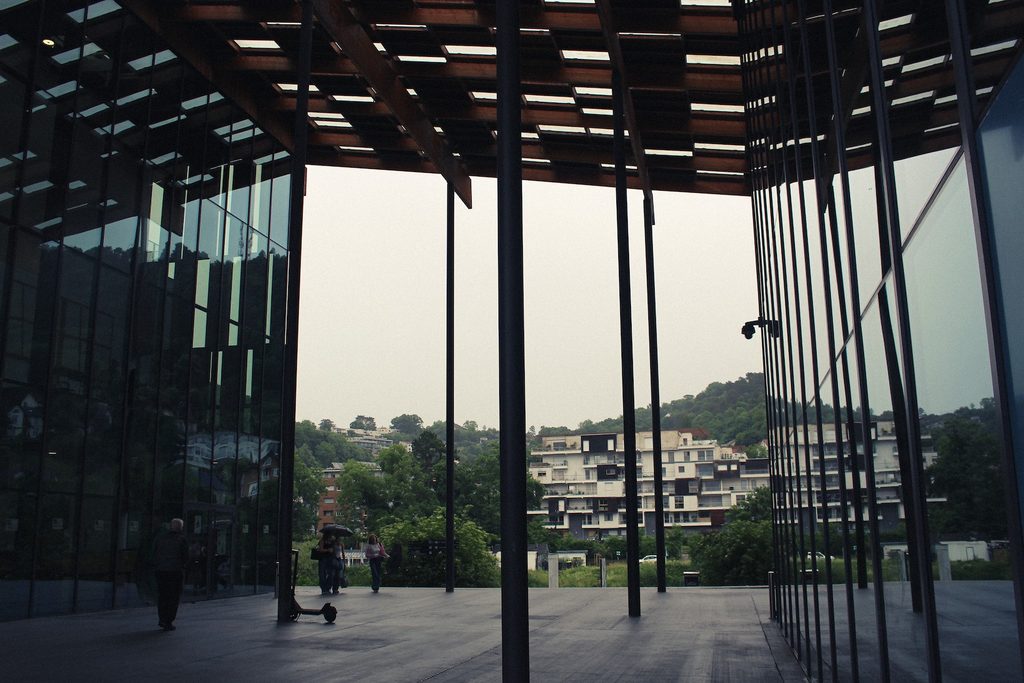
FRAC maintains a collection of contemporary art and has branches all over France. The Franche-Comté branch is located in Besançon, not too far from the city centre, and is worth a look if you are interested in contemporary art.
19. Synagogue de Besançon (Besançon Synagogue)
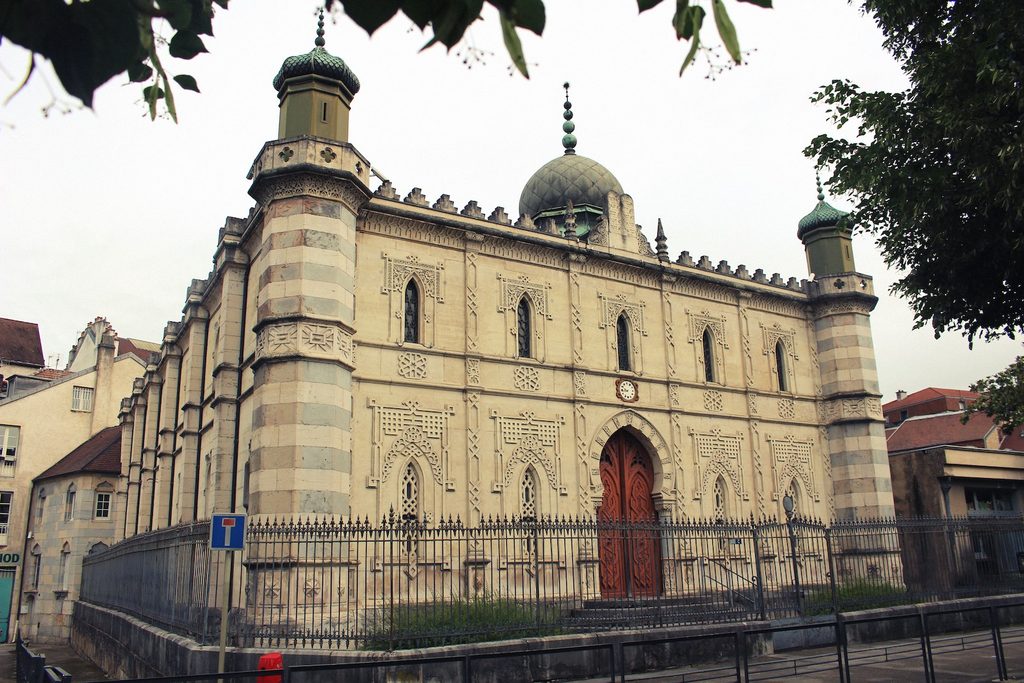
If you come to Besançon by train, you’ll walk past the Synagogue de Besançon (Besançon Synagogue) on the banks of the Doubs on your way to the city centre. The 19th-century building is beautiful and striking, with intricate motifs on the façade and two beautiful towers. It is usually not open to the public except on special occasions.
20. Place de la Révolution (Square of the Revolution)
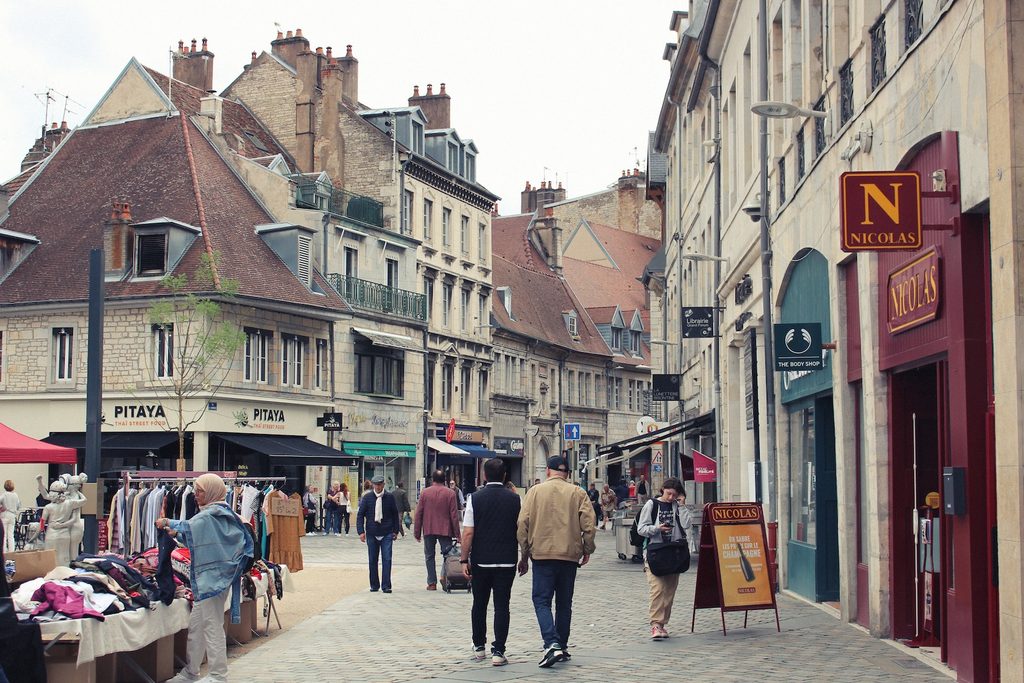
This is Besançon’s biggest town square, and also a popular hangout spot thanks to the many bars and restaurants in the area. It is surrounded by lots of beautiful and important buildings, including the Musée des Beaux-arts et d’Archéologie de Besançon (Museum of Fine Arts and Archaeology of Besançon).
21. Les Halles Beaux-Arts (Fine Arts Market)

Besançon’s covered market is a great place to shop for food products and souvenirs, as well as sample local delicacies and have an inexpensive meal. While the present-day market is housed in a modern building, the nearby Place de la Révolution (Square of the Revolution) has been home to local markets for centuries.
22. Église Saint-Maurice de Besançon (Saint Maurice Church of Besançon)
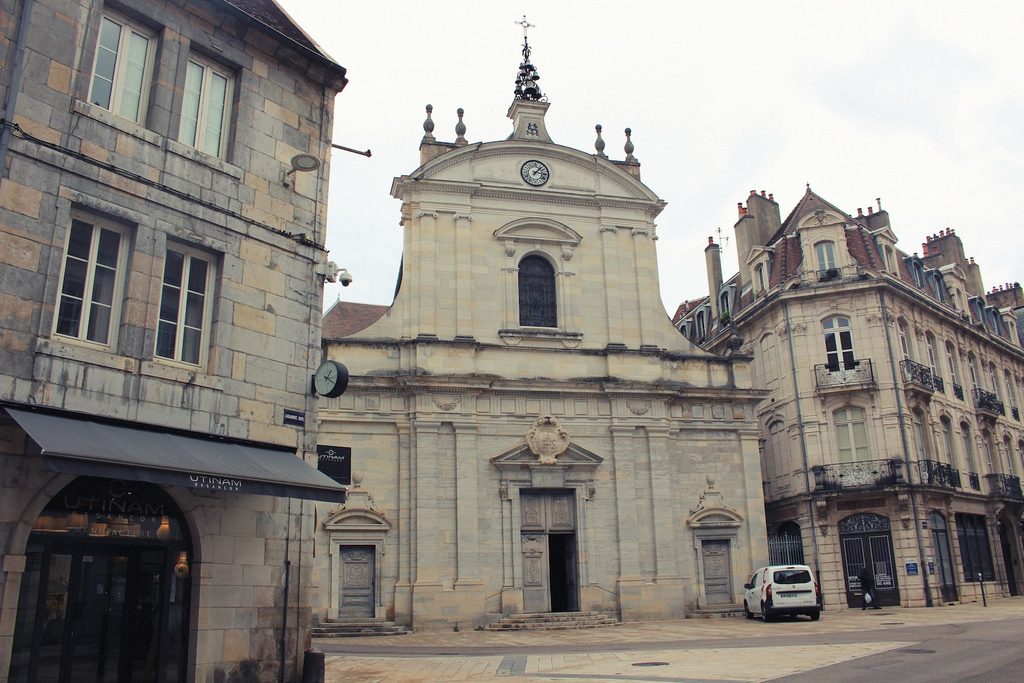
This church in the city centre of Besançon was reconstructed in the 18th century in the Jesuit style. In medieval times, it was one of the more important churches in the city.
23. Ancienne église des Carmes (Former Carmelite Church)
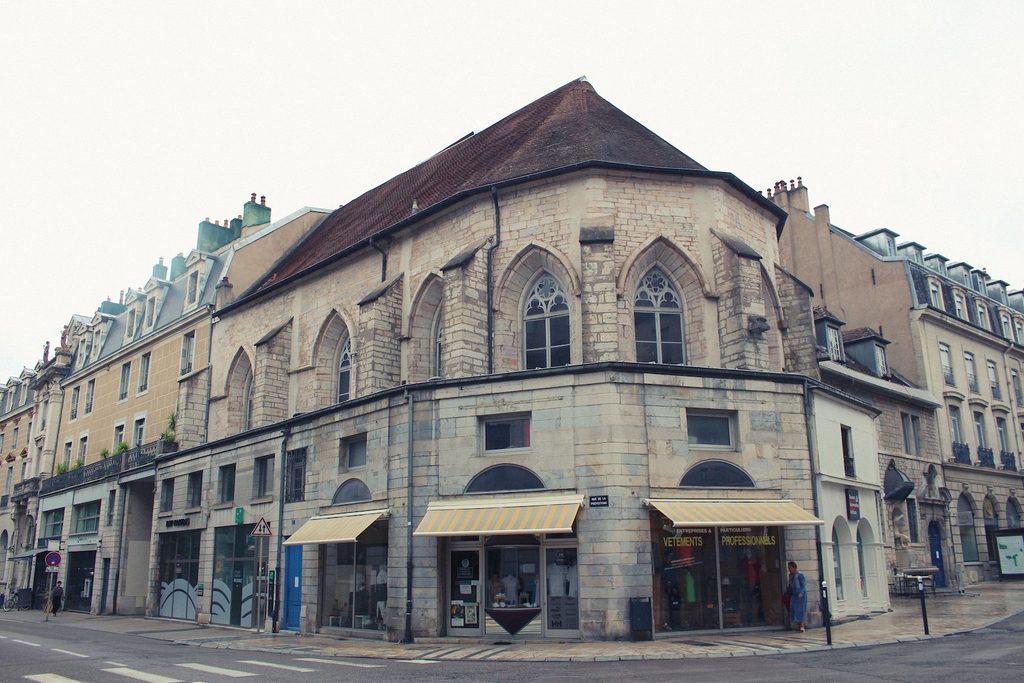
This former church, located on a street corner, looks unusual as part of its 17th-century building has been repurposed and is now occupied by local businesses. It is sometimes used for concerts and other events.
24. Clos Barbisier (Barbisier Close)

This secret rose garden, hidden beneath the Fort Griffon (Griffon Fort) ramparts, makes for a lovely visit in late spring and early summer when the flowers are in bloom.
25. Chapelle Notre-Dame-du-Refuge (Chapel of Our Lady of Refuge)
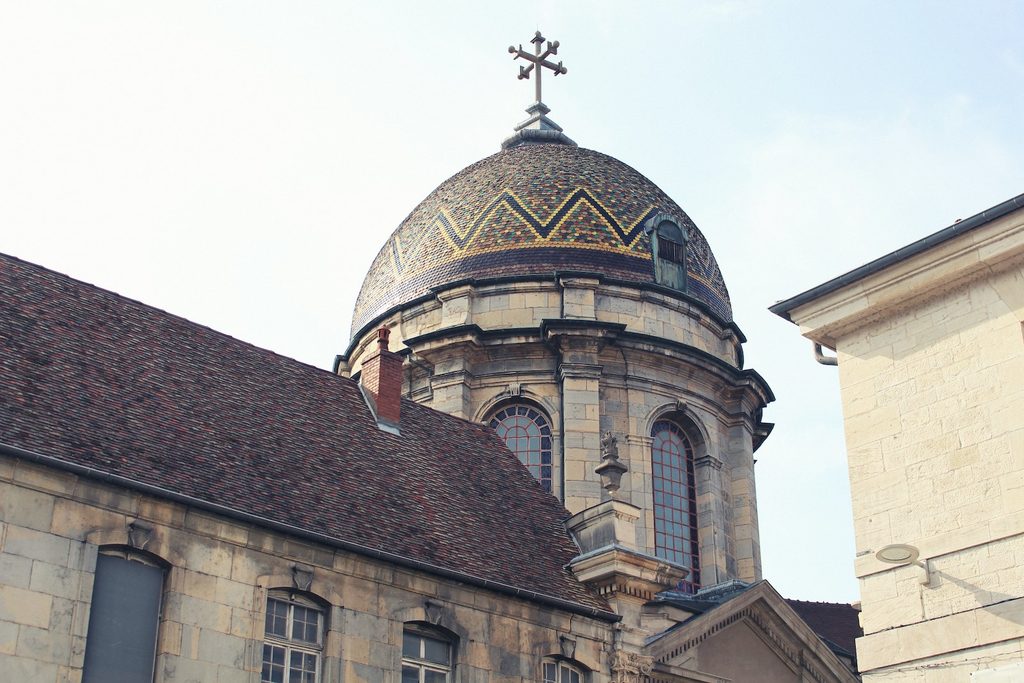
This Baroque-style chapel dating back to the 18th century is worth checking out for its magnificent cupola covered in polychrome tiles. It belonged to the Couvent du Refuge (Convent of Refuge), which sheltered young women who had fallen on hard times, before being transferred to the Ancien Hôpital Saint-Jacques (Former Saint Jacques Hospital), which is no longer operational but whose building is still located next door.
26. Ancien Hôpital Saint-Jacques (Former Saint Jacques Hospital)
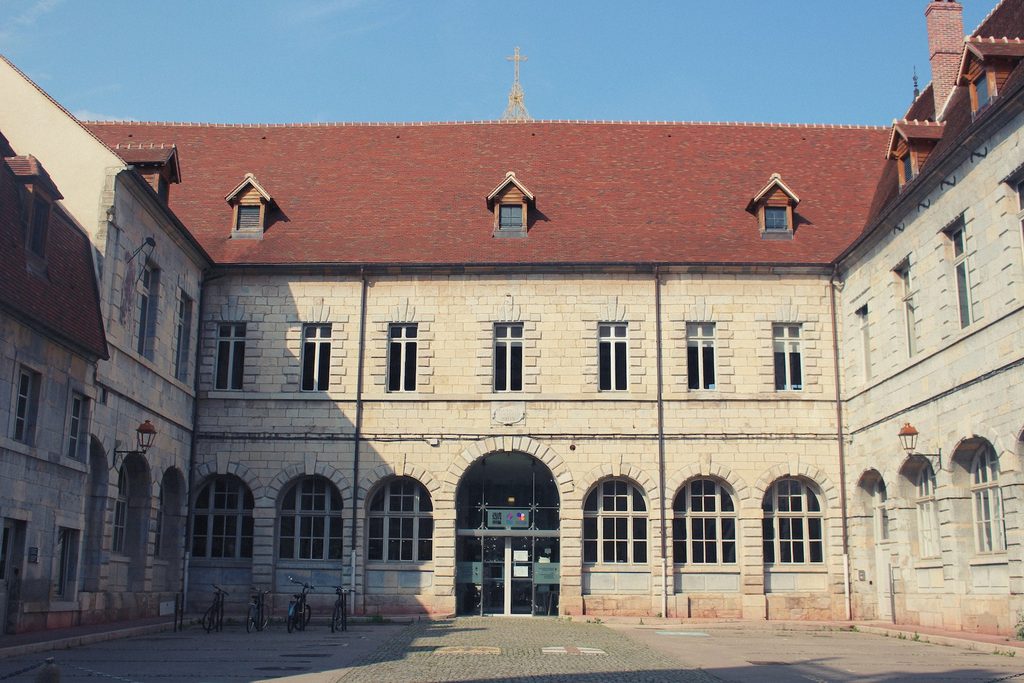
It’s worth taking a glance at this former hospital as you walk by, thanks to its 17th-century façade and striking roof, covered in Burgundian-style tiles. While the hospital is no longer in operation, its apothecary has been maintained and can be visited through guided tours organised by the Besançon Tourist Office.
27. Ancienne arsenal d’artillerie (Former Artillery Arsenal)
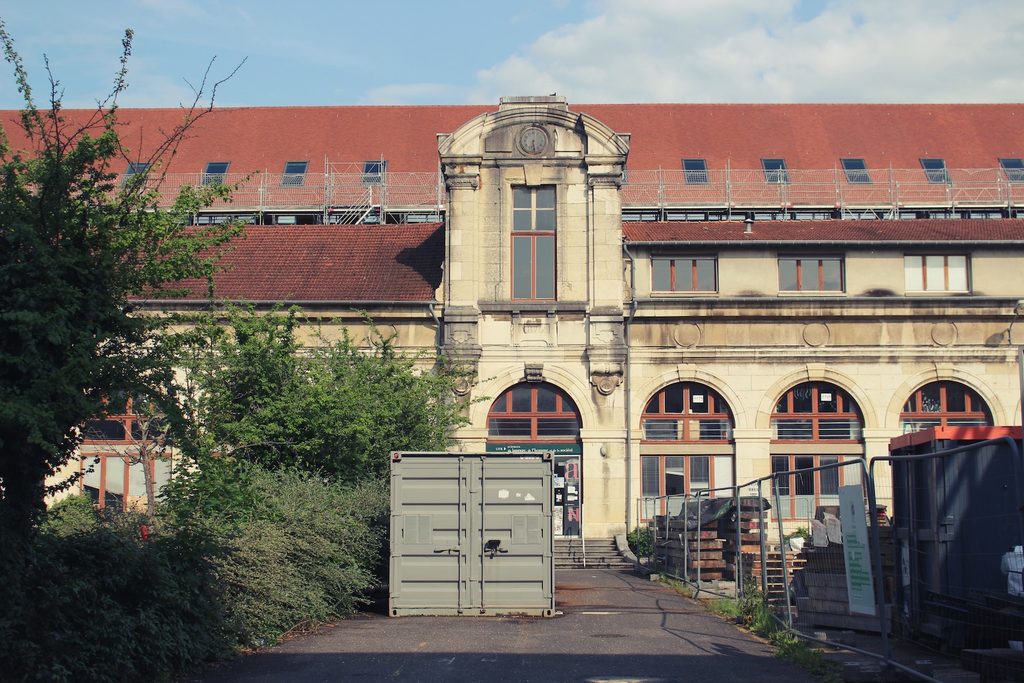
This 19th-century arsenal complex is located across the road from the Ancien Hôpital Saint-Jacques (Former Saint Jacques Hospital) and was originally designed for military storage. It was later transformed into a university campus, and part of it is now being redeveloped.
Day trips from Besançon
- Besançon is about an hour by train from Dijon, which is located in the historic region of Burgundy and is the largest city in the Bourgogne-Franche-Comté region.
- Dole, the birthplace of Louis Pasteur and Laughing Cow cheese, is about half an hour away from Besançon by train.
- Beaune, also known as the wine capital of Burgundy, is about 1 hour 30 minutes to 1 hour 45 minutes by train from Besançon.

Comments are closed.