
When I was eight or nine, I received an Asterix comic book for Christmas, but I never managed to get into it. The English translation was clunky, and all the historical references flew over my head. The only two things I took away from that reading experience were Obelix’s origin story and that menhirs existed.
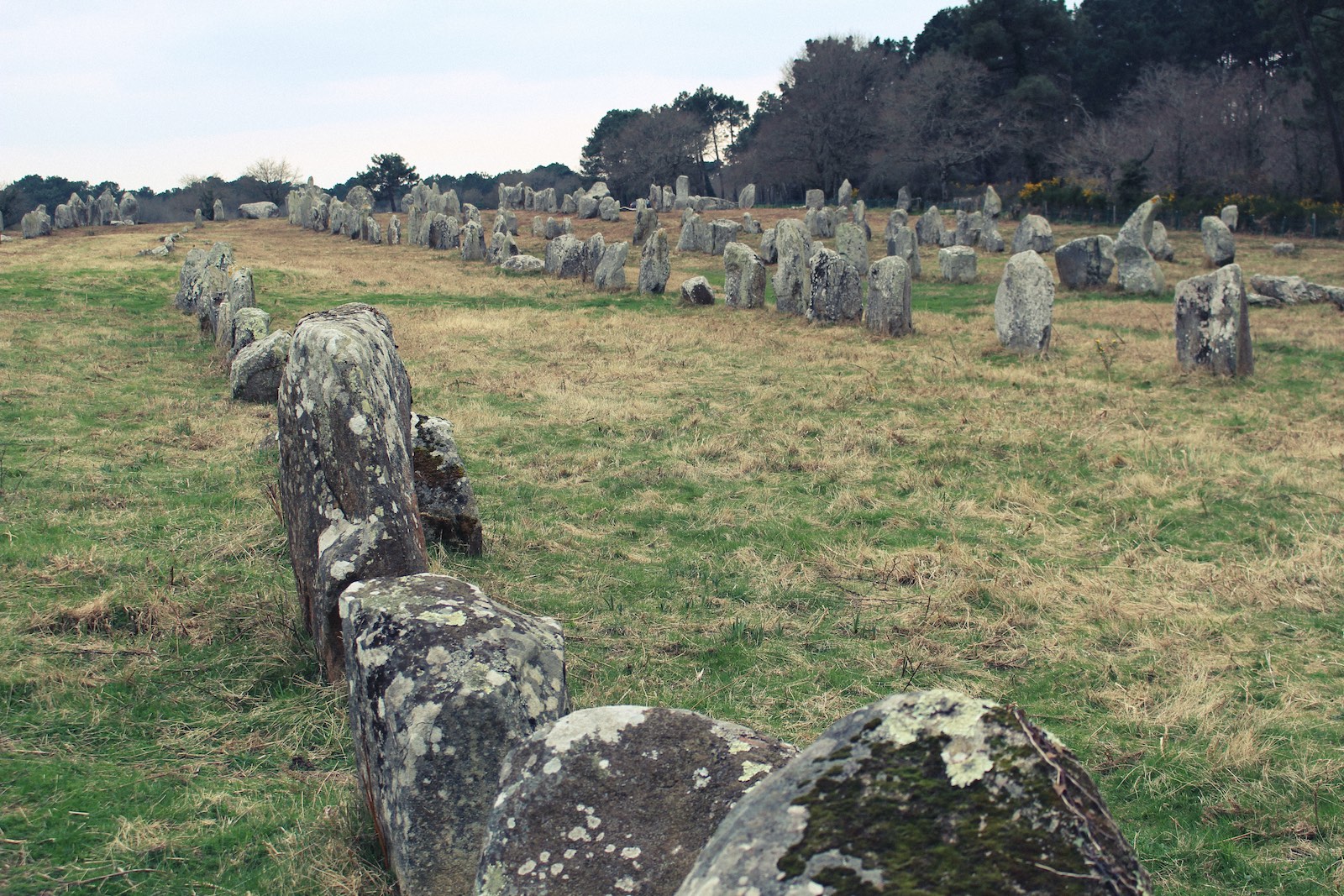
That brings me to Carnac, a town in the Morbihan department of Brittany. It just so happens that Carnac is home to the largest concentration of menhirs in the world, so much so that they are a UNESCO World Heritage Site.
These standing stones are shrouded in mystery, which is part of their appeal. Nobody knows exactly why they were erected between 4500 and 3300 BC, although there has been much speculation.
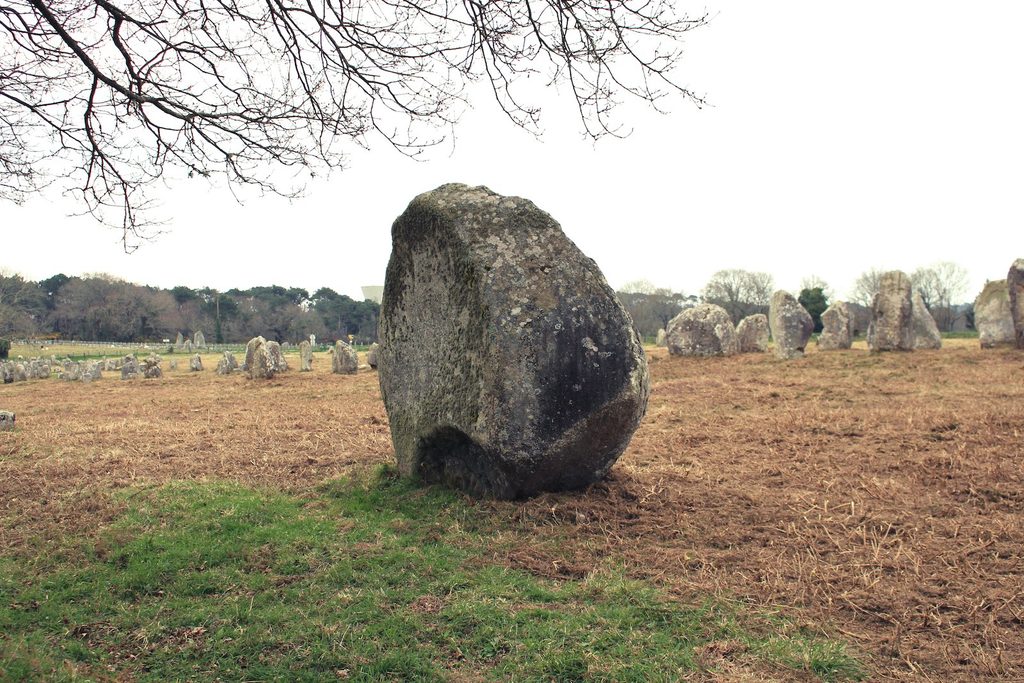
You’d think that visiting megaliths would require hardcore trekking or at least a car. But no, the surprising thing is, you can explore most of Carnac’s key megalithic sites on foot.
While admiring the megaliths is a must for most visitors, you might be wondering what to do in Carnac itself. The town is worth a visit and even has its own beaches, so I’ve included some of the top sights in Carnac on this list.
Table of Contents (click to view)
- Where to stay in Carnac
- How to get to Carnac by public transport
- Do you have to pay to see the Carnac megaliths?
- 8 things to do in Carnac, France
- 1. Alignements de Carnac (Alignments of Carnac)
- 2. Tumulus Saint-Michel (Saint Michel Tumulus)
- 3. Fontaine Saint-Michel (Saint Michel Fountain)
- 4. Église Saint-Cornély (Saint Cornély Church)
- 5. Musée de Préhistoire (Museum of Prehistory)
- 6. Chapelle de Saint-Colomban (Saint Colomban Chapel)
- 7. Marché de Carnac (Carnac Market)
- 8. Beaches of Carnac
- Other things to do near Carnac, France
Where to stay in Carnac
- Hotel with a view – Hotel Restaurant Spa du Tumulus Carnac is located next to the spectacular Tumulus Saint-Michel and offers views of the sea. It also has amenities like a big garden, restaurant and outdoor swimming pool.
- Hotel in the city centre – Hôtel Les Alignements Carnac is centrally located and also has a highly-rated in-house restaurant. This is a good option if you’re mainly in Carnac to see the megaliths.
- Hotel and spa by the beach – Le Celtique & Spa enjoys a great location just 50 m from the beach and is one of the most reputable establishments in town, with a hammam and sauna.
How to get to Carnac by public transport
There is no direct train to Carnac. To get to Carnac by public transport, you should first take the train to the Gare d’Auray (Auray Train Station), which is the nearest train station to Carnac.
If you have the time, you might want to explore Auray before catching the bus to Carnac, or even spend the night there, as it’s considered one of Brittany’s most beautiful towns.
From the Auray train station, there are several BreizhGo buses you can take to Carnac, the most convenient being 619, which drops you off at the bus stop Illertissen.
But you should know that buses in Brittany can be infrequent and inconvenient, so check the bus schedule online and/or check with staff when you reach the Auray train station.
Do you have to pay to see the Carnac megaliths?
There is some confusion around whether the Carnac standing stones are free to visit.
During high season, roughly from April to September, some of the major alignments are only accessible via a guided tour that can be booked through the tourist office of Carnac.
That said, access is typically restricted by nothing more than a low fence erected around the site. Those with a ticket can enter the fenced area and walk among the megaliths, but there is nothing stopping you from admiring them from the outside.
Outside of high season, some of the sites may be accessible for free. But note that the municipality may close them for conservation work or just on a whim.
In any season, the paths around the megalithic alignments are free. So long as you don’t feel the need to walk right up to the stones, you can technically explore most of the sites for free.
Personally, I have been to Carnac off-season multiple times and have never paid for a guided visit, but I’ve never felt that this limited my enjoyment of the sites.
8 things to do in Carnac, France
Obviously, most people go there to see the megaliths, by far the top thing to do in Carnac. This guide explains how to visit the Carnac standing stones and also highlights a few other things to do in Carnac.
1. Alignements de Carnac (Alignments of Carnac)
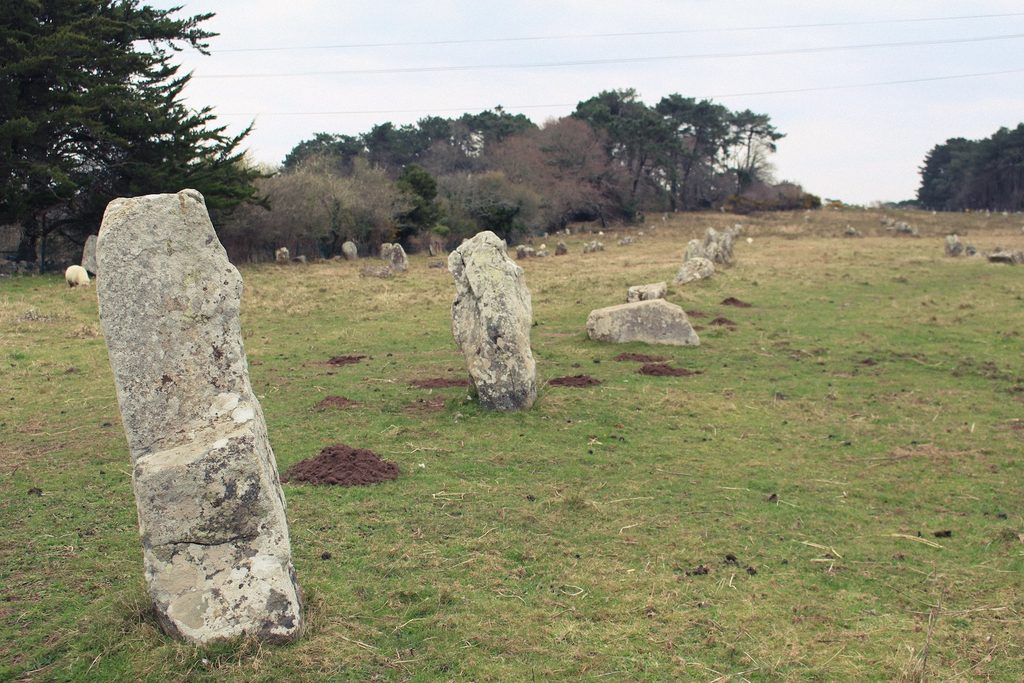
Visiting the megaliths is one of the top things to do in Carnac. But the sites are vast and spread out over a large area. If you don’t know where to start, you’ve come to the right place!
So, how do you visit the Carnac standing stones on foot without following a guided tour?
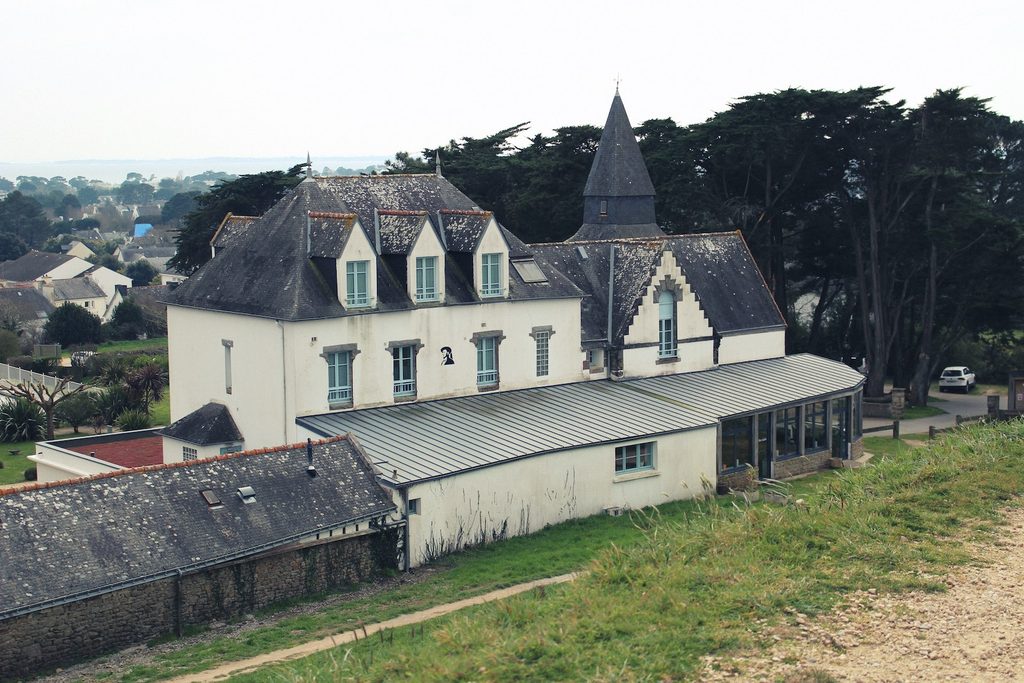
If you want to arrange a guided visit or read up about the megaliths, you should start at the Maison des Mégalithes (House of the Megaliths), a stone’s throw from the very first megalithic alignment on our list.
Otherwise, proceed directly to the starting point for your visit to the megaliths of Carnac: Le Ménec Alignments at the intersection of Rue du Ménec, Route de Pen er Lann and Rue de Courdiec.
From there, you can explore the sites in the following order:
- Alignements du Ménec (The Ménec Alignments)
- Alignements de Kermario (Kermario Alignments) (20-minute walk from #1)
- Le Manio (The Manio) (18-minute walk from #2)
- Géant du Manio (Giant of the Manio) (9-minute walk from #3)
- Alignements de Kerlescan (Kerlescan Alignments) (10-minute walk from #4)
- Alignements du Petit Ménec (Little Ménec Alignments) (11-minute walk from #5)
The French names of all the above sites can be found on Google Maps. The entire hike will take you from east to west in a fairly straight line.
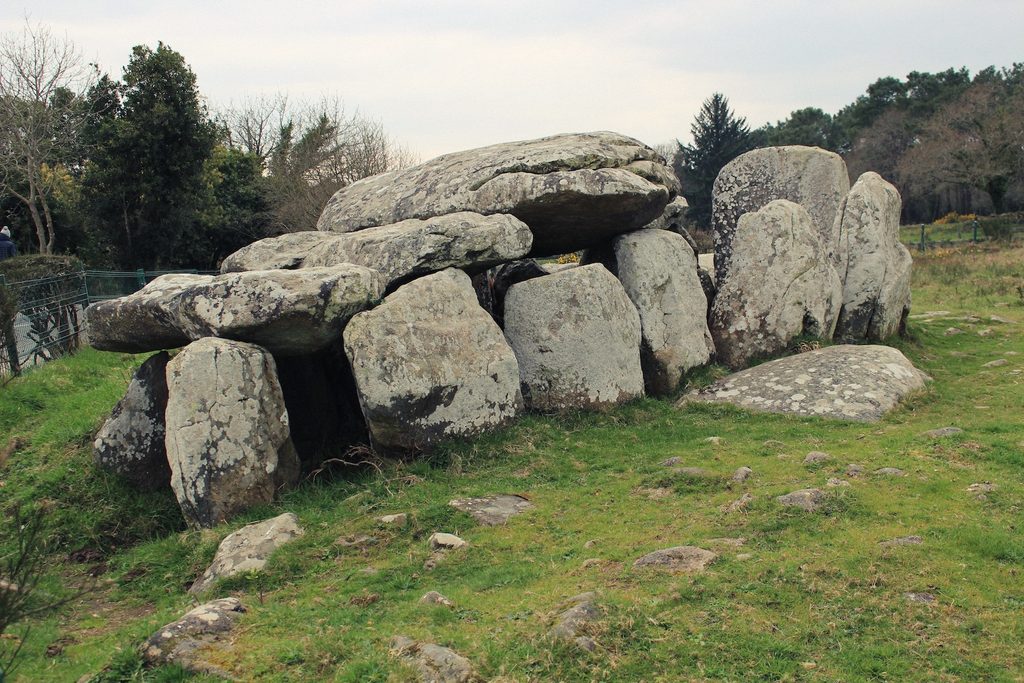
If you visit all of the above in that order, including the detour to the Géant du Manio (Giant of the Manio), you’ll cover about 5 km on foot.
Realistically speaking, you should allow about two to three hours to complete the entire walk, and then about an hour to walk 4 km back to town from the Alignements du Petit Ménec (Little Ménec Alignments).
Of course, there is nothing wrong with just seeing a few alignments and then calling it a day, which is what most visitors do! Tailor the trip to your interests and fitness levels. There are also random menhirs and other megaliths scattered around town, so don’t hesitate to wander around.
2. Tumulus Saint-Michel (Saint Michel Tumulus)
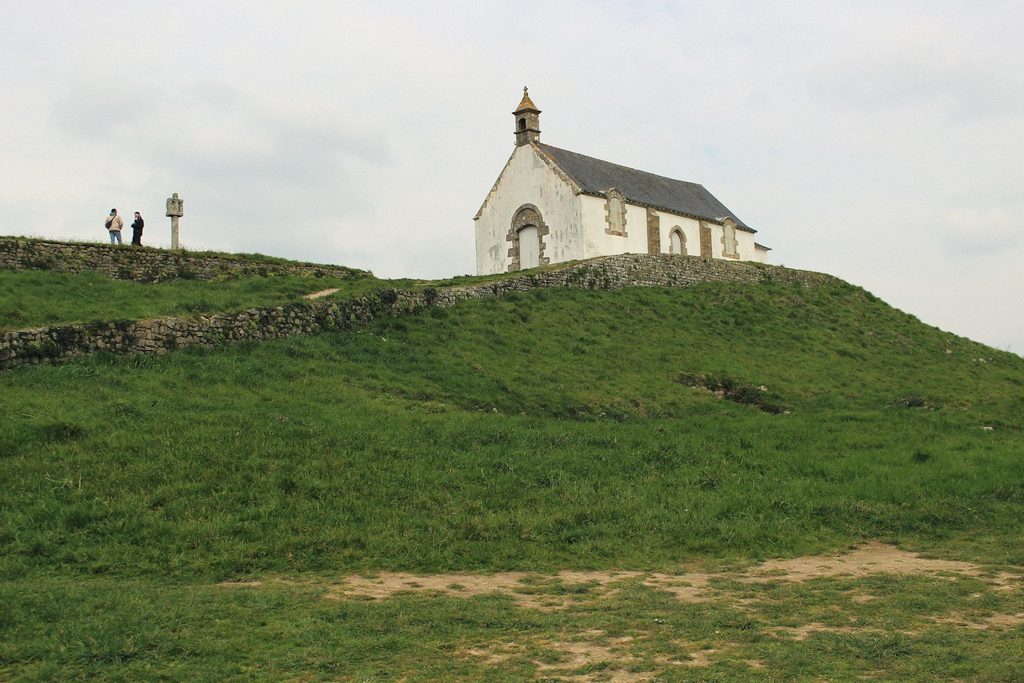
The Tumulus Saint-Michel (Saint Michel Tumulus) looks like a hill, but it’s actually a gigantic prehistoric burial mound dating back to about 4500 BC. Building something so monumental must have been an extraordinary feat at the time!
The tumulus was built to house the remains of one or several people, surely of high social status. The location of the tumulus was no accident, either–it stood at the highest point in the area. Whoever was buried there had to be pretty damn important!
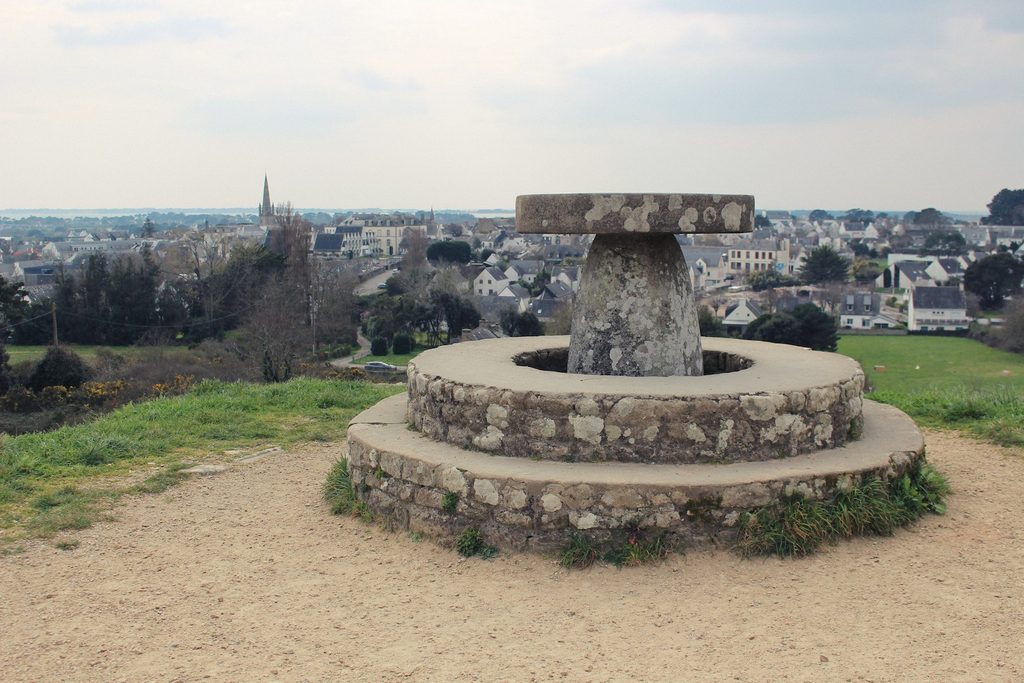
The interior of the tumulus is now closed for safety reasons, but you can still climb up to the summit and enjoy aerial views over Carnac.
There is a chapel at the top of the tumulus called Chapelle Saint-Michel de Carnac (Saint Michel Chapel of Carnac), but it is obviously way more recent, having been built in 1926 on the site of three earlier buildings, the first of which dated back to the sixth century.
3. Fontaine Saint-Michel (Saint Michel Fountain)
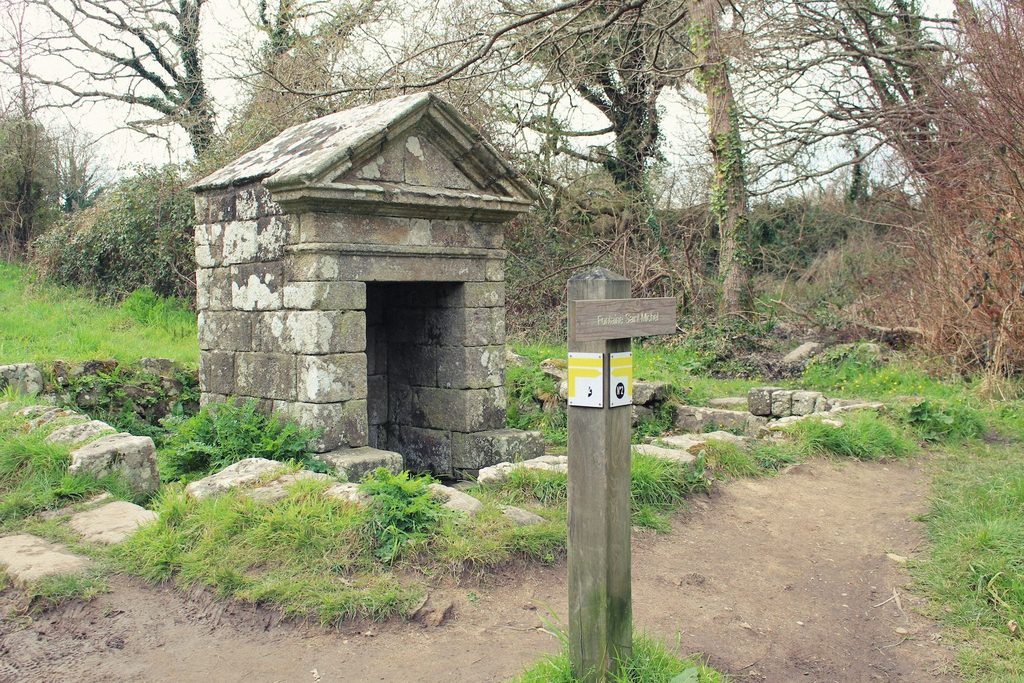
Near the base of the Tumulus Saint-Michel (Saint Michel Tumulus) stands an 18th-century devotional fountain built over a sacred spring.
In the past, women whose husbands were out at sea would climb up to the tumulus and sweep in the direction from which they wished the wind to blow. They would then climb down, pray at the Fontaine Saint-Michel (Saint Michel Fountain) and drink the water from its spring.
4. Église Saint-Cornély (Saint Cornély Church)
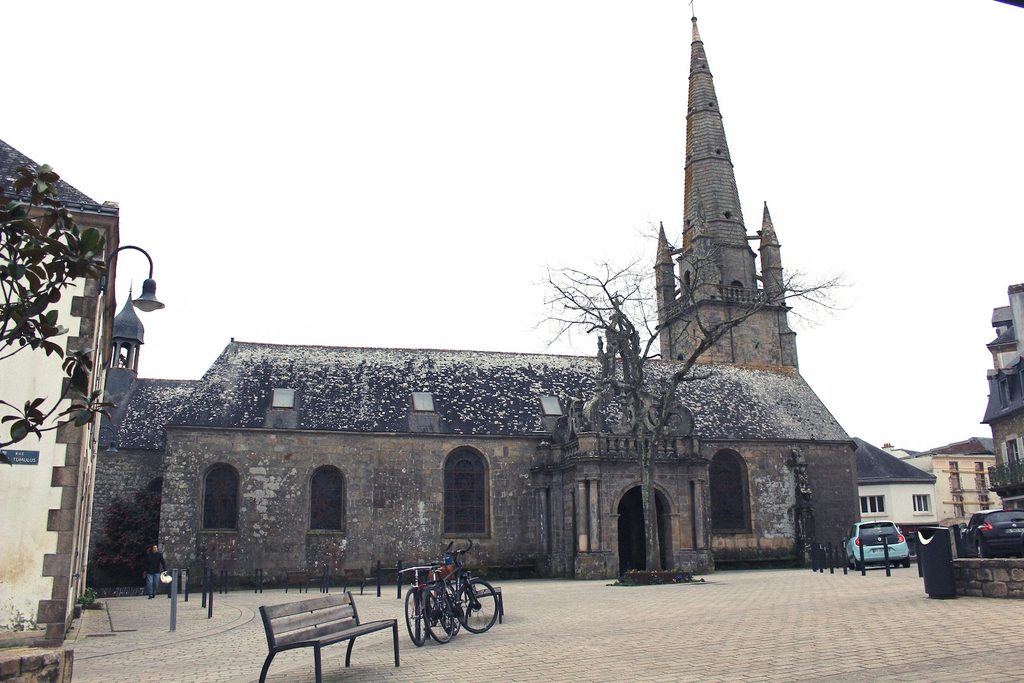
This Renaissance church was built between the 17th and 18th centuries in a style popular in the region at the time, giving it a distinct Breton look.
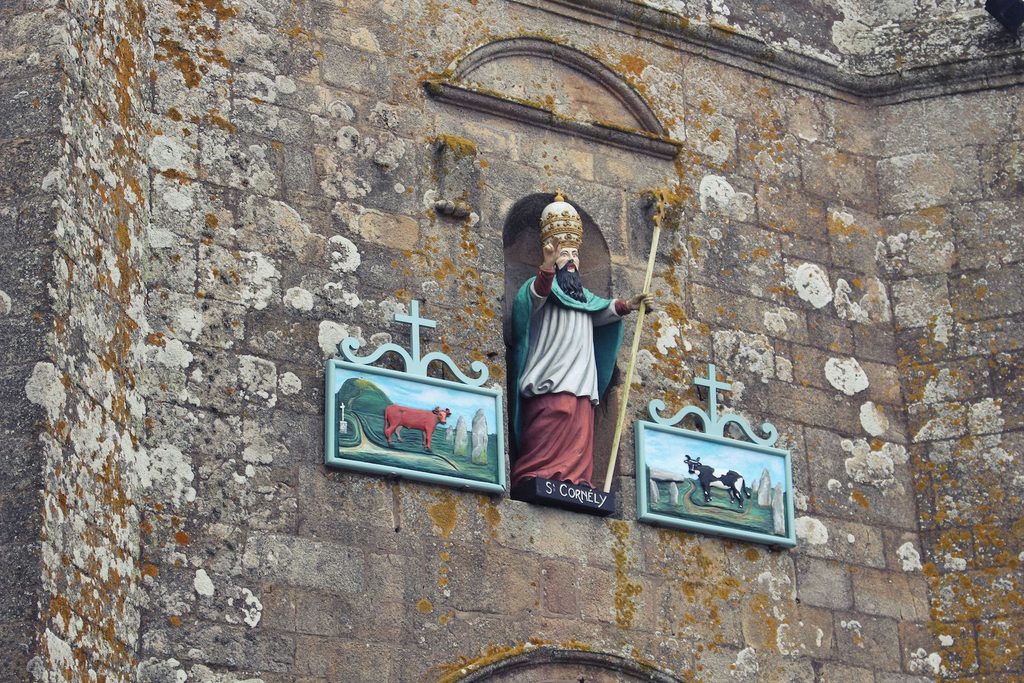
Saint Cornély, to whom the church is dedicated, is the patron saint of cattle and domestic animals, reflecting the importance of agriculture to the town. Look out for his statue in a niche on the façade, flanked by two naïve art paintings depicting cattle among megaliths.
5. Musée de Préhistoire (Museum of Prehistory)
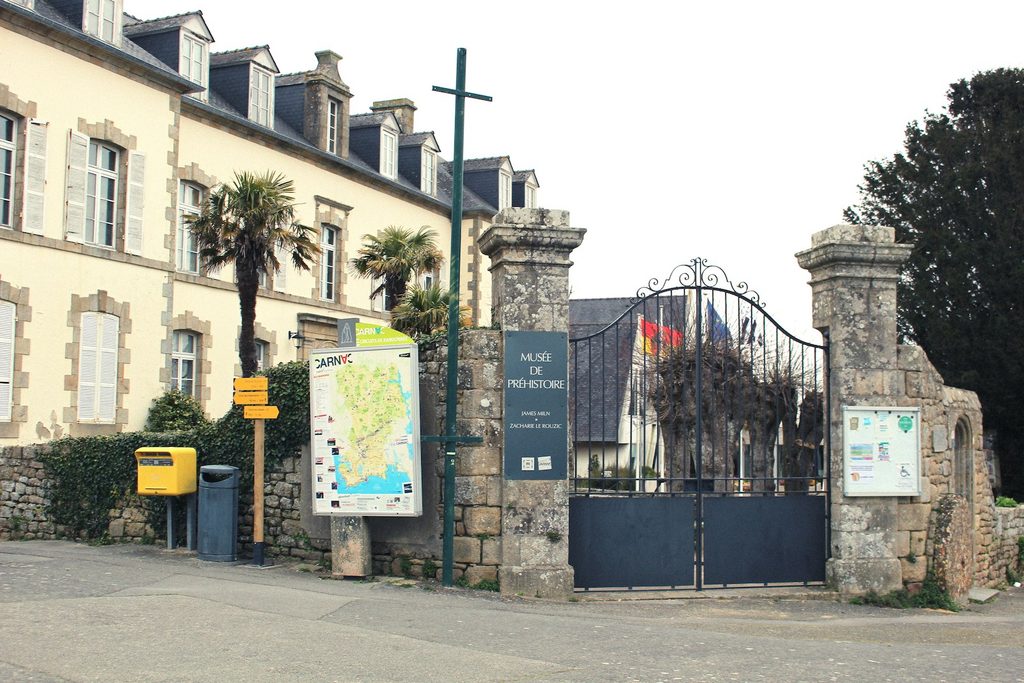
Continue exploring prehistory at this museum, which displays artefacts from Carnac and the surrounding region dating from the Palaeolithic period to the Iron Age.
The museum sheds light on what life was like during the Neolithic, from about 4900 BC to 2200 BC, the period in which the megalithic alignments were erected. You’ll get an idea of what a rich and powerful settlement Carnac was at the time.
6. Chapelle de Saint-Colomban (Saint Colomban Chapel)
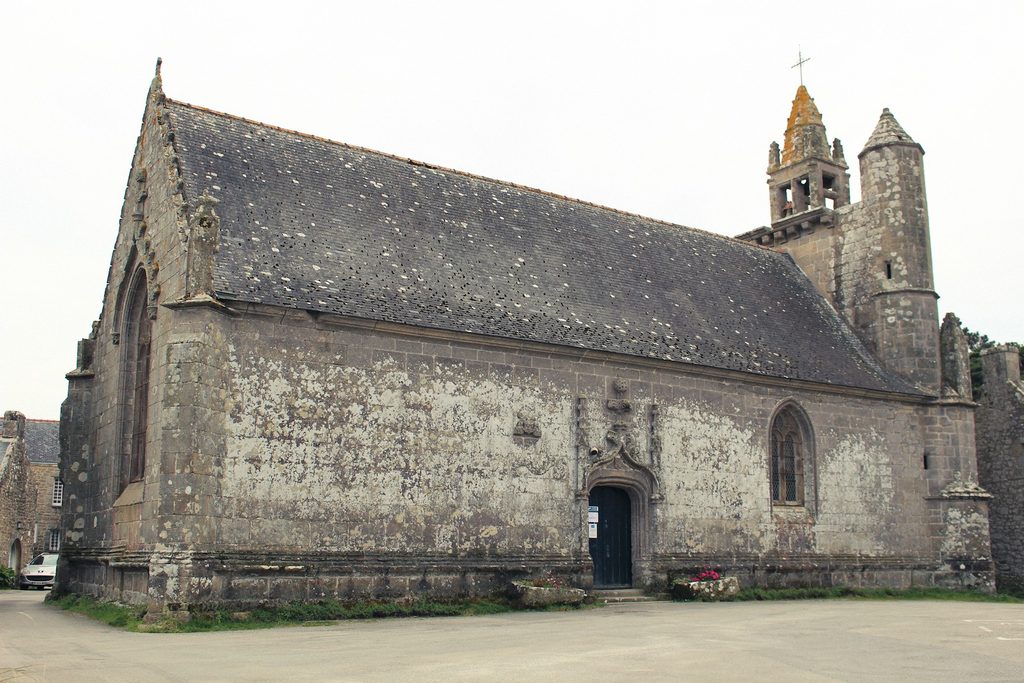
This flamboyant Gothic chapel dates back to the late 16th century and is located in the hamlet of Saint-Colomban about a half-hour walk from Carnac town centre.
It is dedicated to Saint Colomban, an Irish monk who travelled through eastern France to convert pagans, but who, as far as historians know, never actually came to Carnac.
7. Marché de Carnac (Carnac Market)
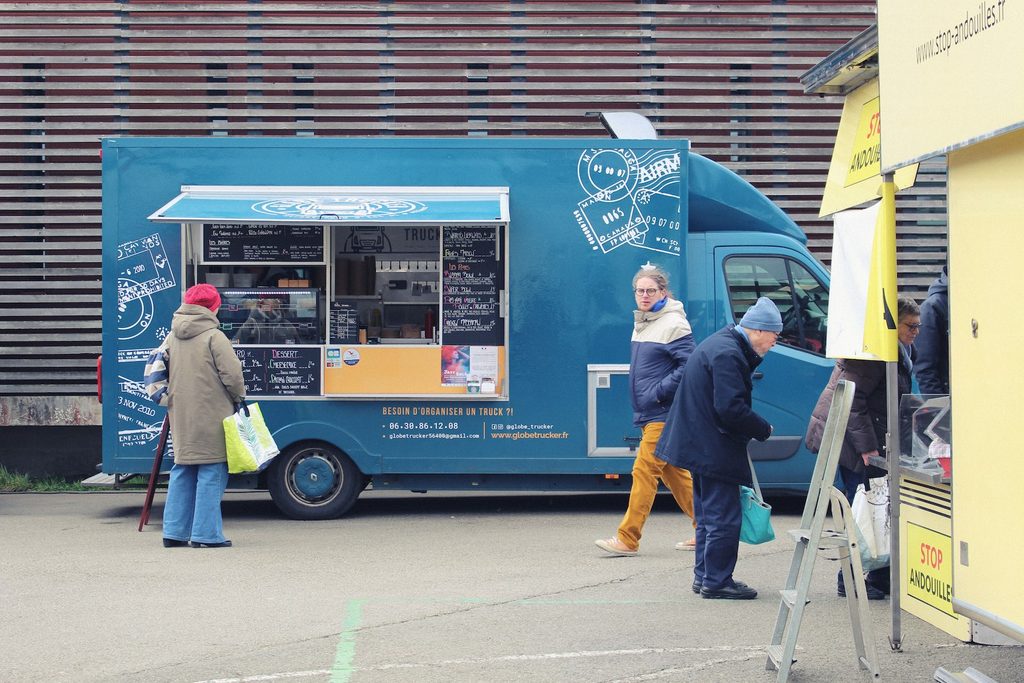
Carnac’s local market takes place at Place Saint-Fiacre in the centre of town on Wednesday and Sunday mornings until about lunchtime.
The otherwise sleepy town comes alive as locals flock to the market’s produce stalls and food trucks. If you happen to be in Carnac on market day, it’s a good place to grab an affordable meal.
8. Beaches of Carnac
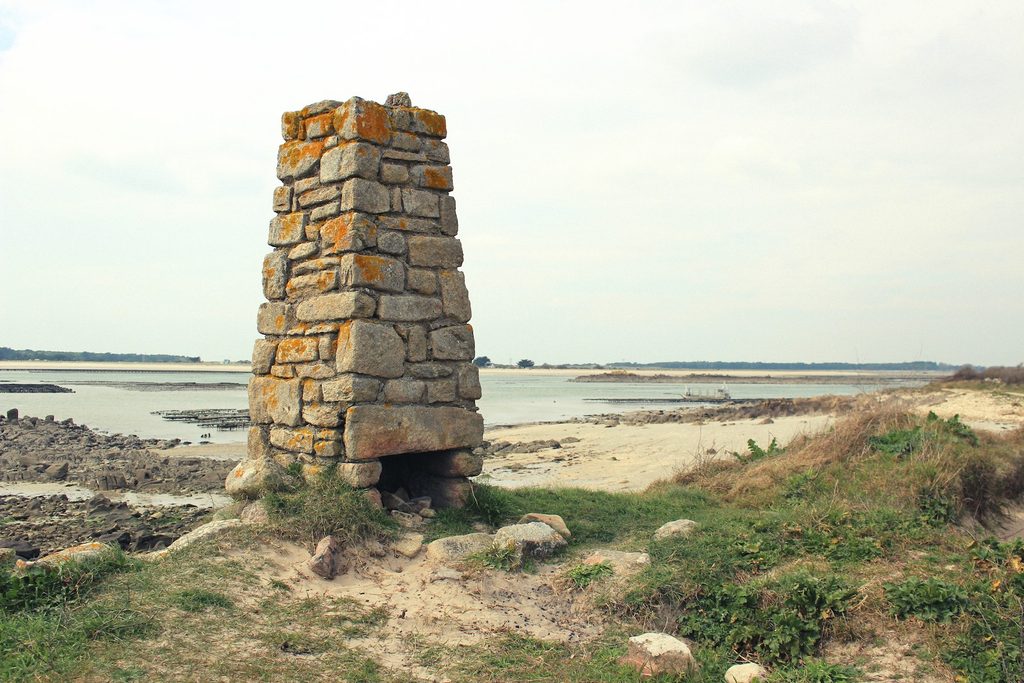
You might never guess, but Carnac also has several beaches and is a popular seaside destination, with several hotels and resorts serving the seaside area.
The five beaches in Carnac are as follows:
- Grande Plage de Carnac (Big Beach of Carnac) – This is the biggest and most popular beach (pictured), and also where you’ll find most of the hotels and seaside resorts in Carnac.
- Plage de Saint-Colomban (Saint Colomban Beach) – Located in the hamlet of Saint-Colomban in the west of Carnac, this beach is popular for watersports like windsurfing and sailing.
- Plage de Ty Bihan (Little House Beach) – This beach overlooks the Baie de Quiberon (Quiberon Bay), has gentle waters and is popular with families with kids.
- Plage de Légenèse (Légenèse Beach) – This beach is also popular with families thanks to its child-friendly amenities.
- Plage de Beaumer (Beaumer Beach) – This beach has calm waters and is popular for shore fishing due to high numbers of shellfish.
Other things to do near Carnac, France
- Auray is about 40 minutes away by bus and is considered one of Brittany’s most beautiful medieval towns.
- Quiberon, a major seaside resort destination on the Presqu’île de Quiberon (Quiberon Peninsula), is about a half-hour drive away from Carnac.
- Vannes, the largest city in the Morbihan department, is a half-hour drive away or about 1 hour 15 minutes away by train and bus.
- Lorient, famous for the Lorient Interceltic Festival, is about 40 minutes away by car or 1 hour 15 minutes away by bus and train from Carnac via Auray.

Comments are closed.