
There are lots of other things to do in Dax, but hot springs are the main reason many people come here. And I don’t blame them.
Soaking in a hot spring is one of the most decadent experiences you can have in this day and age. You can’t scroll on your phone, check the news or even make small talk. All you can do is sit there.
Dax is France’s biggest thermal spa town. This town in the Landes department in the region of Nouvelle-Aquitaine is located in an area with deep geological faults. The groundwater gets heated inside the earth and then rises to the surface, creating mineral-rich hot springs.
The ancient Romans were quick to identify Dax’s potential as a thermal spa town. They named it Aquae Tarbellicae and started developing a city that was poised to take advantage of the springs.
It actually rains quite a lot in Dax, making the thought of soaking in a hot spring all the more appealing.
As a case in point, on my first visit to Dax, I spent the entire afternoon wandering solo in the pouring rain in waterlogged shoes. I then spent the next afternoon in a hot tub with two people I had just met. But that’s a story for another day!
Whether you’re here for the hot springs or just want to explore the second-largest city in the Landes, which also happens to be France’s second-largest administrative department, there are lots of things to do in Dax. Let’s get into it!
Table of Contents (click to view)
- Where to stay in Dax
- Is Dax worth visiting?
- 22 things to do in Dax
- 1. Source de la Nèhe (Spring of Nèhe)
- 2. Basilique gallo-romaine de Dax (Gallo-Roman Basilica of Dax)
- 3. Musée de Borda (Borda Museum)
- 4. Légionnaire et son chien (Legionnaire and his dog)
- 5. Cathédrale Notre-Dame de Dax (Dax Cathedral)
- 6. Enceinte gallo-romaine de Dax (Gallo-Roman ramparts of Dax)
- 7. Arènes de Dax (Dax Arena)
- 8. Balcon de l’Adour (Balcony of the Adour)
- 9. Pont Vieux de Dax (Old Bridge of Dax)
- 10. L’Atrium (The Atrium)
- 11. Le trou des pauvres (The hole of the poor)
- 12. Les Halles de Dax (Dax Market)
- 13. Bains Saint-Pierre (Saint Pierre Baths)
- 14. Place Thiers (Thiers Square)
- 15. Musée Georgette Dupouy (Georgette Dupouy Museum)
- 16. Parc botanique du Sarrat (Sarrat Botanical Park)
- 17. Église Saint-Vincent-de-Xaintes de Dax (Saint Vincent of Xaintes Church of Dax)
- 18. Parc des Arènes (Park of the Arena)
- 19. Monastère des Dominicaines de Dax (Dax Dominican Monastery)
- 20. Rue Neuve (New Street)
- 21. Bousquet et Compagnie (Bousquet and Company)
- 22. Espace Naturel de l’Étang de l’Estey (Natural Space of Estey Pond)
- Day trips from Dax
Where to stay in Dax
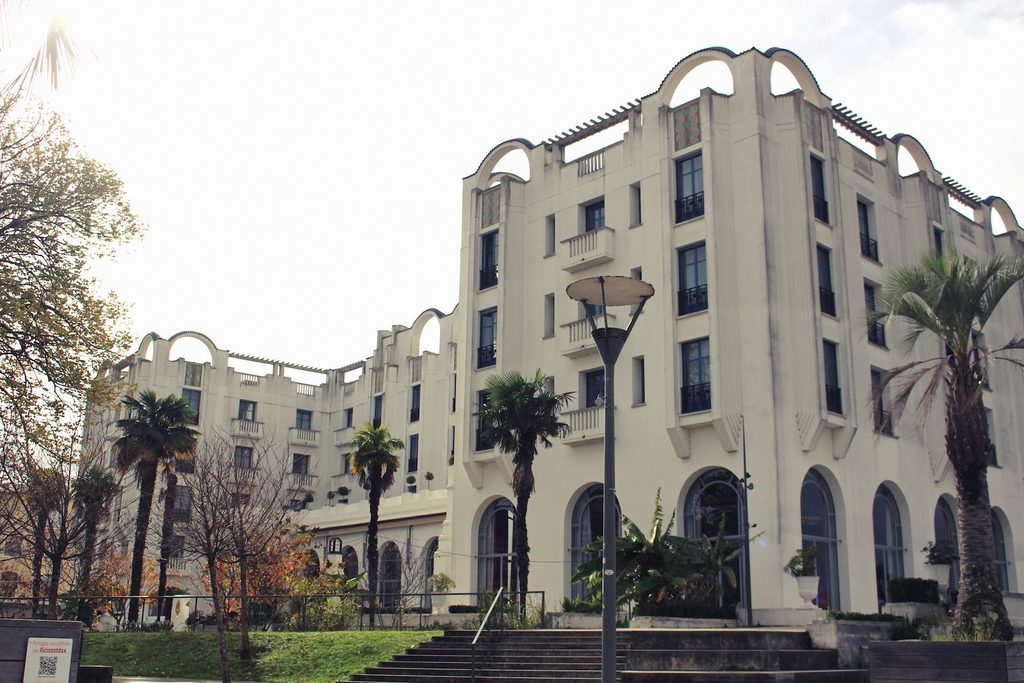
- Hotel with its own thermal pool – Hotel & Spa Vacances Bleues Le Splendid is housed in an Art Deco building in the centre of town and has its own spa with a private thermal pool.
- Hotel with a wellness centre – The Originals City, Hôtel Les Thermes de l’Avenue, Dax is centrally located and has a wellness centre with a pool, jet shower, sauna and hammam.
- One of the cheapest hotels in the city centre– Hôtel le Vascon is one of the most affordable hotels in Dax, all while being centrally located and offering lovely views of the famous Source de la Nèhe (Nèhe Hot Spring).
Is Dax worth visiting?
- France’s biggest thermal spa town – Dax is the biggest hot spring resort town in France, with a wide selection of thermal baths, spas and wellness treatments on offer.
- Rich in history – Historical traces abound in Dax, including Gallo-Roman ramparts and the well-preserved archaeological remains of a Roman basilica. The town is also home to a rich selection of Art Deco architecture.
- Gateway to the Landes department – Dax is the second largest city in the Landes department and offers insight into local culture in this part of southwest France, from cuisine to summer street festivals.
22 things to do in Dax
Wondering what to do in Dax besides soak in hot springs? There are plenty of traces from the Gallo-Roman period, as well as a rich present-day culture to explore.
I’ve tried to order this list in terms of importance to the first-time visitor. If you don’t have much time in Dax, I would concentrate on the first few items on the list.
1. Source de la Nèhe (Spring of Nèhe)
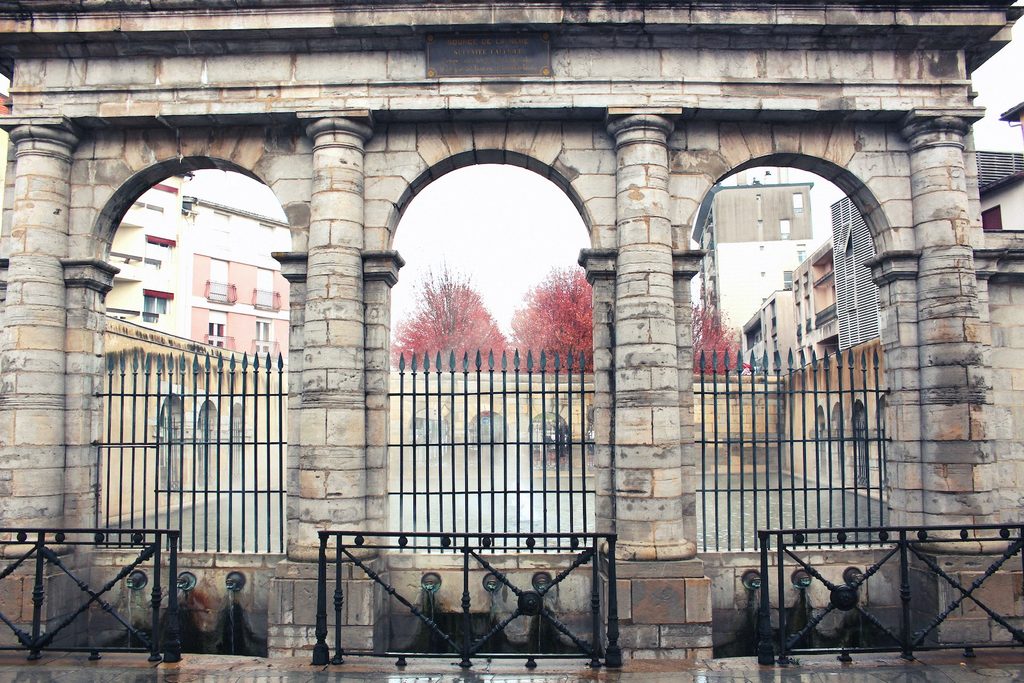
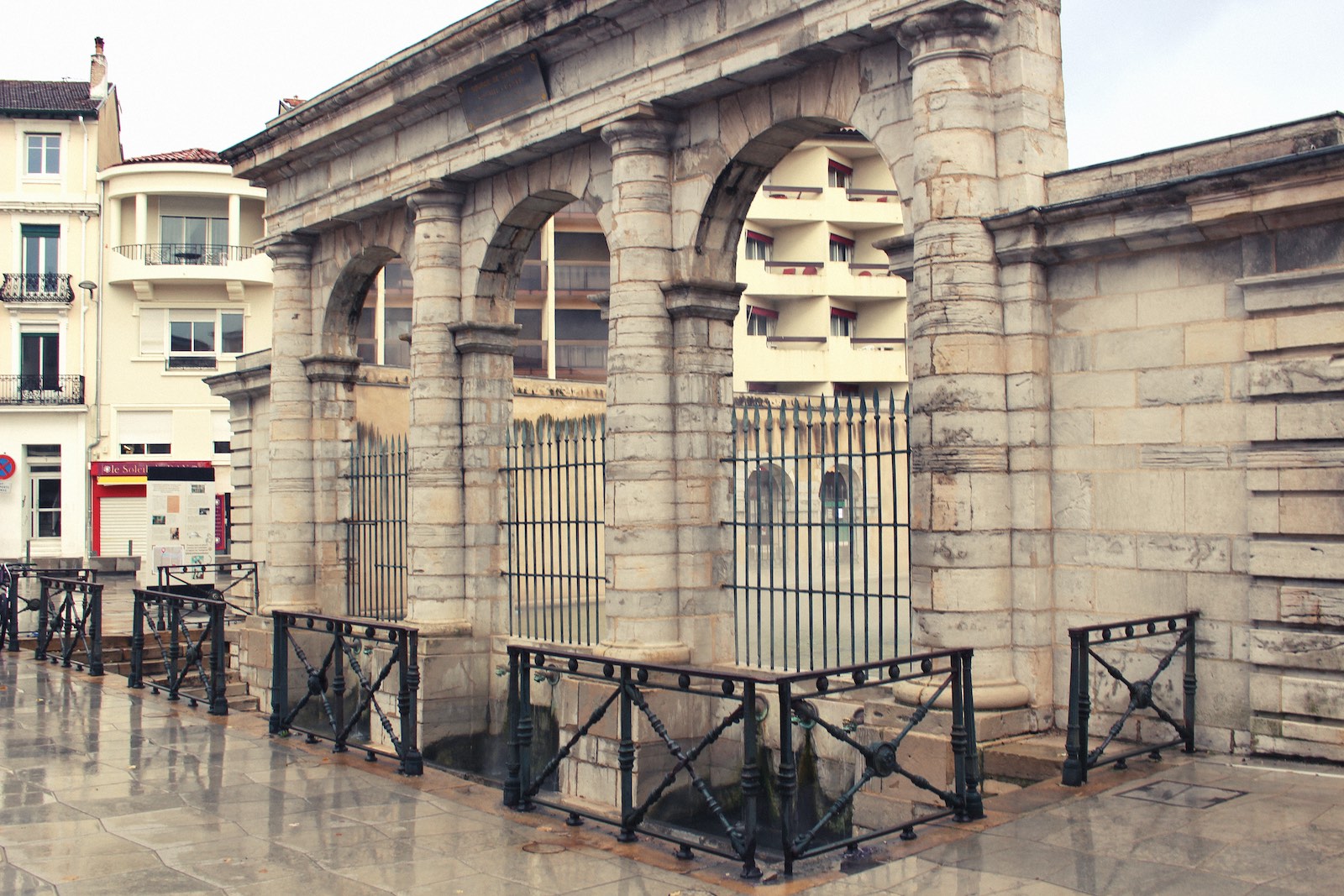
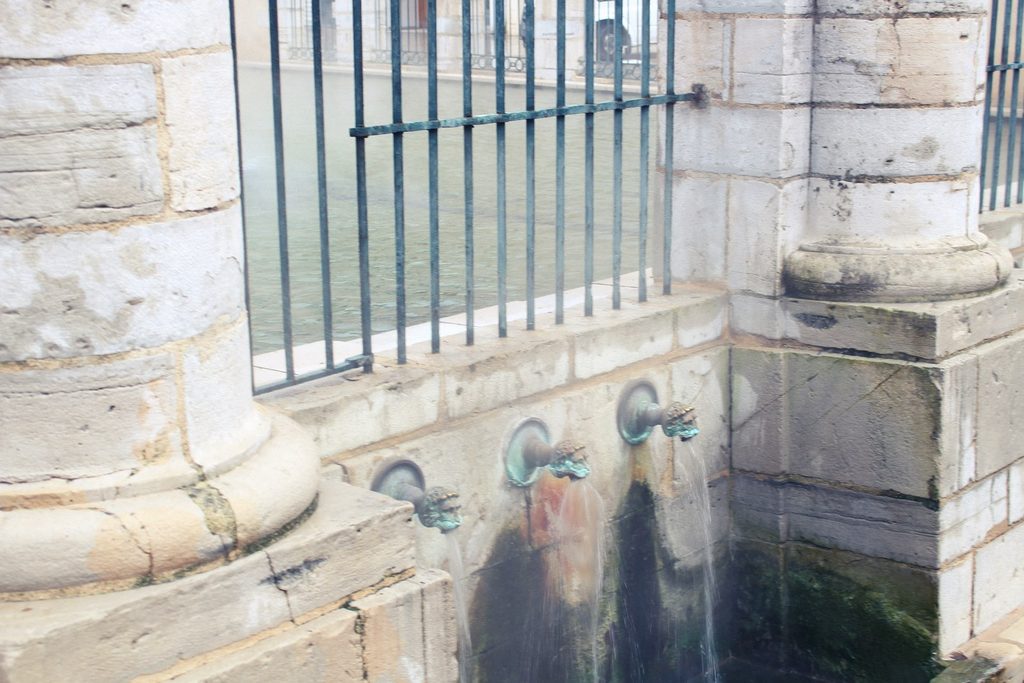
Place de la Fontaine Chaude is Dax’s most famous town square, and for a good reason. It is here that the Source de la Nèhe (Spring of Nèhe), also known as the Fontaine chaude (Hot Fountain), is located. Nèhe is a Celtic water goddess. This hot spring lets off steam all year round, giving the square a misty, otherworldly appearance.
The fountain was built from 1814 to 1818 on the site of older thermal baths dating back to the Roman period. The water is said to have healing properties and attracted people from neighbouring villages in Roman times.
2. Basilique gallo-romaine de Dax (Gallo-Roman Basilica of Dax)
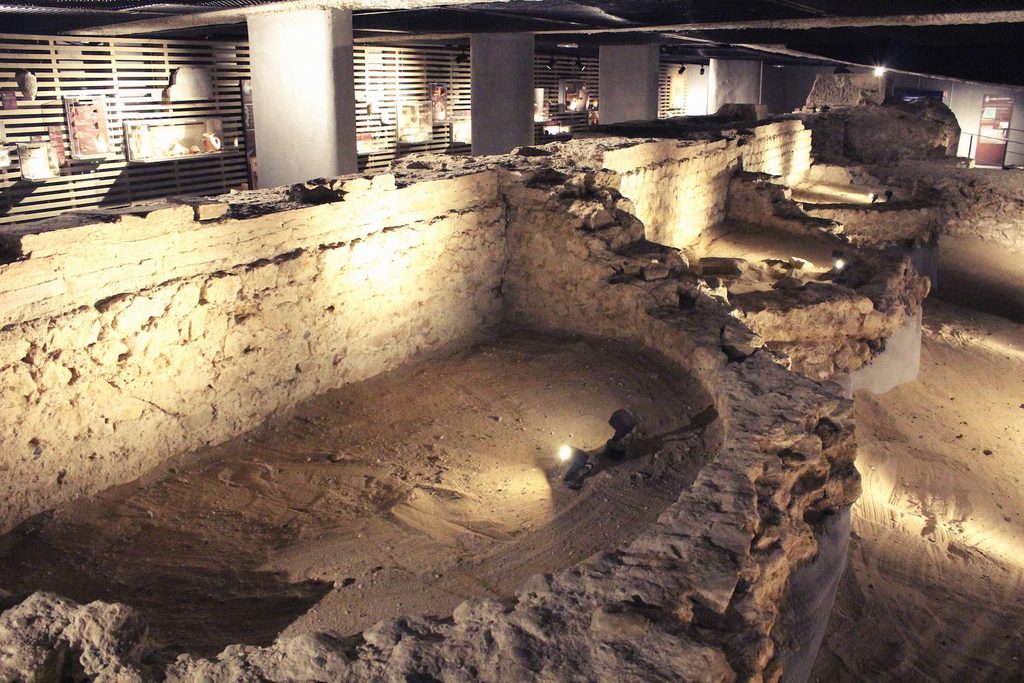
This basilica is an archaeological ruin located underground at 24 Rue Cazade. The exhibition space officially belongs to the Musée de Borda (Borda Museum) but is located at a separate site. A Musée de Borda (Borda Museum) entry ticket gives you admission to both the museum and the basilica.
The civil basilica served a variety of administrative, judicial and even commercial purposes. Visiting these underground ruins gives you an idea of what Dax, formerly called Aquae Tarbellicae, was like in Roman times.
3. Musée de Borda (Borda Museum)
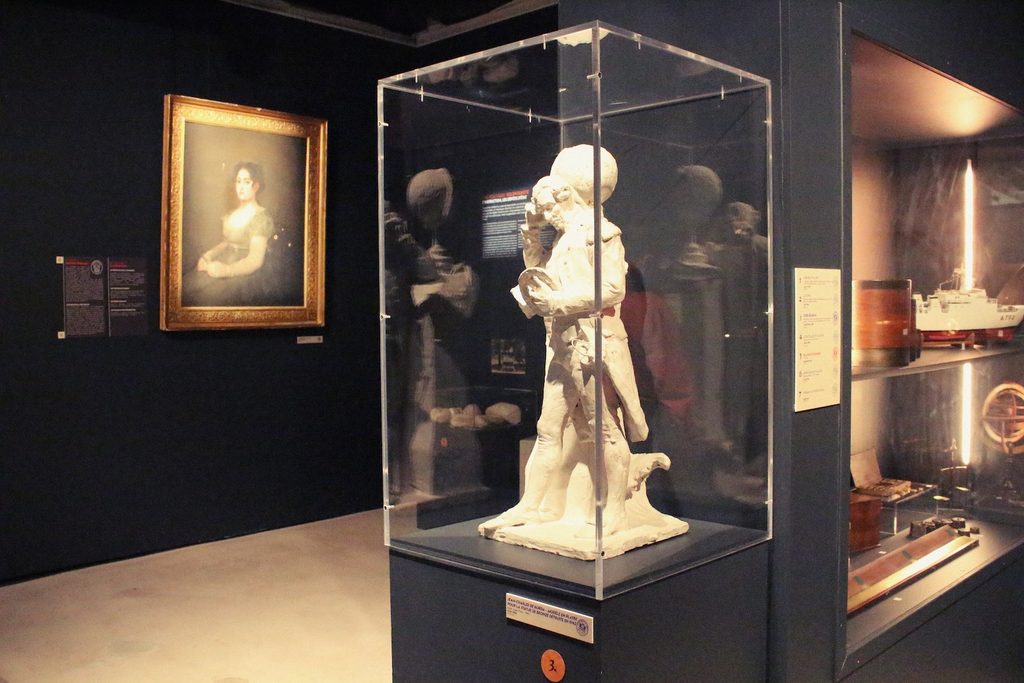
The main building of Dax’s biggest museum is at 11 bis Rue des Carmes. An entry ticket gives you access to both this building and the Basilique Gallo-romaine de Dax (Gallo-Roman Basilica of Dax).
The museum houses an eclectic collection of fine art, natural history, archaeology, science and ethnographical exhibits, so there’s something for everyone. Some of the more unique exhibits include those on bullfighting and traditional life in the Landes.
4. Légionnaire et son chien (Legionnaire and his dog)
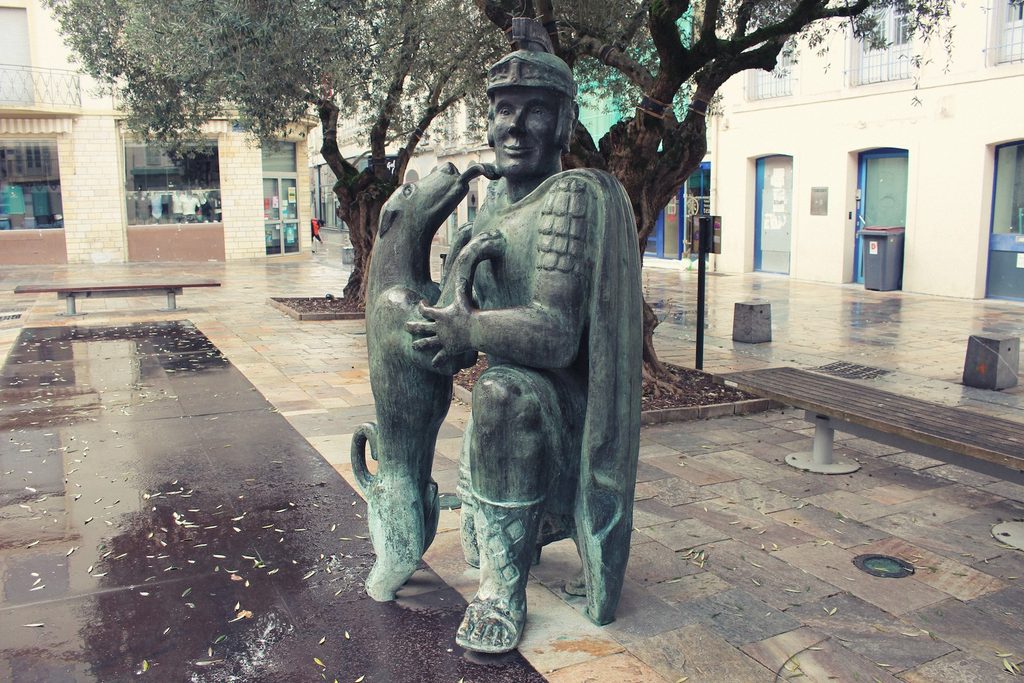
This statue of a Roman legionnaire and his dog has become a symbol of the town. Legend has it that there was once a Roman soldier who had an old dog plagued with rheumatism.
When the soldier was sent away on a tour of duty, he could not bring the dog with him. Tragically, the soldier decided to end the dog’s suffering by drowning it in the Adour River. However, upon his return, he was astonished to find his dog alive and in good health.
It turns out that the poor dog had floated down the river before reaching pockets of mineral-rich mud whose healing properties cured its rheumatism. According to the story, the discovery of the mud’s therapeutic properties led to the founding of Dax by the Romans.
5. Cathédrale Notre-Dame de Dax (Dax Cathedral)
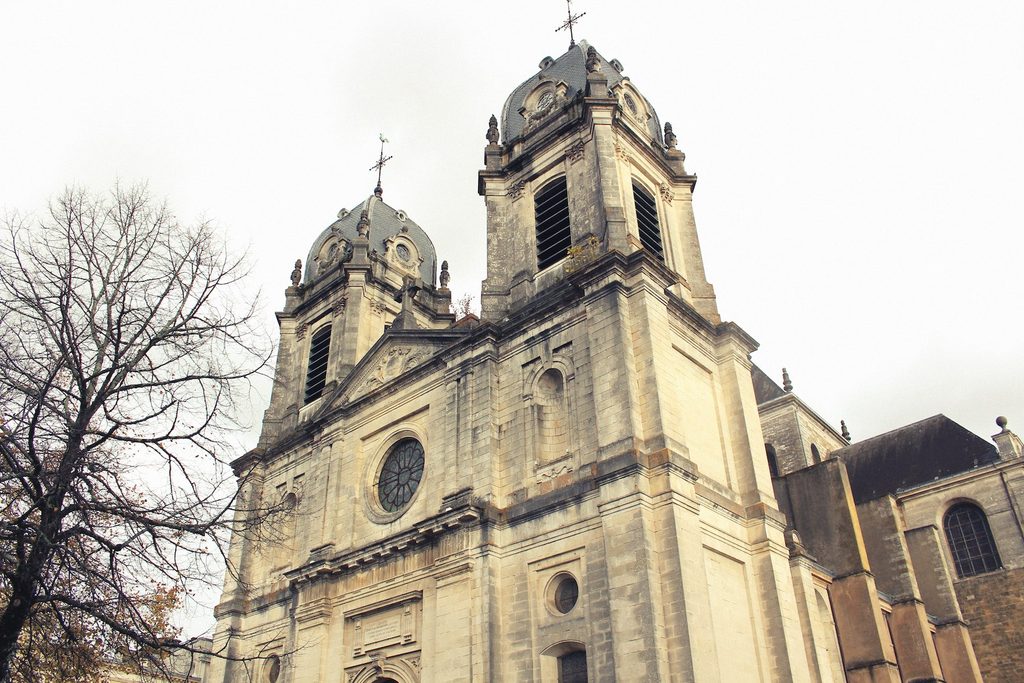
This imposing cathedral is one of Dax’s most recognisable landmarks. It was built on the site of a previous Gothic cathedral which collapsed in 1646. Construction on the present building began in 1694.
Today, all that remains of the earlier cathedral is the ornate Portal of the Apostles located in the north transept. Amazingly enough, this 12-m-tall portal was dismantled and reconstructed inside the building.
6. Enceinte gallo-romaine de Dax (Gallo-Roman ramparts of Dax)
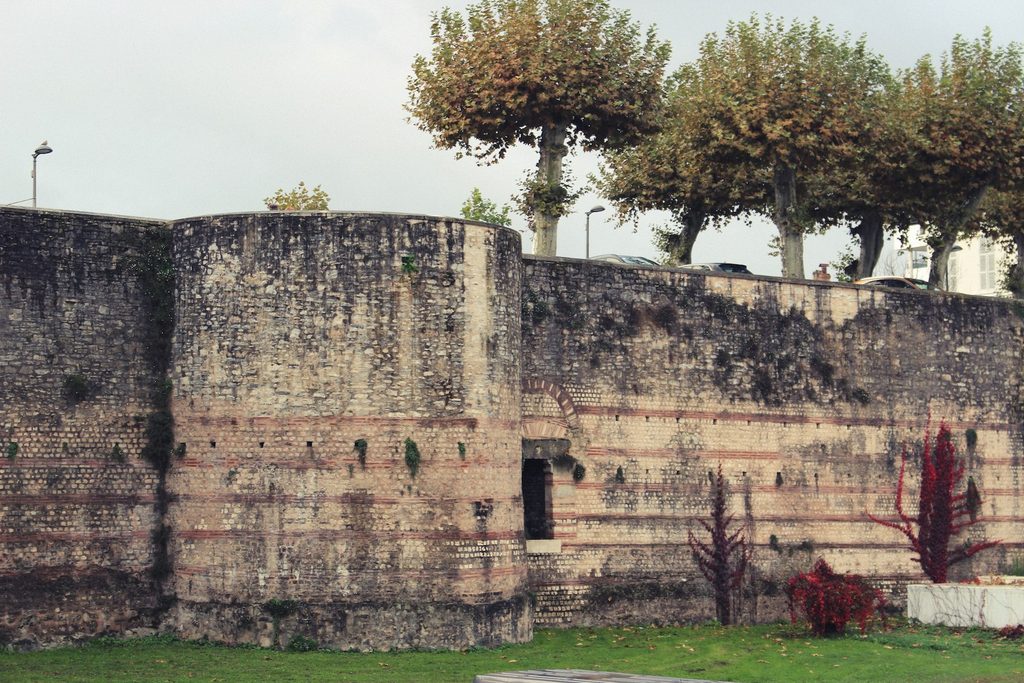
The ancient fortified city walls which protected the town during the Roman period still stand in various places in town today. They were built in the second half of the sixth century, measured about 1,465 m and enclosed an area of about 12.6 hectares.
The remains of the ramparts can be found in several spots in the city, but the best place to see a considerable length of well-preserved walls is along the Promenade des Remparts.
7. Arènes de Dax (Dax Arena)
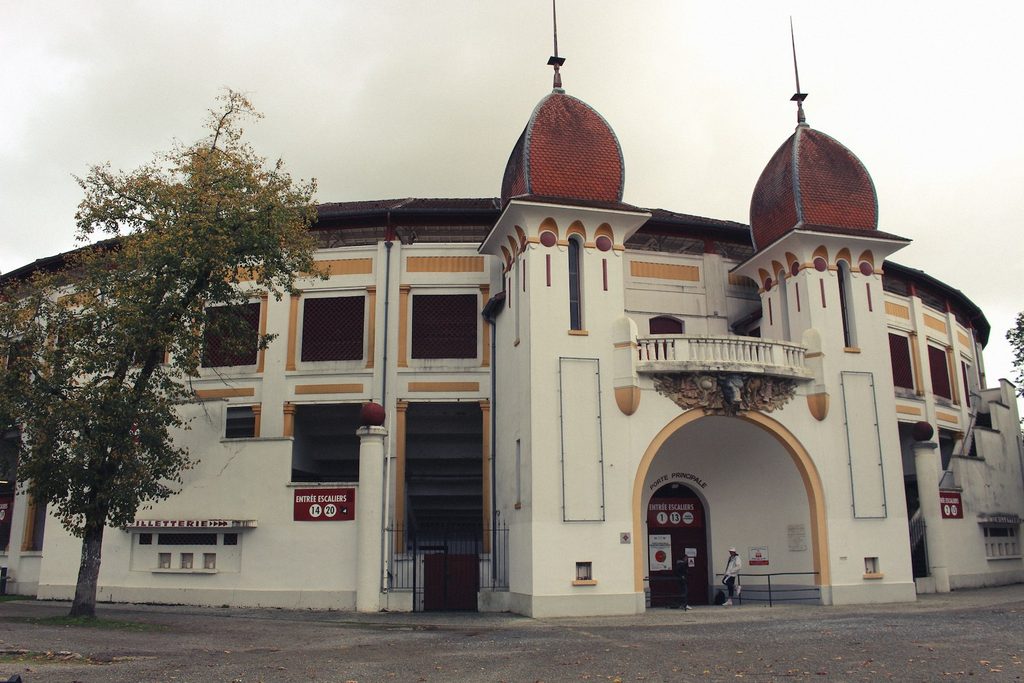
Bullfighting is still practised in parts of the southwest and southeast of France, as evidenced by the Arènes de Dax (Dax Arena). You do not have to support this practice to check out the exterior of the arena, a striking Andalusian-inspired building constructed in 1913.
Besides bullfighting, other events, such as the traditional course landaise (Landes race), are organised here. This is a show in which teams dodge and leap over charging cows and bulls.
8. Balcon de l’Adour (Balcony of the Adour)
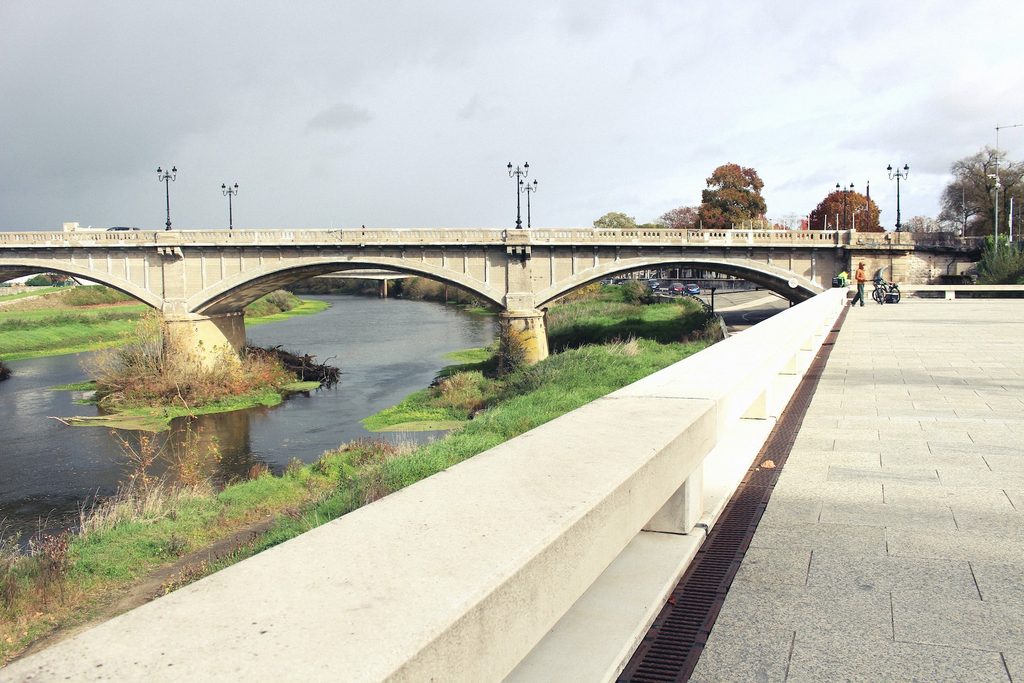
A stroll along the banks of the Adour River is a quintessential Dax experience, and one of the most scenic places to do so is the Balcon de l’Adour (Balcony of the Adour), a pedestrian walkway located on the banks of the river in the city centre.
9. Pont Vieux de Dax (Old Bridge of Dax)
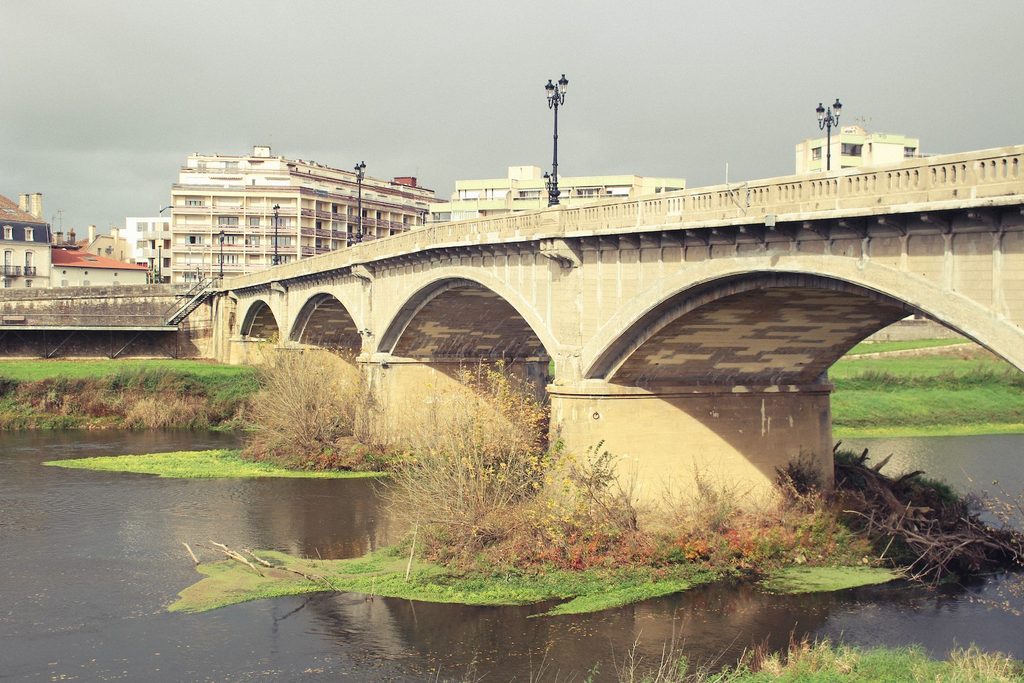
There are several bridges in Dax which cross the Adour River, but the Pont Vieux de Dax (Old Bridge of Dax) is the most iconic. It was built in 1857 on the site of a succession of earlier bridges, including a 16th-century stone bridge which was swept away by a flood in 1770. This gives us an idea of the strength of the river’s currents and the destructive power of its floods.
10. L’Atrium (The Atrium)
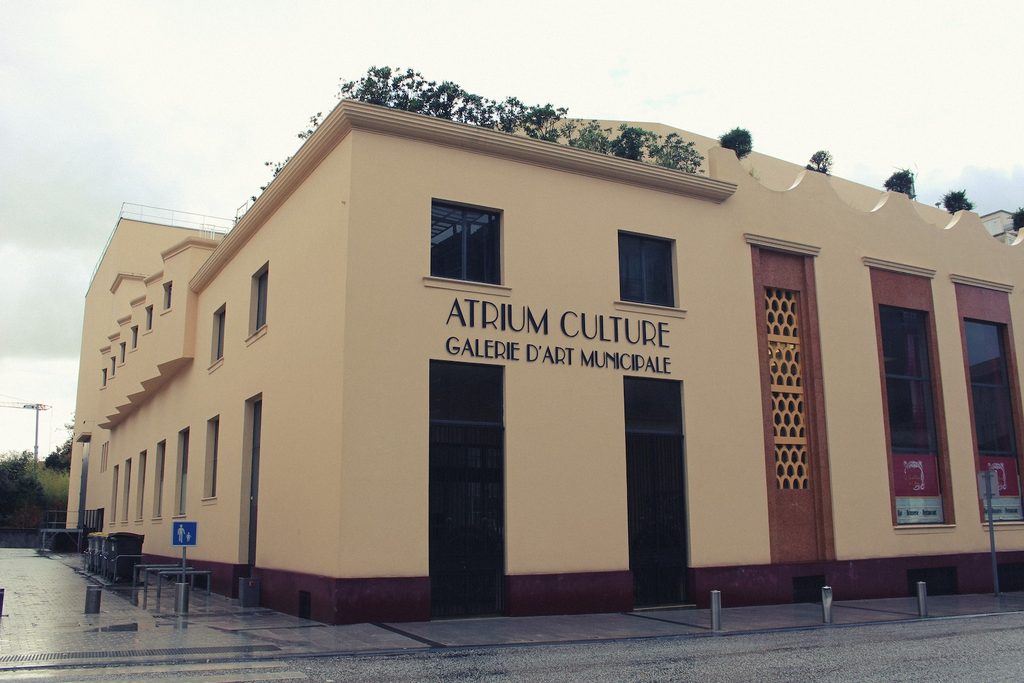
Dax is home to some beautiful examples of Art Deco architecture, and l’Atrium (The Atrium) is one of the most prominent examples, offering a glimpse of life in the 1920s when Dax was a chic spa town.
The building formerly housed a casino, ballroom, theatre and restaurant. These days, it is home to the Atrium Théâtre (Atrium Theatre), where a wide range of performances are staged, including plays and concerts. It is also home to Galerie Atrium Culture (Atrium Culture Gallery), a municipal art gallery that is free to visit.
11. Le trou des pauvres (The hole of the poor)
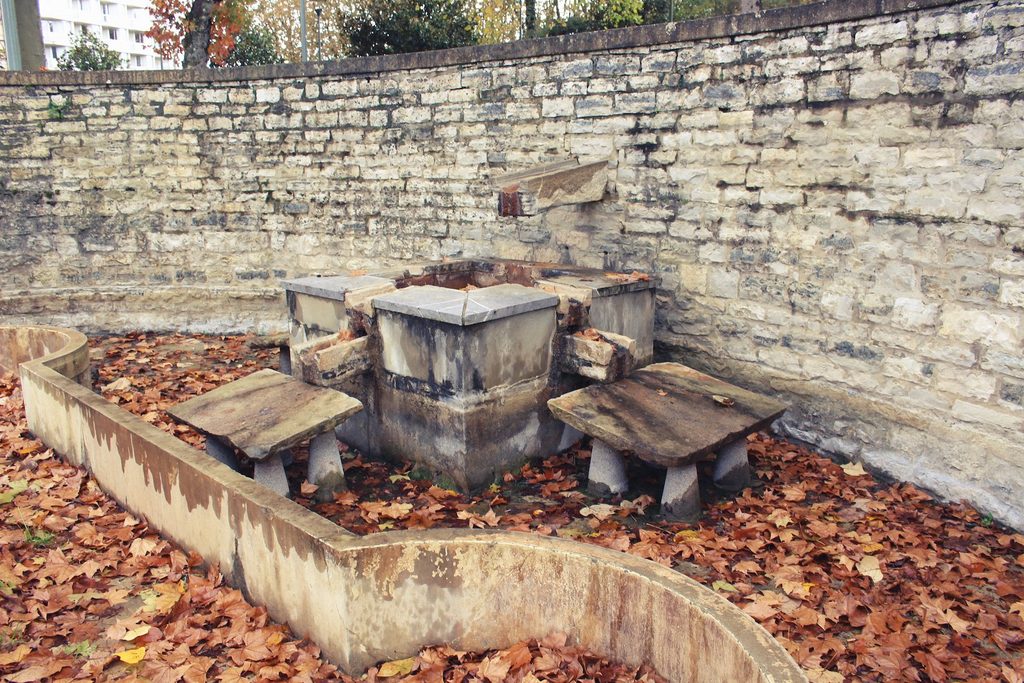
This historic site on the banks of the Adour is easy to miss but is worth the effort to find. It is a small outdoor spring where poor, sick people would go to soak in the hot, healing waters. The hot spring water would mix with silt deposited by the river to create a natural thermal mud bath that was said to cure rheumatism and other ailments.
12. Les Halles de Dax (Dax Market)
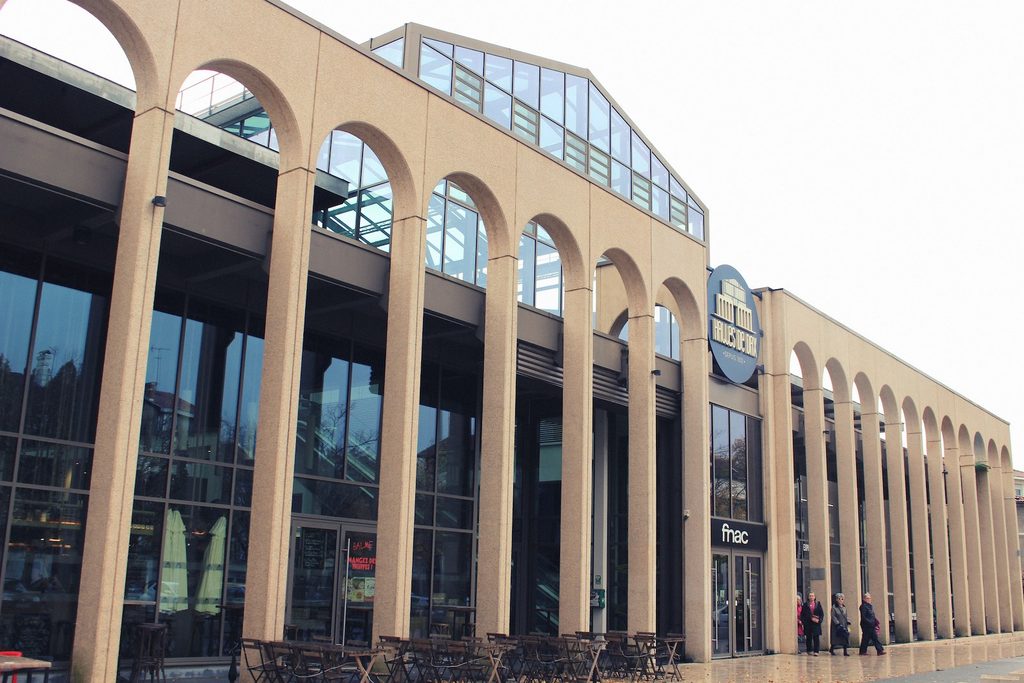
Dax’s covered market is home to a variety of stalls selling local produce and delicacies. There is also a restaurant located within the building. Local markets like this one are some of my favourite places to grab an inexpensive meal or snack.
13. Bains Saint-Pierre (Saint Pierre Baths)
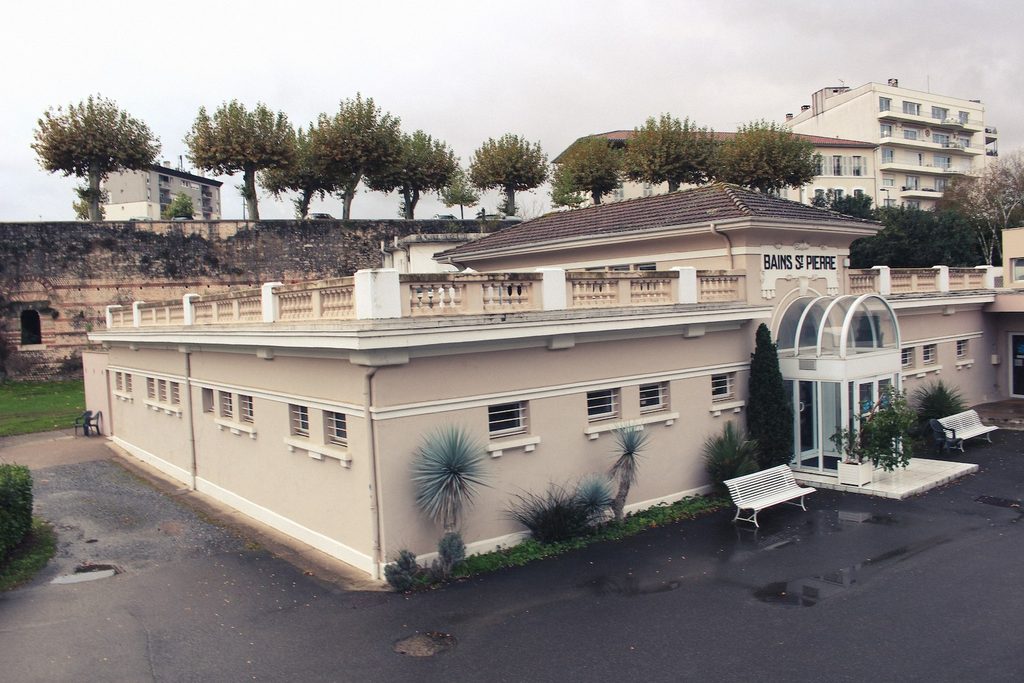
This is the oldest thermal establishment in Dax, having been in operation since 1854. The baths occupy a 1922 Art Deco building in a historic setting beneath the enceinte gallo-romaine de Dax (Gallo-Roman Ramparts of Dax). If you’re looking for a thermal bath or mud treatment for the first time, this is a stellar choice.
14. Place Thiers (Thiers Square)
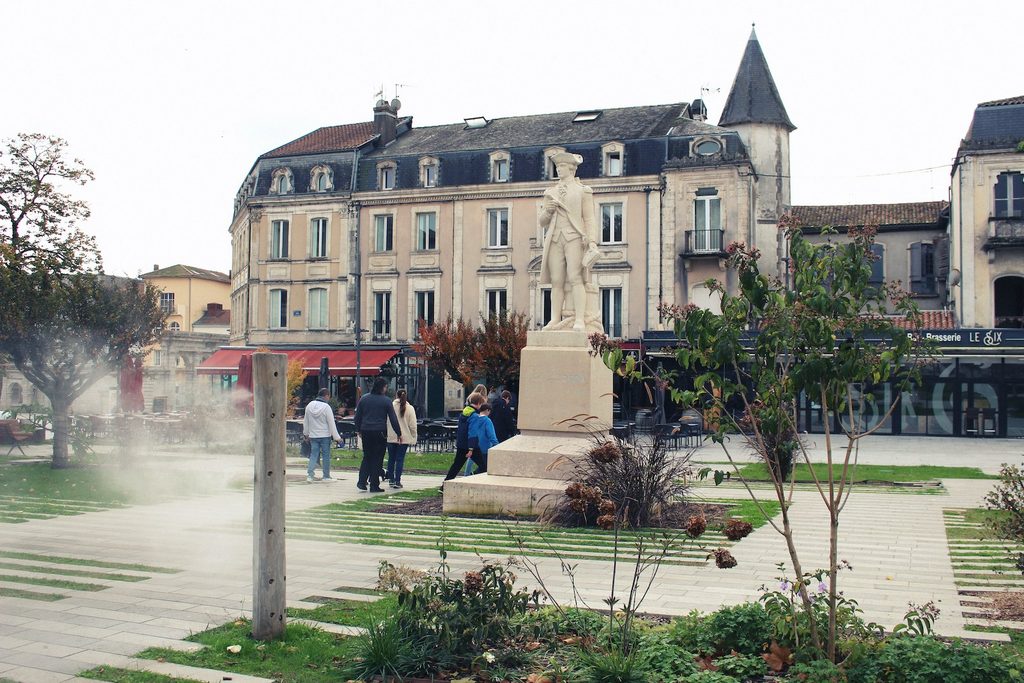
This town square is unique to Dax as it is equipped with misting devices that spray thermal water. When it is cold, the water turns into steam, creating a unique atmosphere! After a 2025 renovation, the square is now home to some greenery and seating.
15. Musée Georgette Dupouy (Georgette Dupouy Museum)
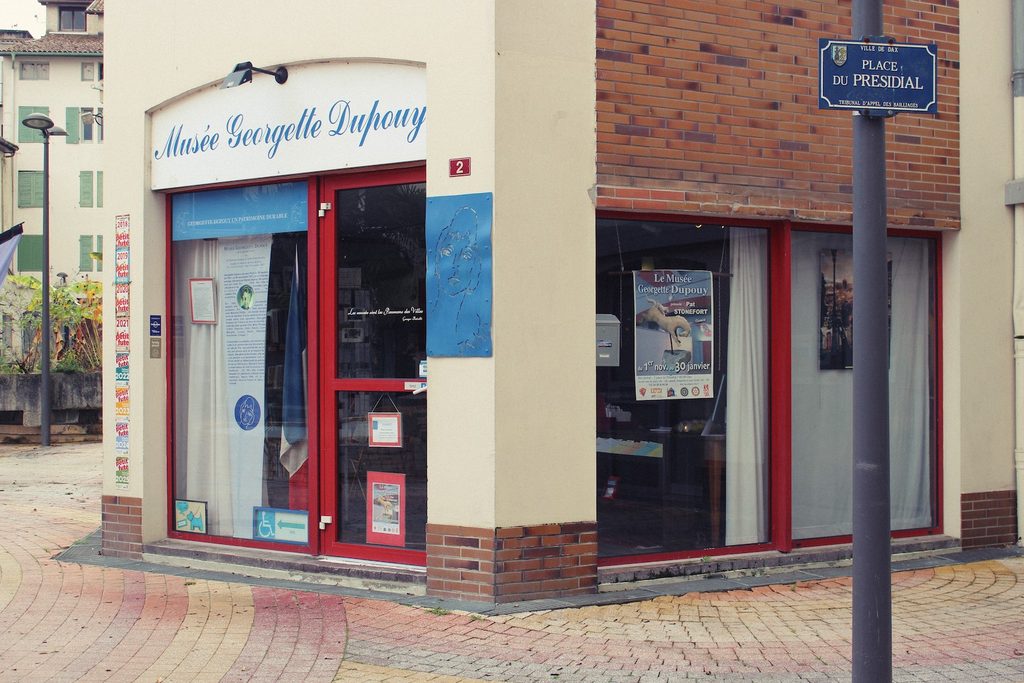
This little museum is dedicated to the life and work of Georgette Dupouy, a 20th-century French artist who was fairly successful in her time but is relatively unknown today. Born in Paris in 1901, she lived in Dax from 1935 until her death in 1992. Her paintings have a delicate and sensitive look.
16. Parc botanique du Sarrat (Sarrat Botanical Park)
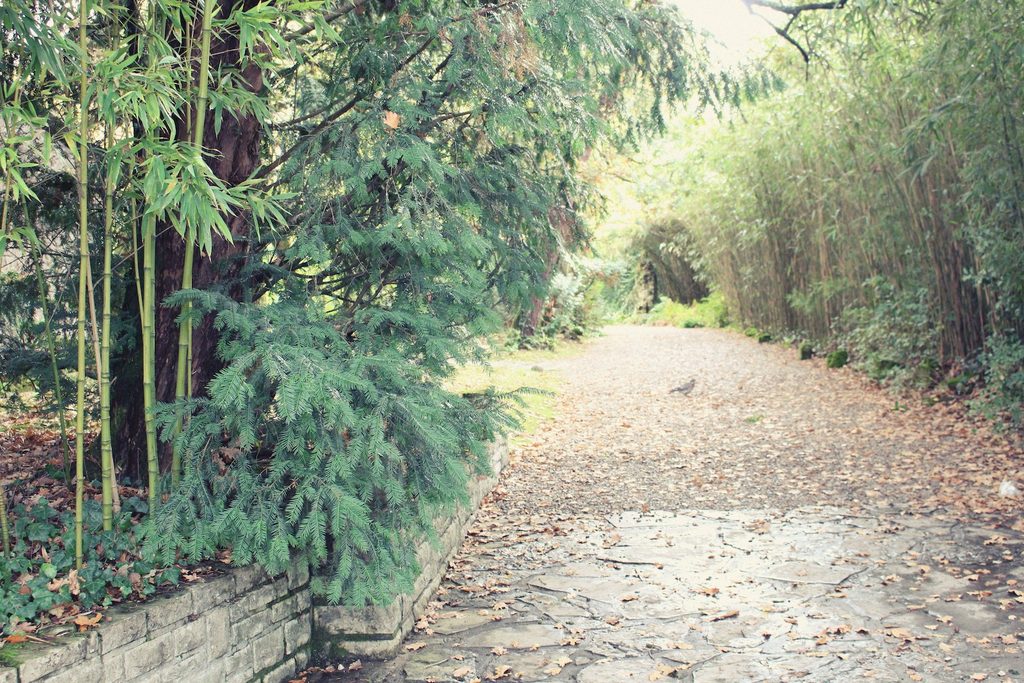
Although Dax is surrounded by greenery, Parc botanique du Sarrat (Sarrat Botanical Park) is one of the few green spaces within the city limits. It is worth visiting thanks to its many interesting areas, which include bamboo groves, a vegetable garden and a Californian-inspired house.
While the botanical garden requires an entry ticket, the park is also home to a space called the Jardin de Vie (Garden of Life) which is free to visit from March to October.
17. Église Saint-Vincent-de-Xaintes de Dax (Saint Vincent of Xaintes Church of Dax)
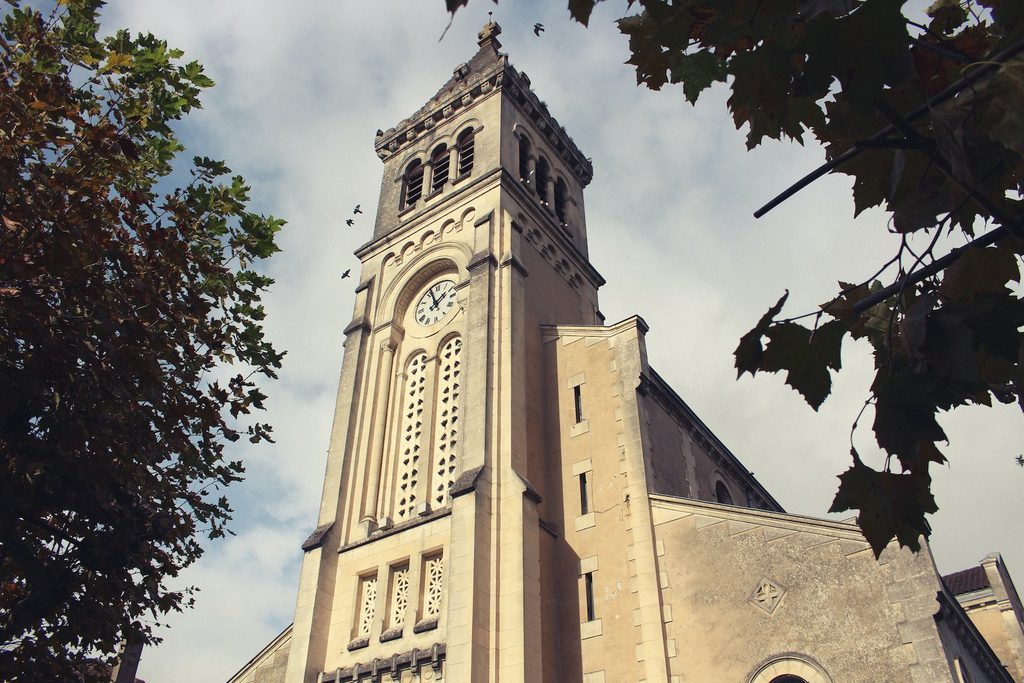
This Neo-Classical church was built in 1893 and is named after the first bishop of Dax. It stands on the spot where he is supposed to have been martyred in the fourth century. Look out for the mosaic in front of the altar that dates back to the second century. It is believed to be a vestige from a villa from the Roman period.
18. Parc des Arènes (Park of the Arena)
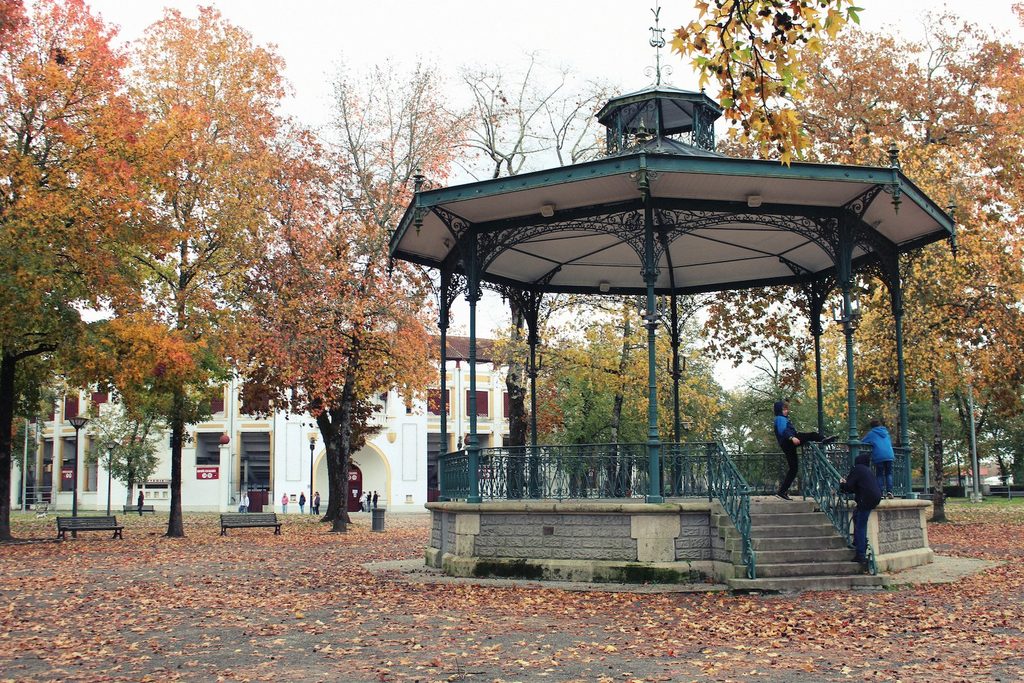
This green space is sandwiched between the banks of the Adour, the Arènes de Dax (Dax Arena) and the Promenade des Remparts, which is lined with the enceinte gallo-romaine de Dax (Gallo-Roman Ramparts of Dax), making it particularly scenic. There are also two sculptures of bullfighting scenes in the park.
19. Monastère des Dominicaines de Dax (Dax Dominican Monastery)
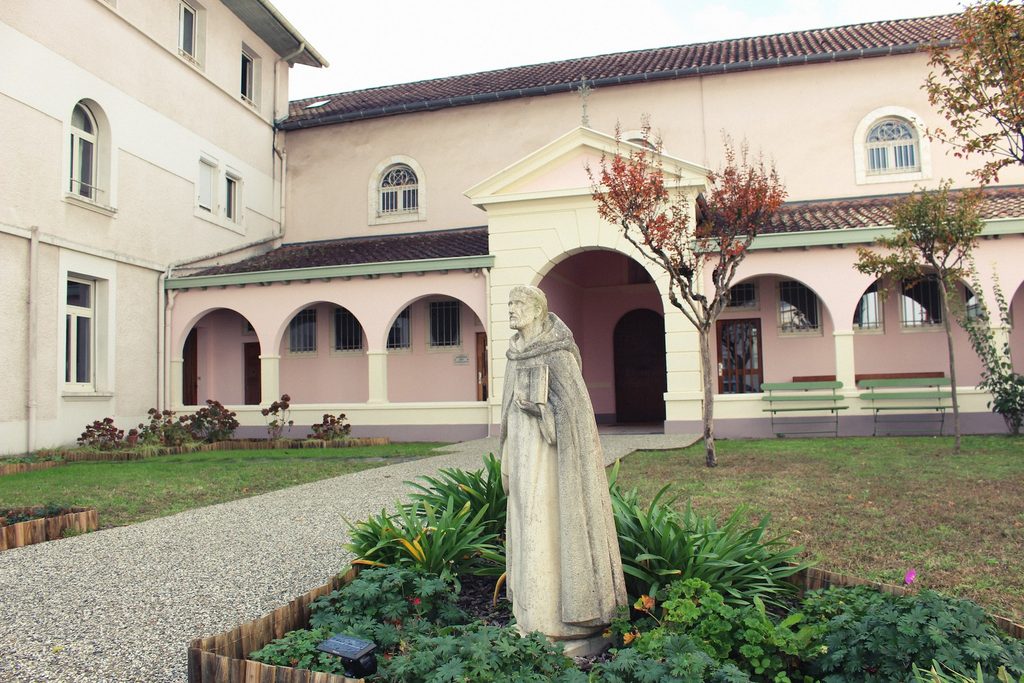
This working monastery is currently home to Dominican nuns, and its cloister and chapel can be visited. The chapel is located to the right of the cloister and is easy to miss, but is well worth a visit. One of the most interesting things about the chapel is that its stained glass windows were designed by a Korean priest, Father Kim En Joong.
20. Rue Neuve (New Street)
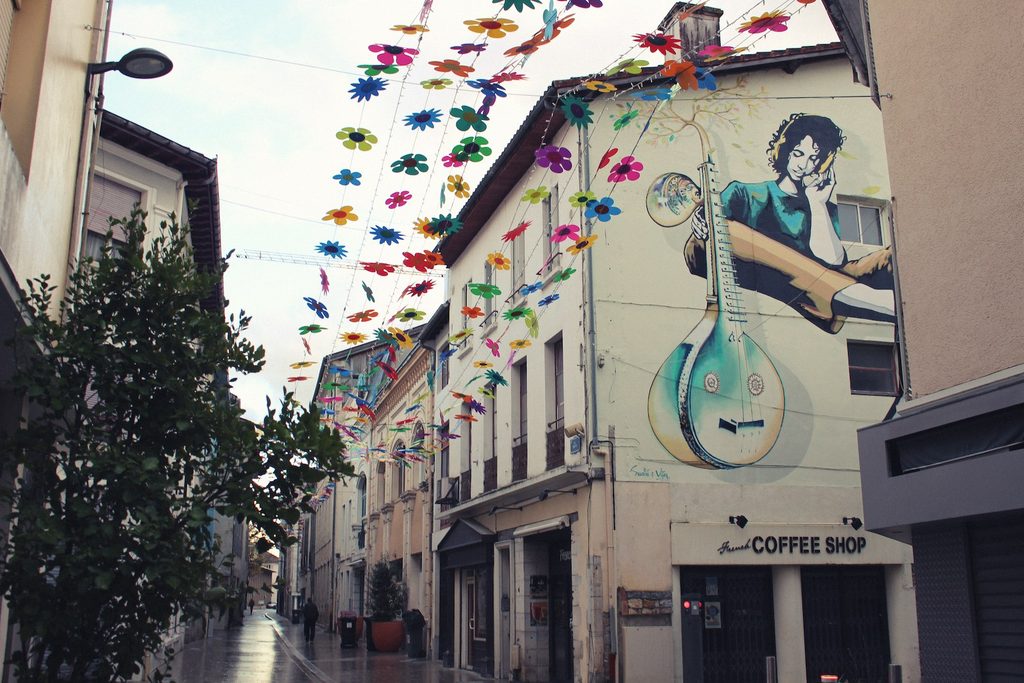
If there is one street that gives you a good idea of the vibe of the city centre of Dax, it’s Rue Neuve (New Street), a pedestrian shopping street lined with shops in historic buildings, many from the 17th to 19th centuries.
21. Bousquet et Compagnie (Bousquet and Company)
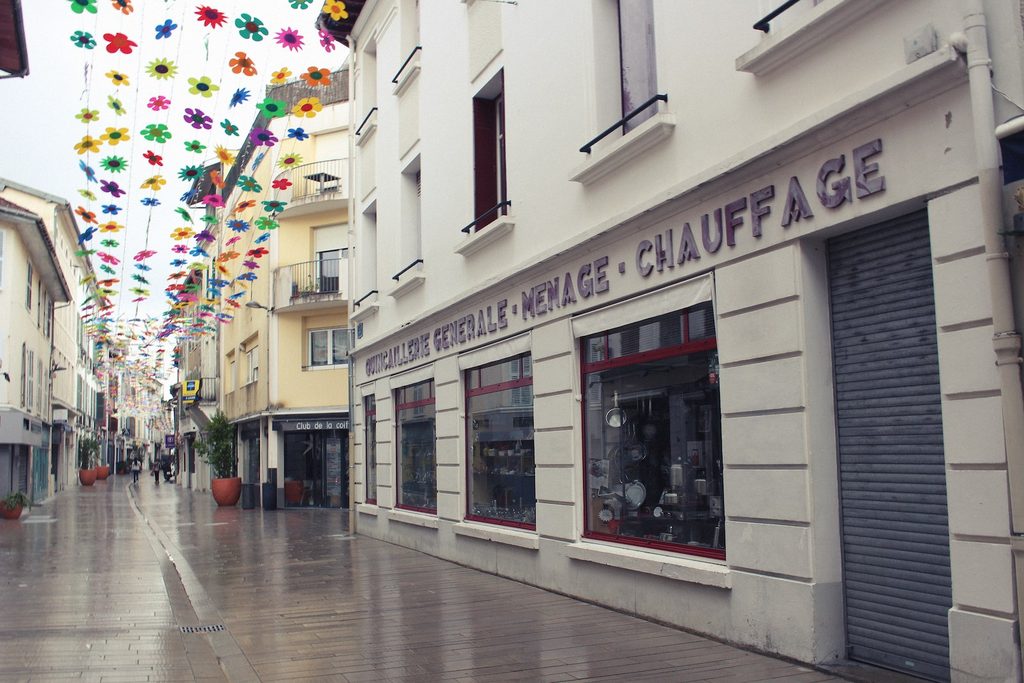
This hardware and household goods shop at 33 Rue Neuve is worth a visit as it is one of the few shops in Dax that have retained a charming, traditional character. The business has been in operation since 1910. You can find all sorts of products here, from pots, pans and knives to DIY tools and perfume.
22. Espace Naturel de l’Étang de l’Estey (Natural Space of Estey Pond)
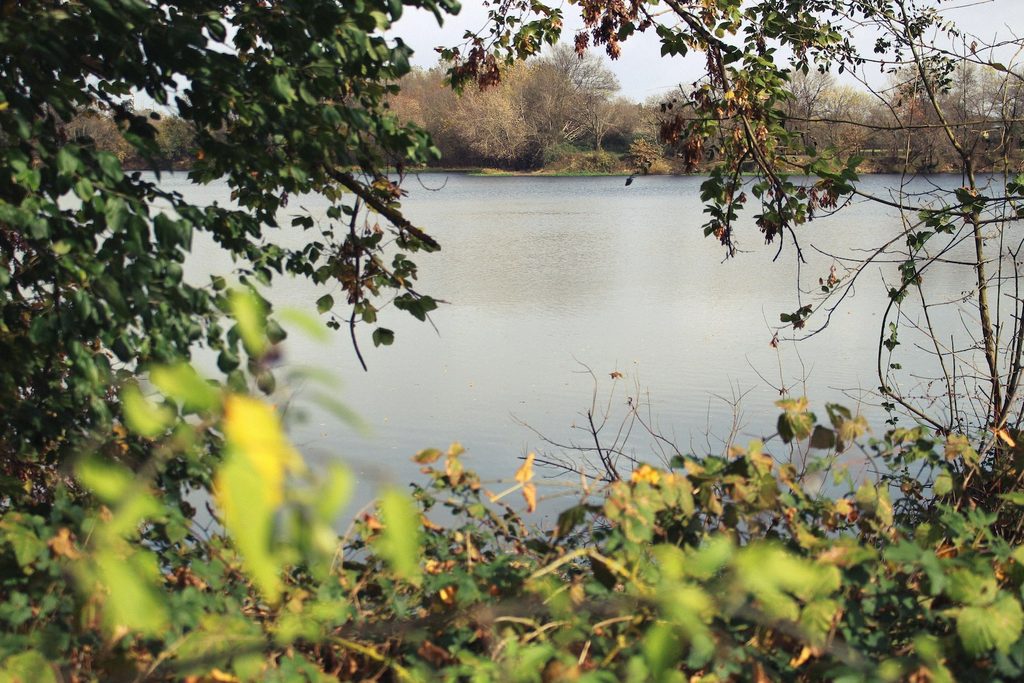
The area around the Étang de l’Estey (Estey Pond) is one of the most peaceful green spaces in Dax and forms part of a sprawling nature reserve with numerous walking paths. It has the advantage of being located within walking distance of the city centre and train station.
Day trips from Dax
- Dax is a gateway to other destinations in the Landes such as the surf town of Hossegor and the port city of Capbreton.
- Dax is just a 30- to 45-minute train ride from Bayonne, the biggest city in the French Basque Country.
- Dax is about an hour by train from Basque seaside resort towns Biarritz and Saint-Jean-de-Luz.

Comments are closed.