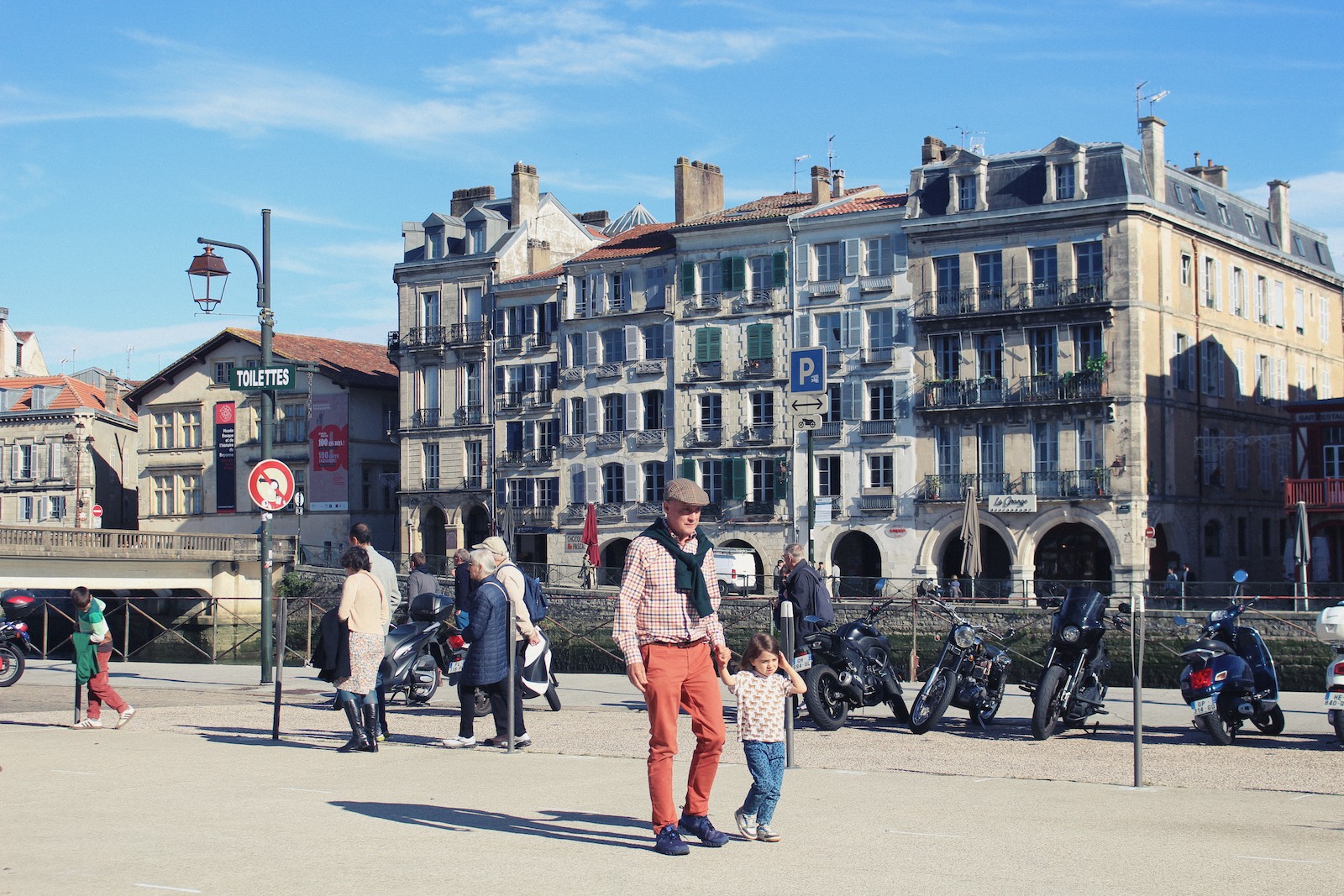
I live in one of the rainier and greyer areas of France. And sometimes, I just need a bit of colour and sunshine. For me, France’s Basque Country in the southwest scratches that itch. Bayonne, its largest city, is a great gateway to the region.
Located in the department of Pyrénées-Atlantiques in the administrative region of Nouvelle-Aquitaine, Bayonne offers a wonderful introduction to Basque culture and cuisine, and is also a gateway to popular seaside resort towns such as Biarritz and Saint-Jean-de-Luz.
It is also very near the Spanish border, in case you get sick of France and need a change! But to be honest, there are so many things to do in Bayonne that crossing the border might never cross your mind.
Table of Contents (click to view)
- Is Bayonne worth visiting?
- Where to stay in Bayonne
- 24 things to do in Bayonne, France
- 1. Cathédrale Sainte-Marie de Bayonne (Bayonne Cathedral)
- 2. Remparts de Vauban (Vauban Ramparts)
- 3. Rue Port Neuf (New Port Street)
- 4. Rue d’Espagne (Spain Street)
- 5. Banks of the Nive
- 6. Musée Basque et de l’histoire de Bayonne (Basque Museum and Museum of the History of Bayonne)
- 7. Musée Bonnat-Helleu (Bonnat-Helleu Museum)
- 8. Les Halles de Bayonne (Bayonne Market)
- 9. Musée du Jambon à Bayonne (Museum of Ham in Bayonne)
- 10. Château-Vieux (Old Castle)
- 11. Place Louis Pasteur (Louis Pasteur Square)
- 12. Pont Pannecau (Pannecau Bridge)
- 13. Jardin Botanique de Bayonne (Botanical Garden of Bayonne)
- 14. Rue des Faures (Street of the Blacksmiths)
- 15. La Plachotte (The Little Square)
- 16. Pierre Ibaialde
- 17. DIDAM
- 18. Banks of the Adour
- 19. Église Saint-André (Saint André Church)
- 20. Église Saint-Esprit (Holy Spirit Church)
- 21. Arènes de Bayonne (Bayonne Arena)
- 22. Rue Sainte-Catherine (Saint Catherine Street)
- 23. Trinquet Saint-André (Saint André Basque Pelota Court)
- 24. Rail Bayonnais (Bayonne Rail)
- Day trips from Bayonne
Is Bayonne worth visiting?
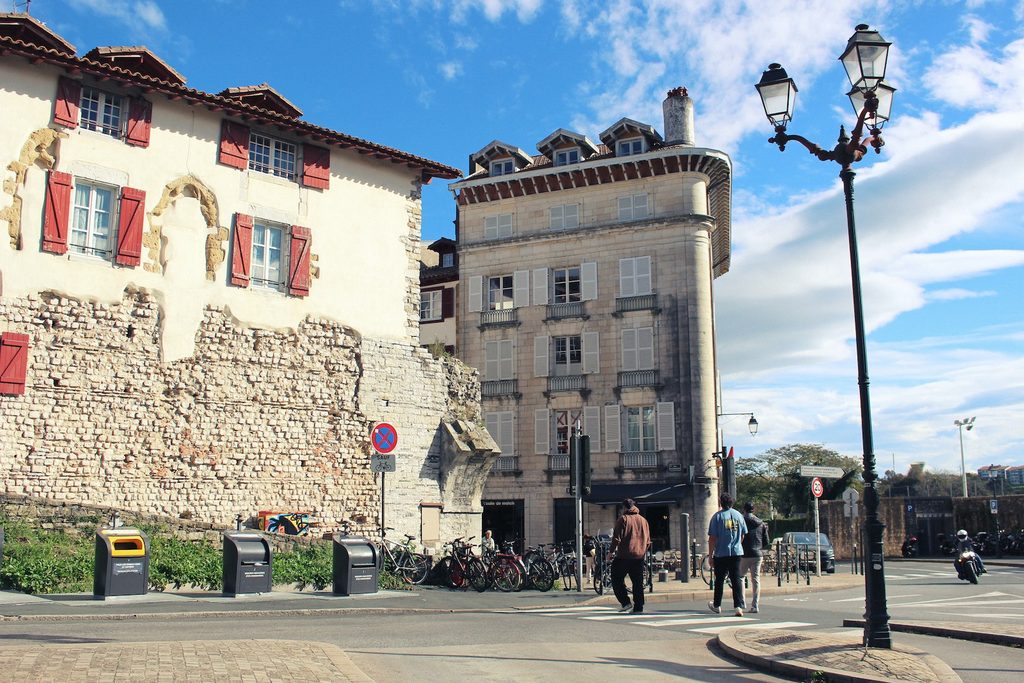
- Beautiful historic centre – The old town of Bayonne is located at the confluence of two rivers, the Nive and the Adour, and is filled with colourful historic buildings. Bayonne’s cathedral is also on the UNESCO-listed Routes of Santiago de Compostela in France.
- Great introduction to Basque culture – Bayonne offers many opportunities to learn about and experience French Basque culture, with countless historic monuments and museums to explore.
- Delicious food – Basque cuisine is one of my favourite regional cuisines in France, and Bayonne is one of the best places to experience it thanks to the variety of restaurants and specialty shops on offer. There is even a tiny museum dedicated to Bayonne ham, one of the region’s favourite delicacies.
- Gateway to the Basque coast – Bayonne is a quick train ride away from the Basque Country’s famous seaside resort towns such as Biarritz, Saint-Jean-de-Luz and Hendaye.
Where to stay in Bayonne
- Hotel in a remarkable historic house – If you’ve always wanted to stay in an iconic French half-timbered building, Hotel le Port Neuf offers the chance to do so. Their stylishly decorated rooms are just as beautiful as the exterior.
- Modern hotel with wide range of amenities – Hôtel Villa KOEGUI Bayonne is equipped with a fitness centre, sauna, restaurant, bar and lounge, and their 24-hour front desk, concierge and tour desk will take care of all your queries
- Affordable hotel in a central location – Hotel des Arceaux is one of the cheapest hotels in Bayonne, while at the same time being in the heart of the historic centre. It’s also located in a charming 17th-century building. Definitely one of the best deals in town!
24 things to do in Bayonne, France
Wondering what to do in Bayonne? I’ve compiled this list that I think will give you a pretty comprehensive idea of the things to see in Bayonne.
I’ve tried to order the list in terms of importance for visitors. The further down you go on the list, the less well-known the sights. But of course, this is my subjective opinion. Feel free to customise your own visit according to what excites you.
For visitors, there are three main areas to explore:
- Grand Bayonne (Big Bayonne) – This part of town is located on the west side of the River Nive and is home to many of the city’s most impressive historic monuments. Much of the historic centre is located here, including the cathedral.
- Petit Bayonne (Little Bayonne) – On the east side of the River Nive, this part of town is rich in local culture and is also a great place to chill out at the many restaurants and bars. It’s also a popular hangout spot for students.
- Saint-Esprit – This neighbourhood sits on the other side of the Adour River from Grand Bayonne (Big Bayonne) and Petit Bayonne (Little Bayonne), near the train station, and has a multi-cultural, artsy vibe.
1. Cathédrale Sainte-Marie de Bayonne (Bayonne Cathedral)

The Cathédrale Sainte-Marie de Bayonne (Bayonne Cathedral) and its cloister are on the Routes of Santiago de Compostela in France, listed as a UNESCO World Heritage Site.
The looming Gothic structure was mostly built from the 13th to the beginning of the 17th century. However, the two distinctive spires were completed only in the 19th century.
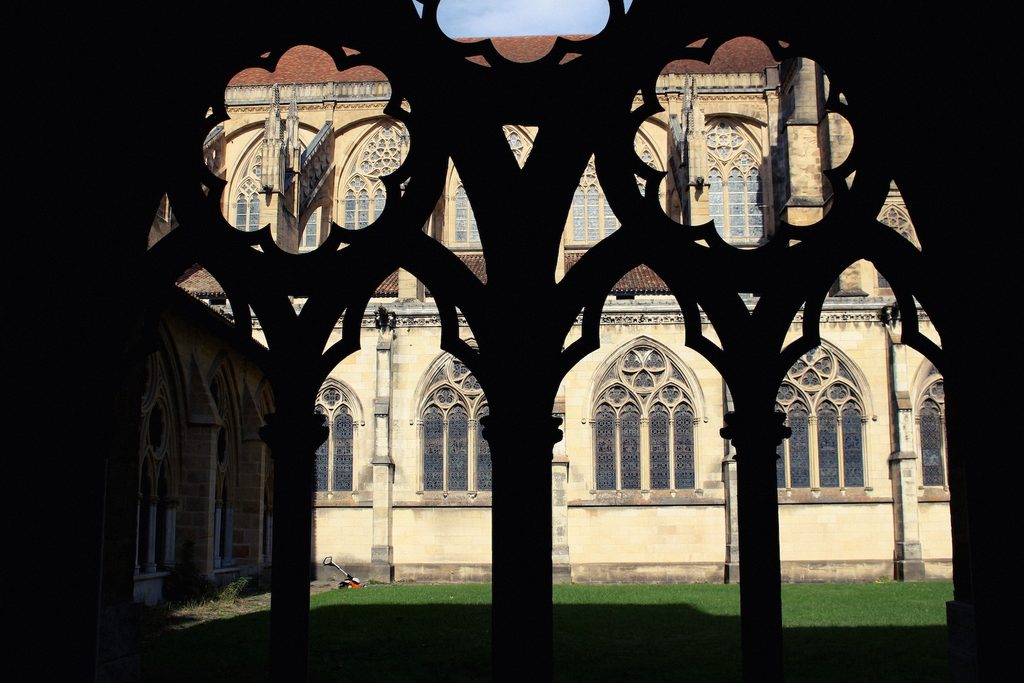
The cathedral’s medieval cloister is arguably even more of a must-see than the cathedral itself. Constructed between the 14th and 16th centuries in the Flamboyant Gothic style, the cloister is one of France’s largest.
However, it can be hard to find because it cannot be accessed from the main cathedral building. Look for the entrance to the cloister on Place Pasteur. You’ll see it on the left-hand side when you are facing the cathedral. Both the cathedral and the cloister are free to visit.
2. Remparts de Vauban (Vauban Ramparts)
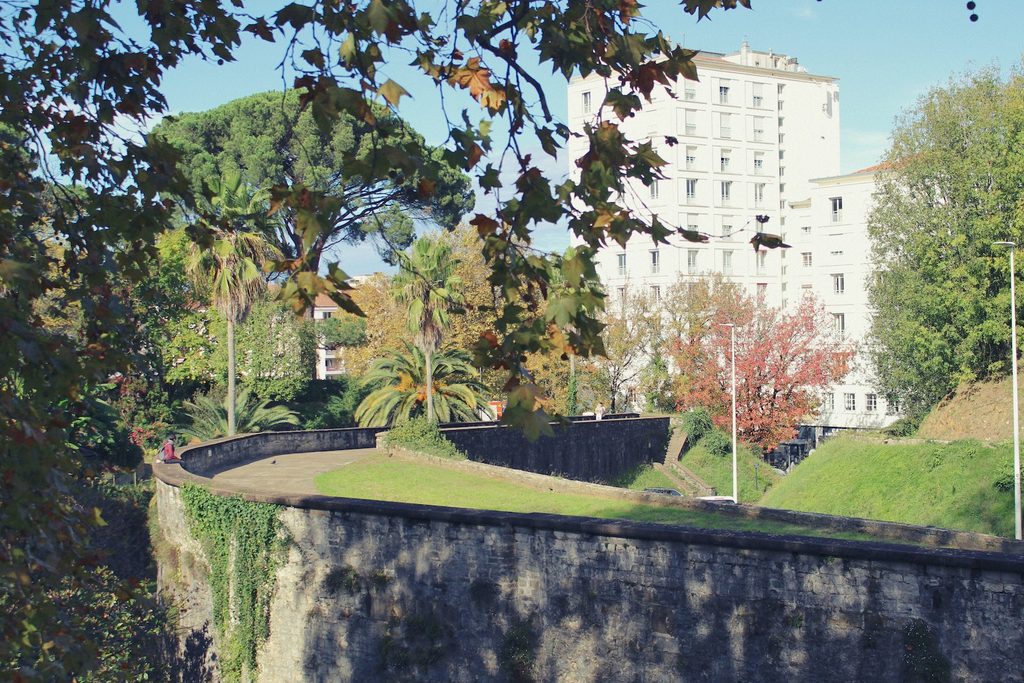
Bayonne was once a heavily fortified city, and many of its defensive ramparts, in part planned by famous military engineer Sébastien Le Prestre de Vauban, still stand today.
You can see the remparts all over town, but some of the most visible examples are the Porte d’Espagne (Gate of Spain), a fortified gateway that once marked the historic city’s southern entrance, and Boulevard du Rempart-Lachepaillet (pictured), where you can walk alongside the fortifications and see the tops of the defensive walls up close.
3. Rue Port Neuf (New Port Street)
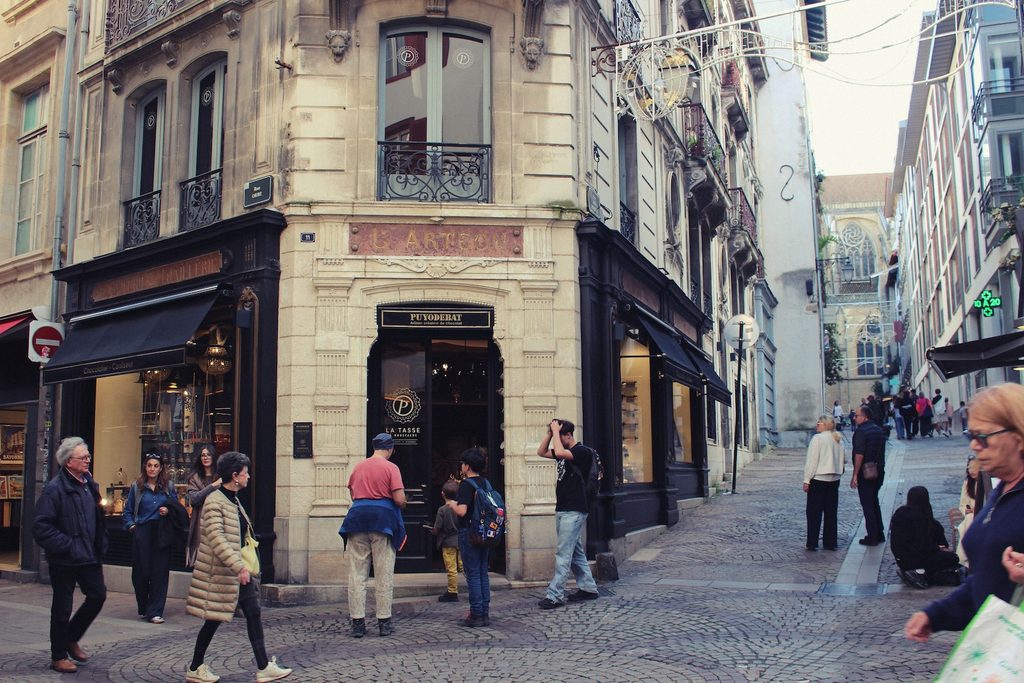
This iconic street is one of Bayonne’s oldest and offers lovely views of the cathedral’s spires. You’ll find restaurants, cafés, hotels and shops housed in the many historic buildings and elegant stone arcades. It is also a major location for artisanal chocolate shops, in case you’re looking for sweet treats to bring home.
4. Rue d’Espagne (Spain Street)
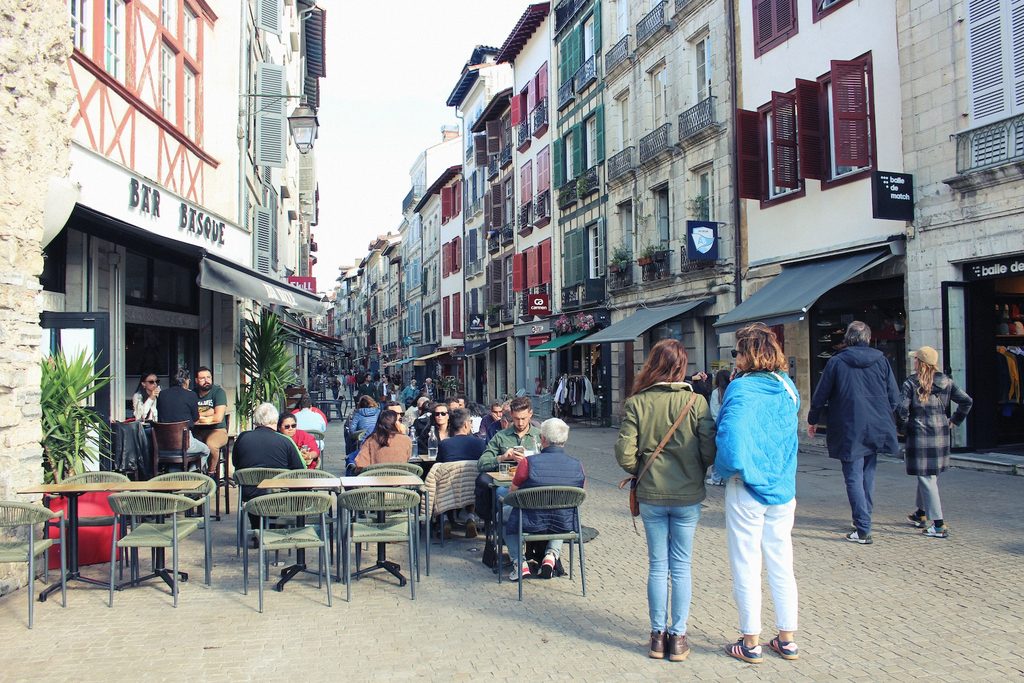
Rue d’Espagne (Spain Street) is a major street in Bayonne that gets its name from the nearby Porte d’Espagne (Gate of Spain), which is located close to the southern end of the street. It was part of a historic route leading to Spain. The street is filled with historic buildings, including colourful half-timbered houses, and is also home to a high concentration of shops selling Basque food products, including the famous Bayonne ham.
5. Banks of the Nive

Quai Amiral Jaureguibery, Quai Dominique Roquebert and Quai Amiral Dubourdieu are popular places for a riverside stroll along the River Nive, one of the two rivers flowing through Bayonne.
The three quays mentioned above are also among the best places to admire distinctive Basque architecture. The various bridges connect Grand Bayonne (Big Bayonne), where the historic centre is located, to Petit Bayonne (Little Bayonne), the neighbourhood on the other side of the river.
6. Musée Basque et de l’histoire de Bayonne (Basque Museum and Museum of the History of Bayonne)
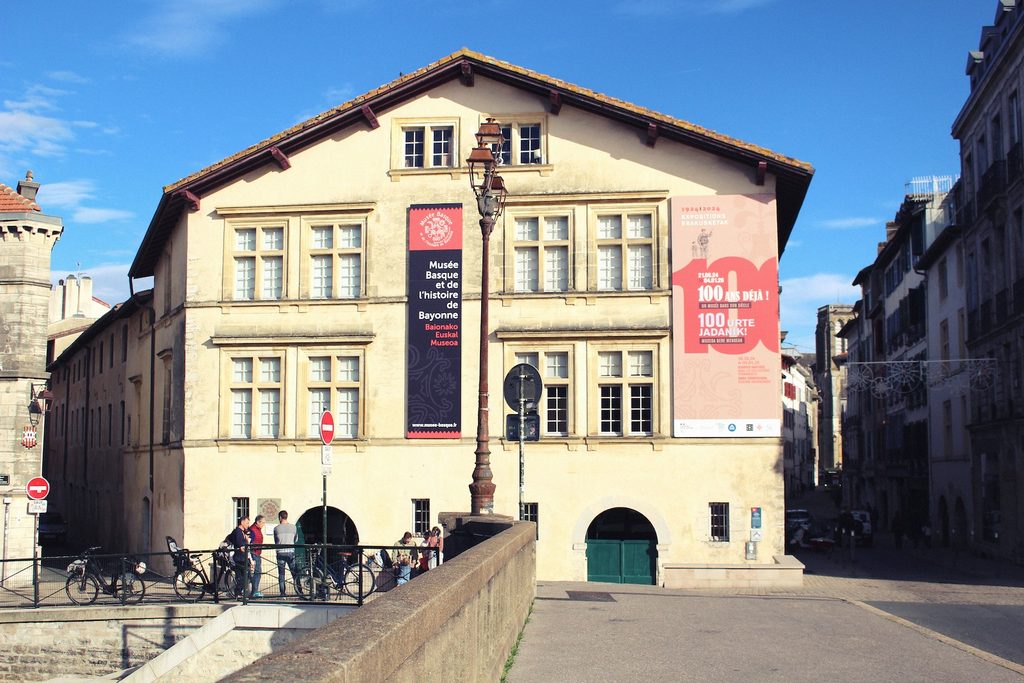
The French Basque Country is culturally distinct from the rest of France, and this museum is one of the best places to learn about what makes this historic region unique.
The museum offers a glimpse into traditional Basque life, including exhibits showing what homes and clothing looked like. It also offers insight into local customs, games and festivals that are still very much a part of modern life. Another major part of the museum is dedicated to the history of Bayonne.
The building in which the museum is housed, Maison Dagourette (Dagourette House), was a wealthy merchant’s house from the 17th century. It also served as a hospital, and on the outside of the building on Rue Marengo, you can see a little window where abandoned babies were left.
7. Musée Bonnat-Helleu (Bonnat-Helleu Museum)
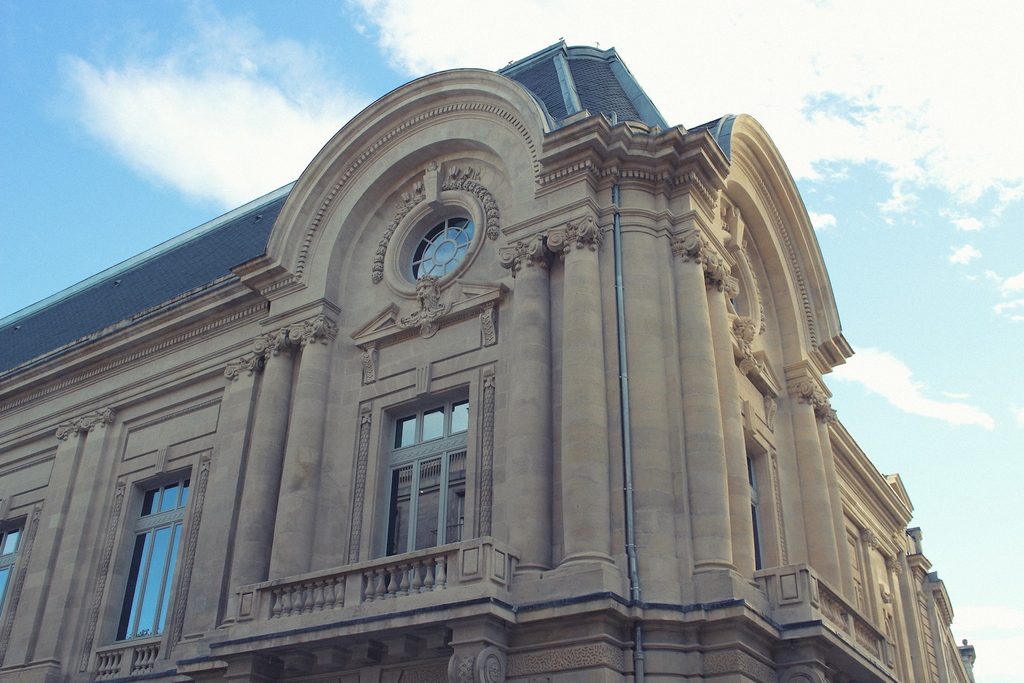
Musée Bonnat-Helleu (Bonnat-Helleu Museum) is Bayonne’s fine arts museum and has a collection that is quite impressive for a city of this size. Most notably, it has an extensive collection of drawings from greats such as Leonardo da Vinci and Titian.
The building in which it is housed is also interesting. It was built in the late 19th century and underwent restructuring and renovation from 2016 to 2025, melding a historic structure with contemporary features.
8. Les Halles de Bayonne (Bayonne Market)

Bayonne’s local market is an institution and occupies a prominent location in town overlooking the River Nive. It’s the perfect place to dive into local culinary life thanks to the wide variety of food products on offer, including Bayonne ham, fresh seafood and local cheeses. It is also a local meeting place, with seating overlooking the river where you can enjoy what you’ve bought.
Note: Les Halles de Bayonne (Bayonne Market) is closed for renovations until June 2027.
9. Musée du Jambon à Bayonne (Museum of Ham in Bayonne)
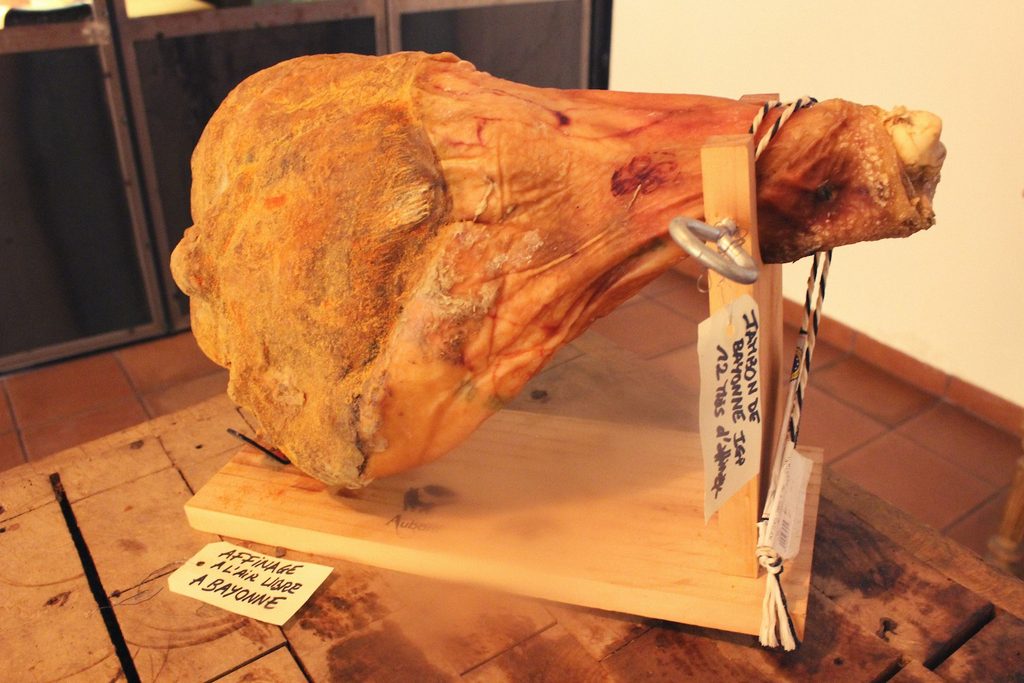
This little museum is located in the Maison Aubard boutique at 18 Rue Poissonnerie in Grand Bayonne (Big Bayonne) and is free to visit. Just walk through the shop to the room in the back. There are a few exhibits explaining what makes Bayonne ham special and how it is made.
10. Château-Vieux (Old Castle)
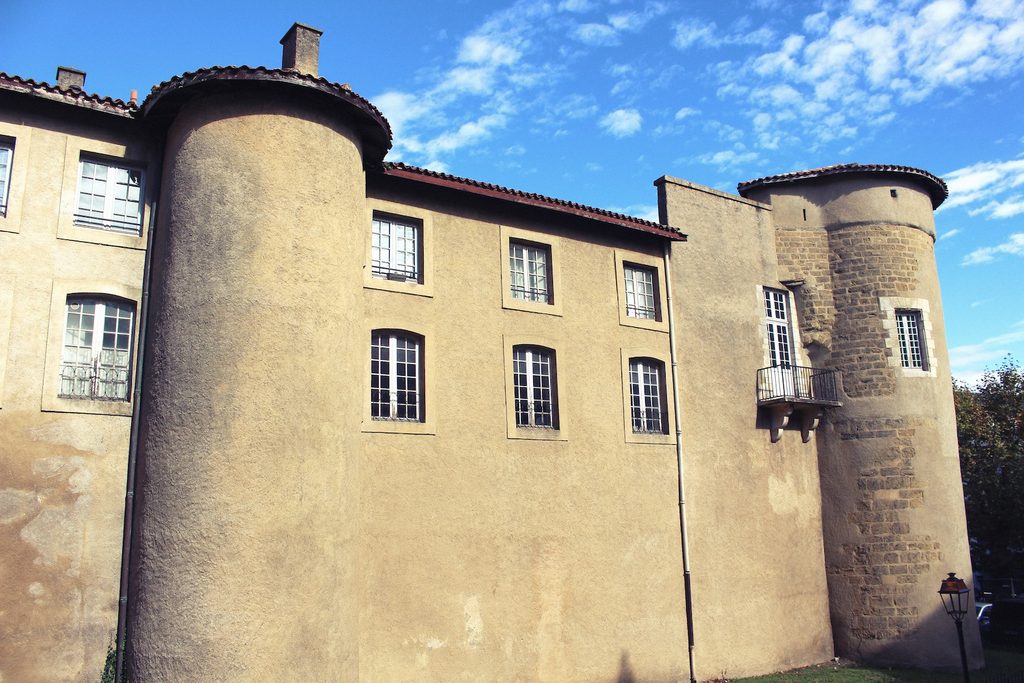
This medieval fortress was built from the 11th to the 17th centuries on the site of an ancient Roman fortress. Originally intended as a residence for the Viscounts of Labourd, it fell into the hands of the English before getting wrested back by the French in the late 13th century.
It started being referred to as Château-Vieux (Old Castle) at the end of the 15th century when a new castle, called Château-Neuf (New Castle), was built in Petit Bayonne (Little Bayonne) on the other side of the Nive.
In the 17th century, when the Vauban fortifications were being planned, the castle’s donjon was destroyed and its forecourt fortified.
Today, while the interior is only accessible via guided visits or on special occasions, the exterior of the Château-Vieux (Old Castle) can be viewed on Rue des Gouverneurs and Place Jacques-Portes.
11. Place Louis Pasteur (Louis Pasteur Square)
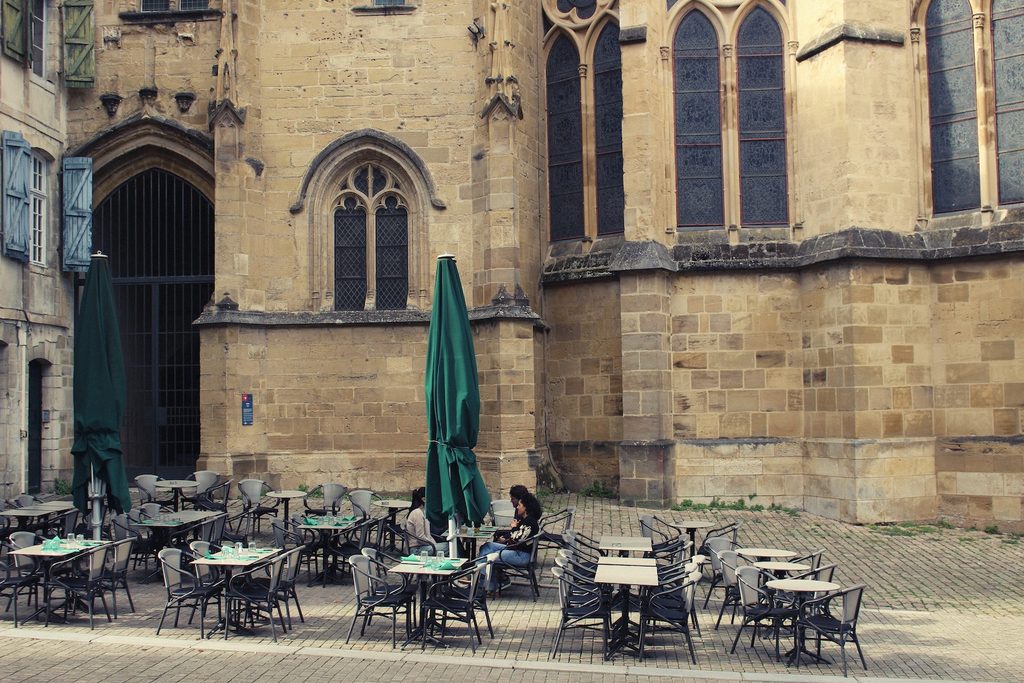
There are many beautiful squares in Bayonne, but Place Louis Pasteur (Louis Pasteur Square) is one of the most memorable simply because it has such a stunning setting at the foot of the Cathédrale Sainte-Marie de Bayonne (Bayonne Cathedral) and is surrounded by cafés with open-air terraces.
12. Pont Pannecau (Pannecau Bridge)
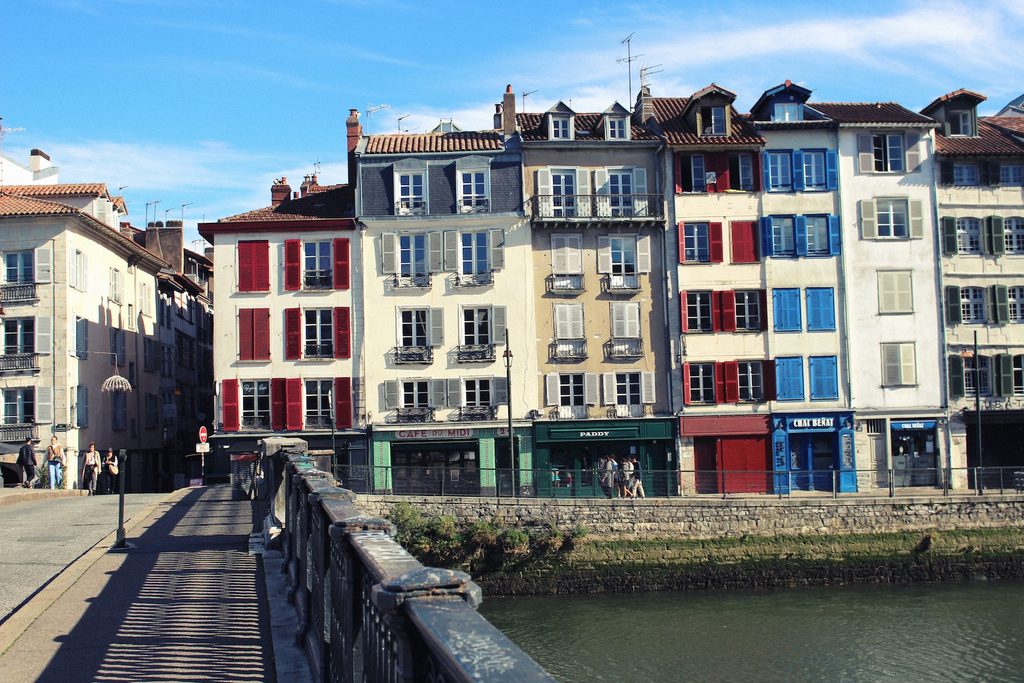
Pont Pannecau (Pannecau Bridge) is one of the most important bridges in Bayonne from a historical point of view. It bridges Grand Bayonne (Big Bayonne) and Petit Bayonne (Little Bayonne), and has been offering a way to cross the Nive since around 1120. It’s also a great place to take photos of the traditional Basque buildings on either side of the river.
13. Jardin Botanique de Bayonne (Botanical Garden of Bayonne)
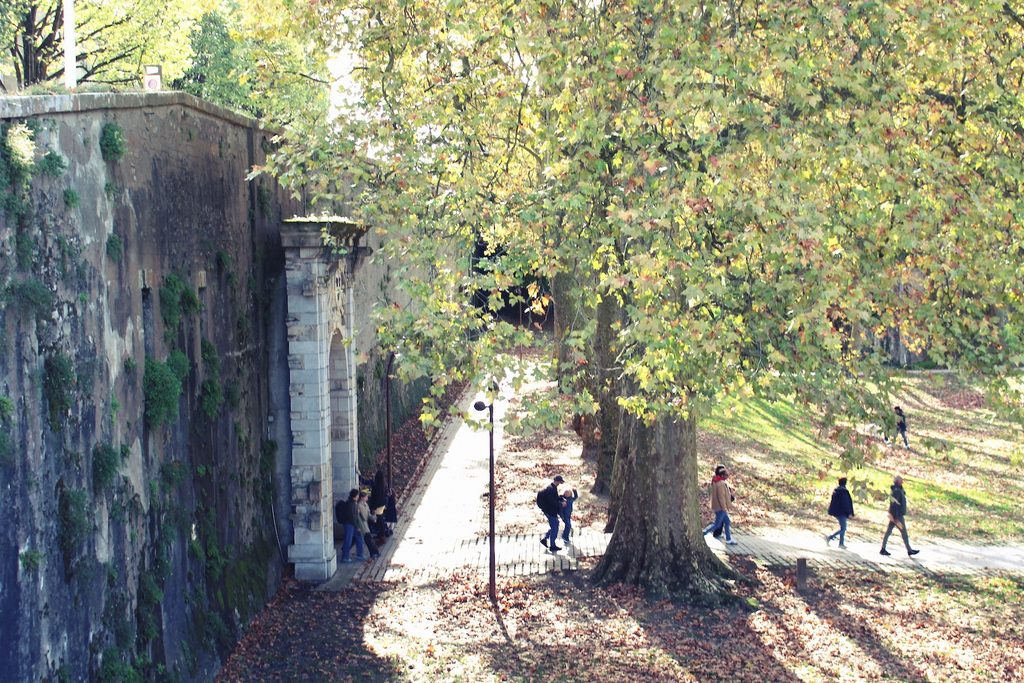
This botanical garden is special because the Remparts de Vauban (Vauban Ramparts) overlook and enclose it, making it feel peacefully separate from the rest of the city. Parts of the garden are Japanese-style, which makes it feel even more tranquil.
14. Rue des Faures (Street of the Blacksmiths)

In medieval times, this street was populated by blacksmiths’ workshops, including those creating swords and other weapons used in war. Fun fact: the bayonet is believed to have been invented here, hence the name! Today, the street is home to a small collection of artisan shops and independent businesses.
15. La Plachotte (The Little Square)
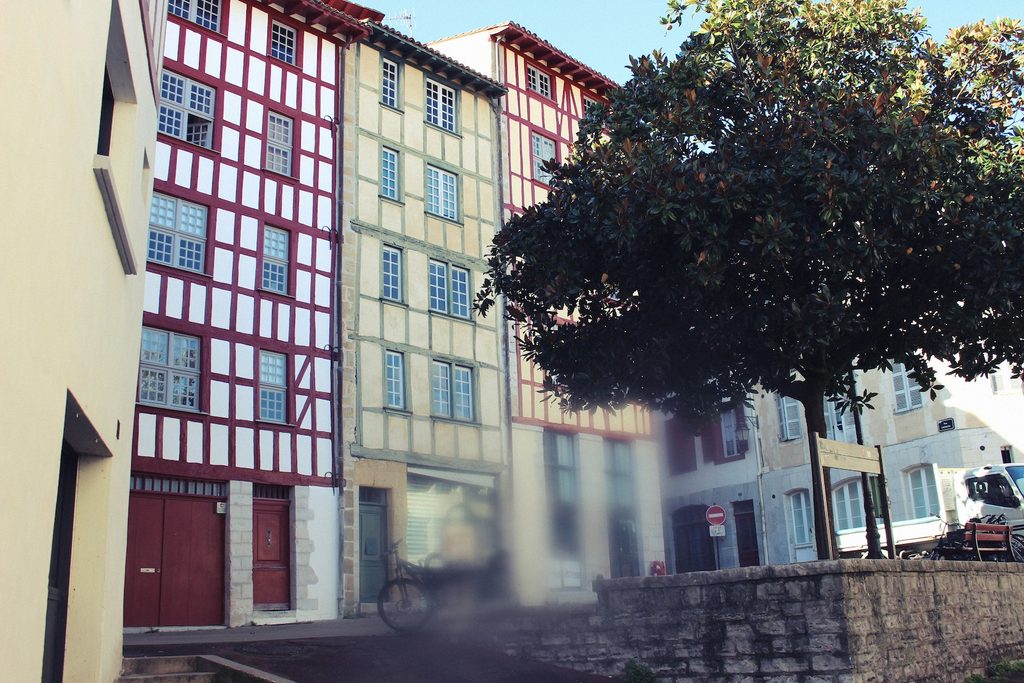
This tiny historic square in Grand Bayonne (Big Bayonne) is a charming, hidden corner of the city that’s easy to miss. It stands in the shadow of ancient Roman fortifications and is enclosed by medieval half-timbered houses.
16. Pierre Ibaialde
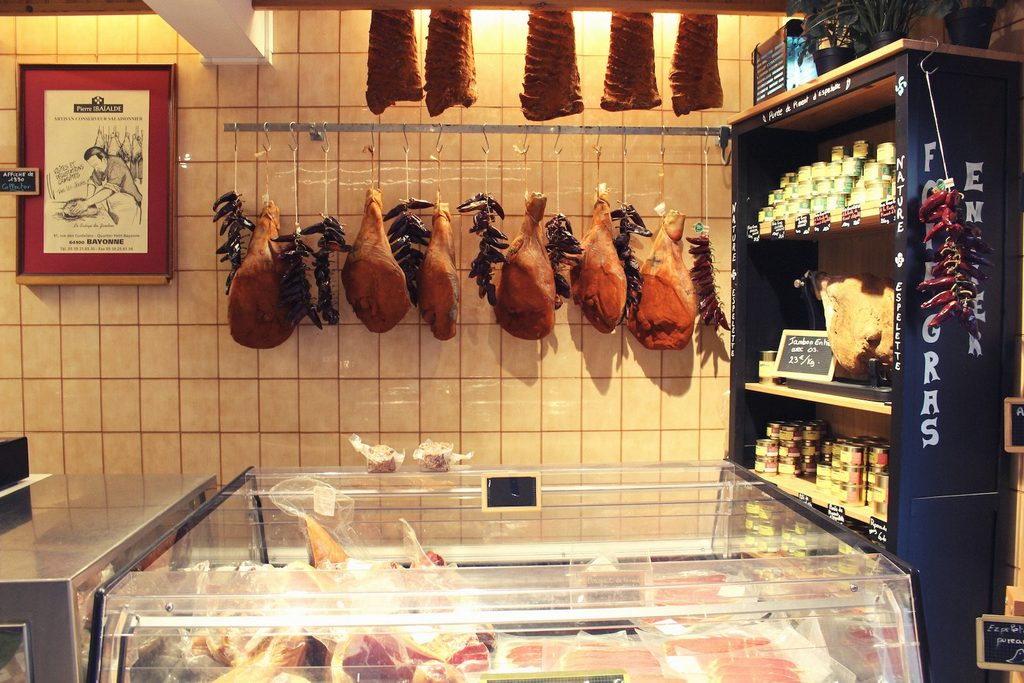
This artisanal Bayonne ham workshop in Petit Bayonne (Little Bayonne) is not just a shop selling the local delicacy, but also organises guided visits where you can learn more about how the ham is made and taste the results. Guided visits are conducted only in French. If that doesn’t scare you, you can reserve your visit in advance online.
17. DIDAM
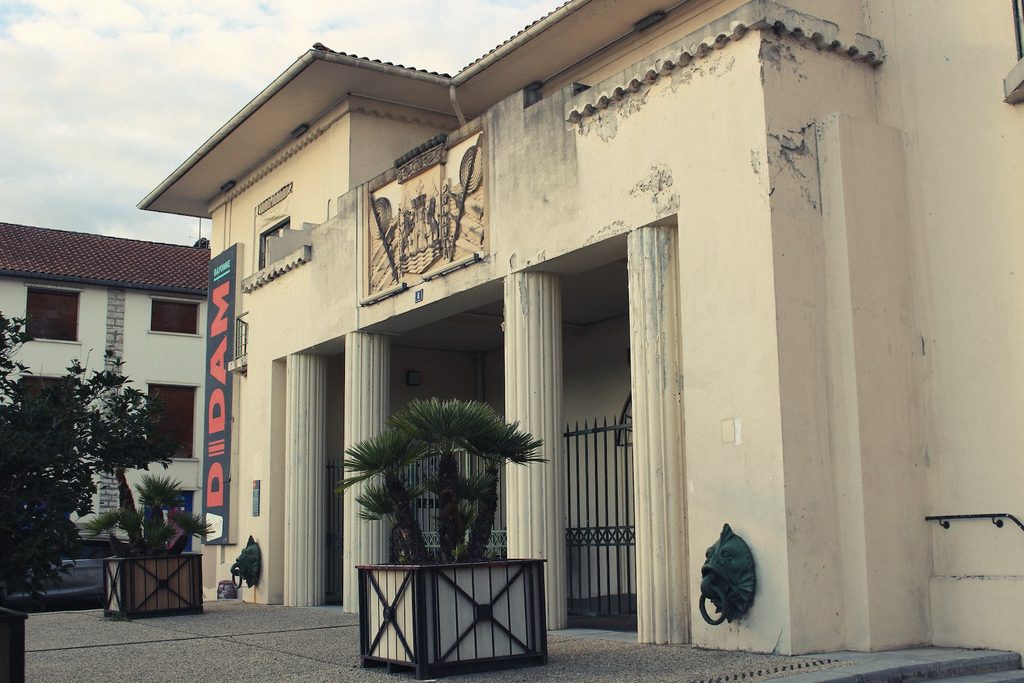
Located in the neighbourhood of Saint-Esprit, this modern art and photo gallery encapsulates the forward-looking spirit of this part of town. It is housed in a distinctive Art Deco building built in 1933 on the banks of the Adour River and is free to visit.
18. Banks of the Adour
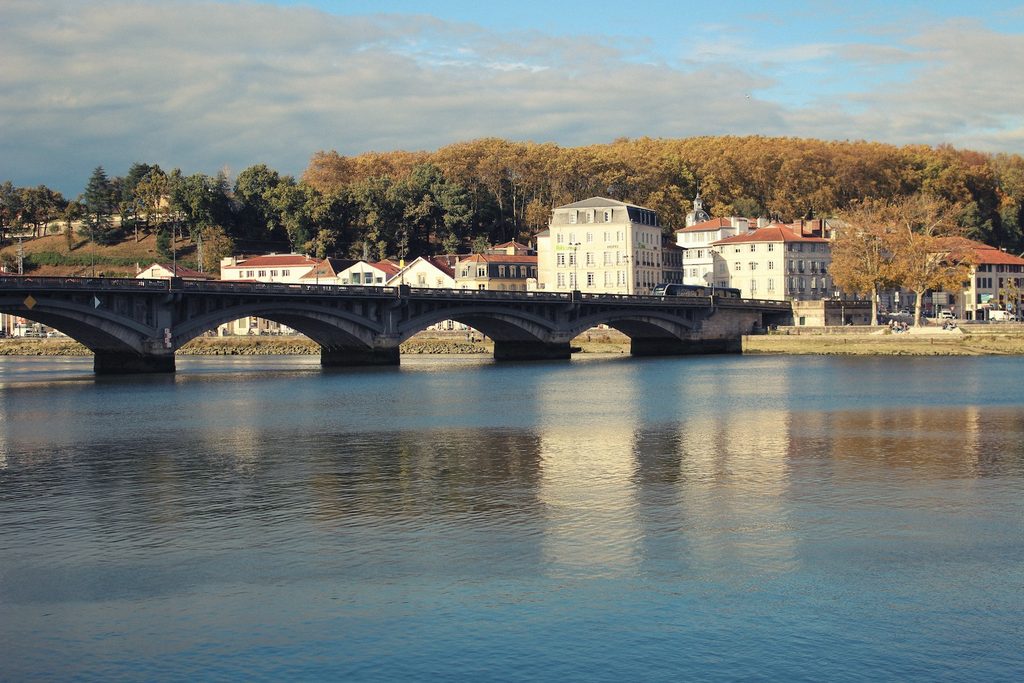
One of the most popular areas to stroll along the Adour, which separates Saint-Esprit from Grand Bayonne (Big Bayonne) and Petit Bayonne (Little Bayonne), is the Quai de Lesseps and Quai Amiral Bergeret (Admiral Bergeret Quay) in Saint-Esprit. The area has an artistic and diverse vibe that represents Saint-Esprit well.
19. Église Saint-André (Saint André Church)
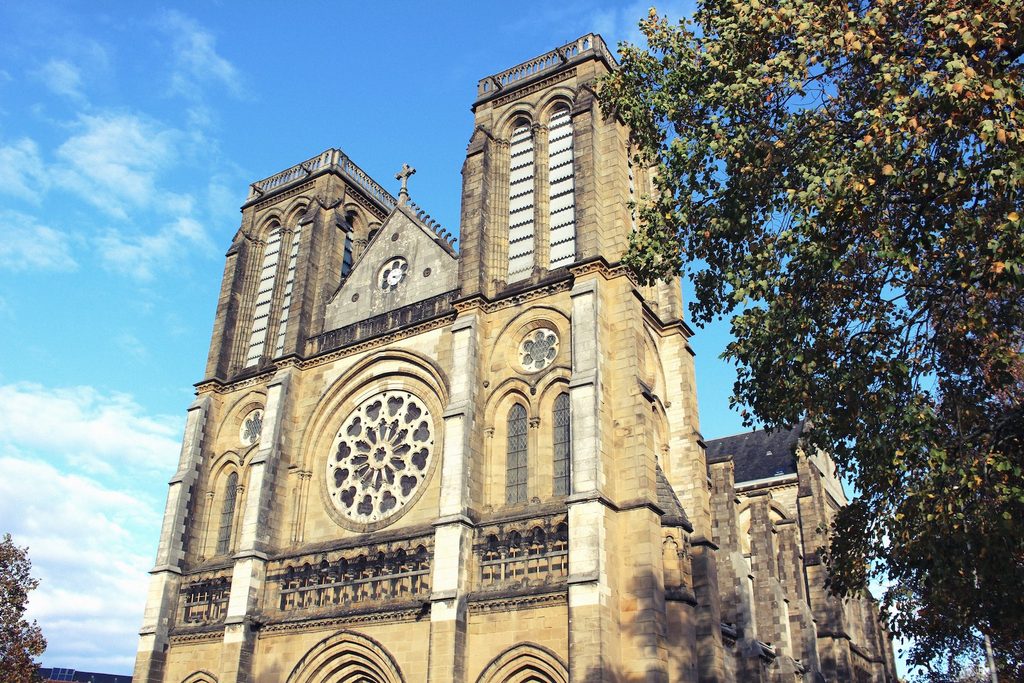
This Neo-Gothic church in Petit Bayonne (Little Bayonne) was built in the 19th century during the reign of Napoleon III. The two towers were added to replace two taller spires that collapsed in 1895.
20. Église Saint-Esprit (Holy Spirit Church)
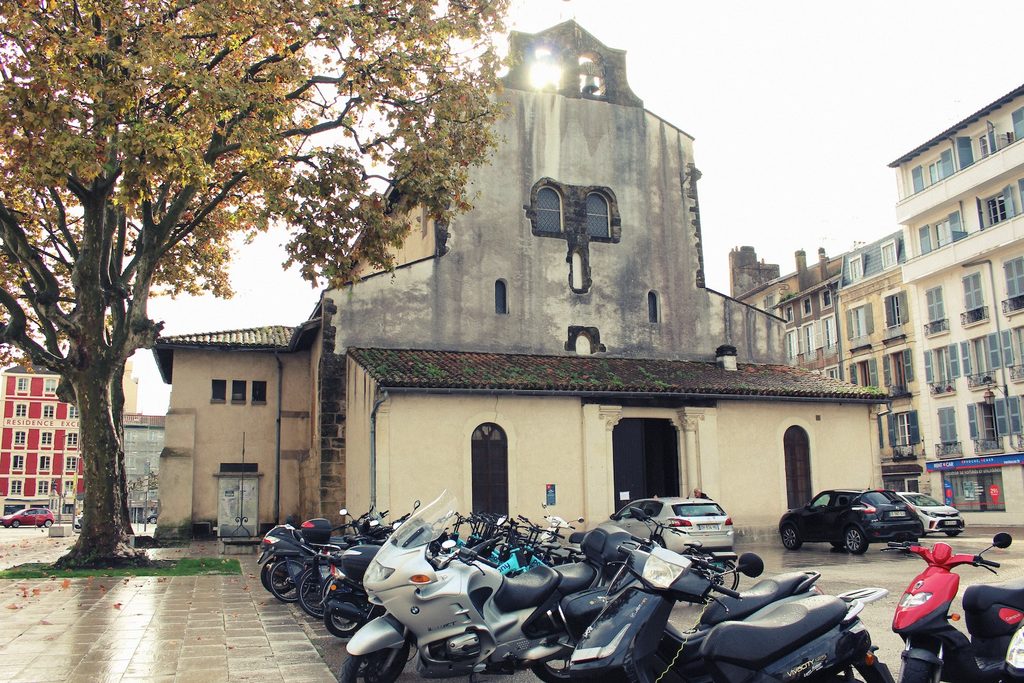
When walking to and from the Gare de Bayonne (Bayonne Train Station), you may come across Église Saint-Esprit (Holy Spirit Church). It occupies the site of a 12th-century hospice and priory that welcomed pilgrims on the route to Santiago de Compostela.
The church was built in 1463 and then restored over the years. It was enlarged in the late 19th century as the opening of the train station brought more residents to the area.
21. Arènes de Bayonne (Bayonne Arena)
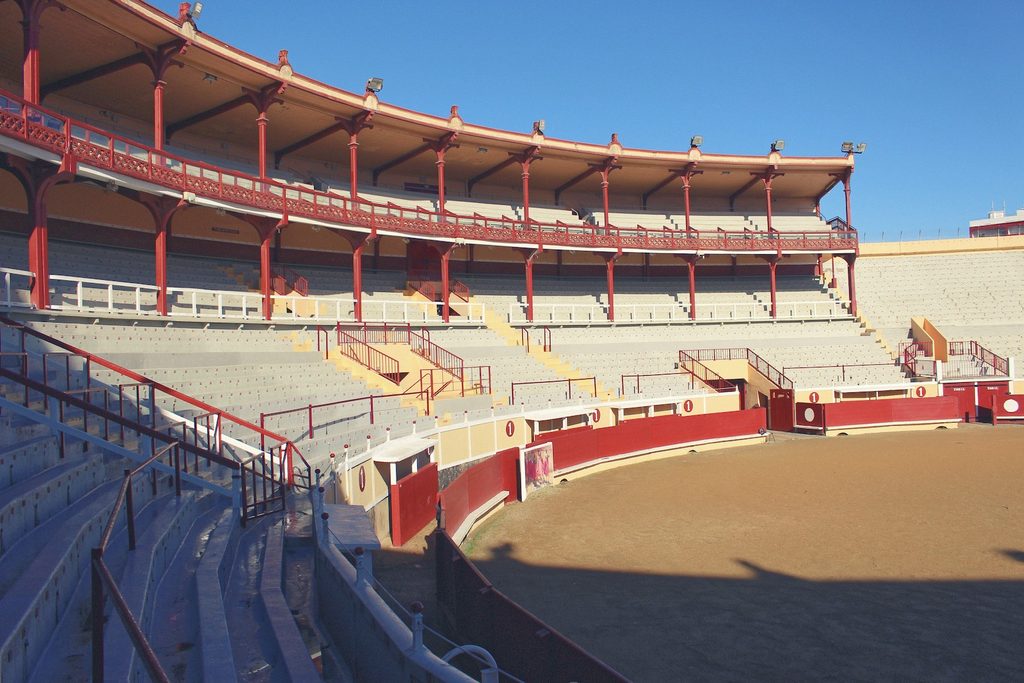
Bullfighting is still practised in Bayonne and the Basque Country in general. Regular bullfights are held at the Arènes de Bayonne (Bayonne Arena), but the venue also hosts kinder events such as concerts in the summer. It is open only in the warmer months.
I visited the exterior of the building out of curiosity, and to my surprise was invited inside by an employee for an impromptu tour of the facility, including the bullring and the stalls where the bulls are kept. He even gave me a book about bullfighting, saying it might change my mind about bullfighting.
I later found out that I wasn’t the first visitor who’d received such a warm welcome and that they do it in hopes of promoting bullfighting and countering criticism of the practice. It hasn’t changed my mind, but I did find the visit eye-opening.
22. Rue Sainte-Catherine (Saint Catherine Street)
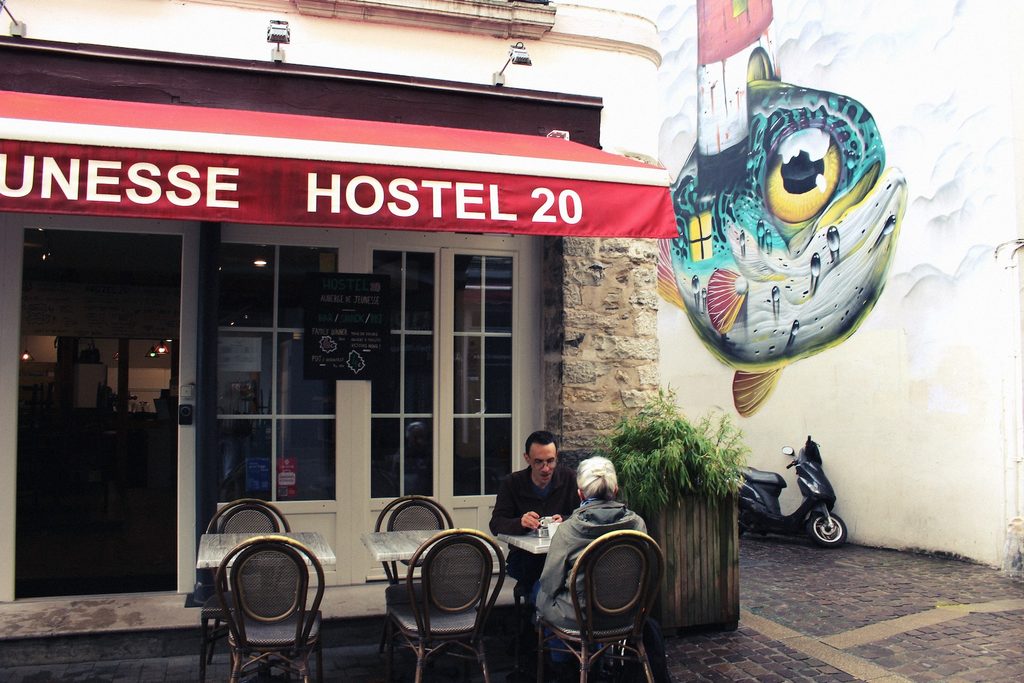
This street in the neighbourhood of Saint-Esprit is full of character and populated by independent boutiques, vintage shops and cafés. Rue Sainte-Catherine (Saint Catherine Street) was historically settled by Bayonne’s Jewish community and is situated near the local synagogue.
23. Trinquet Saint-André (Saint André Basque Pelota Court)
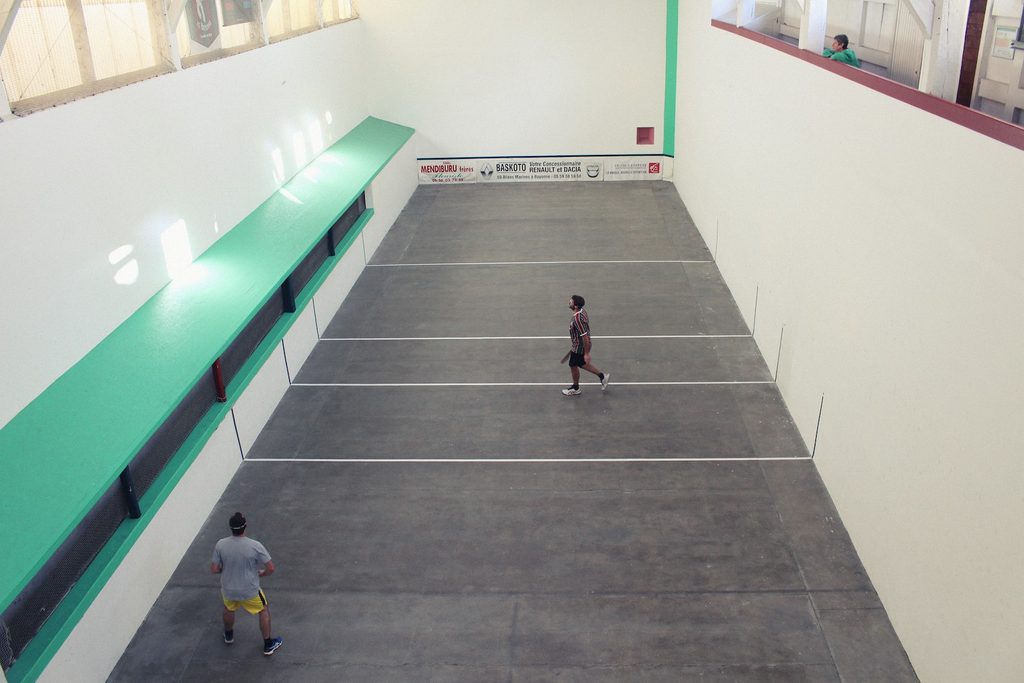
Basque pelota is a sport unique to the Basque Country that, when played indoors, looks vaguely similar to squash. If you’re lucky, you’ll be able to witness pelota players in action at the Trinquet Saint-André (Saint André Basque Pelota Court) in Petit Bayonne (Little Bayonne). It is one of the oldest indoor courts for the sport in France. The building has been used for sports since the early 1600s.
Enter through the unassuming door at street level and climb the stairs to the second floor to watch the action from above.
24. Rail Bayonnais (Bayonne Rail)
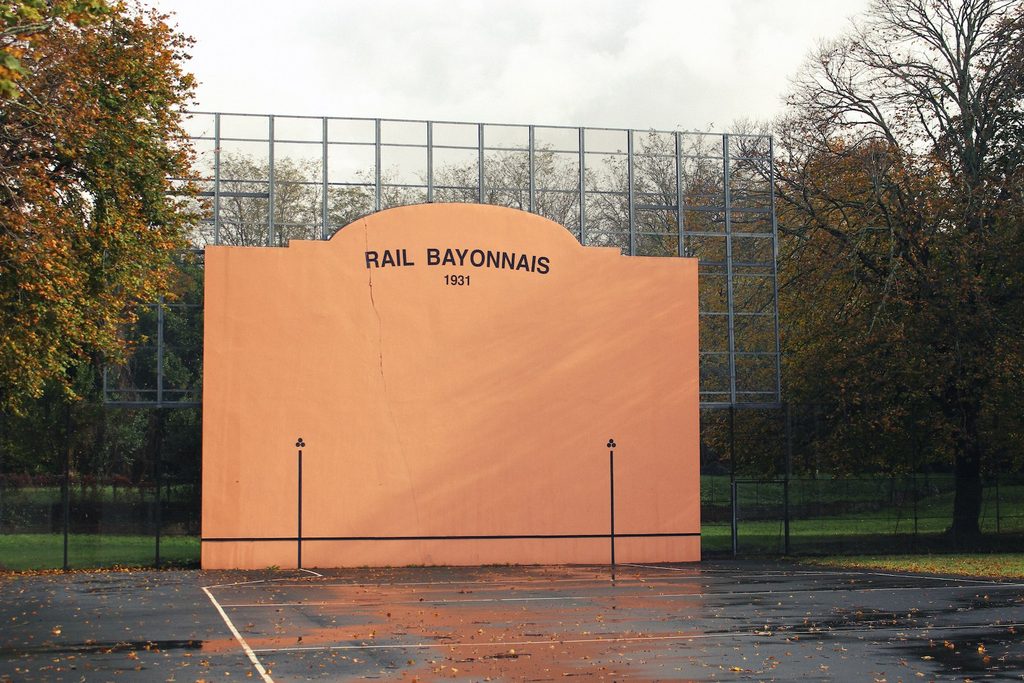
This secret spot in the Saint-Esprit neighbourhood serves up an unusual slice of Basque culture, while at the same time offering lovely views over the city. To find it, get on Rue de la Cabotte, which will then turn into Chemin du Fort. Follow the path uphill until you reach the Rail Bayonnais (Bayonne Rail).
This space serves as an outdoor court for Basque pelota, recognisable by the wall against which players hit the ball. The court was originally intended for railway workers and was later made available to local residents. As an added bonus, the court enjoys an elevated location that allows for lovely views over Saint-Esprit.
Day trips from Bayonne
- Bayonne is located a short train ride from popular seaside towns Biarritz, Saint-Jean-de-Luz and Hendaye.
- Espelette, which gives its name to the famous Basque chilli pepper, is a charming village located less than an hour away by bus from Bayonne.
- Bayonne is just a 45-minute train ride away from Dax, a spa town in the neighbouring Landes department.

Comments are closed.