When I was a kid, I was obsessed with My Little Pony. Today, horses still make my heart skip a beat. So, I’ve always wanted to visit the Cadre Noir, which is one of the top things to see in Saumur.
The Cadre Noir is considered one of the world’s most famous institutions of French equestrianism, a tradition that is on the UNESCO list of Intangible Cultural Heritage of Humanity. It is based in Saumur, which is now a hub for horse riding, with all sorts of schools and businesses linked to equestrianism.
Saumur, which is in the department of Maine-et-Loire in the Pays de la Loire region, is also located in the UNESCO-listed area of the Loire Valley and has a magnificent castle, as well as a well-preserved historic centre.
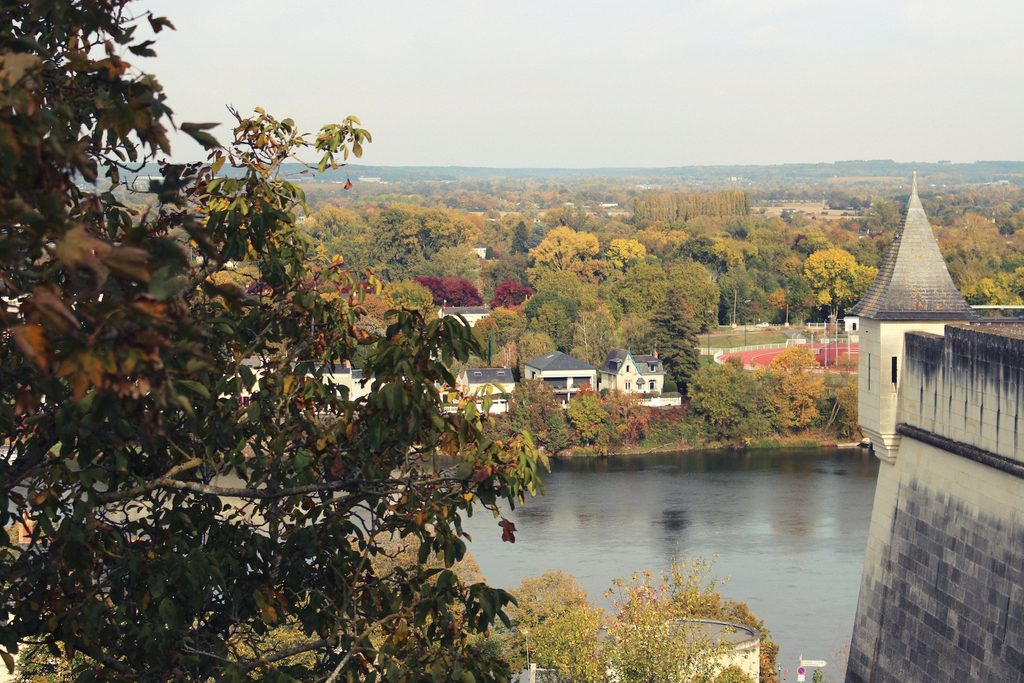
Gui lived in Saumur for a few years, and his parents currently live near the city as well, so I have been there more times than I ever imagined I would. And I can say with certainty that this city has a quiet charm that keeps you coming back.
Table of Contents (click to view)
- Is Saumur worth visiting?
- Where to stay in Saumur
- Top 25 things to do in Saumur
- 1. Château de Saumur (Saumur Castle)
- 2. Cadre Noir de Saumur (Black Cadre of Saumur)
- 3. Église Saint-Nicolas (Saint Nicolas Church)
- 4. Place Saint-Pierre (Saint Pierre Square)
- 5. Église Saint-Pierre (Saint Pierre Church)
- 6. Place de la Bilange (Bilange Square)
- 7. Pont Cessart (Cessart Bridge)
- 8. Banks of the Loire
- 9. Musée de la Cavalerie (Cavalry Museum)
- 10. Maison des Compagnons du Devoir (House of the Companions of Duty)
- 11. Église Notre-Dame-des-Ardiliers (Church of Our Lady of Ardiliers)
- 12. Hôtel de Ville de Saumur (Saumur Town Hall)
- 13. Distillerie Combier (Combier Distillery)
- 14. Maison Ackerman (House of Ackerman)
- 15. Musée des Blindés (Tank Museum)
- 16. Musée du Moteur (Motor Museum)
- 17. Ethno-musée Anako du Château de la Reine de Sicile à Saumur (Ethno-museum Anako of the Castle of the Queen of Sicily in Saumur)
- 18. Musée du Champignon (Mushroom Museum)
- 19. Les Jardins du Puygirault (The Puygirault Gardens)
- 20. Pierre et Lumière (Stone and Light)
- 21. Jardin des Plantes (Botanic Garden)
- 22. Église Notre-Dame-de-Nantilly (Church of Our Lady of Nantilly)
- 23. Temple protestant de Saumur (Protestant Temple of Saumur)
- 24. Tour Grenetière (Seed Tower)
- 25. Église Saint-Hilaire des Grottes (Church of Saint Hilaire of the Caves)
- Other things to do near Saumur
Is Saumur worth visiting?
- Important city in the UNESCO-listed Loire Valley – Saumur is a key city in the Loire Valley and offers a magnificent castle, many wine-tasting opportunities and a beautiful riverside setting.
- Hub for equestrianism and home to Le Cadre Noir – Saumur is a hub for horse riding. You can visit Le Cadre Noir’s grounds and stables and even watch an equestrian performance.
- Wine-tasting hub – The Loire Valley is the third-largest wine-producing region in France, and Saumur is a good place to taste and purchase wines from the region.
- Troglodyte caves – Saumur is home to a vast underground network of troglodyte dwellings, some of which can be visited.
Where to stay in Saumur
- Boutique hotel in a historic building – Hôtel Saint Pierre Boutique-Hôtel is a 4-star property in a gorgeous historic building with lovely common areas, including a garden and terrace. It’s a great choice for a romantic stay.
- Near Saumur train station – Ibis Styles Saumur Gare Centre is a value-for-money hotel located next door to the train station, making it a convenient choice if you arrive late or leave early.
- Budget hotel with a view – Logis Hôtel Restaurant Cristal is one of the most affordable hotels in Saumur, yet it is very centrally located and offers stunning views over the Loire from some of the rooms. What a deal!
Top 25 things to do in Saumur
Wondering what to do in Saumur? Look no further! Gui and I have compiled a list of things to do in Saumur, roughly ordered by importance for first-time visitors. We’ve included important parts of town that are integral to the Saumur experience.
But bear in mind that our opinion is subjective. So, feel free to customise your stay and visit only what interests you. If you don’t have much time in Saumur, I would suggest focusing on the top 10 sights on the list.
1. Château de Saumur (Saumur Castle)
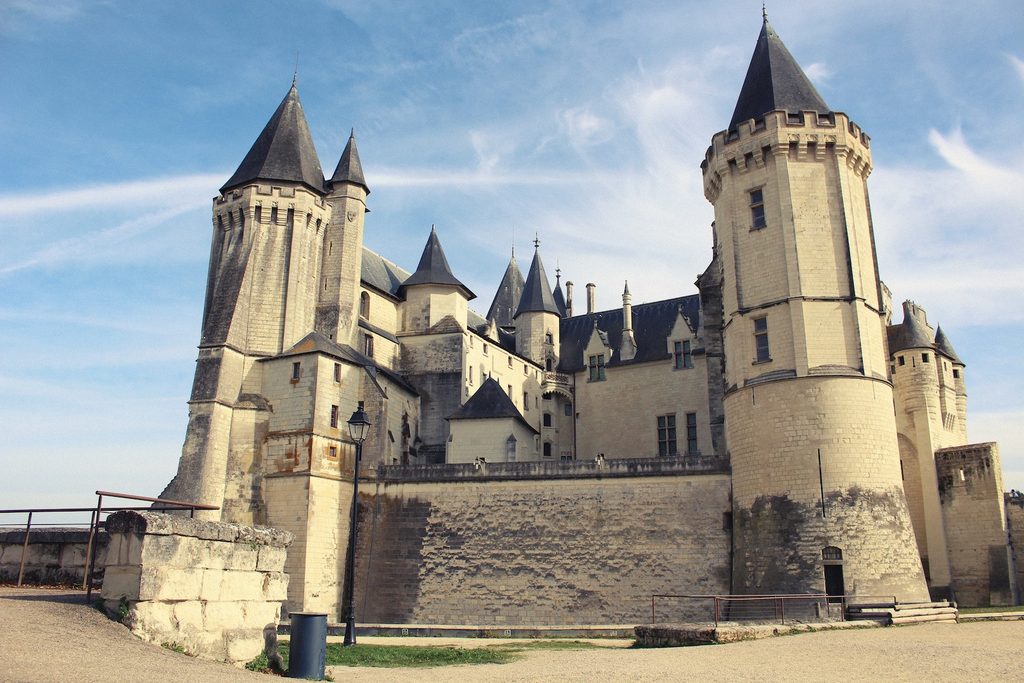
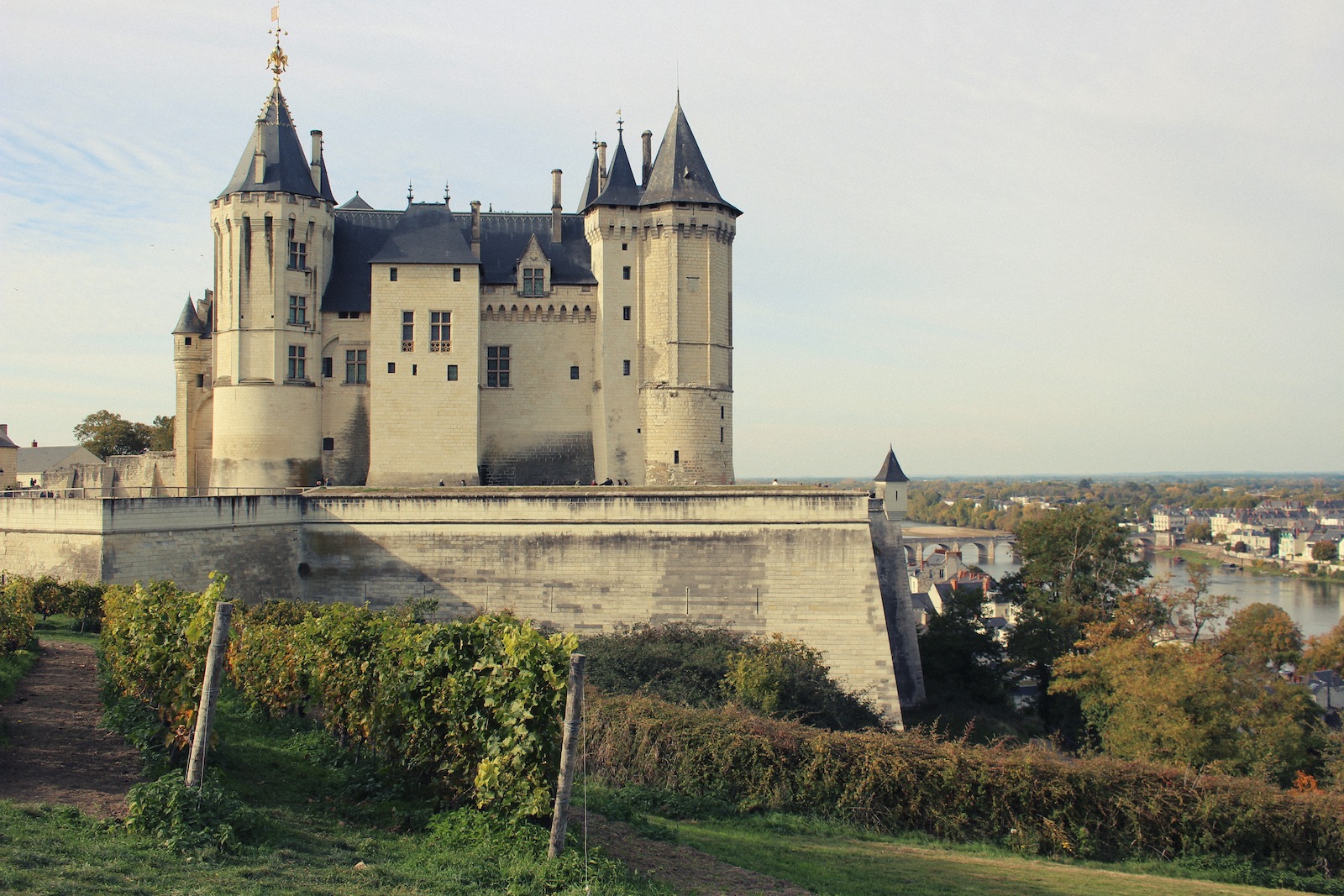
I’ve seen my fair share of castles in France, but the Château de Saumur (Saumur Castle) still takes my breath away with its fairytale appearance, dramatic hilltop setting and breathtaking views over the Loire. The castle was originally built in the 10th century, destroyed in 1067 and rebuilt in the 12th century by King Henry II of England.
The castle is also home to the Musée des arts decoratifs et du cheval (Museum of Decorative Arts and of the Horse), entry to which is included with your ticket. The museum contains a collection of tapestries, ceramics, furniture and other objets d’art, as well as paraphernalia and horse-related art.
2. Cadre Noir de Saumur (Black Cadre of Saumur)
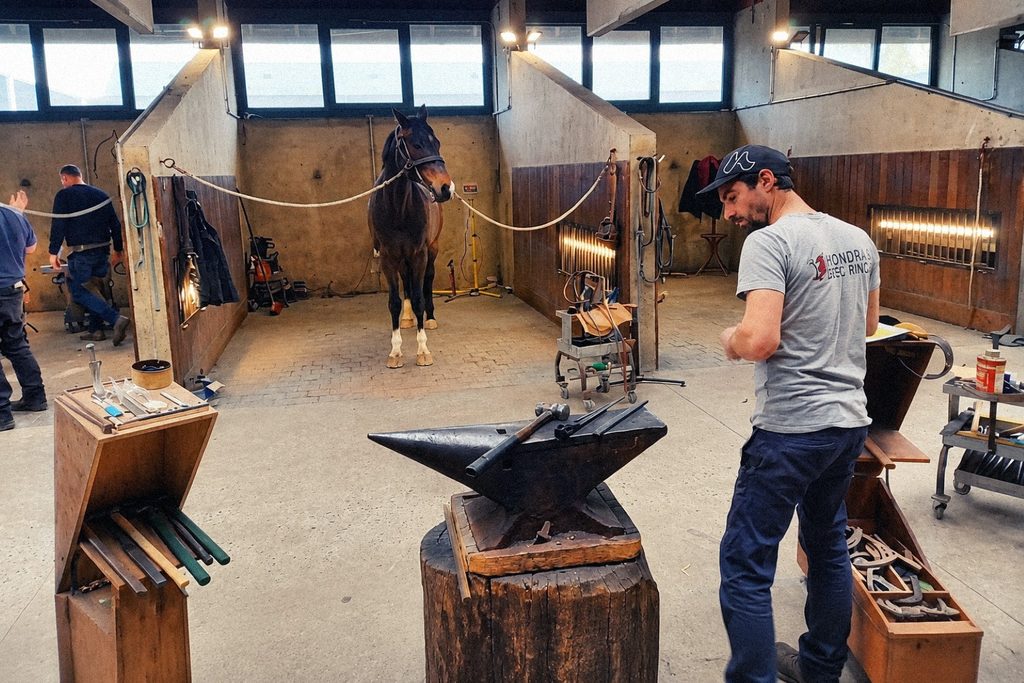
The Cadre Noir de Saumur (Black Cadre of Saumur) is one of the most prestigious institutions of French equestrianism in the world. They not only run an academy that teaches the French tradition of horse riding, but also a performance corps that puts on shows.
You can visit the grounds of the Cadre Noir de Saumur (Black Cadre of Saumur) to see the stables and the arena. But for a truly memorable visit, you’ll want to watch a performance or at least a morning demonstration by one of the riding masters. Book tickets in advance, especially for performances.
3. Église Saint-Nicolas (Saint Nicolas Church)

This church was built along the Loire to serve the many fishermen, merchants and boatmen who plied the river. The current façade dates back to the 12th century.
Over the centuries, the church has undergone many modifications, including raising the floor to avoid flooding and changing the orientation to turn the entrance towards the city instead of the river.
4. Place Saint-Pierre (Saint Pierre Square)

This is one of the most picturesque squares in Saumur thanks to the half-timbered houses that give it a medieval character. Today, it is a lively area filled with bars and is also where you can find Église Saint-Pierre (Saint Pierre Church) and the Halles Saint-Pierre (Saint Pierre Market).
5. Église Saint-Pierre (Saint Pierre Church)

This church, located at the beautiful Place Saint-Pierre (Saint Pierre Square), is a good example of 12th- and 13th-century Gothic architecture, but you wouldn’t guess just from the façade, which is more recent and was added in the 17th century after the original façade collapsed.
6. Place de la Bilange (Bilange Square)
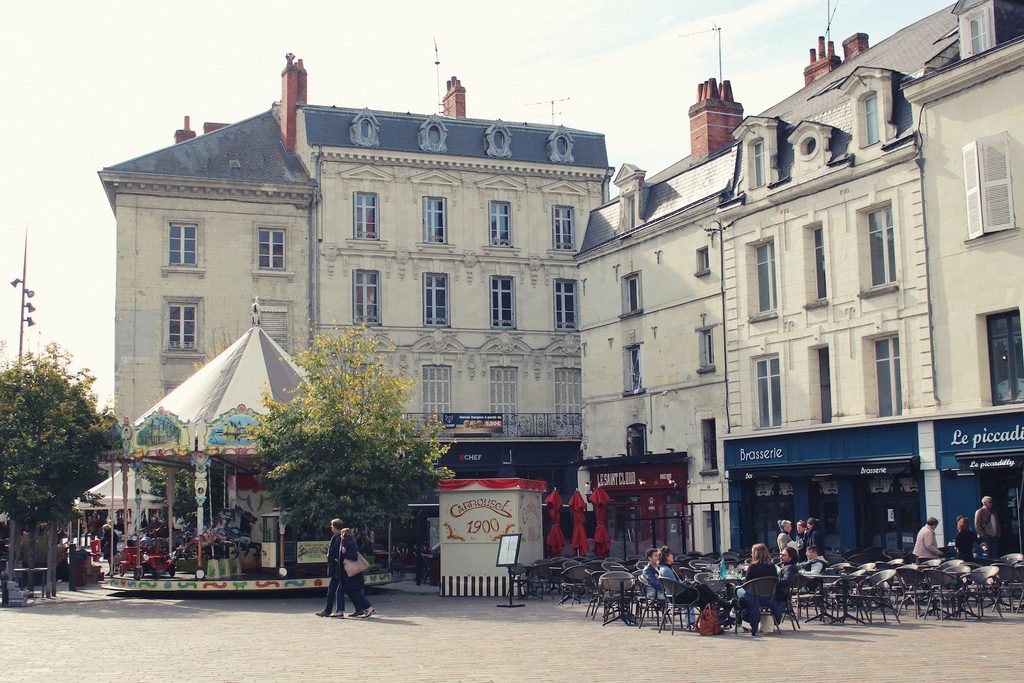
This is one of Saumur’s most prominent squares. On one end of the square, you can spot Théâtre Le Dôme (The Dome Theatre), an Italian-style theatre located on the banks of the Loire in which all kinds of performances are staged, from contemporary plays to jazz concerts.
7. Pont Cessart (Cessart Bridge)
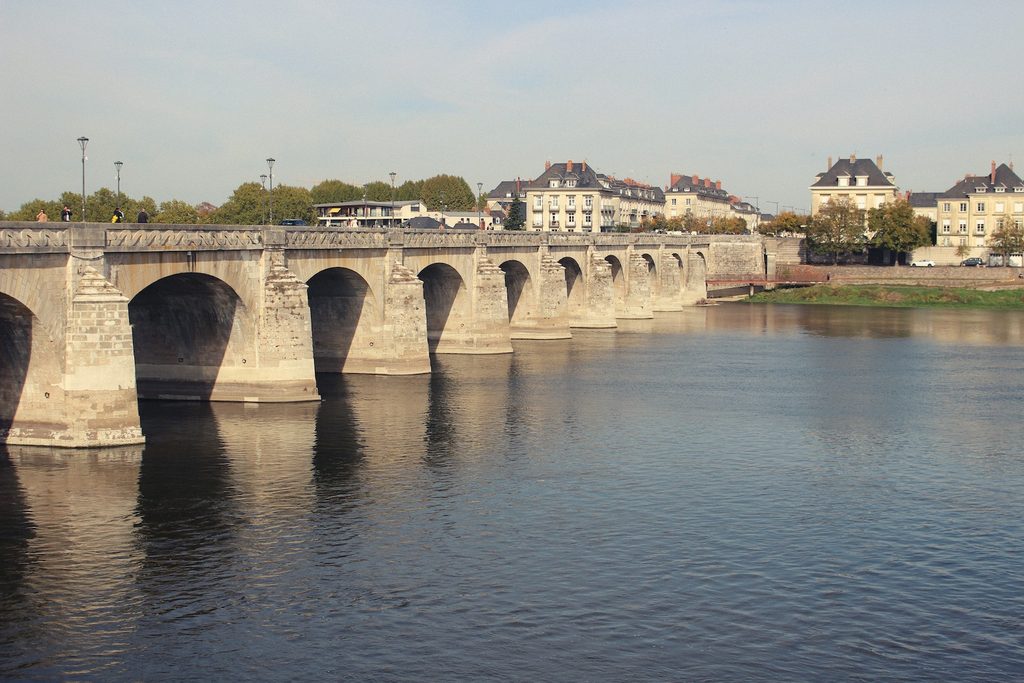
This elegant bridge stretching over the Loire connects the city centre to Île d’Offard (Offard Island), which is also part of Saumur. It also offers one of the best views of the Château de Saumur (Saumur Castle)!
8. Banks of the Loire
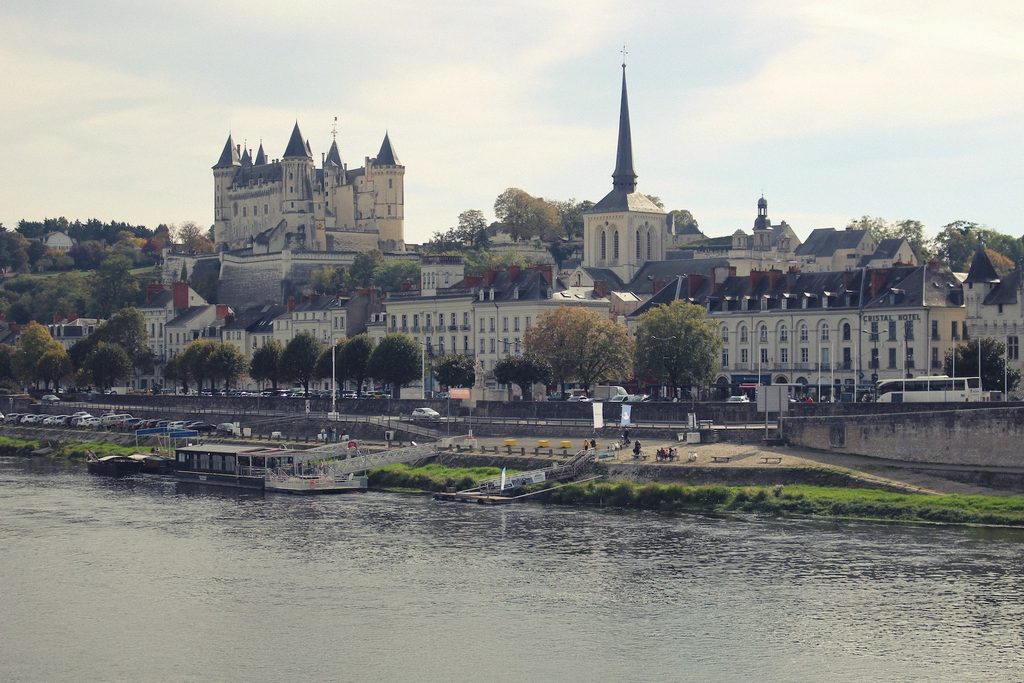
The banks of the Loire offer more than just a pleasant place for a riverside stroll. They’re also where you can enjoy stunning views of the city towering over the water, with the castle perched on top. You’ll also get a good sense of the relationship between the fortified city and the river at its feet. The best views of the Château de Saumur (Saumur Castle) can be enjoyed from Pont Cessart (Cessart Bridge) or by crossing over to Île Offard (Offard Island).
9. Musée de la Cavalerie (Cavalry Museum)
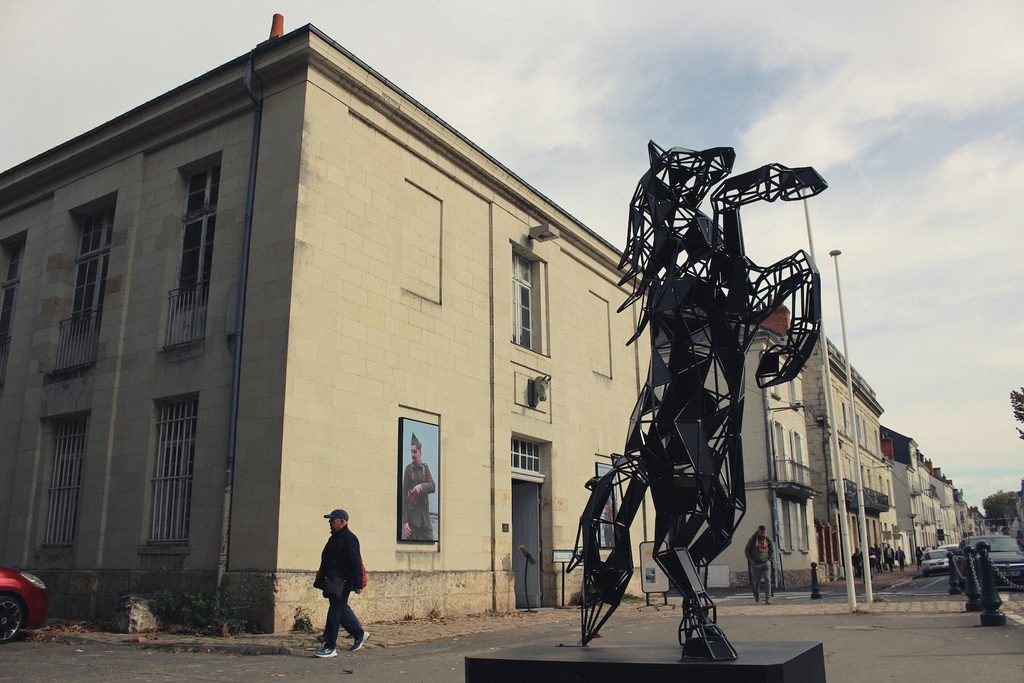
This museum is dedicated to the military history of horse riding in France, from 1445 to the present day. Its collection includes uniforms and weapons, as well as exhibits on equestrianism and the horses used for military purposes.
10. Maison des Compagnons du Devoir (House of the Companions of Duty)
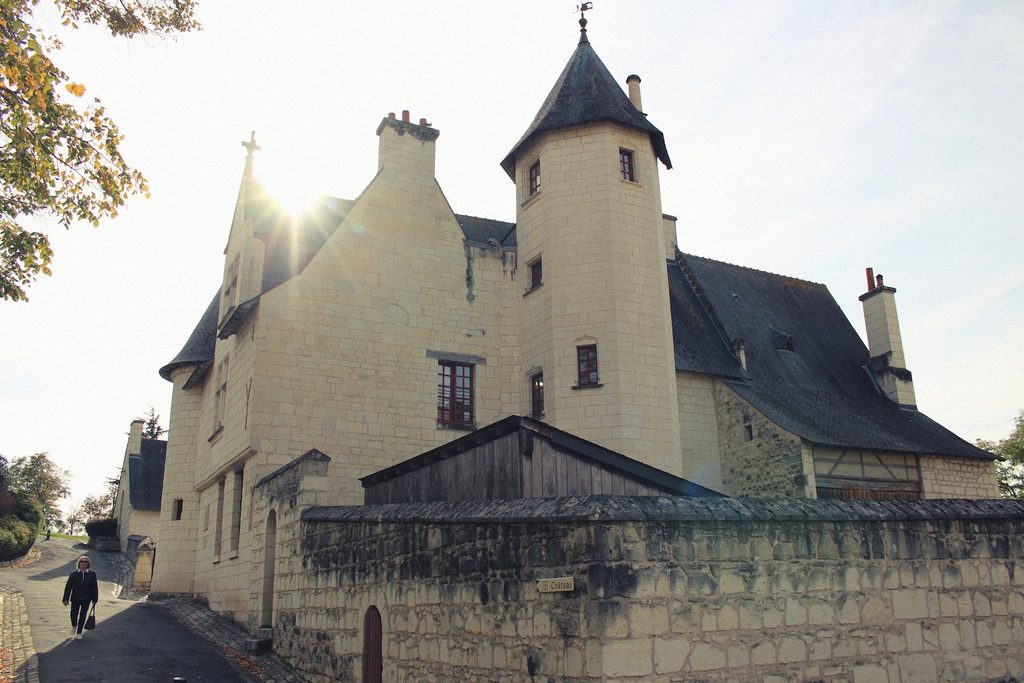
The Compagnons du Devoir (Companions of Duty) are a traditional organisation for artisans and craftsmen that lays out a framework for apprentices who wish to learn a trade. These apprentices travel over France to study with different masters.
Their Saumur training centre is located on Rue Duplessis Mornay, and is highly distinctive thanks to the medieval building in which it is housed, as well as the many examples of craftsmanship that can be spotted on the grounds. Don’t miss the chance to wander around the courtyard, which is open to the public.
11. Église Notre-Dame-des-Ardiliers (Church of Our Lady of Ardiliers)
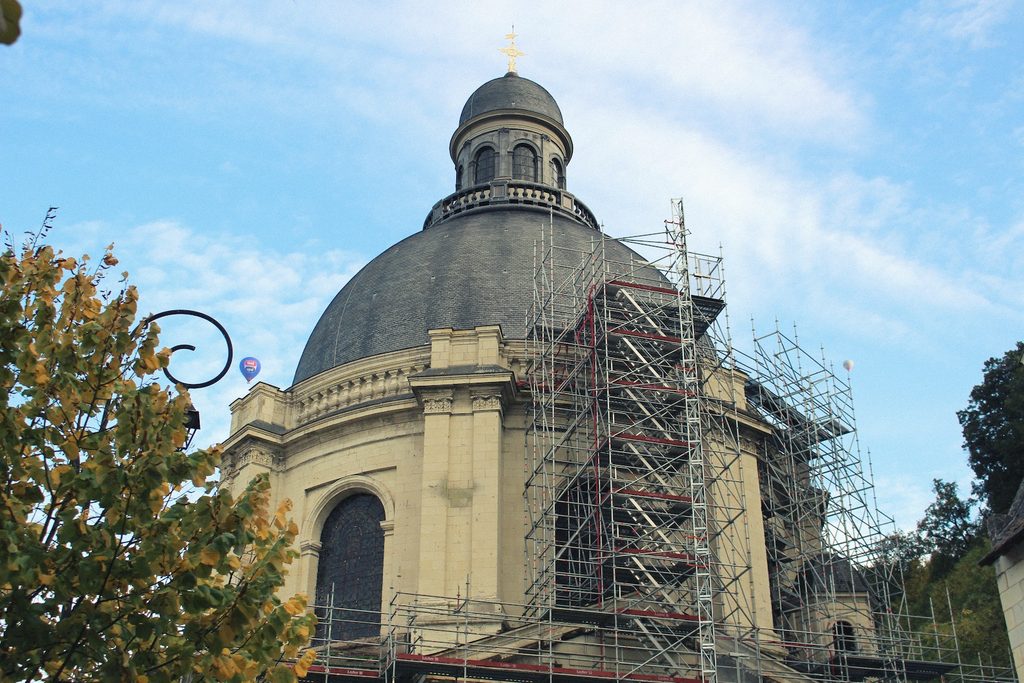
This church, with its distinctive rotunda, can be seen from the banks of the Loire, and was built between the 16th and 17th centuries. Legend has it that a farmer found a stone statue of the Virgin Mary cradling the body of Jesus. He took it home twice, but each time it mysteriously returned to where he had first discovered it. A chapel was built at this spot that later became the present-day church.
12. Hôtel de Ville de Saumur (Saumur Town Hall)
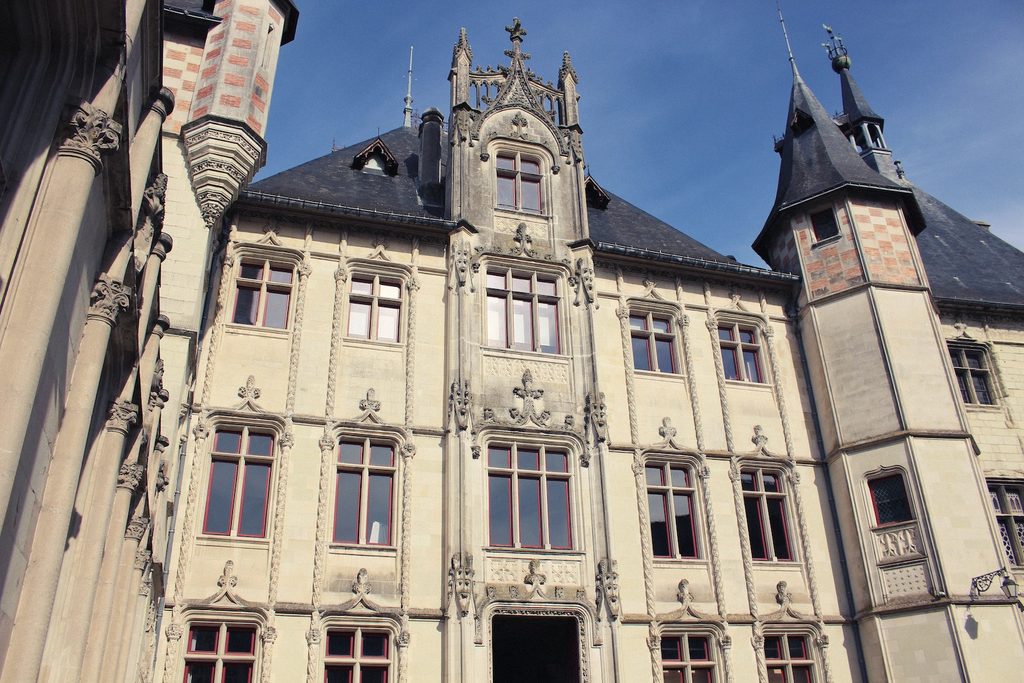
Saumur’s town hall is housed in a magnificent 16th-century building that was once part of the city’s defensive fortifications and has been used by the city’s administration since 1508. A new Neo-Gothic wing was added in the 19th century. The town hall’s courtyard is open to the public, so feel free to walk through the main gates during opening hours.
13. Distillerie Combier (Combier Distillery)
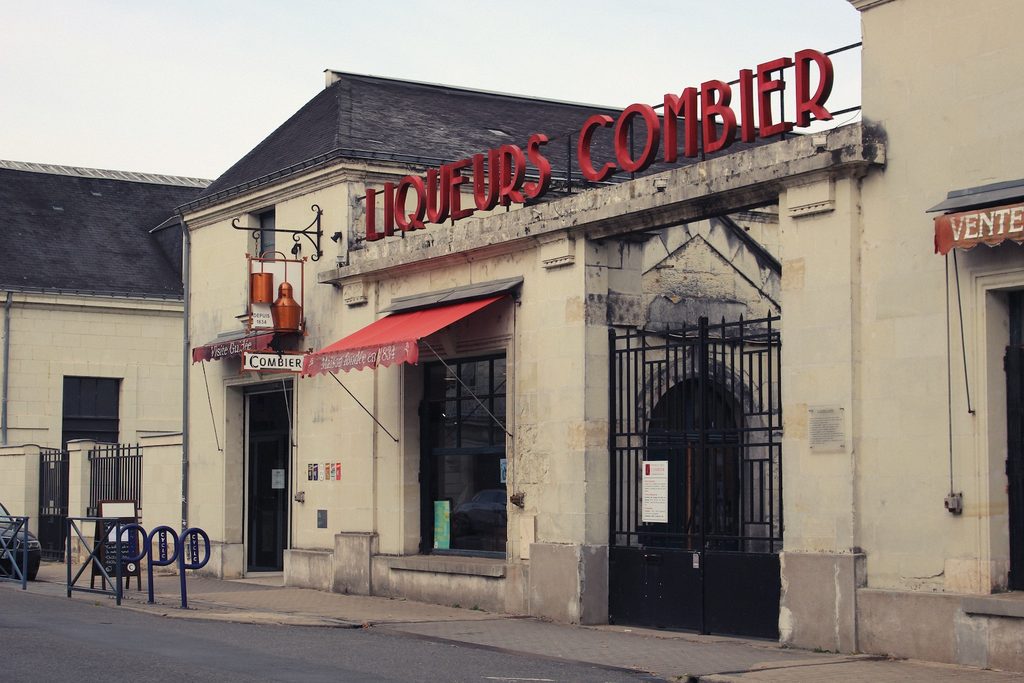
The Distillerie Combier (Combier Distillery) is a Saumur institution, and has been producing Combier orange liqueur since inventing it in 1834. It is considered to be the world’s very first triple sec.
14. Maison Ackerman (House of Ackerman)

Maison Ackerman (Ackerman House) owns one of the most famous wine cellars in Saumur, and also has its own vineyard. Visitors to the wine cellar, located in a troglodyte cave, can sample and purchase a wide variety of Loire Valley sparkling wines, while at the same time admiring art installations made especially for the unique venue. One of their key products is crémant, a fizzy white wine.
15. Musée des Blindés (Tank Museum)

The Musée des Blindés (Tank Museum) has an impressive collection of tanks, including some that served in World War II, from both the Germans and Allies. Some of them are still functioning and are maintained and used year-round. Some of the museum’s tanks have even been used in films!
16. Musée du Moteur (Motor Museum)

This is an eccentric little museum dedicated to internal-combustion engines and the history of mechanical power. It has a collection of vintage and contemporary motors used for various purposes, including transportation and generating electricity.
17. Ethno-musée Anako du Château de la Reine de Sicile à Saumur (Ethno-museum Anako of the Castle of the Queen of Sicily in Saumur)
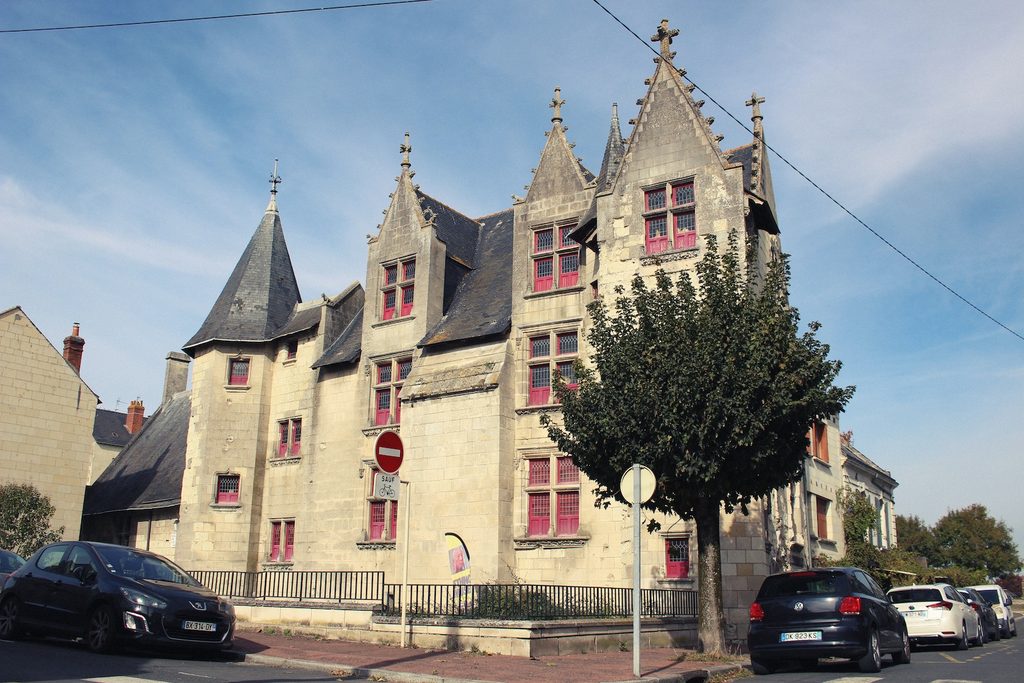
This offbeat museum on Île Offard (Offard Island) is maintained by the Fondation Anako (Anako Foundation) and dedicated to indigenous peoples and traditional societies all over the world, particularly those with strong oral traditions. The 15th-century building in which it is located is as interesting as its subject matter, and once housed Yolande of Aragon, Queen of Sicily and Duchess of Anjou.
18. Musée du Champignon (Mushroom Museum)

The Musée du Champignon (Mushroom Museum) is one of Saumur’s hidden gems. It is not just a museum but a functioning mushroom farm that cultivates fungi in an underground quarry located in troglodyte caves, enabling you to appreciate the area’s troglodyte culture at the same time. Visitors not only learn about different mushroom species but can also sample and purchase fresh mushrooms.
19. Les Jardins du Puygirault (The Puygirault Gardens)
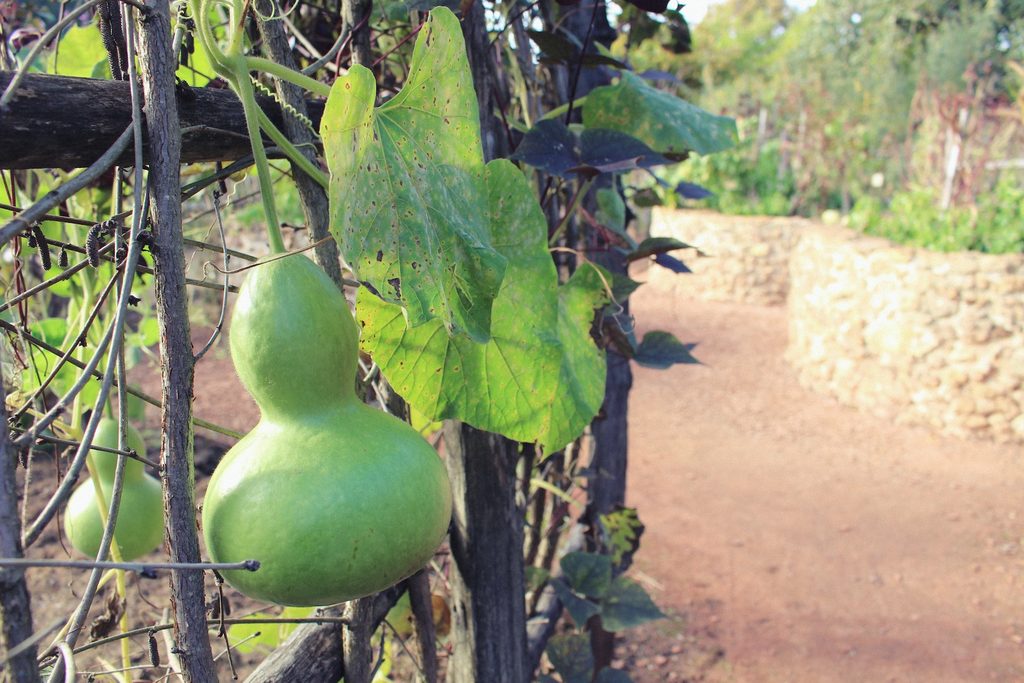
This is a lovely botanic garden and vegetable garden all in one, and is popular with families. There are gardens dedicated to educating visitors about the history of vegetable cultivation, as well as gardens in different styles, such as medieval and medicinal. Tickets can be purchased online.
20. Pierre et Lumière (Stone and Light)

This park located in a troglodyte cave recreates the Val de Loire (Loire Valley) through stone sculptures. It is popular with families and offers the opportunity to explore a troglodyte environment in a fun manner.
21. Jardin des Plantes (Botanic Garden)
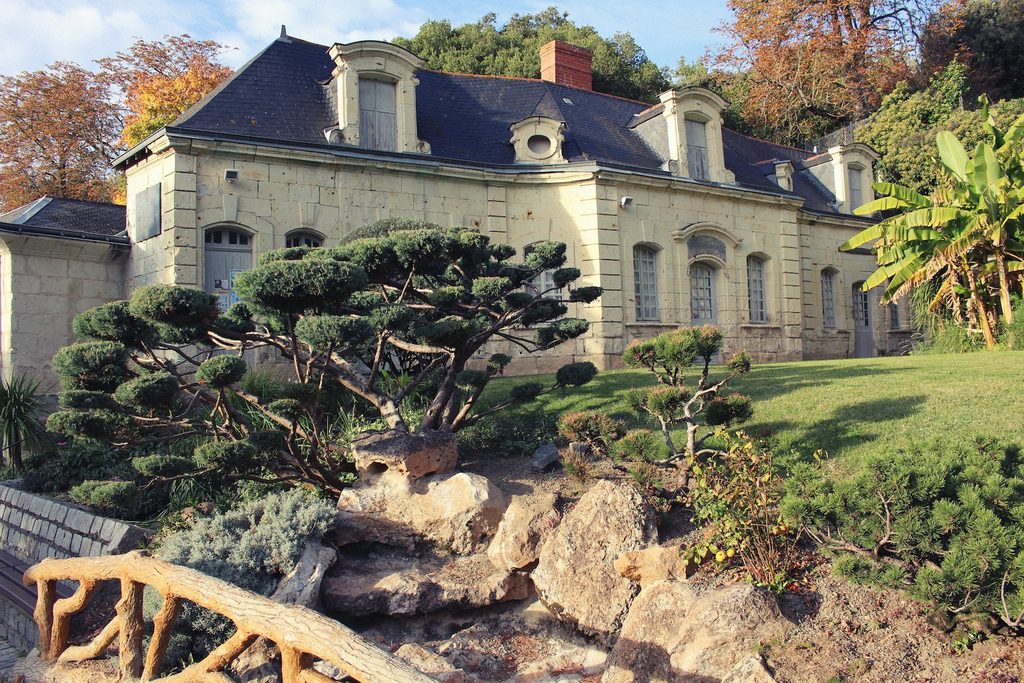
Saumur’s Jardin des Plantes (Botanic Garden) is located in the Nantilly neighbourhood to the south of the city centre. The site dates back to the 17th century, but was used for many other purposes, such as a convent and chapel, before the public garden was created.
22. Église Notre-Dame-de-Nantilly (Church of Our Lady of Nantilly)
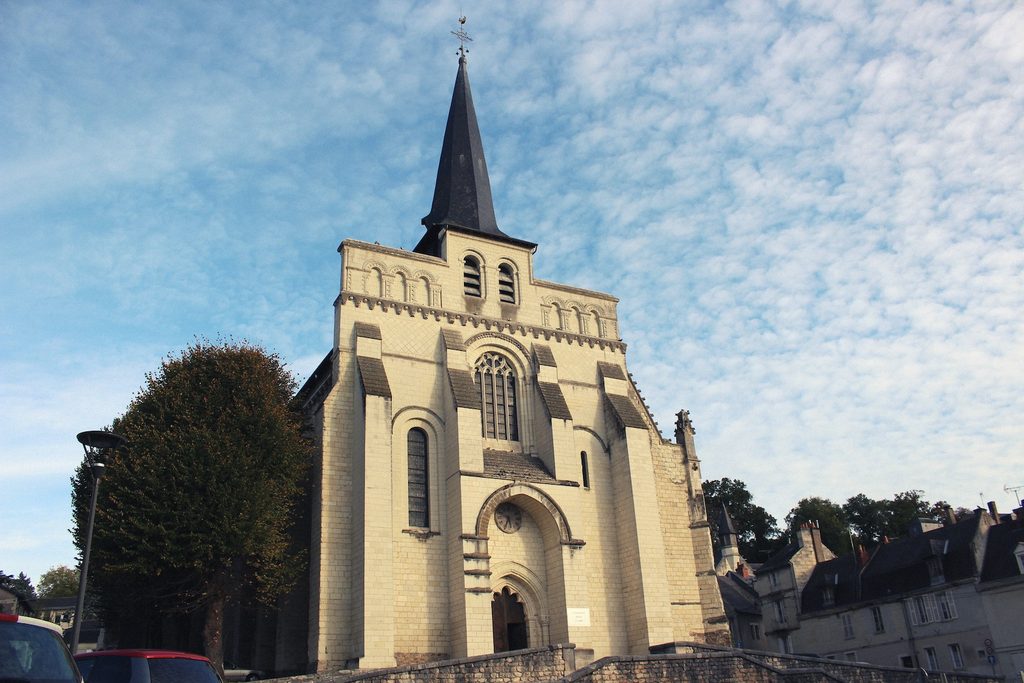
This church, located near the Jardin des Plantes (Botanic Gardens), is Saumur’s oldest parish church and was the city’s most important church for centuries. The current building dates back to the 12th century.
23. Temple protestant de Saumur (Protestant Temple of Saumur)
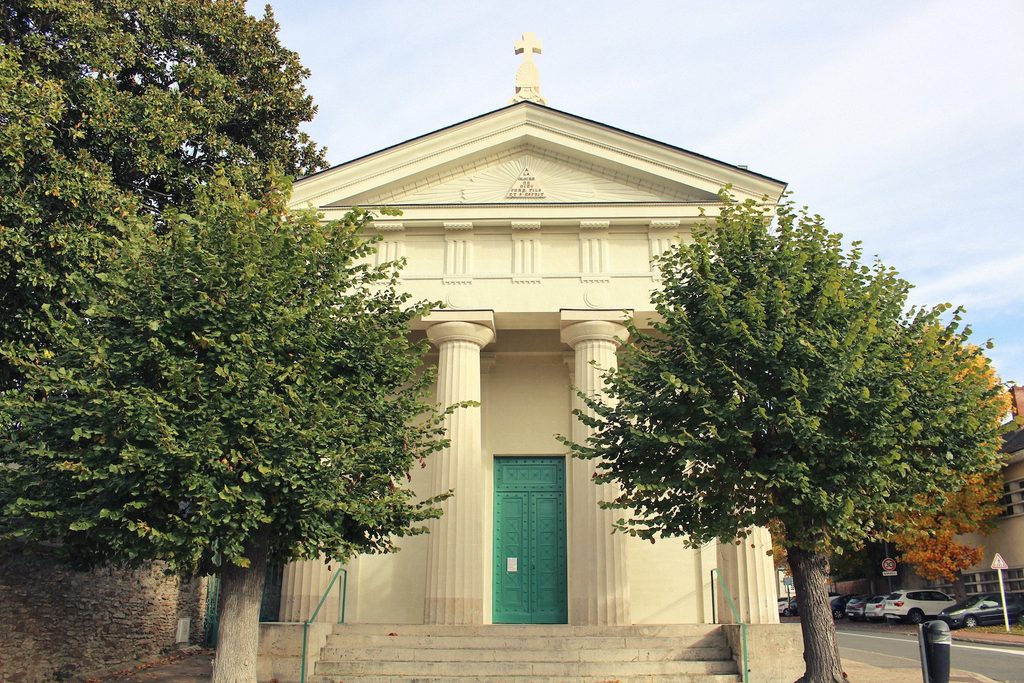
This Protestant church is considered a historical monument, and the current building was constructed in 1843. The architect drew inspiration from the ancient Greek temples of Paestum in southern Italy.
24. Tour Grenetière (Seed Tower)
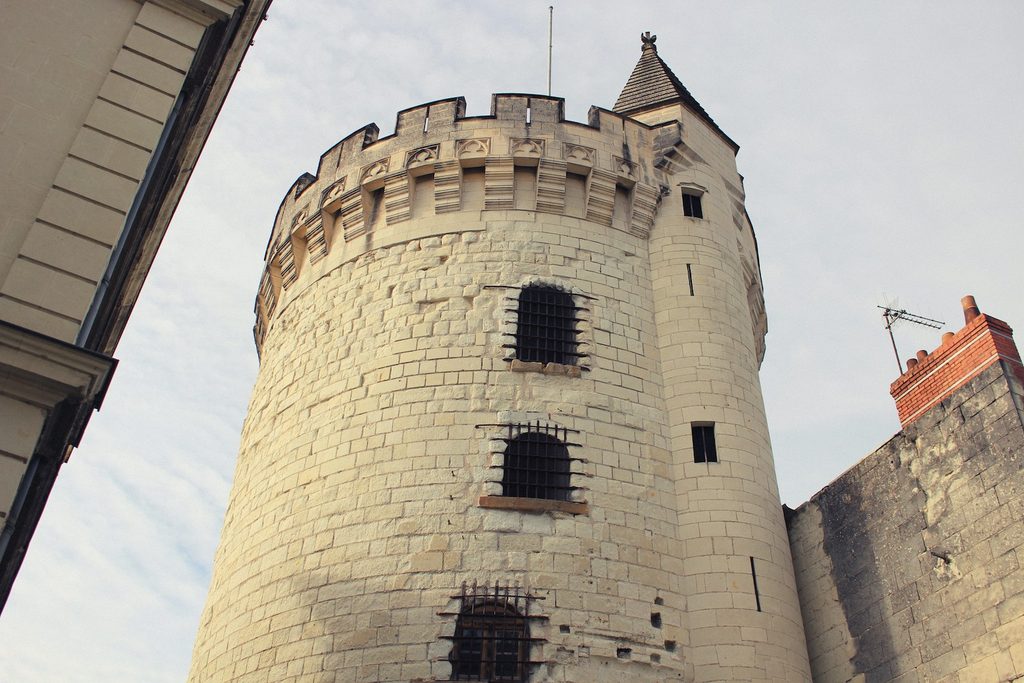
The Tour Grenetière (Seed Tower) was previously part of Saumur’s defensive city walls and dates back to the 14th or 15th century. In the 17th century, it was used to store bread grains that were distributed to the poor in times of food scarcity, which is where it got its name. The interior is generally not accessible, but the structure can be admired from the outside.
25. Église Saint-Hilaire des Grottes (Church of Saint Hilaire of the Caves)
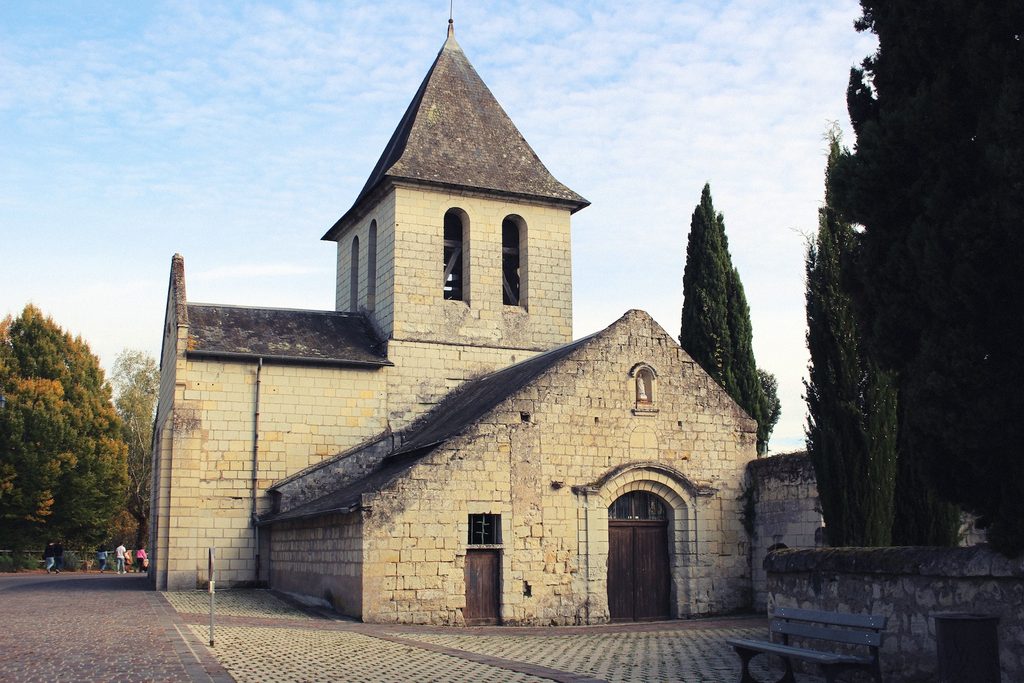
This pretty little church on the banks of the Thouet was founded in 840, although the current building is a reconstruction dating to the 11th century and later renovated and modified over the years.
Other things to do near Saumur
- Saumur is just a 20-minute drive from the UNESCO-listed Abbaye royal de Fontevraud (Royal Abbey of Fontevraud).
- Nearby castles can be found in Montsoreau, Chinon, Brézé and Villandry, all of which are just a 15- to 40-minute drive from Saumur.
- Major Loire Valley cities Angers and Tours are easily accessible by train from Saumur in a little over half an hour, while Amboise and Blois can be accessed by train in under 1.5 hours.

Comments are closed.